Choosing the right tool for your daily oral care routine can make a significant impact on your long-term dental health. A toothbrush is more than a simple instrument; it’s a key ally in preventing cavities, gum disease, and staining. This guide explores various options, highlights critical features, and offers practical tips to help you select the best toothbrush for your unique needs.
Understanding Toothbrush Types
Toothbrush options on the market can be broadly divided into two main categories: manual and electric. Each type offers distinct advantages, and understanding their characteristics will help you make an informed decision.
- manual Toothbrushes
- Affordability and availability in diverse colors and shapes
- Simplicity: no batteries or charging needed
- Wide range of bristle firmness (soft, medium, hard)
- Electric Toothbrushes
- Built-in timers to encourage the recommended two-minute brushing duration
- Rotating or vibrating heads that can remove more plaque than manual brushing
- Variety of cleaning modes (sensitive, whitening, gum care)
While some individuals swear by the thoroughness of electric models, others appreciate the comfort and portability of manual brushes. Your lifestyle, budget, and personal preference will shape your ultimate choice.
Essential Factors for Selection
1. Bristle Softness
Dental professionals consistently recommend soft or extra-soft bristles. Overly stiff bristles can damage gum tissue and erode tooth enamel. Look for brushes labeled “soft” by regulatory authorities or carry the seal of approval from your dentist association.
2. Head Size and Shape
A compact brush head allows for better access to the back molars and hard-to-reach areas. Some heads are contoured to fit the natural curvature of the teeth, enhancing overall cleaning efficiency. Whether you choose a rectangular or tapered design, ensure it feels comfortable when you move it around your mouth.
3. Handle Ergonomics
A non-slip, well-balanced handle improves control during brushing. Many electric models come with rubberized grips and angled necks to reduce wrist strain. Even manual brushes now feature ergonomic designs aimed at improving reach and reducing fatigue.
4. Bristle Quality and Arrangement
Pay attention to the bristle material and tuft arrangement:
- Nylon bristles are widely used for their resilience and ability to dry quickly.
- Crisscross or multi-level bristles can sweep away bacteria and debris more effectively than uniform rows.
- Rounded bristle tips minimize gum irritation while maximizing contact with tooth surfaces.
5. Additional Features
Modern toothbrushes may include:
- Built-in pressure sensors that alert you if you brush too hard
- Bluetooth connectivity to track brushing habits via a smartphone app
- Replaceable heads to reduce waste and cost
These extras can reinforce good hygiene habits, though they are not strictly necessary for effective cleaning.
Brushing Technique and Maintenance
Owning an ideal toothbrush is only half the battle. Proper technique and upkeep are crucial in maximizing its benefits and ensuring longevity.
Correct Brushing Method
- Place bristles at a 45-degree angle to the gum line.
- Use gentle, circular strokes rather than horizontal scrubbing to protect gums.
- Brush each quadrant of your mouth for at least 30 seconds to meet the two-minute target.
- Don’t forget to clean the tongue and interior surfaces of teeth to combat bad breath-causing bacteria.
Brush Head Replacement
Replace your toothbrush or brush head every three months, or sooner if the bristles appear frayed. Worn bristles lose their cleaning power and can harbor residual moisture that encourages microbial growth.
Cleaning and Storage
- Rinse thoroughly after each use to remove toothpaste residue.
- Store upright in a well-ventilated area to allow air drying and discourage mold.
- Avoid sharing toothbrushes or brush heads to prevent cross-contamination.
When to Consult Your Dentist
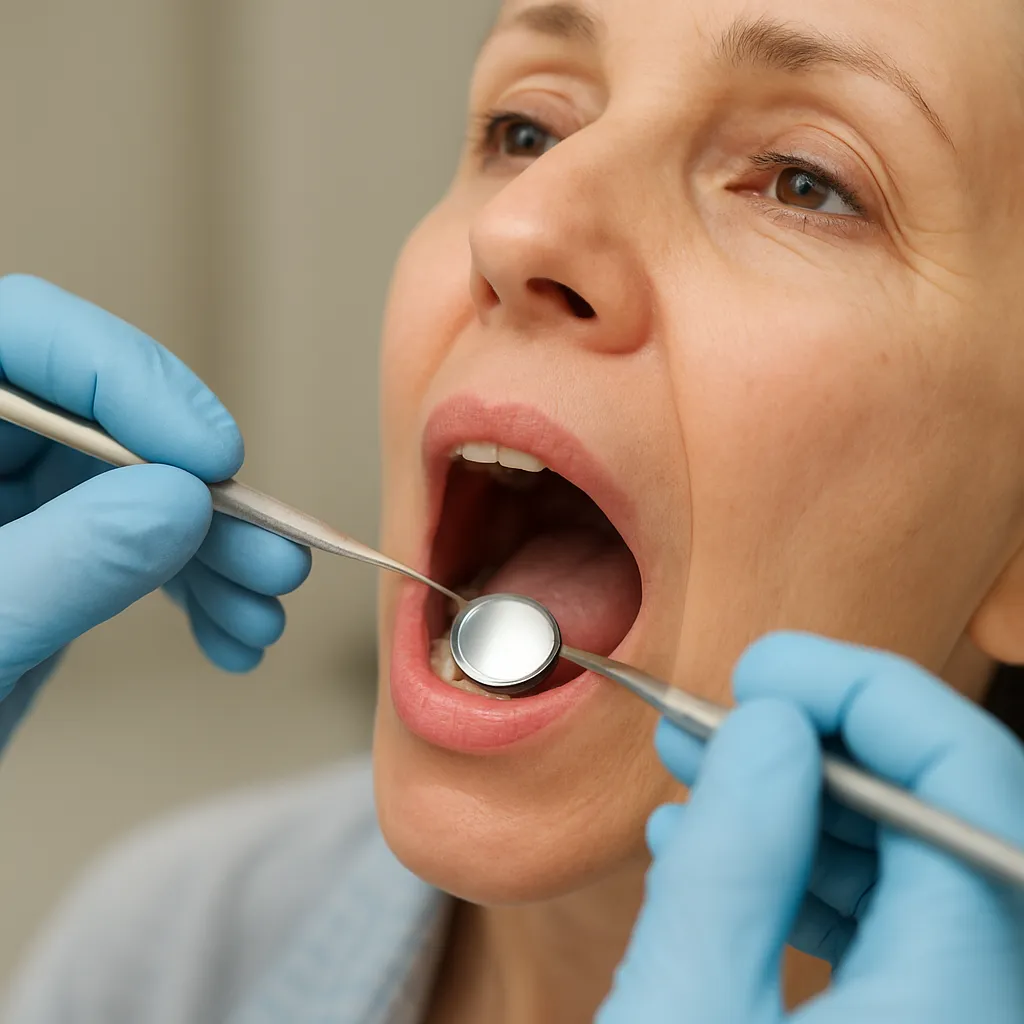
Regular professional checkups are essential in tailoring your toothbrush choice and oral care regimen. Your dentist can:
- Recommend a specific brush type based on gum recession or sensitive areas
- Identify early signs of bristle-induced abrasion or gum inflammation
- Suggest additional tools like interdental brushes or water flossers to complement brushing
By working closely with your dental practitioner, you’ll ensure that your chosen toothbrush aligns with your unique oral health profile, providing optimal results without compromising tooth or gum integrity.
Understanding Durability and Sustainability
In an age of growing environmental awareness, the quest for a durable, eco-friendly toothbrush is gaining momentum. Here’s what to look for:
- Durability: High-quality nylon bristles resist fraying, and sturdy handles can stand up to months of daily use.
- Eco-friendly materials: Bamboo or bioplastic handles reduce plastic waste.
- Replaceable heads: Models offering only head replacement help minimize overall material consumption.
While sustainable options may carry a slightly higher upfront cost, their long-term value—both for your wallet and the planet—can be considerable.