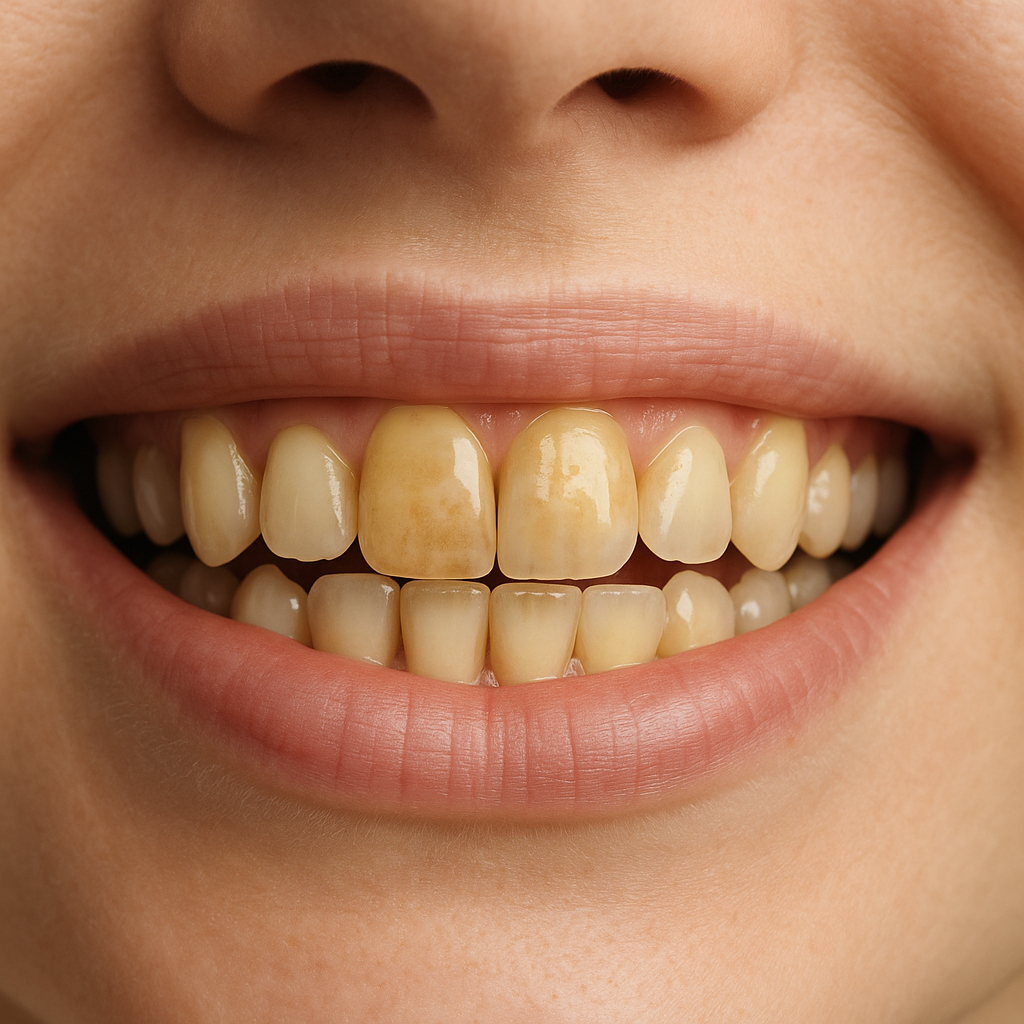
Tooth discoloration can affect anyone, altering a smile’s brightness and confidence. Understanding the multiple factors that contribute to changes in tooth color empowers individuals to make informed decisions about their oral health. From lifestyle habits to underlying medical conditions, various elements play a role in the gradual or sudden darkening, yellowing, or spotting of teeth. With professional guidance from a dentist and consistent home care routines, many causes of discoloration can be prevented or treated effectively.
Extrinsic Causes of Tooth Discoloration
Extrinsic discoloration refers to stains that affect the outer layer of the tooth, known as the enamel. These surface stains often result from daily activities and dietary choices. Over time, pigments from various sources adhere to enamel and form visible discolorations.
- Coffee and Tea Consumption: Both beverages contain high levels of chromogens, strong-colored compounds that attach to enamel surfaces, causing yellow or brown staining.
- Red Wine and Soda: Acidic drinks erode enamel, making it easier for dark-colored compounds to penetrate and stain the tooth surface.
- Tobacco Use: Whether smoked or chewed, tobacco products embed pigments deeply into enamel, leading to persistent brown or black patches over time.
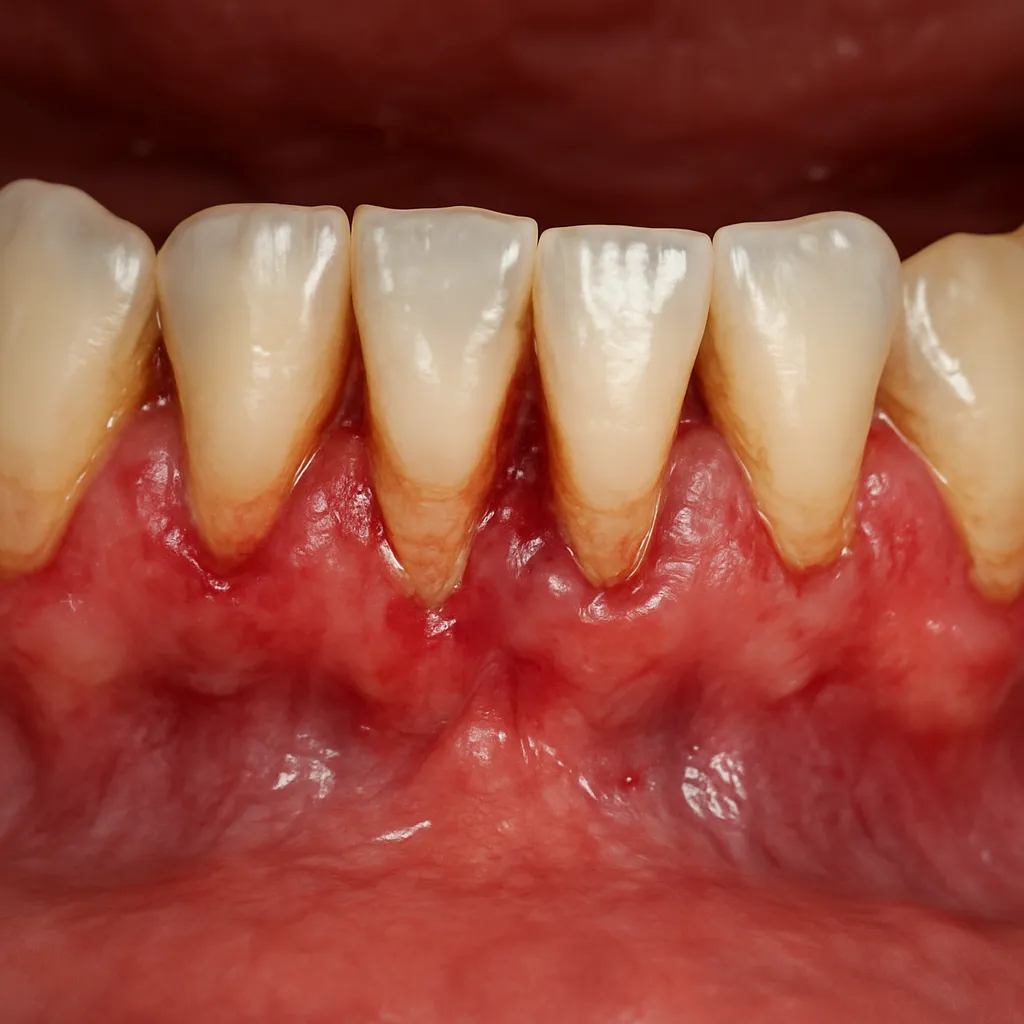
- Poor Oral Hygiene: Irregular or improper brushing and flossing allow plaque and tartar to accumulate, creating a yellowish or greenish layer that worsens if not professionally cleaned.
- Colored Foods: Curries, berries, soy sauce, and other intensely colored items can gradually discolor enamel when consumed frequently without adequate rinsing or cleaning.
Intrinsic Causes of Tooth Discoloration
Intrinsic discoloration originates within the tooth structure, often resulting from changes in the dentin or internal tooth chemistry. These stains are more challenging to remove, as they are embedded below the enamel layer.
- Fluorosis: Excessive fluoride exposure during tooth development leads to white or brown mottling on tooth surfaces. Mild cases appear as tiny white flecks, while severe cases result in large brown spots.
- Tetracycline Antibiotics: When these medications are administered to children under eight or to pregnant women, they bind to calcium ions in developing teeth, causing permanent gray or brown discoloration.
- Dental Trauma: A blow to the tooth can cause internal bleeding, with blood components infiltrating the dentin. Over time, the tooth may take on a dark gray or brown hue.
- Genetic Conditions: Some hereditary disorders, such as amelogenesis imperfecta or dentinogenesis imperfecta, affect enamel and dentin formation, leading to naturally discolored or translucent teeth.
- Aging: With years of normal wear, enamel gradually thins, exposing the naturally yellowish dentin beneath and making teeth appear darker or more yellow.
Structural Changes: Enamel and Dentin Interaction
Teeth consist of a protective enamel layer overlaying the inner dentin. Enamel is semi-translucent, so any alterations in thickness or composition directly influence tooth color. Dentin, which has a yellowish-gray tint, becomes more visible when enamel wears away. Key factors affecting this interplay include:
- Demineralization: Acidic environments from diet or gastric reflux dissolve enamel minerals, thinning the layer over time and revealing more dentin.
- Erosion: Mechanical wear from aggressive brushing or abrasive toothpaste further wears down enamel, intensifying discoloration.
- Pulp Chamber Changes: Internal changes in the tooth’s pulp, such as calcification or necrosis, can darken the overall tooth appearance.
Prevention and Daily Care Strategies
Preventing both extrinsic and intrinsic staining involves consistent home care and lifestyle adjustments. Implementing the following practices helps maintain a brighter smile:
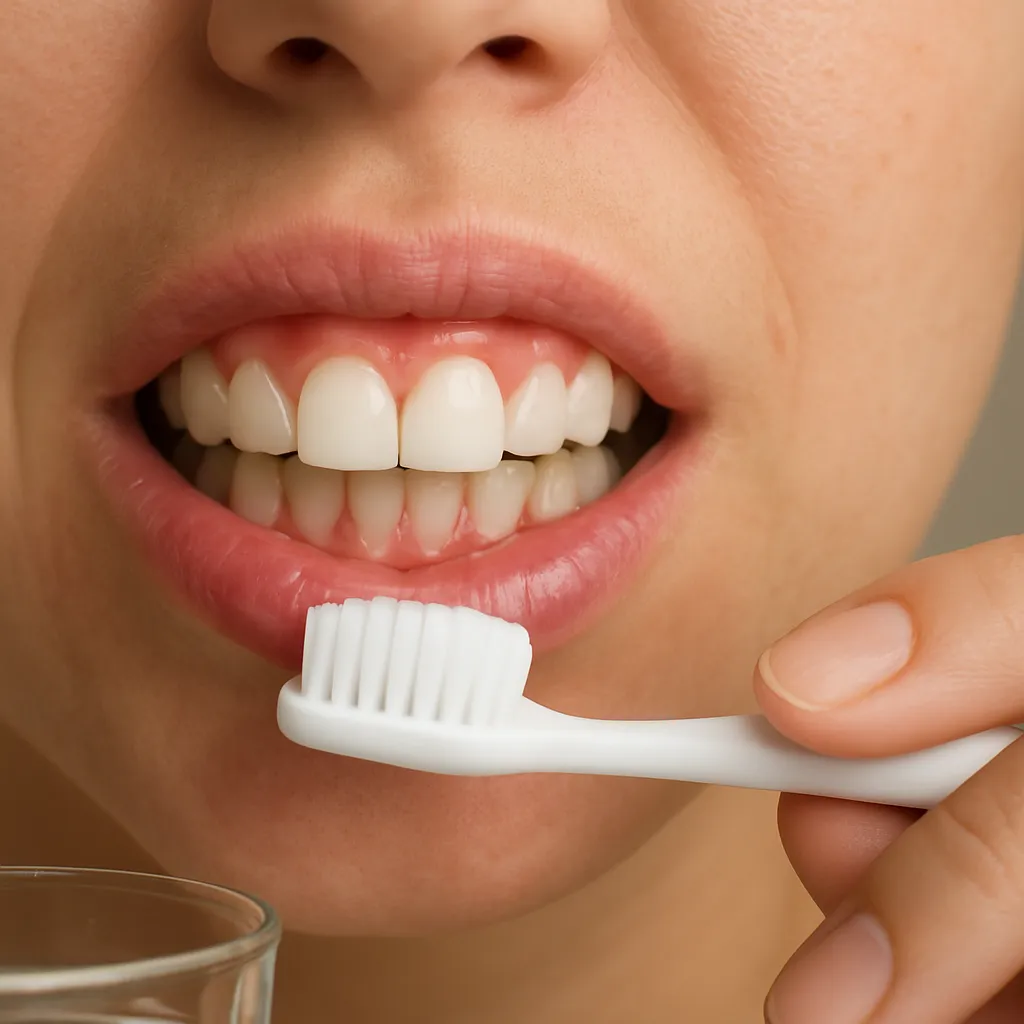
- Effective Brushing: Use a soft-bristled toothbrush and fluoride toothpaste twice daily, applying gentle circular motions to avoid enamel abrasion.
- Flossing: Clean between teeth daily to remove plaque and food particles that contribute to staining.
- Rinsing: After consuming pigmented foods or drinks, rinse with water or a low-alcohol mouthwash to reduce residue on enamel.
- Dietary Adjustments: Limit intake of staining substances like coffee, tea, and red wine. Incorporate crunchy fruits and vegetables that naturally scrub tooth surfaces.
- Regular Dental Cleanings: Professional scaling and polishing every six months eliminate tartar and surface stains that at-home brushing cannot remove.
- Fluoride Treatments: Topical fluoride applications strengthen enamel and help resist acidic attack, minimizing demineralization.
Professional Treatments and When to Consult a Dentist
When home care is insufficient, dental professionals offer advanced solutions to address persistent discoloration. Consulting a dentist ensures a tailored approach based on the type and severity of stains observed.
- In-Office Bleaching: High-concentration bleaching agents activated by light or heat penetrate enamel and break down dark molecules, achieving noticeable whitening in a single visit.
- At-Home Whitening Kits: Custom-fitted trays with professional-grade bleaching gels worn over several days provide gradual, controlled whitening.
- Microabrasion: A minimally invasive technique that gently removes a thin layer of enamel to eliminate superficial spots and stains.
- Veneers and Bonding: Porcelain veneers or composite resin bonding mask intrinsic discoloration by covering the tooth surface with a durable, stain-resistant material.
- Root Canal Therapy: For teeth discolored by internal trauma or infection, removing the pulp, disinfecting the canals, and placing a crown or filling restores both function and color.
Psychological Impact and Long-Term Maintenance
Beyond aesthetics, tooth discoloration can affect self-esteem, social interactions, and professional confidence. Addressing the root causes and pursuing appropriate treatments contributes to improved mental well-being. Long-term success relies on an ongoing partnership between patients and their dental team, ensuring preventive strategies, routine examinations, and timely interventions remain consistent.
Key Takeaways
- Identify extrinsic and intrinsic factors early to choose the right treatment.
- Maintain strong oral hygiene habits to prevent most surface stains.
- Consult your dentist for personalized care, including bleaching, veneers, or other professional therapies.
- Invest in regular check-ups to monitor changes and protect both enamel and dentin.