Consuming excessive sugary drinks poses a significant threat to both systemic well-being and, more specifically, oral health. These beverages—ranging from sodas and fruit juices to sports drinks and energy drinks—introduce large amounts of sugar into the mouth, where harmful bacteria thrive. Over time, this interaction can lead to acid erosion of tooth enamel, increased incidence of cavities, and the need for extensive dental treatments. Understanding why dentists warn against frequent sugar consumption in liquid form is crucial for making informed dietary choices and preserving a healthy smile.
The Hidden Dangers of Sugary Drinks
How Sugar Feeds Oral Bacteria
Every sip of a sugar-laden beverage bathes tooth surfaces in fermentable carbohydrates. Oral microorganisms, particularly Streptococcus mutans, metabolize these sugars and produce acidic by-products. This acid gradually demineralizes the protective enamel layer, creating a hostile environment that encourages further bacterial growth. Without timely intervention, the demineralization process can progress to visible cavities, requiring restorative procedures that may weaken tooth structure in the long term.
Acid Erosion and Enamel Damage
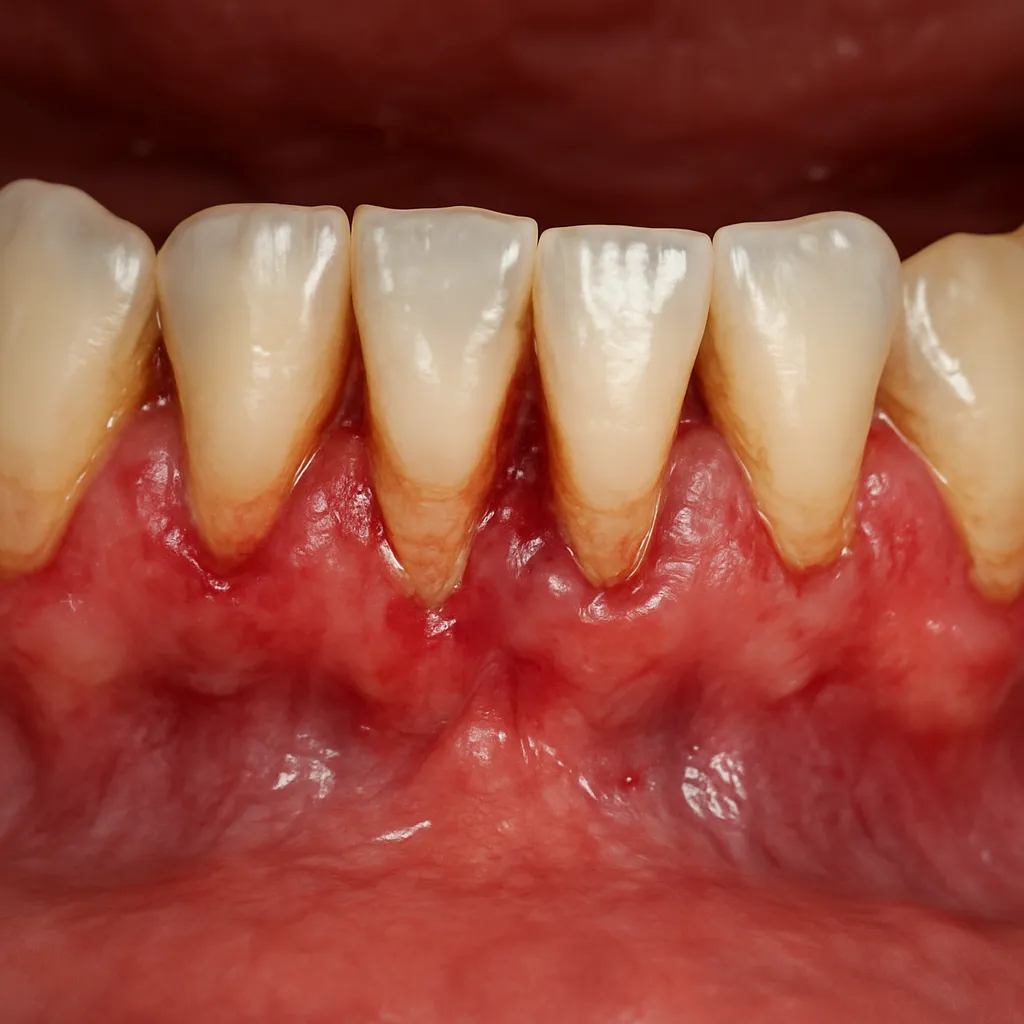
Even sugar-free soft drinks and carbonated waters can erode enamel due to their low pH. When acidity and sugar combine, the rate of enamel breakdown accelerates. Repeated acid attacks soften the mineral matrix of teeth, allowing mechanical forces—from chewing to brushing—to abrade the surface more easily. Over time, teeth become thinner, more translucent, and prone to sensitivity, especially when consuming hot or cold foods and beverages.
Impact on Professional Dental Care
Increased Risk of Cavities
Frequent exposure to sugary drinks heightens the risk of dental caries. Patients who consume more than one sugary beverage per day are statistically more likely to develop new cavities over a 12-month period compared to those who rarely indulge. Once caries progresses past the enamel into the dentin, more invasive interventions—such as fillings, root canals, or crowns—are often necessary. These procedures can be time-consuming and costly, both for the patient and the dental practice.
The Role of Fluoride Treatments
Professional fluoride applications can strengthen tooth structure and help remineralize early lesions. However, relying solely on fluoride without addressing dietary habits offers limited protection. Dentists often recommend a combination of in-office fluoride varnish or gel treatments alongside daily use of fluoride toothpaste. Yet, if patients continue to consume sugary drinks regularly, the protective benefits of fluoride are undermined by ongoing acid challenges.
The Financial and Psychological Burden
Beyond clinical concerns, recurring dental problems stemming from high sugar intake can strain household budgets. The costs associated with fillings, extractions, and prosthetic solutions add up, especially when dental insurance coverage is limited. Additionally, dental anxiety may develop after repeated procedures, leading some individuals to avoid the dentist until pain or infection forces a visit. This cycle perpetuates worse outcomes, further damaging both oral tissues and mental well-being.
Practical Strategies to Reduce Sugary Drink Consumption
Reading Labels and Understanding Ingredients
Many consumers underestimate the amount of sugar hidden in popular beverages. Examining nutrition facts—specifically the “sugars” and “added sugars” sections—can reveal surprising figures. For example, a standard 12-ounce can of soda may contain over 30 grams of sugar, which equals approximately seven teaspoons. By learning to decode labels, individuals can make more conscious choices about what they drink throughout the day.
Healthy Beverage Alternatives
Swapping sugary drinks for healthier options supports both hydration and plaque control. Consider these alternatives:
- Water infused with fresh fruit slices or herbs (mint, cucumber, berries)
- Unsweetened tea or coffee with a small splash of milk
- Sparkling water with a twist of citrus
- Low-fat or plant-based milk fortified with calcium and vitamin D
- Homemade smoothies using whole fruits, vegetables, and yogurt, but minimal added sugars
Tips for Patients and Families
Adopting new habits can be challenging, but small changes add up over time. Dentists often suggest the following approaches:
- Use a straw to minimize contact between acidic beverages and tooth surfaces.
- Rinse the mouth with water immediately after consuming a sugary drink to help neutralize acids.
- Limit sugary beverages to mealtimes, when increased saliva flow can buffer acid more effectively.
- Chew sugar-free gum containing xylitol to stimulate saliva production and inhibit harmful bacteria.
- Set gradual goals: reduce daily intake by replacing one sugary drink per day with water or unsweetened alternatives.
Educating Patients for Long-Term Success
Dental professionals play a pivotal role in patient education. By discussing the science behind sugar-related damage and offering personalized recommendations, dentists encourage lasting behavioral change. Motivational interviewing techniques—asking open-ended questions, listening actively, and setting collaborative goals—can empower patients to take ownership of their nutrition and oral hygiene practices. When patients understand the direct link between their beverage choices and the condition of their teeth, they are more likely to comply with preventive advice.
The Role of Community and Policy
Beyond individual efforts, broader societal measures can reduce overall sugar consumption. Many regions have implemented taxes on sugar-sweetened beverages, which studies show can lower purchase rates. Schools and workplaces can promote water stations and remove vending machines stocked with high-sugar options. Collaboration between dental associations, public health officials, and community leaders can drive campaigns that raise awareness about the hidden risks of sugary drinks and advocate for healthier beverage standards in public settings.
Conclusion of Key Takeaways
Understanding the multifaceted dangers of sugary beverages—from direct enamel erosion to the increased burden on dental services—underscores the importance of minimizing their intake. By combining professional preventive care, patient education, policy initiatives, and practical lifestyle adjustments, it is possible to safeguard smiles and reduce the prevalence of sugar-related dental problems. Dentists remain a trusted source of guidance, helping patients navigate choices that promote lasting hydration and resilient oral health.