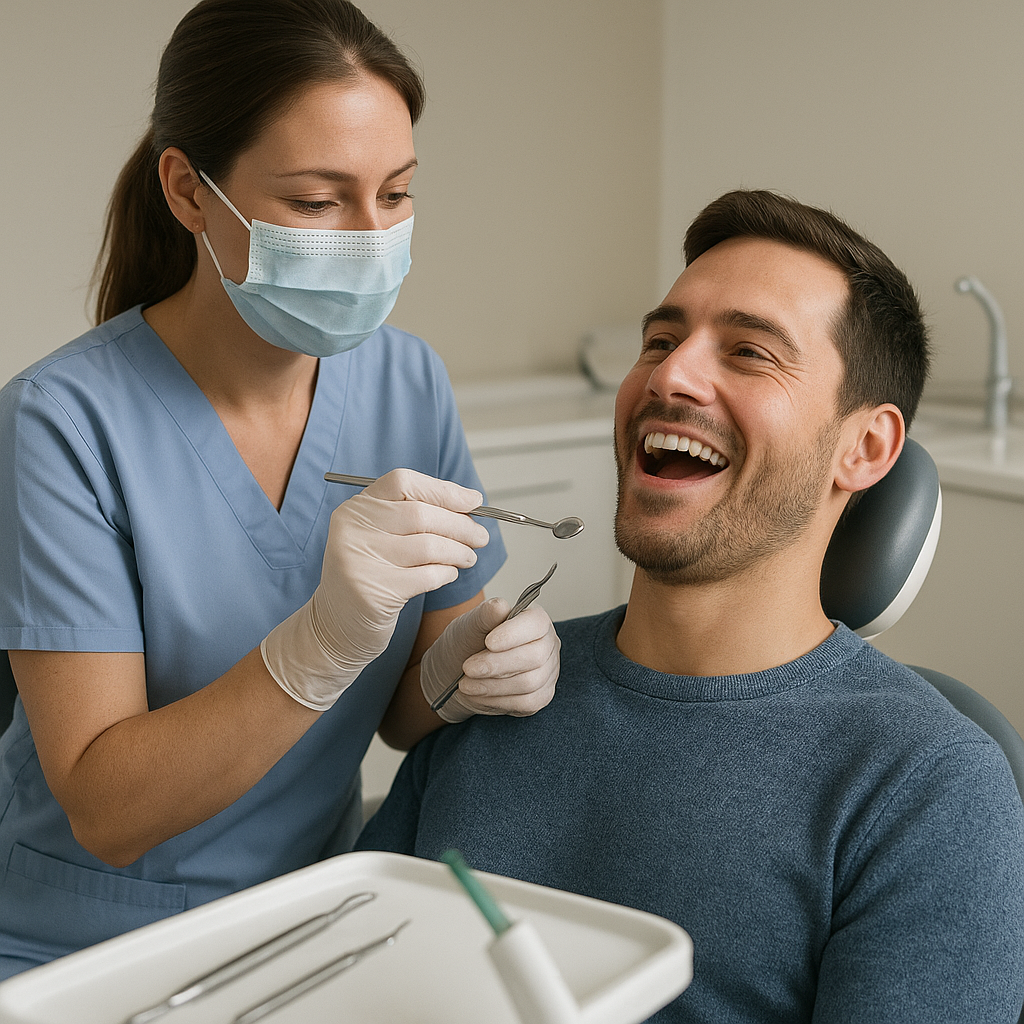
Regular visits to your dentist may seem like a minor expense at first glance, but over time they translate into significant savings and better overall health. By embracing the habit of routine cleanings, you can prevent small issues from becoming major financial burdens and enjoy long-term benefits for your oral health.
Financial Benefits of Routine Care
Investing in professional dental cleanings every six months might appear like an added cost, yet it’s one of the most cost-effective strategies available. Small preventive expenses today can help you sidestep expensive procedures tomorrow. Consider these points:
- Early detection of tooth decay prevents full-blown cavities that require fillings.
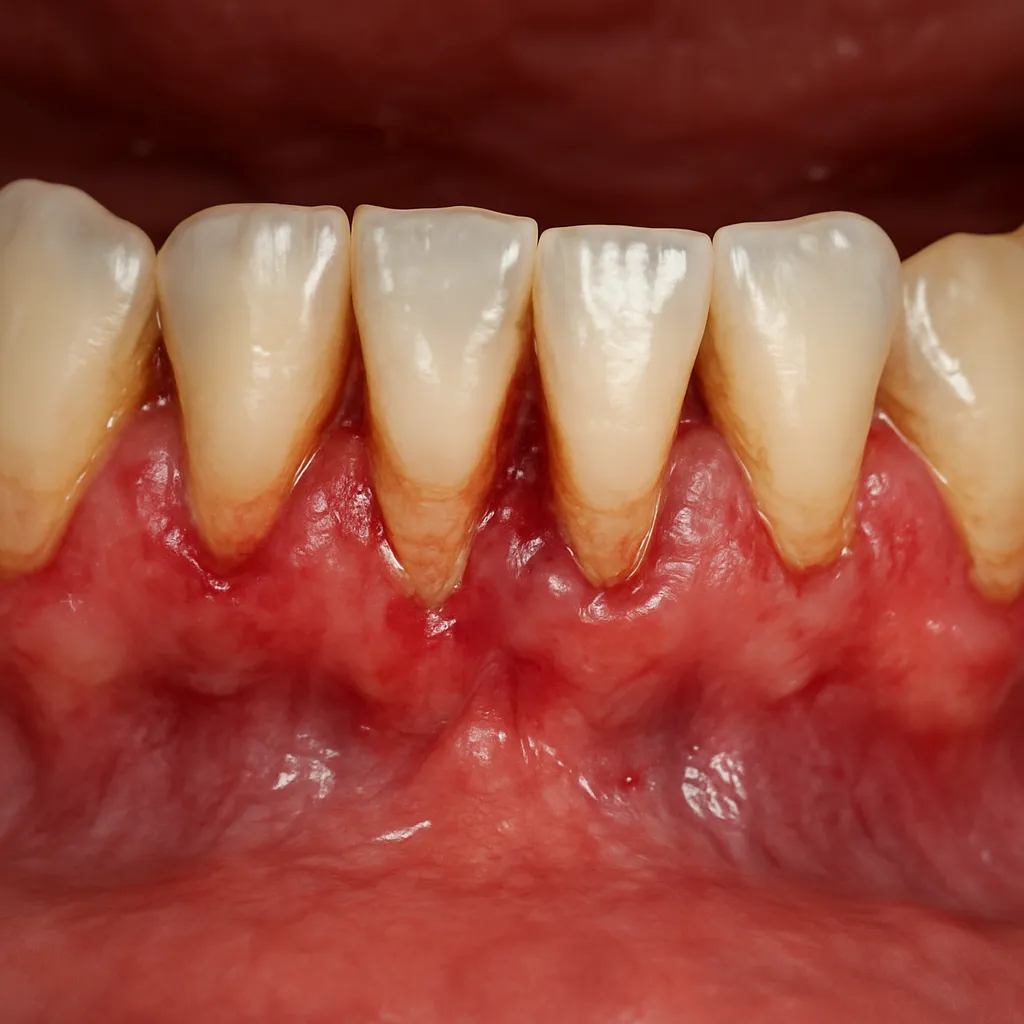
- Regular plaque removal reduces the chance of gingivitis progressing to serious periodontal disease.
- Routine checkups allow dentists to spot irregularities such as enamel wear or cracked teeth well before emergency intervention is needed.
- Many clinics offer discounted rates for patients adhering to a biannual cleaning schedule, effectively lowering your annual outlay.
How Small Costs Add Up
Skipping a cleaning that costs around $100-$200 could lead to a filling priced at $150-$300, a root canal ranging from $700-$1,200, or even a crown exceeding $1,000. By paying a modest fee every six months, you maintain a preventive buffer that keeps major procedures at bay.
Avoiding Expensive Treatments Through Maintenance
When plaque and tartar accumulate, they create an environment where bacteria thrive. That bacterial activity triggers inflammation, infections, and eventually structural damage to teeth and gums. Scheduling regular visits for professional cleaning helps break this chain of events.
Preventing Cavities and Fillings
Preventive cleanings remove hardened deposits that brushing and flossing at home alone cannot eliminate. This reduces acid production, which leads to demineralization and ultimately cavities. The result? Fewer fillings, fewer discomfort episodes, and less time spent in the dentist’s chair.
- Tartar elimination protects enamel integrity.
- Fluoride treatments provided during visits strengthen teeth against decay.
- Early sealant application further guards vulnerable chewing surfaces.
Stopping Gum Disease Before It Starts
Gingivitis, the earliest form of gum disease, can often be reversed with professional intervention. If left untreated, it evolves into irreversible periodontal disease requiring deep cleaning (scaling and root planing) and possibly surgery. The costs skyrocket from a routine $100 cleaning to thousands for surgical care and follow-up.
Impact on Insurance and Out-of-Pocket Costs
Many dental insurance plans fully cover two cleanings per year, viewing them as a necessity rather than an elective procedure. By adhering to this schedule, you maximize your benefits and minimize what you pay out-of-pocket.
Maximizing Insurance Benefits
- Routine cleanings are often at 100% coverage, with no deductible.
- Diagnostic exams and X-rays paired with cleanings can be fully or partially covered.
- Some plans include teen and pediatric orthodontic evaluations at no extra cost.
Reducing Co-pays and Deductibles
Missing covered cleanings means forfeiting benefits that do not roll over. You might end up paying full price for a filling or extraction that could have been prevented. Staying on schedule ensures you never miss out on covered services.
Additional Health Benefits with Economic Influence
Oral health is intrinsically linked to overall well-being. Poor dental hygiene has been associated with systemic conditions like diabetes, cardiovascular disease, and even respiratory infections. Addressing dental issues early spares you from additional medical expenses in other areas.
Lower Medical Bills
Controlling gum inflammation can improve blood sugar regulation in diabetics, potentially reducing medication needs. Minimizing chronic dental infections cuts related physician visits and antibiotic courses. Thus, you gain both health and savings beyond the dentist’s office.
Enhanced Quality of Life
- Pain-free chewing and clear speech improve daily functioning.
- Regular cleanings support fresh breath and confident social interactions.
- Early identification of oral cancer during routine checks can be lifesaving.
Practical Tips for Maximizing Your Investment
To extract the greatest value from your dental care routine, consider these actionable steps:
- Schedule your next appointment before leaving the office—setting future dates helps you stay on track.
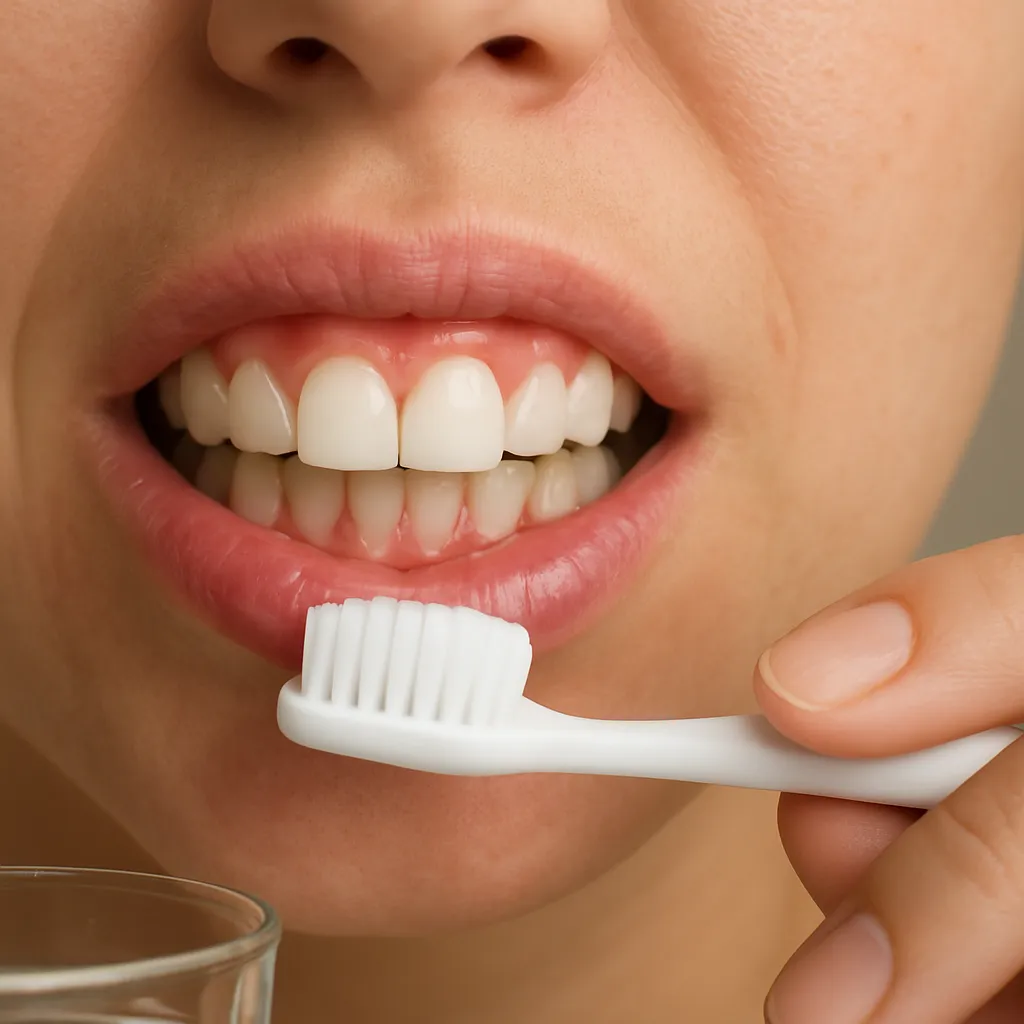
- Maintain a thorough at-home regimen: brush twice daily with fluoride toothpaste and floss once daily.
- Look for practices offering membership plans or bundled services at reduced rates.
- Ask about in-office promotions on whitening or sealant add-ons during your cleaning visit.
- Communicate any sensitivity or discomfort early so your provider can tailor preventive measures effectively.
By viewing regular dental cleanings as a wise investment rather than an expense, you secure both financial and health dividends. Emphasizing prevention now pays off exponentially by reducing the need for pricey restorative care, ensuring your smile and your wallet stay in top condition.