Managing tooth sensitivity requires a combination of proper oral hygiene, dietary adjustments, and timely professional care. Individuals experiencing brief, sharp pains when consuming hot, cold, sweet, or acidic substances often struggle with daily comfort. Understanding the underlying mechanisms and adopting targeted strategies can alleviate discomfort and protect long-term dental health.
Understanding Tooth Sensitivity
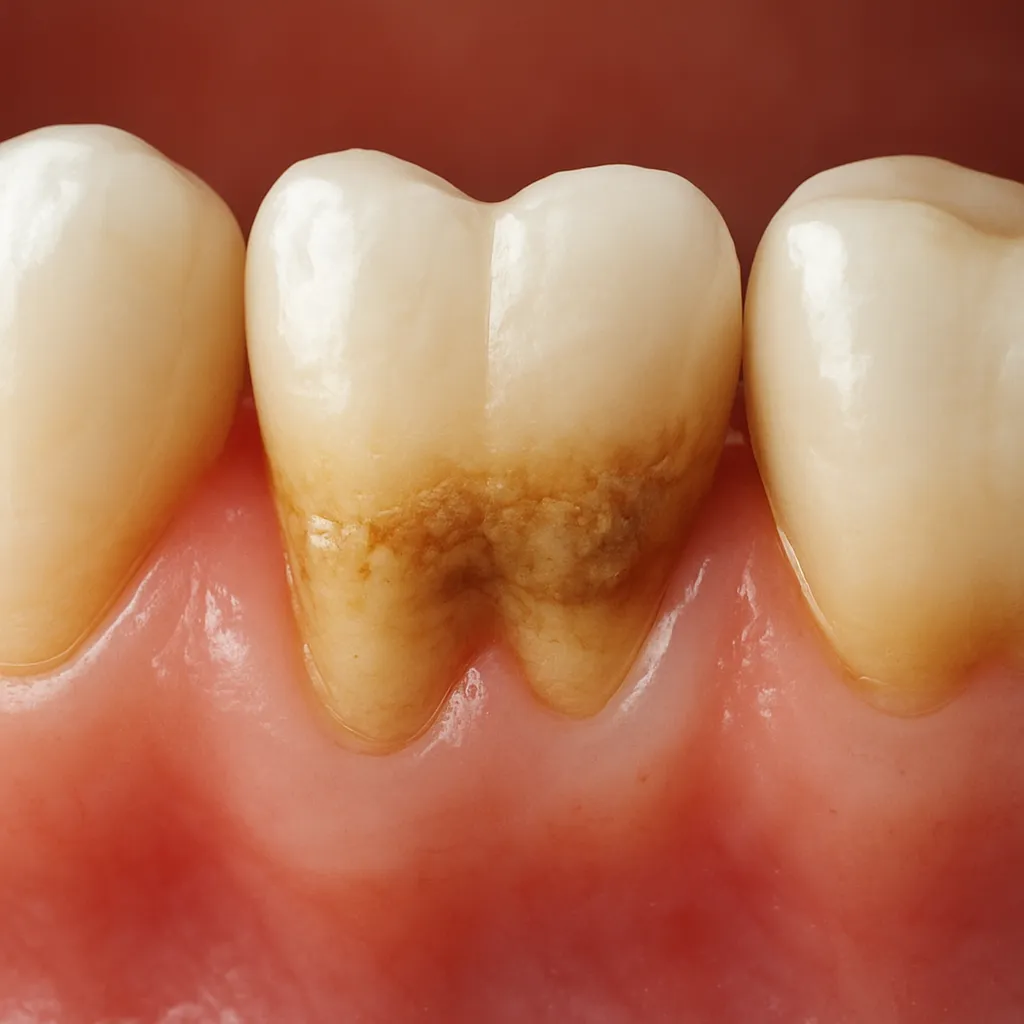
Tooth sensitivity, also known as dentin hypersensitivity, arises when the protective enamel layer thins or the gum tissue recedes, exposing the underlying dentin. Tiny channels, called tubules, run through dentin to the nerve centers of the tooth. When these tubules are exposed, stimuli like temperature changes or acidic foods can trigger pain. Recognizing causes and risk factors is the first step in effective management.
Common Causes of Hypersensitivity
- Gum recession: Brushing too hard or periodontal disease can pull gums away from teeth, exposing roots.
- Abrasive toothpaste: Highly abrasive formulas can wear down enamel over time.
- Acidic diet: Frequent consumption of citrus fruits, sodas, or sports drinks lowers the pH in the mouth, softening enamel.
- Teeth grinding (bruxism): Excessive pressure fractures enamel and irritates nerves.
- Dental procedures: Teeth whitening or recent cleanings may temporarily heighten sensitivity.
Symptoms to Monitor
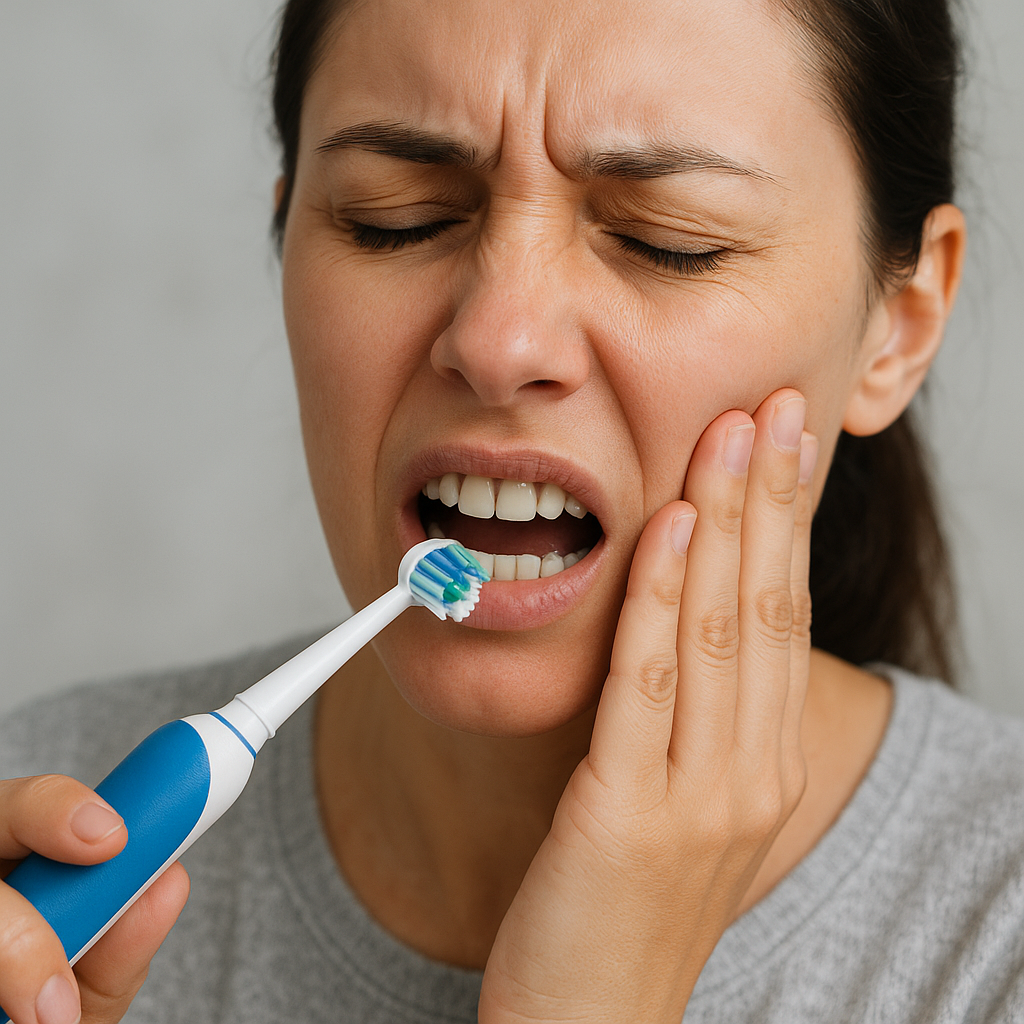
- Instant, sharp discomfort when eating or drinking hot, cold, sweet, or sour items.
- Pain triggered by cold air exposure, especially while breathing through the mouth.
- Discomfort during brushing or flossing along the gumline.
Effective Daily Care Routines
Adopting a gentle yet comprehensive oral hygiene regimen can significantly reduce sensitivity. The goal is to strengthen enamel, seal open tubules, and maintain healthy gums without exacerbating wear.
Selecting the Right Toothpaste
- Use a desensitizing toothpaste formulated with potassium nitrate or stannous fluoride to block nerve signals within dentin tubules.
- Avoid abrasive whitening or tartar-control formulas that may strip enamel. Check the RDA (Relative Dentin Abrasivity) rating: aim for less than 70.
Optimal Brushing and Flossing Techniques
- Choose a soft-bristled toothbrush to minimize gum irritation and enamel abrasion.
- Brush with gentle, circular motions for two minutes twice a day, focusing on gum margins without pressing too hard.
- Floss daily to remove plaque and prevent gingival recession that can expose root surfaces.
Rinsing and Additional Aids
- Use a fluoride mouthwash to help remineralize enamel and fortify weakened areas.
- Consider sealants or natural remineralization rinses containing calcium phosphate compounds.
- Chew sugar-free gum with xylitol to stimulate saliva flow and neutralize acids.
Dietary and Lifestyle Adjustments
Nutrition and habits play a pivotal role in preventing further enamel deterioration. Simple tweaks can yield long-lasting relief.
Modifying Food Choices
- Limit dietary acids by reducing citrus fruits, tomatoes, pickles, and carbonated beverages.
- When consuming acidic items, pair them with water or dairy products like cheese to balance mouth pH.
- Avoid extremely hot or cold foods back-to-back, allowing temperature-sensitive teeth time to acclimate.
Hydration and Saliva Management
- Drink plenty of water throughout the day to wash away acids and maintain adequate saliva production.
- For dry mouth sufferers, use clinically tested saliva substitutes or lozenges to keep tissues lubricated and acidic exposure low.
Stress and Bruxism Control
- Practice stress-reduction techniques such as yoga, meditation, or deep-breathing exercises to minimize unconscious teeth grinding.
- Consider a custom-fitted night guard from your dentist to protect enamel from bruxism damage.
Professional Treatments and Preventive Measures
When home care alone does not suffice, dental professionals offer a range of therapy options to address severe sensitivity and prevent progression of dental issues.
In-Office Procedures
- Fluoride Varnish or Gel: High-concentration fluoride applications strengthen enamel and block tubules.
- Desensitizing Agents: Agents like silver diamine fluoride or bonding resins can be applied directly to sensitive areas.
- Laser Therapy: Certain laser treatments can seal dentin tubules and reduce nerve excitability.
- Gum Grafting: In cases of severe recession, soft tissue grafts cover exposed roots and restore protection.
At-Home Prescription Solutions
- Custom Desensitizing Trays: Dentists may provide trays filled with professional-strength gel for nightly use.
- High-Fluoride Toothpaste: Prescription-strength formulas (5,000 ppm fluoride) for daily brushing under professional guidance.
Regular Checkups and Maintenance
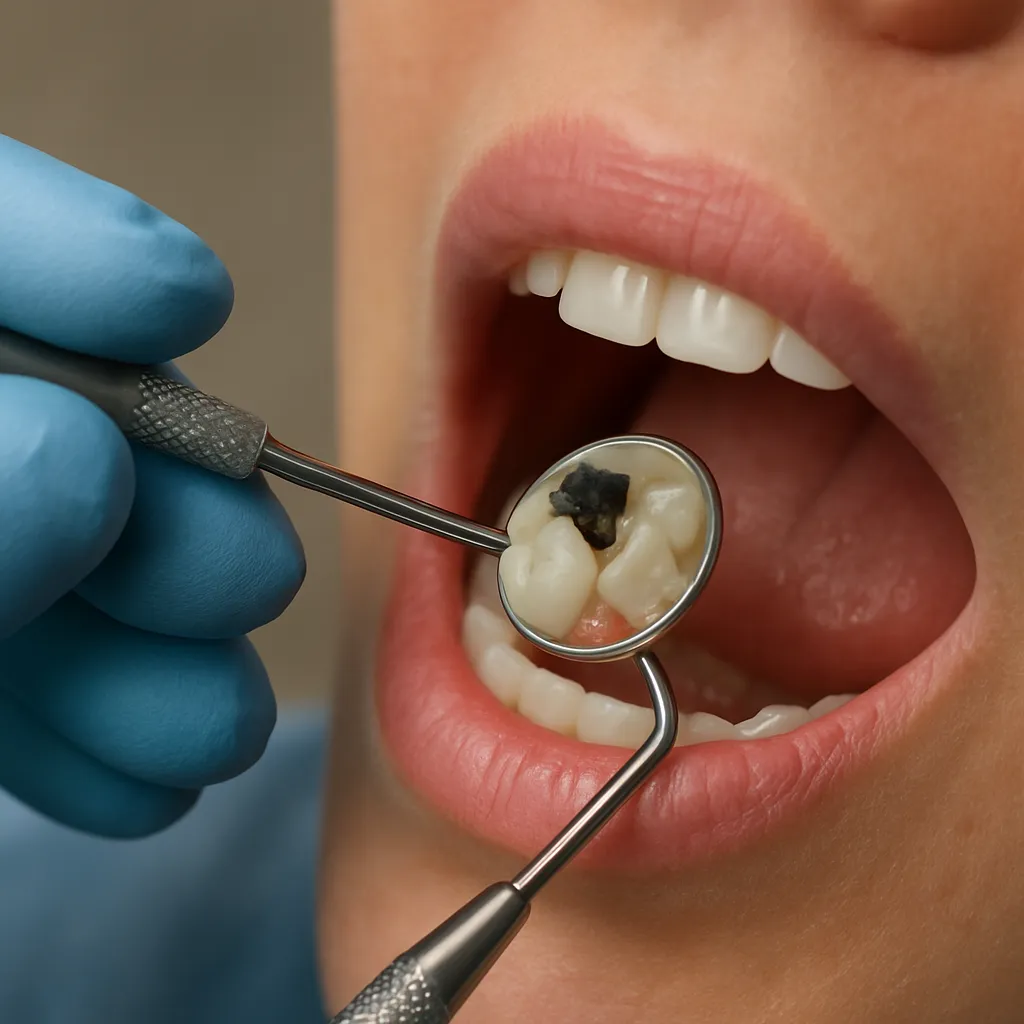
- Schedule biannual dental cleanings to monitor enamel wear, gum health, and early signs of cavities.
- Discuss any changes in sensitivity or diet to adjust preventive plans promptly.
- Receive personalized advice on oral appliances, home care products, and advanced treatments tailored to evolving needs.
Emerging Innovations in Sensitivity Care
Research continues to unveil novel approaches that target sensitivity at the molecular level. From biomimetic remineralization agents mimicking natural enamel to nanotechnology-based tubule sealants, future interventions promise faster relief with minimal invasiveness. Staying informed about clinical breakthroughs allows patients to explore advanced options under professional supervision.
Building a Sustainable Oral Health Strategy
Long-term success hinges on consistent application of recommended practices. By combining effective daily routines, mindful dietary habits, and proactive professional care, individuals can reclaim comfort and protect their teeth from further damage. Sensitivity need not dictate everyday life; with the right knowledge and support, a pain-free, healthy smile is fully attainable.