Tooth decay represents one of the most widespread oral health issues across all age groups. Understanding the interplay of bacteria, diet, and daily habits is crucial for maintaining a robust smile. This article explores the primary factors behind tooth decay and outlines practical measures to safeguard your oral health.
Understanding the Causes of Tooth Decay
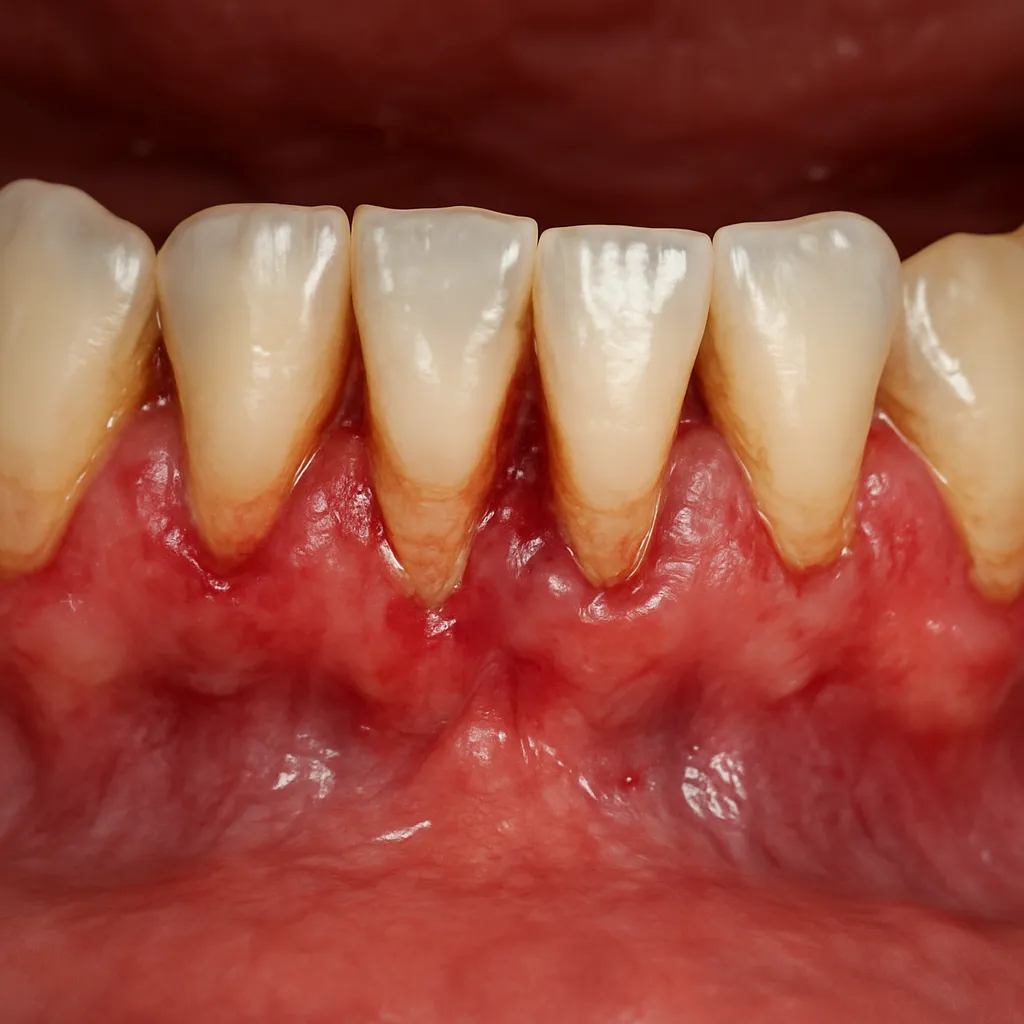
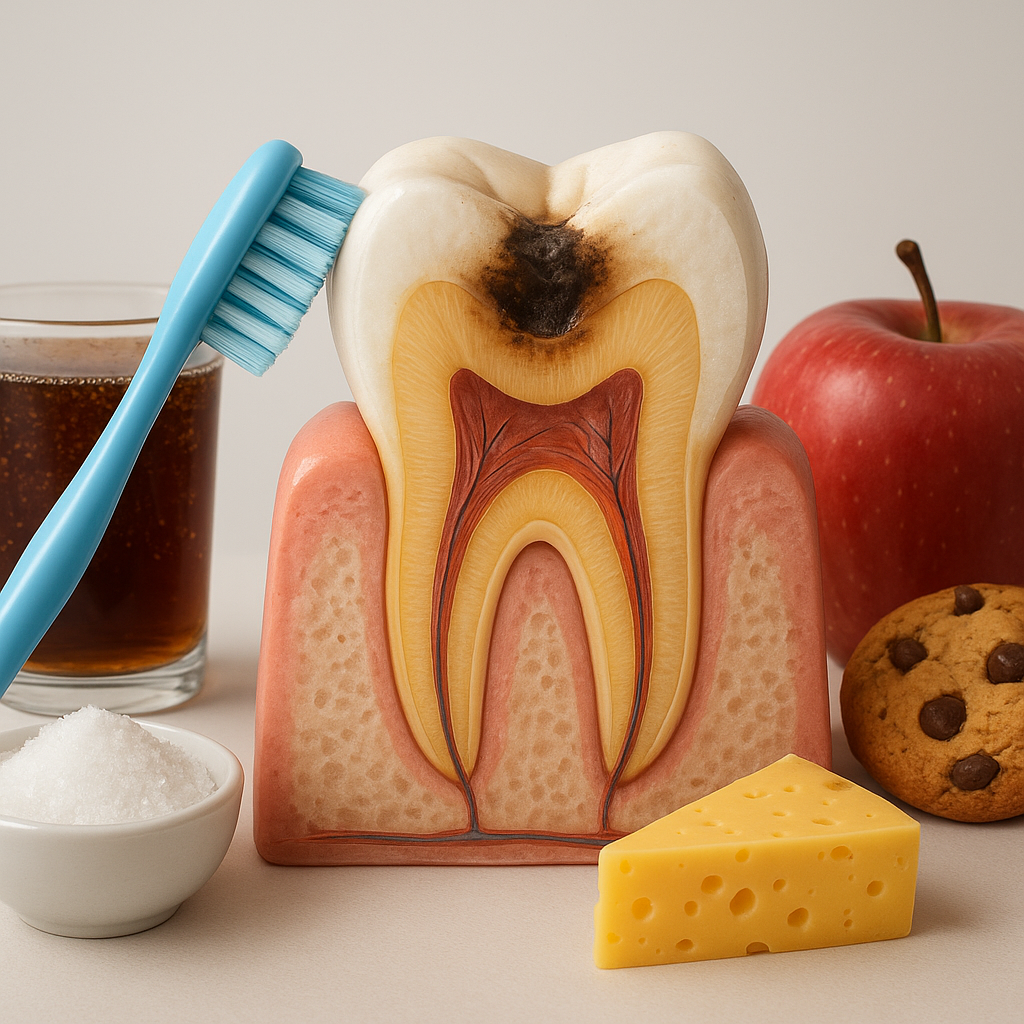
At the core of tooth decay lies the bacteria that naturally inhabit our mouths. When these microorganisms metabolize sugars from the foods and drinks we consume, they produce acids that attack the enamel, the hard outer layer of the teeth. As the enamel weakens, microscopic holes appear, leading to the formation of a cavity. Several factors exacerbate this process:
- Plaque Formation: A sticky biofilm that adheres to the tooth surface, harboring acid-producing bacteria.
- Frequency of Acid Attacks: Snacking or sipping sugary beverages throughout the day provides a constant substrate for bacterial metabolism.
- Saliva Composition: Saliva contains minerals like calcium and phosphate that help remineralize enamel, but reduced flow or altered composition can compromise this defense.
- Compromised Dental Restorations: Worn or poorly fitting fillings can create niches for bacterial accumulation.
Over time, untreated cavities can progress deeper into the tooth, reaching the dentin and the innermost pulp, potentially causing severe infection, pain, and even tooth loss.
Essential Oral Hygiene Practices
Maintaining a consistent oral hygiene routine is fundamental to halting the progression of decay. Effective practices include:
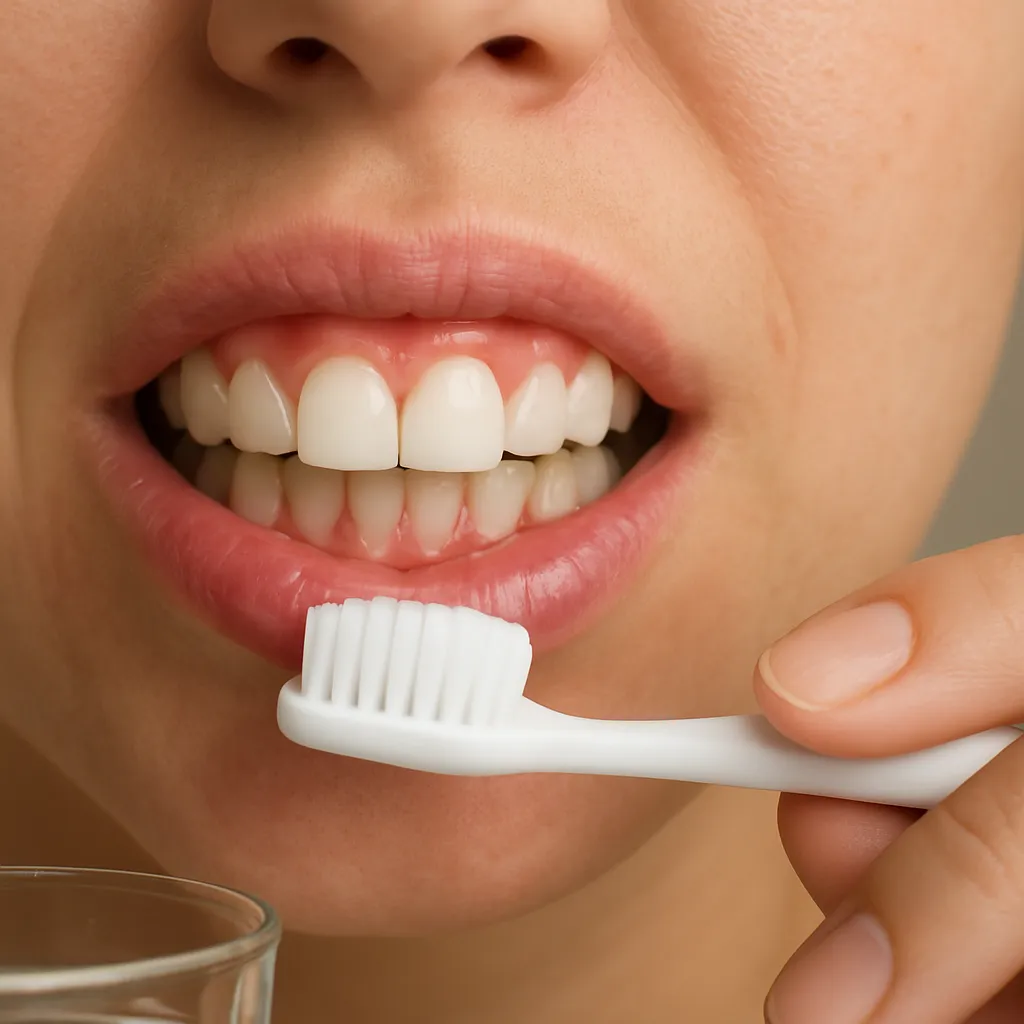
- Brushing Twice Daily: Use a soft-bristled toothbrush and fluoride toothpaste to remove plaque before it hardens into tartar.
- Flossing Daily: Reach the interdental spaces where brushes cannot penetrate, preventing bacterial buildup between teeth.
- Mouthwash: An antimicrobial rinse can reduce bacterial load and freshen breath. Look for formulations containing fluoride or chlorhexidine for additional protection.
- Toothbrush Replacement: Change your toothbrush every three months or sooner if bristles are frayed.
Incorporating proper brushing techniques—such as angling the brush at 45 degrees toward the gum line—ensures thorough cleaning without damaging the gums. Neglecting any of these steps allows plaque to mature and solidify, making it more difficult to remove and increasing the risk of cavities.
Dietary Influences and Lifestyle Habits
What you eat and drink plays a pivotal role in either promoting or preventing tooth decay. Consider these dietary factors:
Sugar Consumption
Sugary foods and sugary drinks—such as candies, sodas, and fruit juices—are primary culprits because they fuel acid production by harmful bacteria. Even seemingly “healthy” snacks like dried fruits contain concentrated sugars that can be detrimental when consumed frequently.
Acidic Beverages
Acidic liquids, including citrus juices, sports drinks, and wine, can erode enamel directly, making teeth more susceptible to decay. It’s advisable to limit intake and rinse with water after consumption.
Protective Foods
Conversely, foods rich in nutrition—such as crunchy vegetables, cheese, and nuts—stimulate saliva flow, helping to neutralize acids and deliver minerals back to teeth. Drinking water throughout the day supports saliva production and assists in clearing residual food particles.
Lifestyle factors also influence oral health. Smoking and excessive alcohol intake can impair salivary glands, reduce natural defenses, and contribute to gum disease, further complicating the fight against decay.
Professional Interventions and Preventive Strategies
Regular dental visits are indispensable for early detection and intervention. Dental professionals employ several strategies to strengthen teeth and prevent decay:
- Fluoride Treatments: In-office fluoride varnishes or gels provide a high-concentration boost, promoting enamel remineralization.
- Dental Sealants: A thin, protective coating applied to the chewing surfaces of molars to block out food particles and acids.
- Professional Cleanings: Removal of hardened tartar and plaque ensures that bacteria cannot colonize untreated areas.
- Radiographic Assessments: X-rays reveal hidden decay between teeth or beneath existing restorations, enabling timely treatment.
For individuals with high risk—such as those with dry mouth conditions or a history of frequent cavities—customized preventive plans may include prescription-strength fluoride toothpastes, antimicrobial gels, or more frequent recall visits. Educating patients on proper technique and reinforcing positive hygiene behaviors further enhances long-term outcomes.
Empowering Patients through Education
Effective prevention hinges on patient engagement. Dentists and hygienists should:
- Provide hands-on demonstrations of brushing and flossing methods.
- Discuss the cariogenic potential of commonly consumed foods and suggest healthier alternatives.
- Offer personalized feedback based on individual risk factors, such as salivary flow and oral microbiome composition.
- Encourage the use of digital tools or apps to track habits and set reminders for oral care routines.
When patients understand the mechanisms of tooth decay and feel supported in making incremental changes, they are more likely to adopt lasting, protective habits.
Conclusion: Building a Foundation for Lifelong Oral Health
Preventing tooth decay requires a multifaceted approach that addresses bacterial activity, enamel resilience, dietary patterns, and professional care. By integrating thorough daily hygiene, mindful nutrition, and regular dental check-ups, individuals can significantly reduce their risk of cavities and preserve their natural dentition well into later years. Empowerment through education and collaboration with dental professionals remains the cornerstone of a healthy, decay-free smile.