Wearing a set of removable dentures can restore your smile and improve your ability to eat and speak. Proper care not only helps maintain a natural appearance but also extends the lifespan of your prosthetic appliance. This guide offers practical advice for every aspect of denture maintenance, from daily cleaning routines to lifestyle adjustments, helping you achieve optimal oral health and comfort.
Daily Denture Cleaning and Maintenance
Consistent cleaning of your dentures is essential to remove food particles, prevent plaque buildup, and eliminate odor-causing bacteria. Follow these steps each morning and evening to keep your prosthesis in top condition:
Brushing Dentures
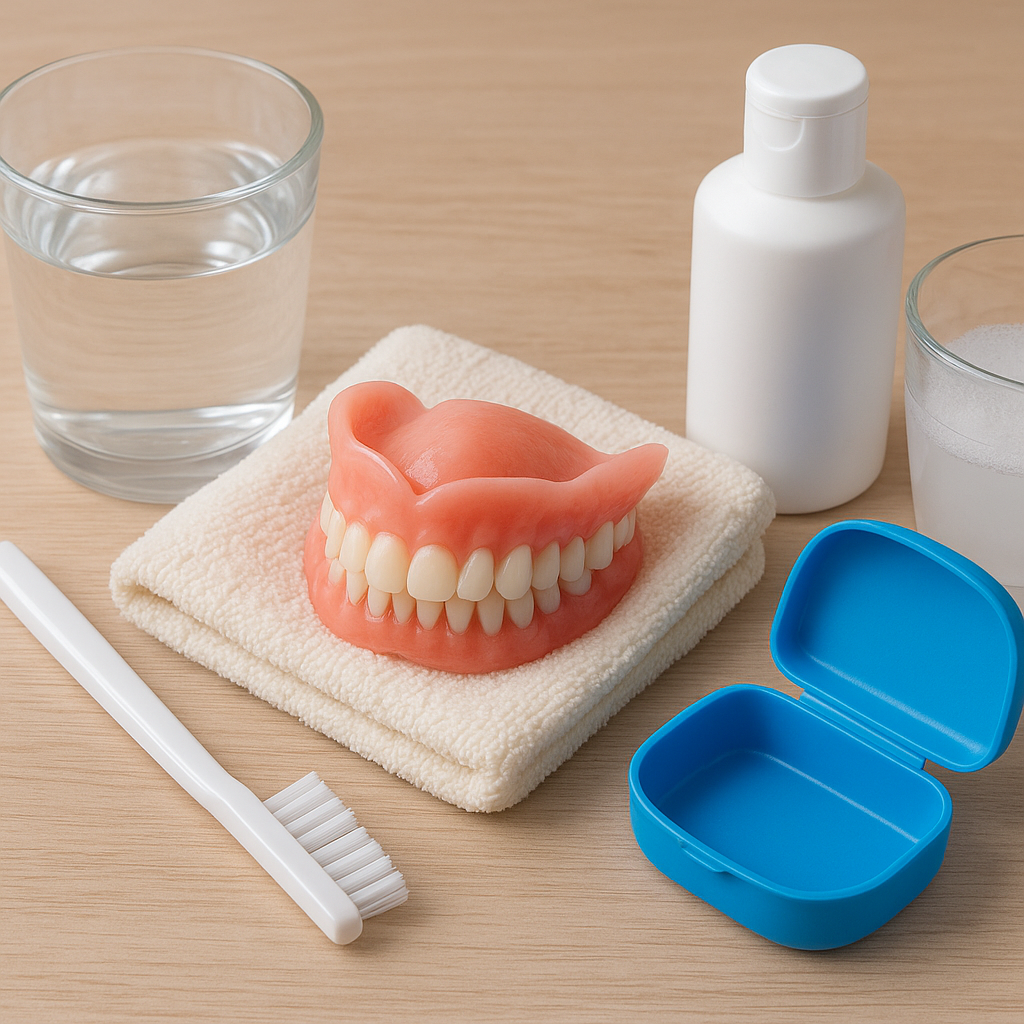
- Use a soft-bristled denture brush or a toothbrush dedicated solely to your appliance. Never use household brushes or an abrasive cleaner.
- Apply a non-abrasive denture cleanser or a mild dish soap; avoid whitening toothpaste or any abrasive powders that can scratch the surface.
- Gently brush all surfaces, including the grooves that fit against your gums and the underside where food debris often hides.
- Rinse thoroughly under running water to remove any residual particles and cleanser.
Soaking Solutions
Overnight soaking helps disinfect and remove stains that brushing alone cannot handle. Select a denture soak approved by your dentist or pharmacist:
- Dissolve the tablet or use a liquid solution according to manufacturer’s instructions.
- Fully submerge the dentures to ensure even contact. Never allow them to dry out, as this can cause warping or cracking.
- After soaking, rinse again before placing them back in your mouth.
Proper Storage and Handling of Dentures
Correct storage protects the shape and durability of your appliance. Always store dentures in water or a specialized denture bath when not in use. Avoid scenarios that may lead to accidental damage:
- Keep them in a container with a secure lid to prevent contamination and accidental drops.
- Avoid hot water, which can distort acrylic bases and affect the fit.
- Never wrap dentures in tissues or paper towels; they can be thrown away unintentionally or develop micro-scratches.
- Regularly clean the storage container to prevent mold or bacterial growth.
Adhesives and Fit Management
While modern denture adhesives can enhance stability, relying on them excessively may signal that a professional adjustment is needed. Proper use of adhesive involves:
- Applying a thin, even layer. Too much adhesive can reduce suction and trap food particles.
- Choosing a product suitable for your specific denture type—cream, powder, or adhesive strips.
- Removing residual adhesive each day as part of your cleaning routine to maintain effective bonding.
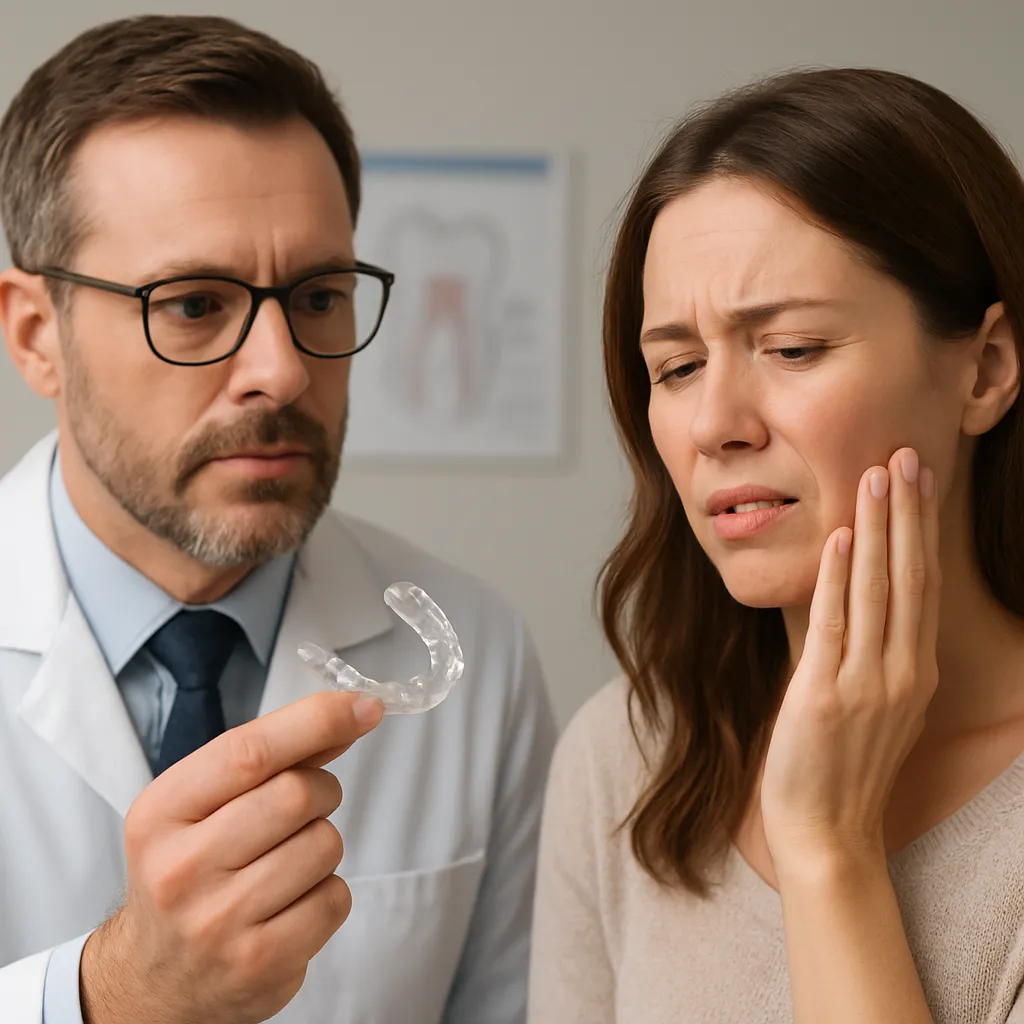
If your dentures become loose, cause soreness, or require frequent reapplication of adhesive, schedule an appointment. Periodic adjustments by a qualified dentist ensure a comfortable fit and help prevent sore spots or infection.
Oral Health and Lifestyle Tips for Denture Wearers
Maintaining overall oral hygiene goes beyond caring for the prosthesis itself. A healthy mouth supports your dentures’ performance and helps prevent complications:
- Brush your tongue, cheeks, and remaining natural teeth twice daily to remove plaque and stimulate circulation in the soft tissues.
- Use a soft toothbrush or a gauze pad to gently massage your gums and palate before wearing dentures.
- Stay hydrated; a dry mouth can reduce suction and increase the risk of irritation.
- Follow a balanced diet rich in vitamins and minerals to support tissue health. Opt for softer foods if you experience initial discomfort, then gradually reintroduce firmer textures.
- Avoid extremely hot or sticky foods that may compromise the fit or cause warping over time.
Regular dental checkups allow early detection of issues such as gum recession, bone resorption, or changes in the denture base. Your dentist can recommend supplemental care like fluoride rinses or antimicrobial mouthwashes to further protect soft tissues.
Common Mistakes to Avoid When Caring for Dentures
Avoiding pitfalls in your denture routine ensures greater comfort and fewer emergencies. Common errors include:
- Using hot water or harsh chemicals—this can warp or discolor the prosthesis.
- Skipping nightly removal and cleaning, which leads to plaque buildup and potential infection.
- Ignoring minor cracks or chips. Small flaws can harbor bacteria or quickly worsen into larger breaks.
- Relying solely on adhesive instead of seeking timely professional adjustments for looseness or sores.
- Storing dentures dry between wears, which may result in dehydration and dimensional changes.
By steering clear of these mistakes and adhering to a comprehensive care plan, you’ll enjoy your dentures with confidence and maintain optimal oral wellness for years to come.