Preventive dentistry represents a proactive approach that focuses on maintaining oral health before issues arise. By integrating routine checkups, patient education, and tailored treatment plans, dentists can reduce the risk of cavities, gum disease, and more serious complications. This article explores why investing in prevention yields benefits for individuals and communities alike.
Importance of Preventive Dentistry
Emphasizing prevention instead of reacting to problems after they occur can transform the way we think about dental care. Rather than waiting for pain or discomfort to prompt a visit, patients engage in habits that preserve the integrity of teeth and gums, promoting a higher quality of life.
Long-Term Health Benefits
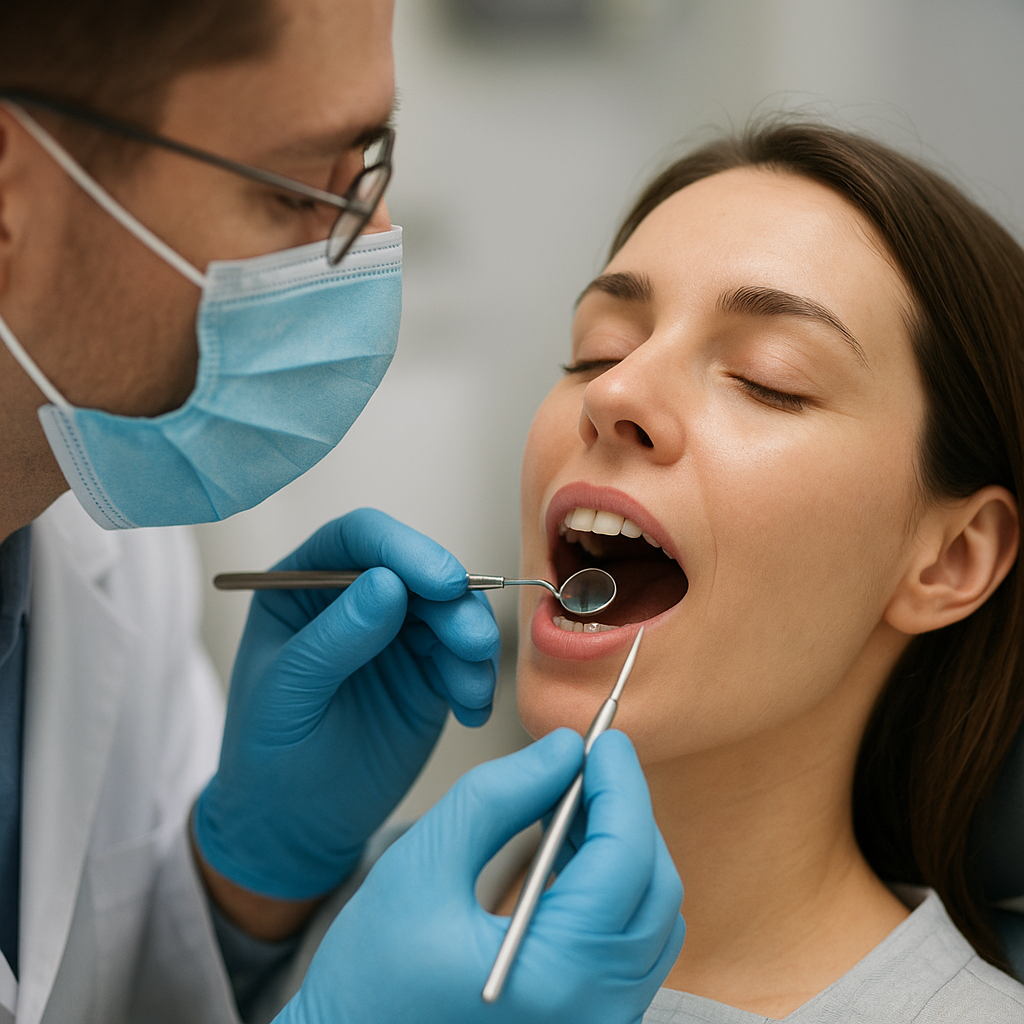
Consistent preventive measures ensure that minor issues are identified and addressed early. For example, routine dental checkups allow clinicians to spot enamel erosion, early-stage tooth decay, or soft tissue abnormalities. Prompt intervention can halt progression, avoiding more invasive procedures like root canals or extractions.
Economic Advantages
Many overlook the cost-effective nature of prevention. Treating advanced dental conditions demands extensive lab work, specialized materials, and multiple appointments—resulting in higher bills for patients and insurers. Conversely, fluoride treatments, dental sealants, and patient coaching incur minimal costs while offering substantial returns in terms of disease avoidance.
Common Preventive Practices
Successful preventive dentistry relies on a combination of professional services and daily routines. Below are core habits and interventions that underpin an effective prevention program:
- Regular cleanings and exams every six months
- Professional fluoride applications to strengthen enamel
- Placement of sealants on molars to block bacteria
- Oral hygiene instruction: proper brushing and flossing techniques
- Dietary counseling to reduce sugar and acidic food consumption
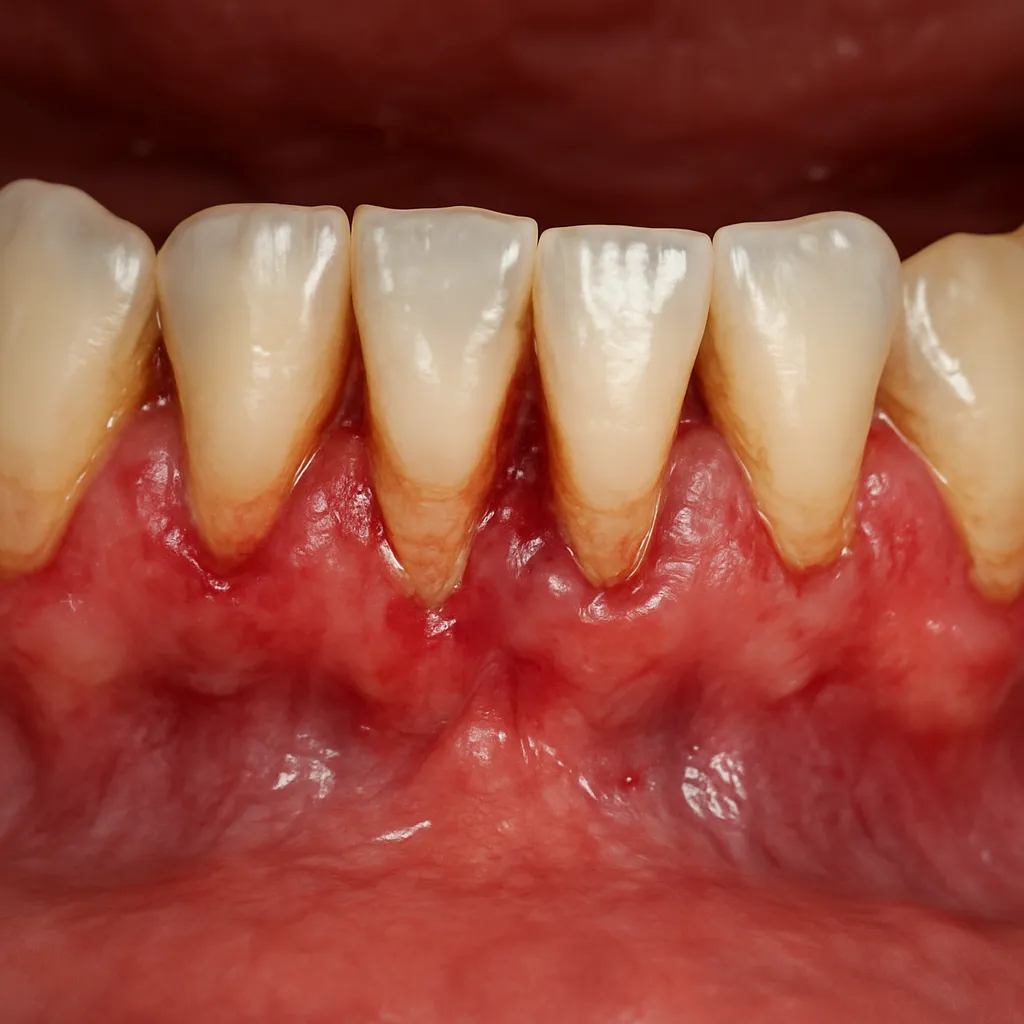
- Risk assessment for gum disease, including periodontal screenings
Home Care Essentials
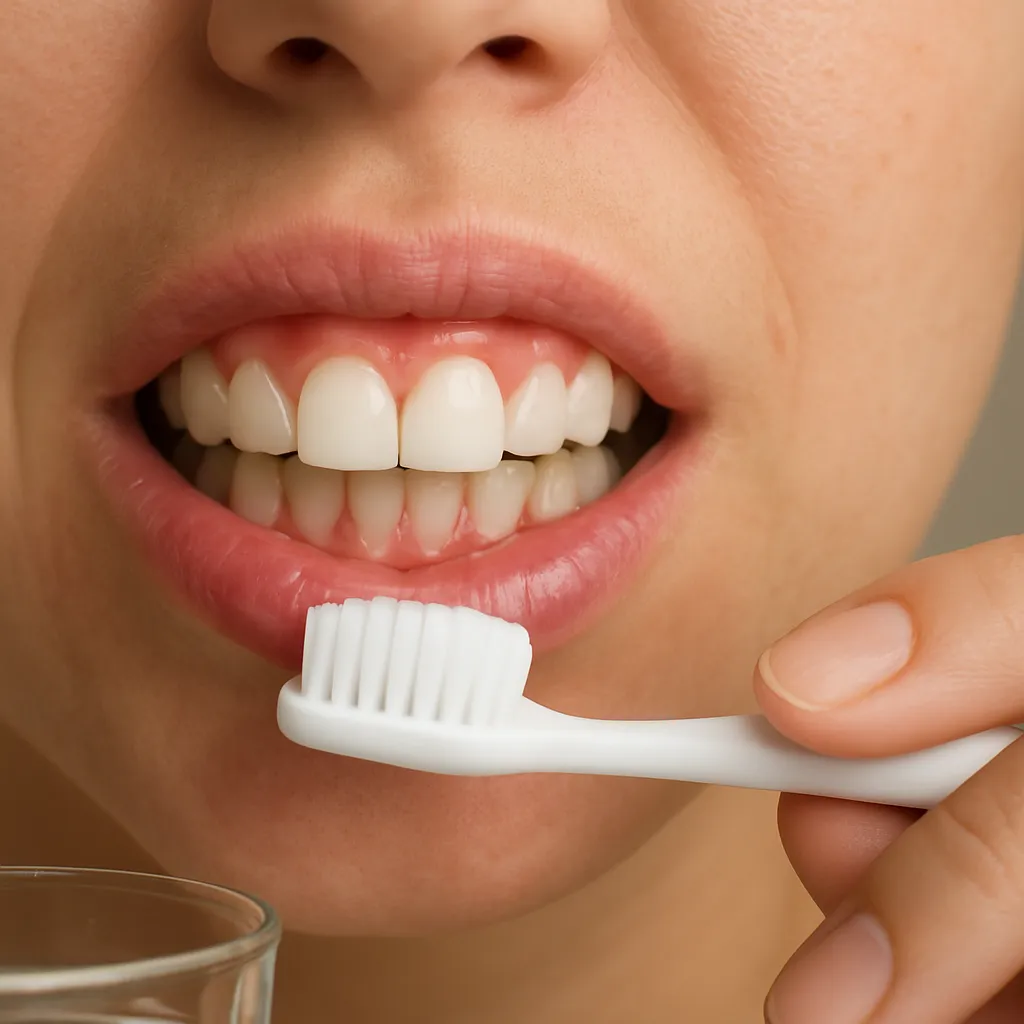
A strong daily routine comprises brushing twice a day with a fluoride-infused toothpaste, flossing to remove interdental plaque, and using mouthwash when recommended. These actions disrupt bacterial biofilms that lead to cavities and inflammation.
Professional Interventions
Beyond home care, dentists provide services like scaling and root planing to clean below the gumline, eliminating deposits that toothbrushes cannot reach. Oral cancer screenings during routine visits help with early detection, potentially saving lives by identifying malignancies at a treatable stage.
Role of Dental Professionals
Dentists, dental hygienists, and assistants form a multidisciplinary team dedicated to patient-centered preventive care. Their responsibilities include comprehensive evaluations, patient education, and customized treatment plans.
Detailed Risk Assessments
Each patient’s risk factors—genetics, diet, lifestyle habits, and systemic health—are analyzed to determine a personalized prevention strategy. For instance, smokers or patients with diabetes may require more frequent visits and specialized periodontal care.
Patient Education and Motivation
Effective communication is crucial. Dental professionals employ models, digital imaging, and interactive demonstrations to explain the impact of poor hygiene and the benefits of consistent care. Empowering patients with knowledge and setting achievable goals enhances adherence to preventive routines.
Advantages for Patients and Communities
Preventive dentistry transcends individual benefits, generating positive outcomes for public health and healthcare systems at large.
Reduced Disease Burden
Widespread adoption of preventive measures lowers the incidence of oral diseases. This shift alleviates pressure on hospital emergency departments, where untreated dental pain often leads to non-urgent visits.
Enhanced Quality of Life
Healthy teeth and gums support proper nutrition, clear speech, and self-confidence. Early interventions preserve natural dentition, preventing issues such as tooth loss, which can impair chewing function and alter facial structure over time.
Implementing Preventive Strategies
To achieve lasting success, both patients and dental teams must collaborate and remain committed to continuous improvement.
- Establish a recall system to remind patients of upcoming visits
- Leverage digital health records to track patient trends and outcomes
- Incorporate motivational interviewing techniques to foster behavior change
- Stay current with emerging research on probiotics, salivary diagnostics, and minimally invasive therapies
- Advocate for community water fluoridation and school-based sealant programs
By embracing these strategies, dental practices can position preventive dentistry at the forefront of patient care, ultimately delivering healthier smiles and reducing long-term costs.
Conclusion
Preventive dentistry offers a sustainable path toward optimal oral health. Through early detection, patient education, and routine maintenance, dental teams help individuals avoid complex procedures and maintain their natural dentition. As awareness grows, communities will benefit from decreased disease rates, improved well-being, and more efficient use of healthcare resources. Investing in prevention today promises healthier smiles and a brighter tomorrow.