Keeping your dental wellness in check during pregnancy is vital for both mother and child. With significant physiological shifts underway, understanding how to **hormonal** adjustments impact your teeth, gums, and overall oral health can help you navigate these changes smoothly. This article explores strategies to maintain strong, healthy teeth throughout your pregnancy journey.
Impact of Pregnancy on Oral Health
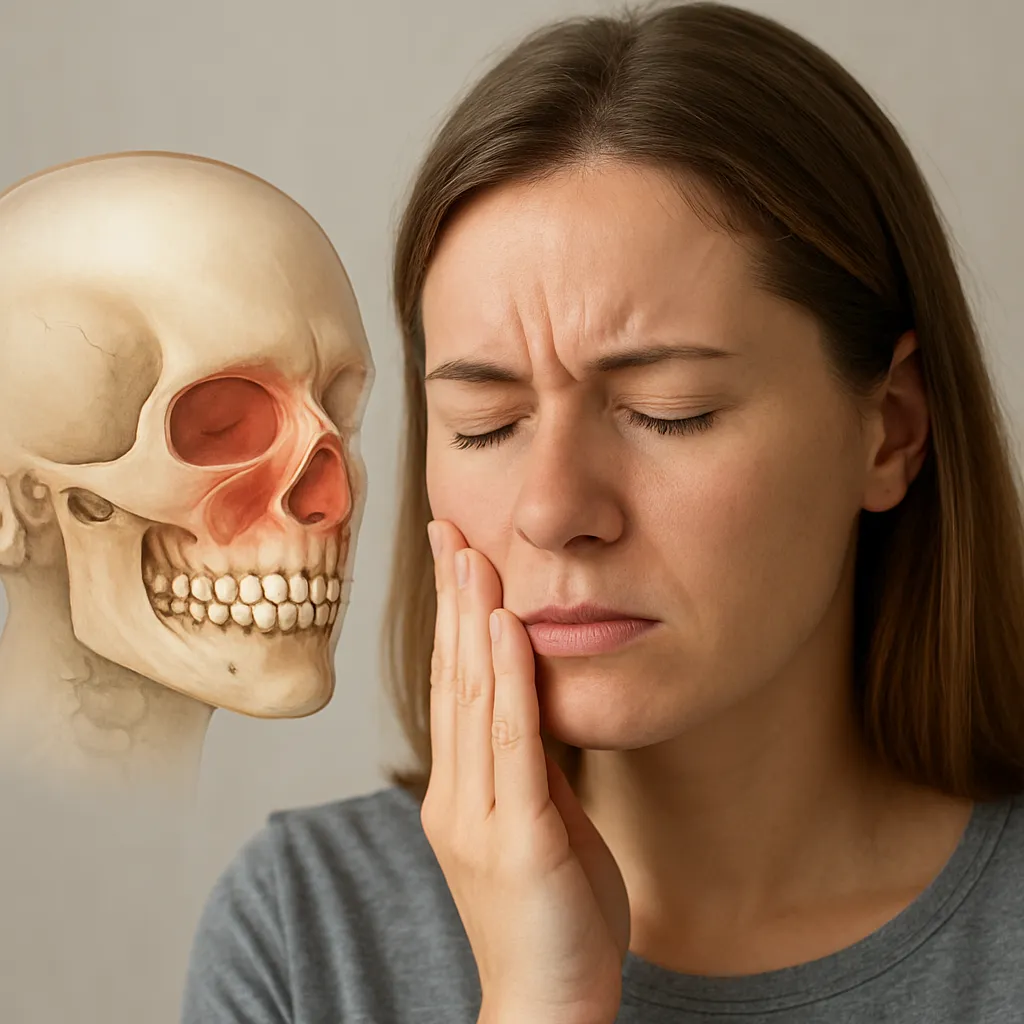
Pregnancy triggers a surge of hormones, leading to heightened blood flow and increased sensitivity in gum tissues. These changes create an environment where **bacteria** and **plaque** can flourish more readily, raising the risk of gum inflammation and tooth decay.
Pregnancy Gingivitis
One of the most common conditions is **gingivitis**, marked by red, swollen, or bleeding gums. It typically emerges in the second trimester and, if untreated, can escalate to more severe periodontal disease.
Pregnancy Tumors and Gingival Overgrowth
Localized overgrowths of gum tissue—often called pregnancy tumors—can develop due to hormonal fluctuations. Although benign, they may cause discomfort and interfere with chewing or brushing if they enlarge.
Establishing an Effective Oral Hygiene Routine
A consistent and thorough routine is your first line of defense against oral health issues during pregnancy.
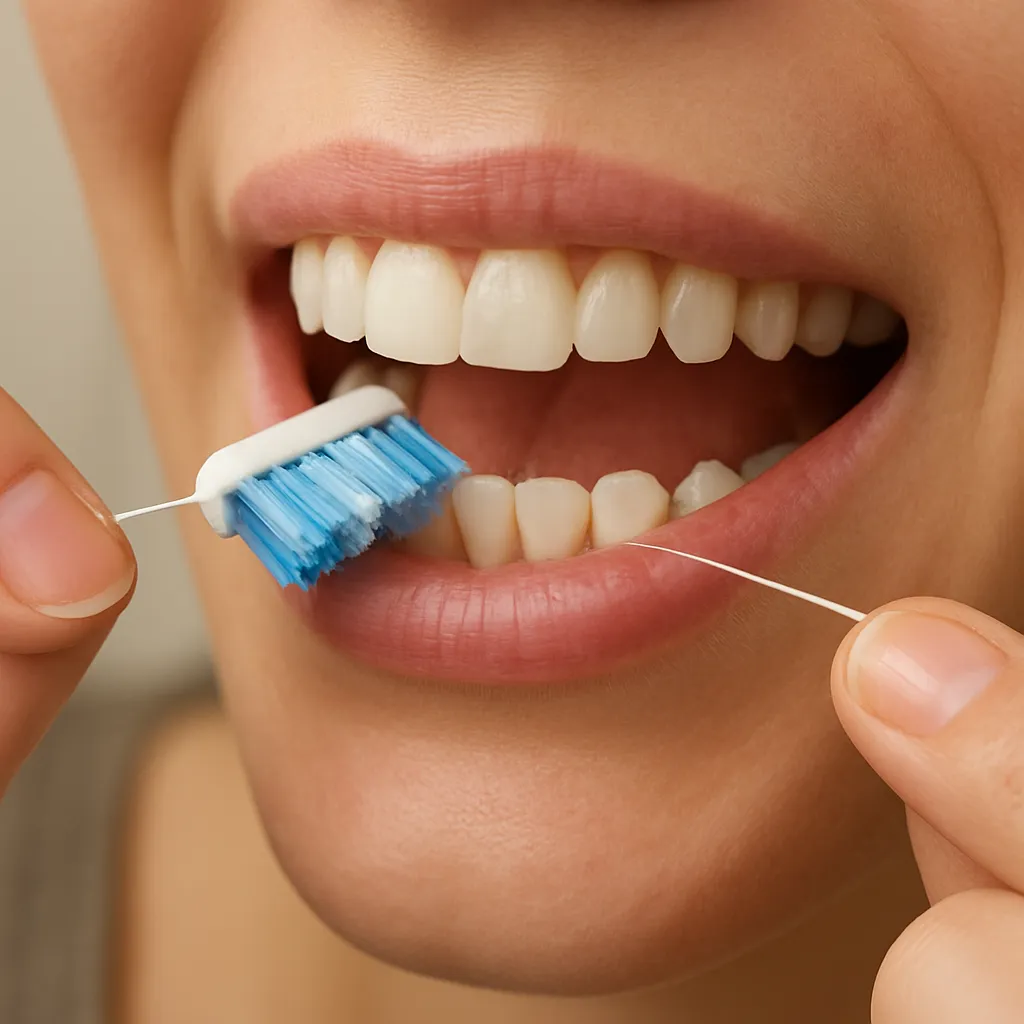
- Brush Teeth Twice Daily: Use a soft-bristle toothbrush and gentle circular motions. Emphasize areas around the gum line to protect the delicate tissues.
- Floss Daily: Proper **flossing** removes food particles and plaque between teeth that brushing alone can’t reach.
- Use Fluoride Toothpaste: The right amount of **fluoride** strengthens enamel and helps prevent cavities.
- Rinse with Mouthwash: An antimicrobial or fluoride rinse can reduce harmful bacteria and reinforce enamel protection.
- Replace Your Toothbrush Regularly: Switch every three months or sooner if bristles show wear.
Nutrition and Supplementation for Strong Teeth
Your diet plays a pivotal role in maintaining tooth integrity. Adequate intake of key nutrients supports both maternal and fetal development.
- Calcium: Critical for bone and tooth formation. Incorporate dairy products, leafy greens, and fortified plant milks.
- Vitamin D: Aids calcium absorption. Seek safe sun exposure and consider supplements if recommended by a healthcare provider.
- Phosphorus: Works alongside calcium to build strong enamel. Found in meat, poultry, fish, and eggs.
- Vitamin C: Essential for healthy gums. Cantaloupe, strawberries, bell peppers, and citrus fruits are excellent sources.
- Limit Sugary and Acidic Snacks: Frequent consumption can erode enamel and feed harmful **bacteria**.
Staying hydrated with water also helps rinse away food debris and maintain saliva flow, which naturally combats acid attacks and neutralizes bacterial growth.
Safe Dental Treatments During Pregnancy
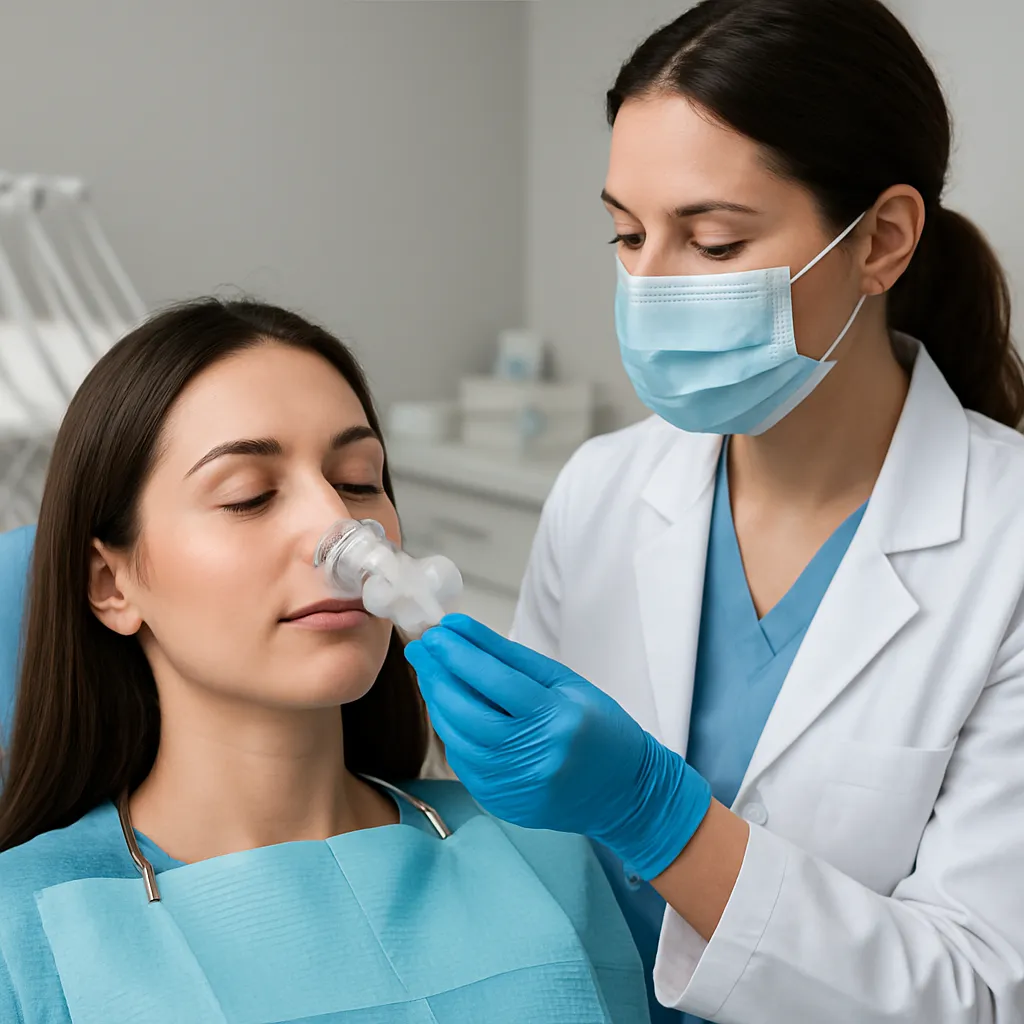
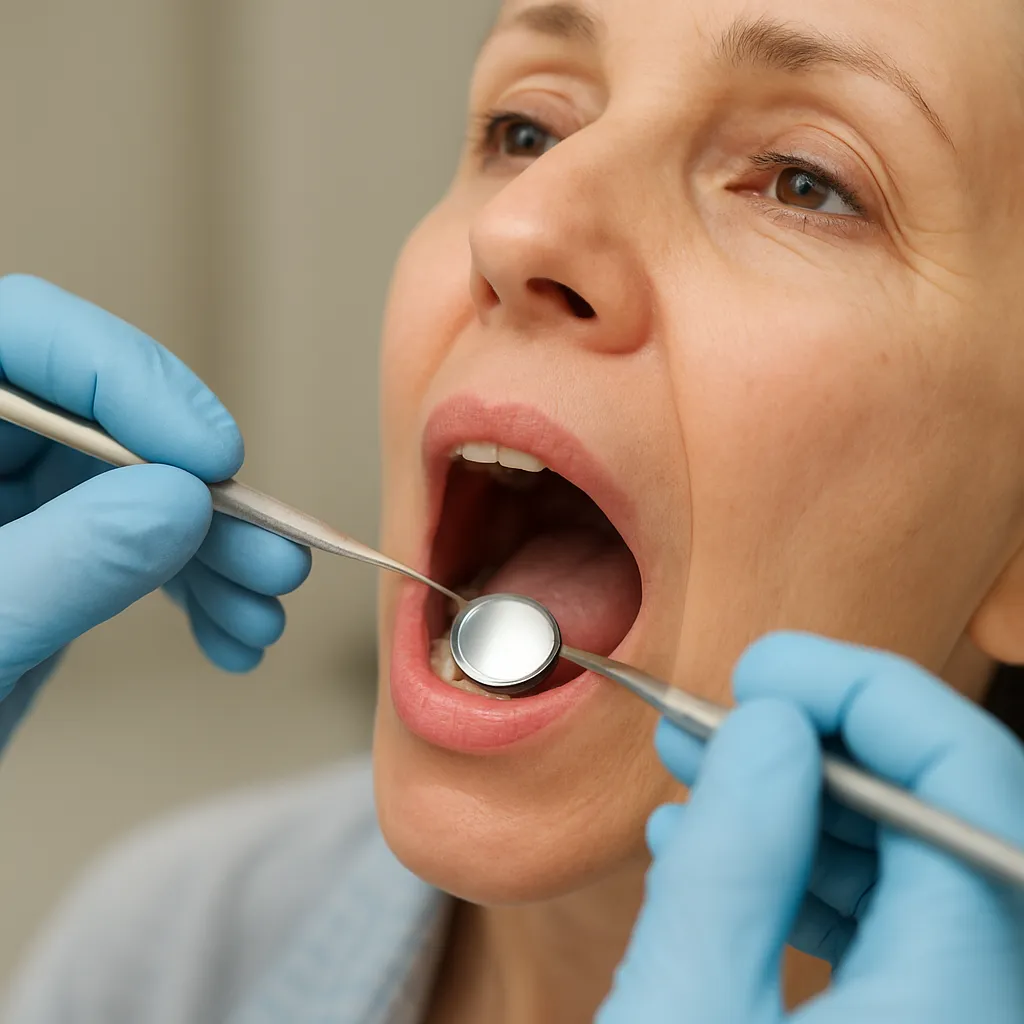
Regular dental checkups are crucial. Inform your dentist about your pregnancy, including the stage and any medical history. Many common procedures are safe with proper precautions.
Routine Cleanings and Exams
Professional cleanings twice yearly—adjusted as needed for pregnancy-related concerns—help control **plaque** and monitor gum health.
X-Rays and Local Anesthesia
With abdominal shielding and careful technique, dental X-rays are generally safe if deemed necessary. Local anesthesia poses minimal risk when used judiciously and in recommended dosages.
Restorative Procedures
Fillings, crowns, and root canal treatments are best scheduled during the second trimester when both mother and fetus are most stable.
Managing Common Oral Health Challenges
Pregnancy can introduce or worsen certain conditions. Early detection and intervention are key to preventing complications.
Morning Sickness and Acid Erosion
Frequent vomiting exposes teeth to stomach acid, accelerating enamel wear. To protect your enamel:
- Rinse with water or a mix of water and baking soda immediately after vomiting.
- Wait at least 30 minutes before brushing to avoid brushing softened enamel.
- Chew sugarless gum containing **fluoride** to stimulate saliva flow.
Increased Risk of Cavities
The temptation for frequent snacks or cravings can heighten cavity risk. Choose tooth-friendly options like nuts, cheese, and crunchy vegetables to satisfy hunger without compromising dental health.
Gum Swelling and Bleeding
Maintain gentle brushing and flossing to manage inflammation. A warm saltwater rinse can soothe tender gums and reduce swelling.
Collaborating with Your Dental and Medical Care Teams
Open communication between your obstetrician and dentist ensures a well-coordinated care plan. Share information on any medications, supplements, or health concerns to tailor treatments safely.
- Schedule dental visits in alignment with prenatal checkups.
- Report any oral discomfort, bleeding, or unusual changes promptly.
- Discuss stress management techniques—since stress can exacerbate teeth grinding and jaw tension.
By prioritizing **hygiene**, balanced **nutrition**, and timely **professional** care, you can safeguard your oral health throughout pregnancy and set the stage for a healthy smile that endures beyond childbirth.