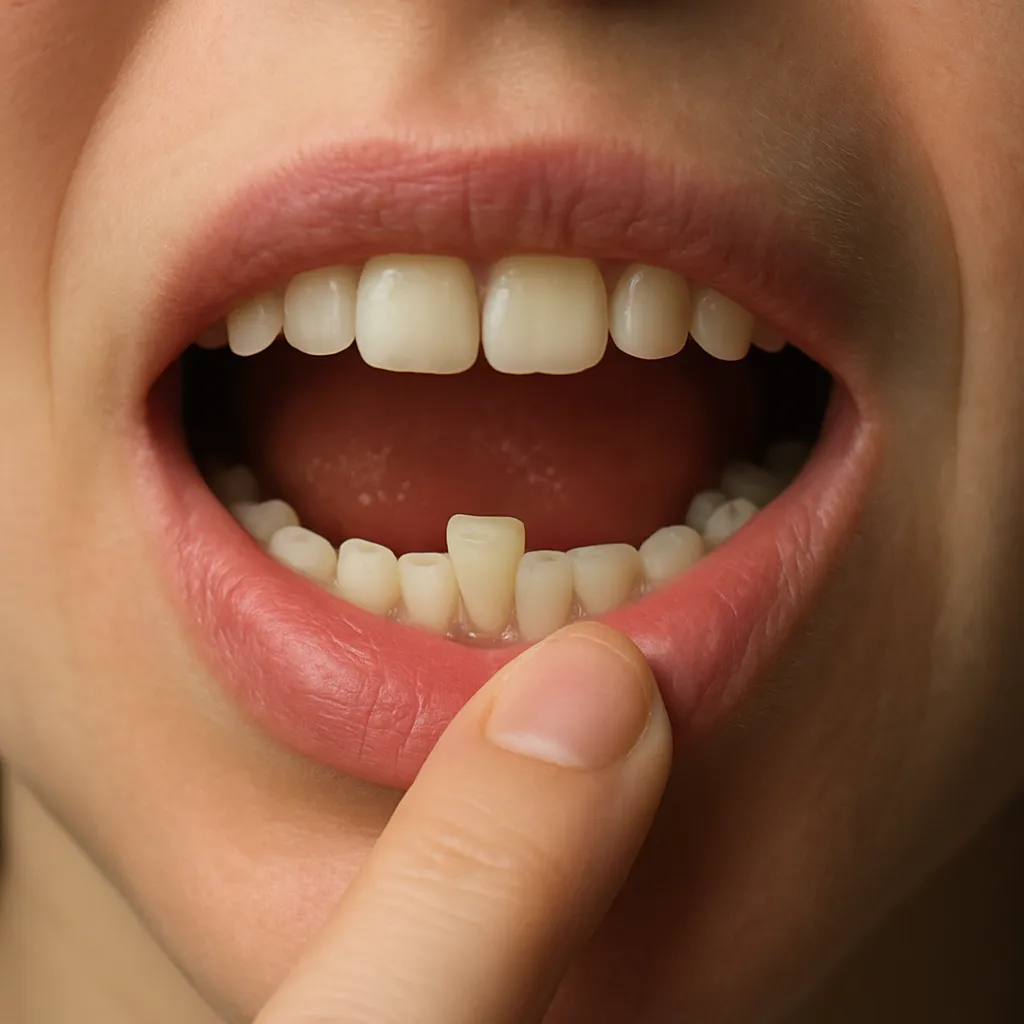
Noticing a wiggly tooth as an adult can trigger alarm and discomfort. A loose tooth often signals an underlying issue that, if left unchecked, may escalate to more serious dental problems. Understanding why a tooth becomes mobile, how to manage it immediately, and when to consult a professional can preserve your oral health and prevent further complications.
Causes and Symptoms of a Loose Tooth
A tooth may loosen for a variety of reasons. Recognizing the root cause and associated symptoms allows you to take prompt, effective action.
- Trauma: A sudden blow to the mouth or an accident can damage the periodontal ligaments that anchor the tooth to the jawbone.
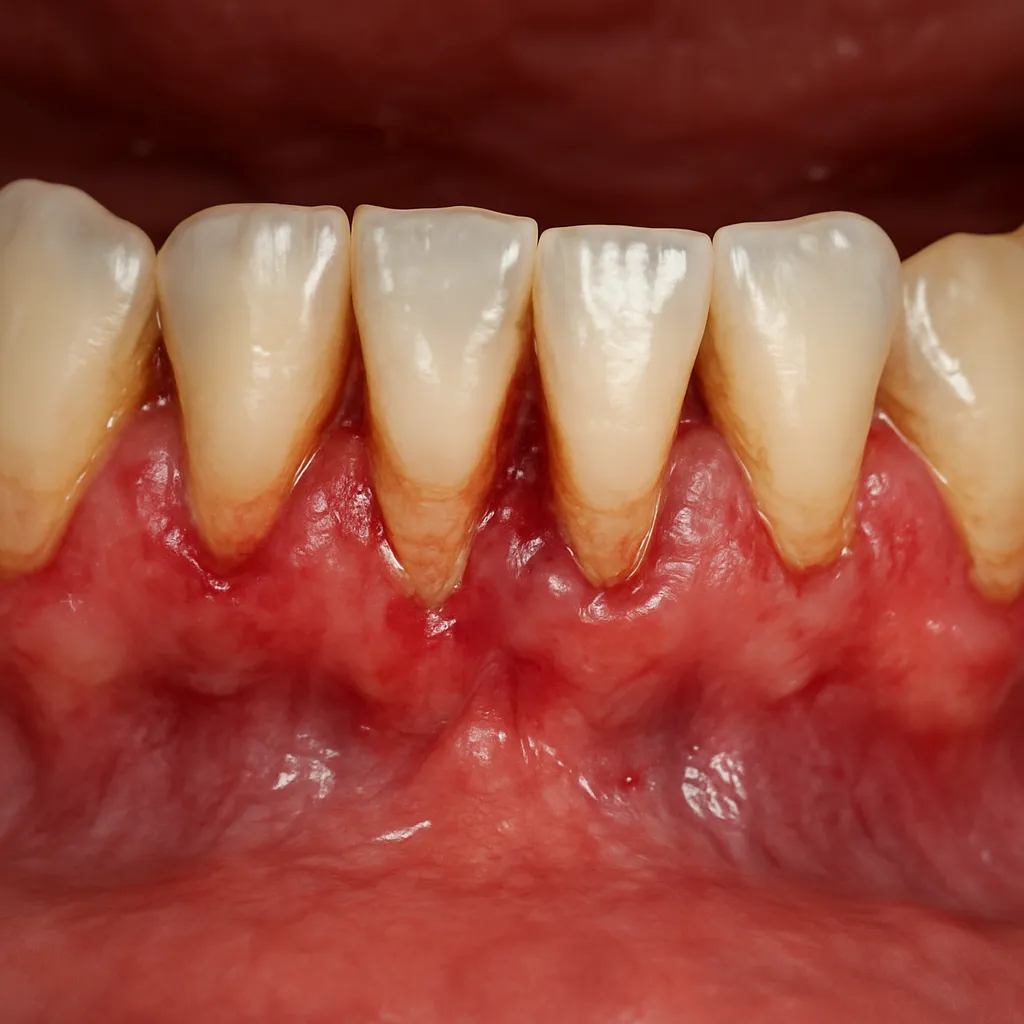
- Advanced periodontal disease: Chronic inflammation of the gums erodes the bone and connective tissues, creating pockets where bacteria thrive.
- Bruxism (teeth grinding): Excessive clenching or grinding exerts abnormal pressure on teeth, gradually loosening them.
- Orthodontic adjustments: Realigning teeth with braces or clear aligners may temporarily loosen certain teeth as they shift into place.
- Poor oral hygiene: Accumulation of plaque and tartar irritates the gums, causing them to pull away from teeth.
- Systemic conditions: Osteoporosis, diabetes, or hormonal changes during pregnancy can compromise bone density and gum health.
Common symptoms include:
- Mild to severe gum tenderness or bleeding.
- Sensitivity to hot, cold, or sweet stimuli.
- Pain when chewing or biting.
- Visible gaps between teeth or receding gums.
- Shifting or fluttering feeling when touching the tooth with the tongue.
Immediate Steps to Manage a Loose Tooth
When you first detect a loose tooth, gentle action can help stabilize it and reduce discomfort before you reach a dentist. Follow these guidelines:
1. Maintain Gentle Oral Hygiene
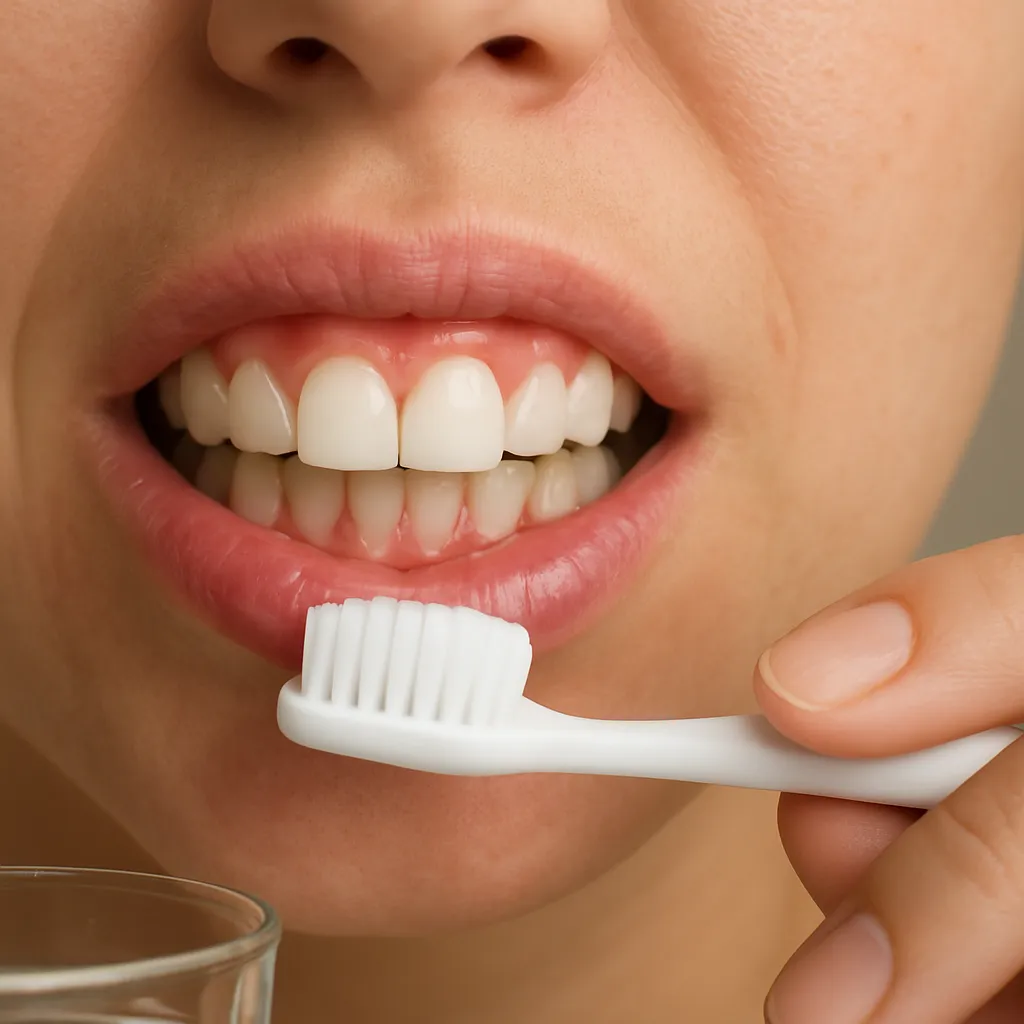
- Use a soft-bristled toothbrush to clean around the loose tooth without applying pressure.
- Rinse with a saline solution (half teaspoon of salt in a cup of warm water) to soothe inflamed gums and flush away debris.
- Avoid vigorous swishing or use of interdental brushes near the affected area.
2. Apply Cold Compresses
- Place an ice pack wrapped in cloth against the cheek adjacent to the loose tooth for 10–15 minutes at a time.
- Cold reduces swelling of the soft tissues and numbs pain receptors.
3. Modify Your Diet
- Stick to nutrient-rich, soft foods like yogurt, smoothies, mashed potatoes, and scrambled eggs.
- Avoid crunchy, chewy, or sticky items such as nuts, caramel, and hard candy.
- Cut food into small, manageable pieces and chew on the opposite side of your mouth.
4. Avoid Harmful Habits
- Refrain from smoking or using tobacco products that impair healing.
- Stop nail biting, pen chewing, or any habit that places stress on teeth.
- If you grind your teeth at night, consider a mouthguard to protect your dentition.
When to Seek Professional Dental Care
While home care can offer temporary relief, persistent looseness or accompanying symptoms require evaluation by a qualified dentist. Seek professional attention if you experience:
- Increasing pain, swelling, or redness around the gums.
- Pus discharge indicating possible infection.
- Tooth moving more than slightly or feeling at risk of falling out.
- Difficulty chewing or speaking due to tooth instability.
- Unusual fever or general malaise suggesting systemic involvement.
During your visit, the dentist may perform:
- Clinical examination of gum pockets to assess attachment loss.
- Dental X-rays to evaluate bone support and detect hidden fractures.
- Scaling and root planing to remove bacteria, plaque, and tartar beneath the gumline.
- Splinting procedures that bind the loose tooth to adjacent stable teeth for added support.
- Prescriptions for antibiotics or antimicrobial mouthwashes if infection is present.
- Referral to a periodontist for advanced gum surgery or bone grafting to restore lost tissue.
Long-Term Prevention and Maintenance
Preventing future looseness involves a combination of daily care, lifestyle adjustments, and routine checkups. Consider these strategies:
1. Establish a Rigorous Oral Care Routine
- Brush twice daily with fluoride toothpaste for two minutes each session.
- Floss daily to remove interdental debris and prevent gum inflammation.
- Incorporate an antiseptic mouthwash to reduce microbial load.
2. Schedule Regular Dental Visits
- Biannual cleanings allow the dentist to remove hardened deposits and monitor gum health.
- Periodic examinations catch early signs of bone loss or shifting teeth.
3. Address Contributing Factors
- Manage systemic conditions such as diabetes with medical guidance.
- Wear a custom night guard if you suffer from bruxism to protect enamel and ligament integrity.
- Adopt stress-reduction techniques, including meditation or biofeedback, to minimize grinding.
4. Enhance Nutritional Support
- Consume a balanced diet rich in calcium, vitamin D, and vitamin C to strengthen gum and bone structure.
- Stay hydrated to support saliva production, which naturally defends against harmful bacteria.
5. Know When to Replace or Restore
- If a tooth cannot be saved, explore replacement options such as dental implants or bridges to maintain function and appearance.
- Consult a prosthodontist for specialized restoration planning that supports adjacent teeth.
By combining prompt at-home interventions with timely professional care, you can arrest the progression of mobility and safeguard your smile. Addressing a loose tooth early underscores the importance of comprehensive dental health, encompassing everything from daily brushing habits to advanced periodontal therapies. With vigilance and the right support, you can maintain a stable, healthy dentition for years to come.