Experiencing a dental abscess can be both alarming and painful, prompting immediate action to prevent complications. This article guides you through the key steps to recognize, manage, and ultimately treat a dental abscess, offering practical advice from the initial discovery of symptoms to professional care and long-term prevention. By understanding how an abscess develops and the most effective remedies, you can protect your **oral health** and reduce the risk of severe **infection**.
Understanding Dental Abscesses
A dental abscess is a pocket of pus caused by a bacterial **infection**. It typically forms at the root of a tooth (periapical abscess) or in the gums (periodontal abscess). Recognizing the early signs can help you seek prompt care and avoid more serious health issues.
Causes and Risk Factors
- Untreated cavities that allow bacteria to reach the tooth pulp
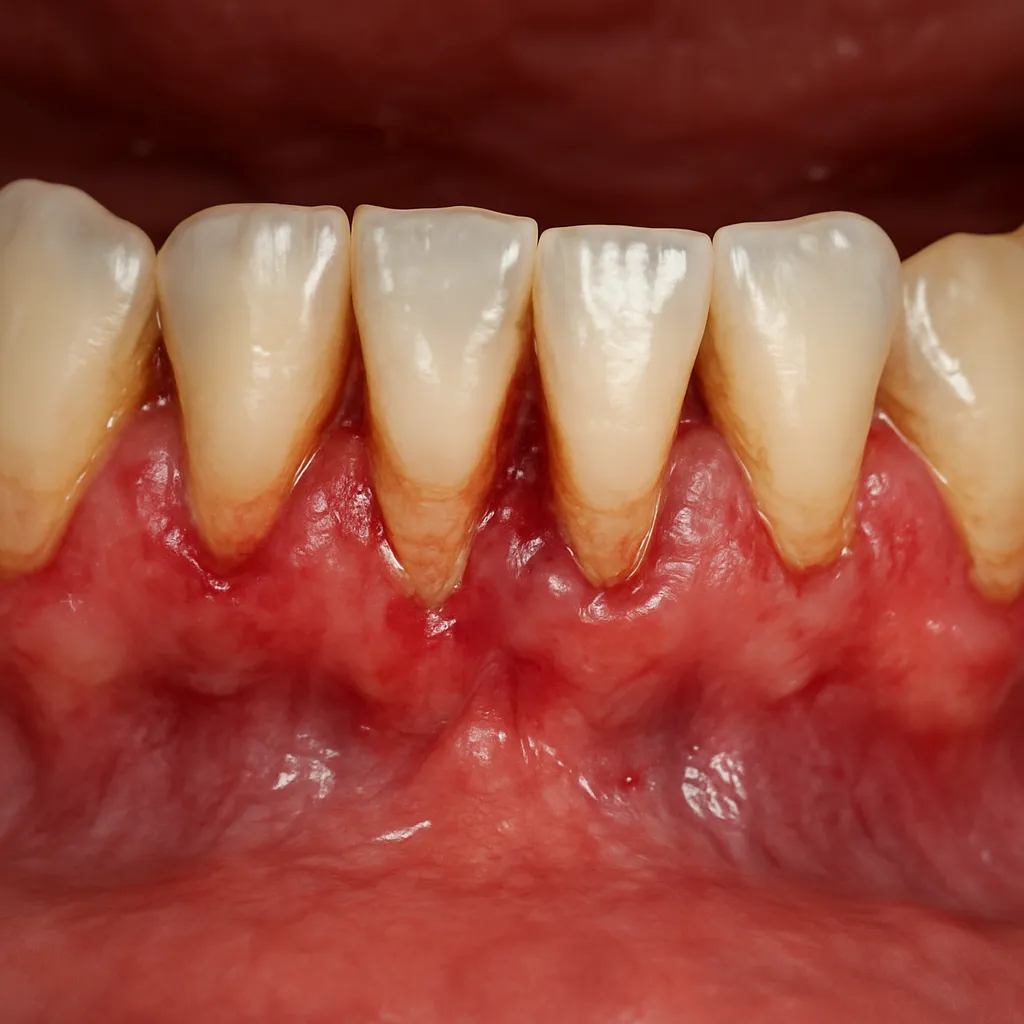
- Gum disease leading to gaps between teeth and gums
- Cracked or fractured teeth providing an entry point for **bacteria**
- Poor oral hygiene increasing **plaque** buildup and bacterial growth
- Previous dental work, such as fillings or crowns, that may have compromised tooth integrity
Common Symptoms
- Severe, throbbing **pain** in the affected tooth or gum area
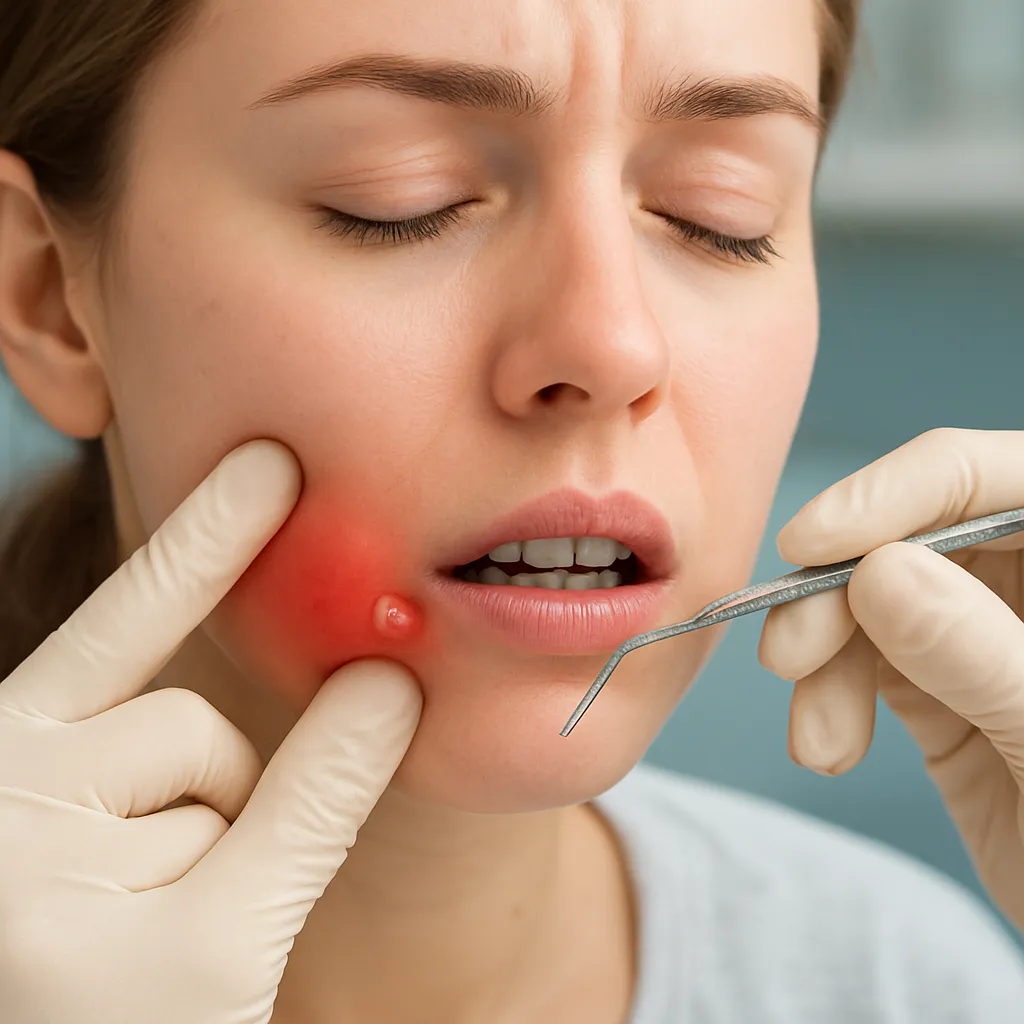
- Swelling of the face or gums near the abscess
- Redness and tenderness at the infection site
- A bad taste in the mouth or foul-smelling breath from pus drainage
- Fever and general discomfort, indicating the spread of **infection**
Immediate Steps for Relief
While waiting for professional dental care, implementing safe home remedies can help alleviate **pain** and reduce swelling. However, these methods are only temporary and should not replace a visit to a **dentist**.
Pain Management
- Over-the-counter pain relievers such as ibuprofen or acetaminophen can ease **discomfort**.
- Cold compress applied to the cheek for 15–20 minutes can reduce facial **swelling**.
- Elevating your head while lying down helps decrease pressure in the infected area.
Rinse and Clean
- Warm saltwater rinses (1/2 teaspoon of salt in 8 ounces of water) can help draw out **pus** and soothe irritated tissues.
- Avoid very hot or cold foods and drinks, which may worsen **sensitivity**.
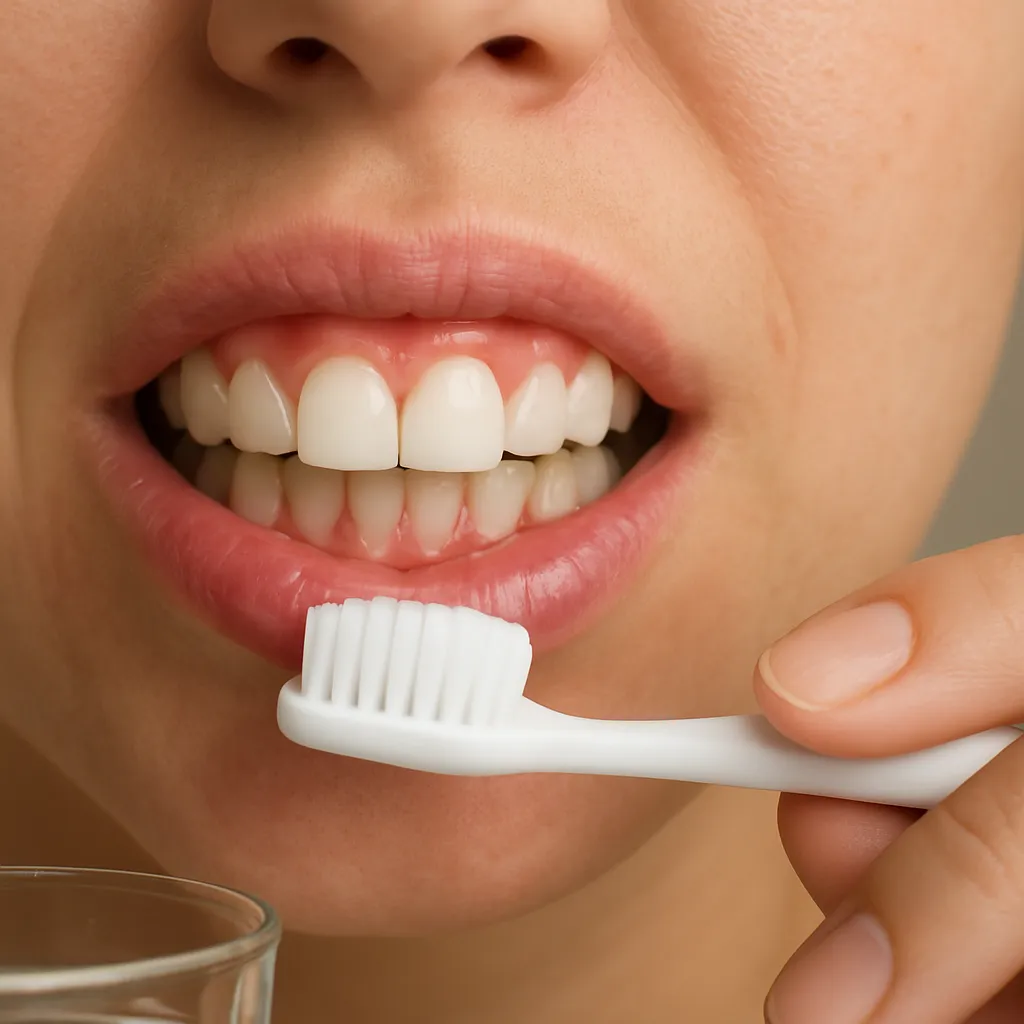
- Maintain gentle brushing and flossing around the affected area to keep it free from additional **bacteria**.
Professional Treatment Options
Ultimately, a dental abscess requires evaluation and treatment by a qualified **dentist**. The exact approach depends on the abscess location, severity, and your overall health.
Drainage of the Abscess
- The most critical step is draining the **pus** to relieve pressure and reduce bacterial load.
- Your dentist may make a small incision in the gum or tooth to allow proper **drainage**.
- This procedure is typically performed under local **anesthesia** to minimize discomfort.
Root Canal Therapy
- If the abscess originates from the tooth pulp, a root canal often saves the tooth by removing infected tissue.
- The canal is then cleaned, disinfected, and sealed to prevent further **infection**.
- A crown may be placed afterward to restore strength and function.
Tooth Extraction
- When a tooth is too damaged to repair, extraction may be necessary to eliminate the source of **infection**.
- Post-extraction, your dentist will advise on future **restoration** options such as implants or bridges.
Antibiotic Therapy
- Oral **antibiotics** may be prescribed to control the **bacterial** infection, especially if it has spread beyond the abscess site.
- Complete the full course as directed, even if symptoms improve quickly.
- Report any adverse reactions to your dentist or physician promptly.
Prevention and Aftercare
Preventing a dental abscess and ensuring proper healing involves consistent **oral hygiene**, dietary choices, and regular dental visits. These strategies can protect your teeth and gums from future issues.
Daily Oral Care
- Brush twice daily with fluoride toothpaste to remove **plaque** and prevent decay.
- Floss daily to clear debris and bacteria from between teeth.
- Use an antimicrobial mouthwash to further reduce oral **bacteria**.
Regular Dental Checkups
- Visit your **dentist** at least twice a year for cleanings and examinations.
- Early detection of cavities or gum disease can prevent abscess formation.
- Professional cleanings remove hardened tartar that brushing and flossing cannot.
Healthy Lifestyle Habits
- Limit sugary snacks and beverages, which fuel harmful **bacteria**.
- Quit smoking, as tobacco use impairs gum health and healing.
- Maintain a balanced diet rich in calcium and vitamin D for strong teeth and bones.
Consistent attention to these measures will significantly lower your risk of developing a dental abscess and support your long-term **oral health**.