Choosing a bright smile enhancement can be overwhelming given the myriad of products available today. Among the most popular options, teeth whitening strips stand out for their convenience and accessibility. These thin, flexible strips are coated with a peroxide-based gel that aims to lift stains and lighten tooth shade. However, like any dental procedure, they come with both advantages and potential drawbacks. This article dives into the science behind whitening strips, evaluates their benefits and risks, and offers practical guidance for anyone considering this do-it-yourself approach.
Mechanism Behind Whitening Strips
Understanding how whitening strips work begins with the active ingredient: hydrogen peroxide or carbamide peroxide. When applied to the tooth surface, the peroxide molecules penetrate the enamel and break down deep-seated organic stains. This process, called oxidation, converts colored compounds into smaller, less pigmented molecules, resulting in a visibly lighter shade.
Peroxide Concentration and Contact Time
- Over-the-counter strips typically contain 6–10% hydrogen peroxide or 10–22% carbamide peroxide.
- Manufacturers recommend wearing them for 30–60 minutes daily for 1–2 weeks.
- Higher-peroxide professional-strength strips may require shorter contact time but are generally available through dental offices.
Application and Adhesion
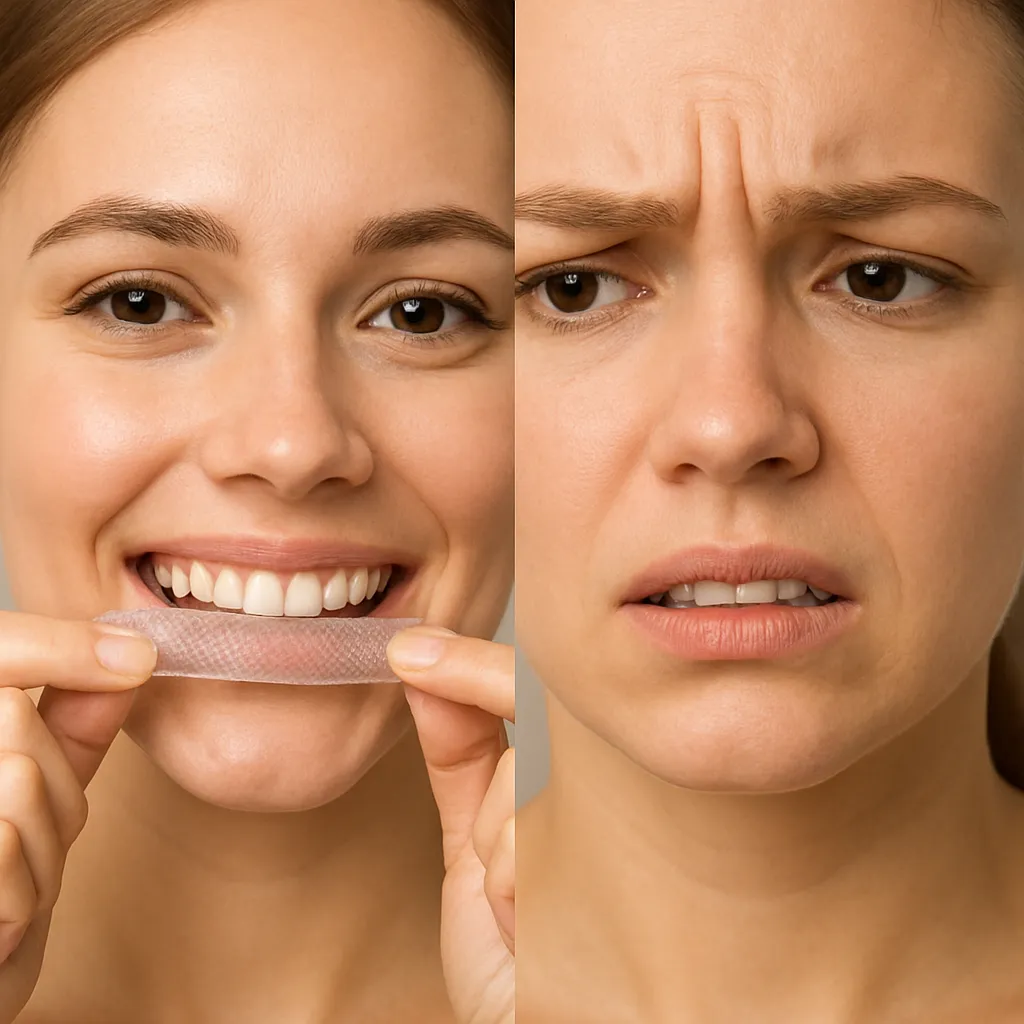
The strips come with an adhesive backing designed to mold closely to the tooth’s surface. Proper placement ensures even distribution of the whitening gel and reduces the risk of gel seeping onto gums, which can cause irritation or sensitivity.
Key Benefits of Teeth Whitening Strips
One of the primary appeals of whitening strips is their convenience. They can be applied at home, fitting easily into busy schedules without the need for office visits. Additional advantages include:
- Cost-effectiveness: Generally more affordable than professional in-office treatments.
- Gradual lightening: Offers controlled shade improvements, helping avoid an unnatural white appearance.
- Low skill requirement: Users receive clear instructions, making the process straightforward for non-professionals.
- Portability: Ideal for travel or quick touch-ups before special events.
- Wide availability: Sold in drugstores, supermarkets, and online platforms.
Potential Risks and Side Effects
While whitening strips offer many benefits, they are not risk-free. It’s important to be aware of the following concerns before starting treatment.
Tooth and Gum Sensitivity
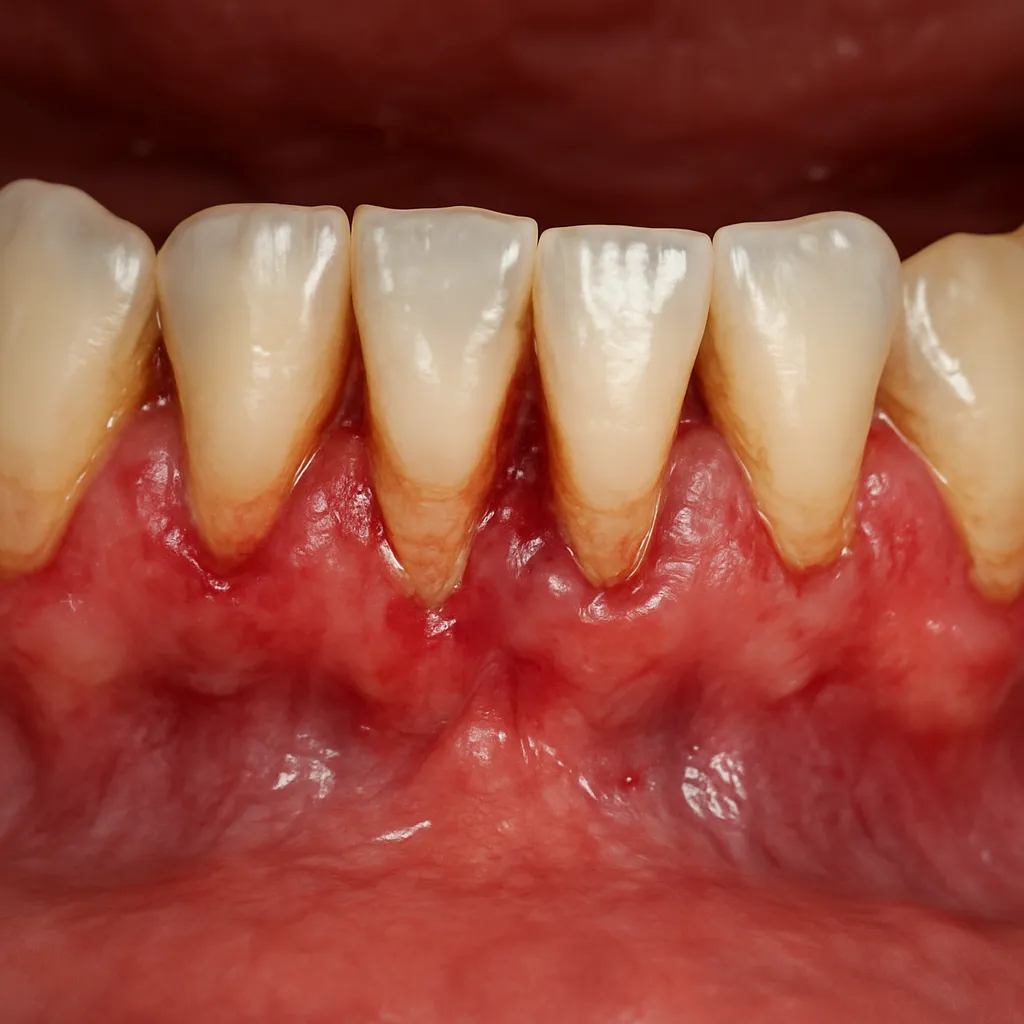
Sensitivity arises when peroxide diffuses through enamel and irritates the dentinal tubules or gum tissue. Symptoms include a brief, sharp discomfort when consuming hot, cold, or acidic foods.
Enamel Integrity
Repeated or overzealous use can weaken enamel, making teeth more susceptible to wear, erosion, and staining in the future. Strictly follow the recommended duration and frequency to preserve enamel health.
Uneven Whitening
Teeth with pre-existing restorations—such as crowns, veneers, or composite fillings—won’t lighten like natural enamel, leading to mismatched coloration. Consulting a dentist helps tailor a plan that accounts for dental work.
Expert Recommendations for Safe Use
To maximize benefits and minimize risks, adhere to these essential guidelines:
- Consult a qualified dental professional for an initial assessment of oral health.
- Choose strips with ADA (American Dental Association) Seal of Acceptance or equivalent certifications.
- Limit usage to the manufacturer’s recommended schedule—often no more than two weeks consecutively.
- Avoid smoking, coffee, tea, and red wine during treatment to prevent new stains from forming.
- Use toothpaste formulated for sensitive teeth if discomfort arises.
Alternatives and Complementary Approaches
While strips work for many users, exploring other options may yield better or more comfortable results. Consider:
- In-office professional bleaching—offers immediate, dramatic results under close supervision.
- Custom-fitted trays—provided by dentists for at-home use with higher-concentration gels and a snug fit.
- Whitening toothpaste and mouthwash—contain mild abrasives or low-peroxide formulas for maintenance.
- Dietary adjustments—reducing intake of staining agents, such as berries, beets, and dark sodas.
Choosing the Right Strip Brand
Not all whitening strips are created equal. When comparing brands, pay attention to:
- Peroxide concentration—higher doesn’t always mean better; stronger strips increase sensitivity risks.
- Adhesive quality—strips should stay securely on teeth without sliding or bunching.
- User reviews and clinical trials—look for documented effectiveness and safety data.
- Availability of support—some brands offer helplines or online guidance for troubleshooting.
Selecting a reputable product backed by reliable data enhances the odds of achieving a radiant smile without compromising oral health.
Maintaining Results and Oral Health
After completing a whitening strip regimen, follow these best practices to sustain your brighter smile:
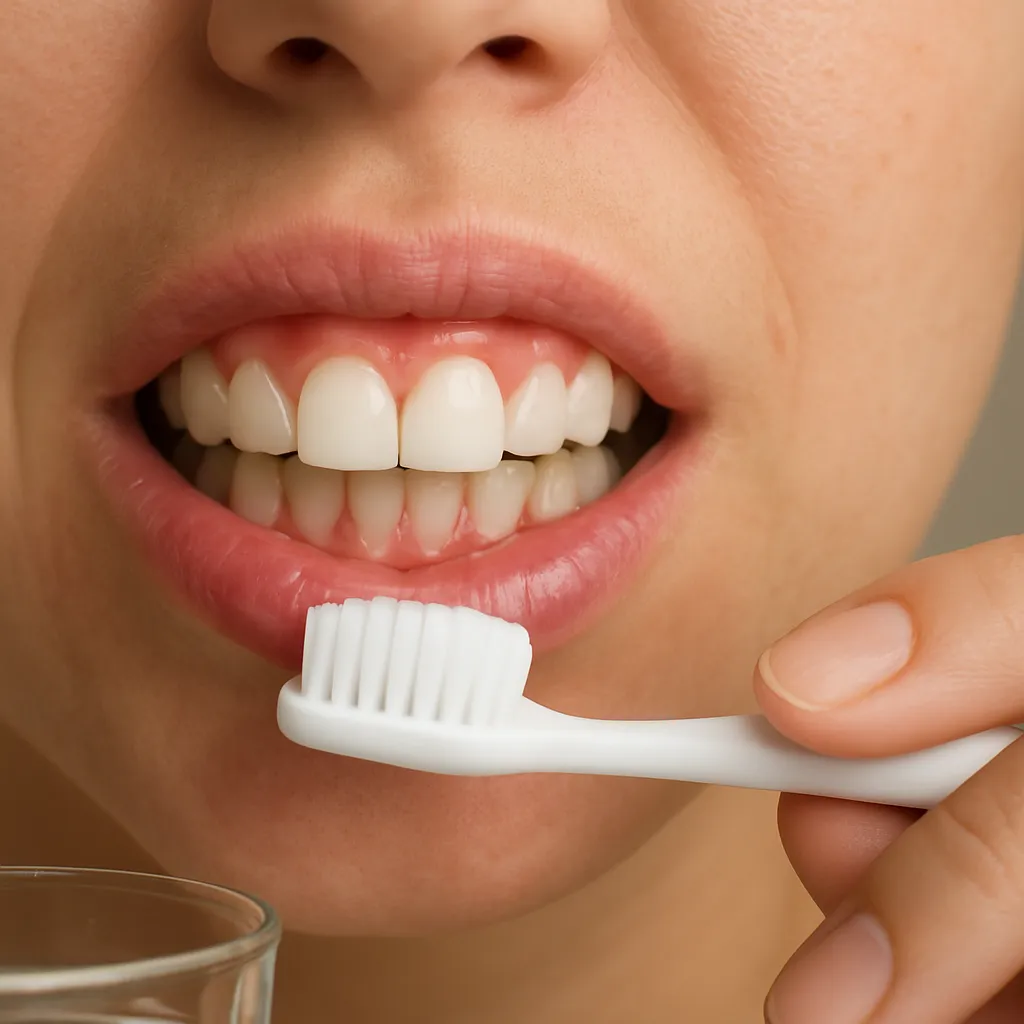
- Brush twice daily and floss at least once to remove surface stains and plaque.
- Rinse with a whitening mouthwash to neutralize new stains.
- Attend regular dental check-ups and professional cleanings every six months.
- Apply touch-up strips or other whitening methods sparingly to avoid overexposure.
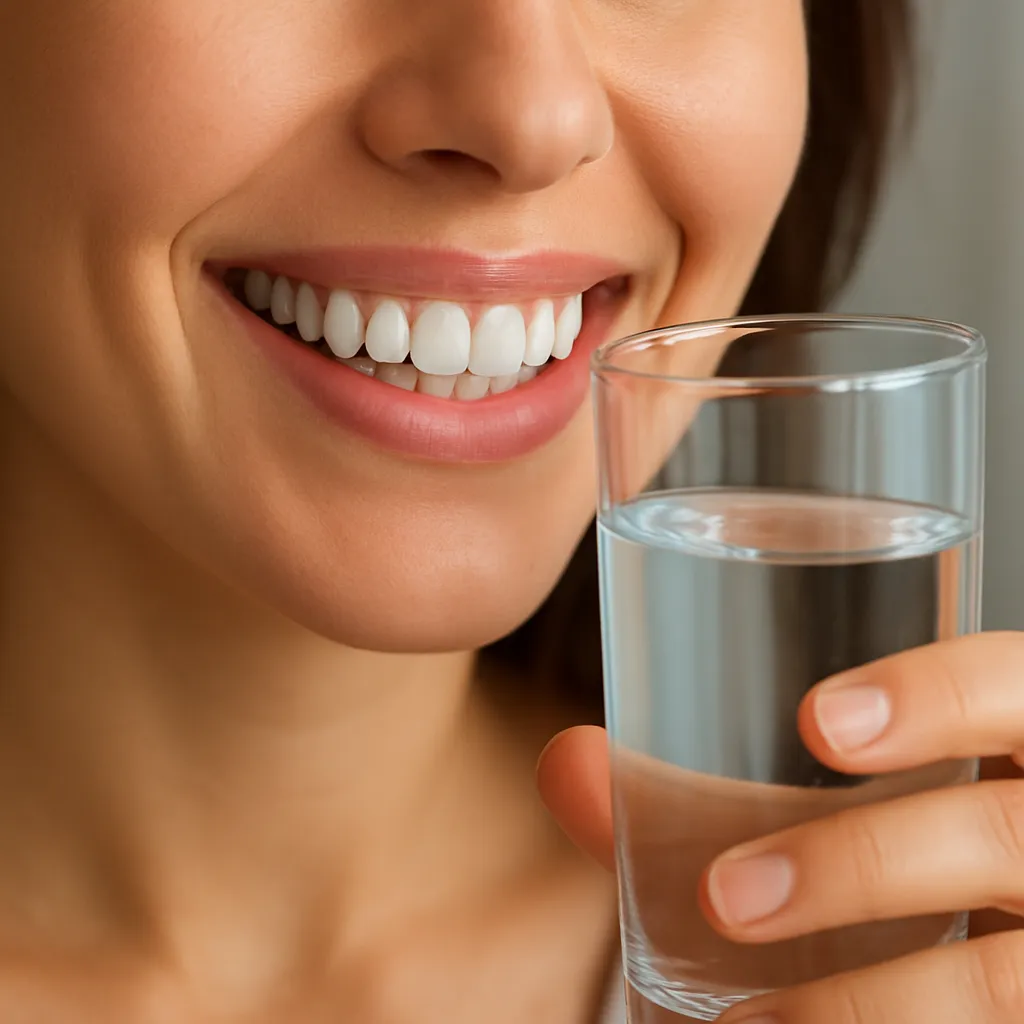
- Consume plenty of water after meals to wash away stain-causing residues.
Combining these habits with a balanced diet rich in crunchy fruits and vegetables helps maintain both color and overall oral health.