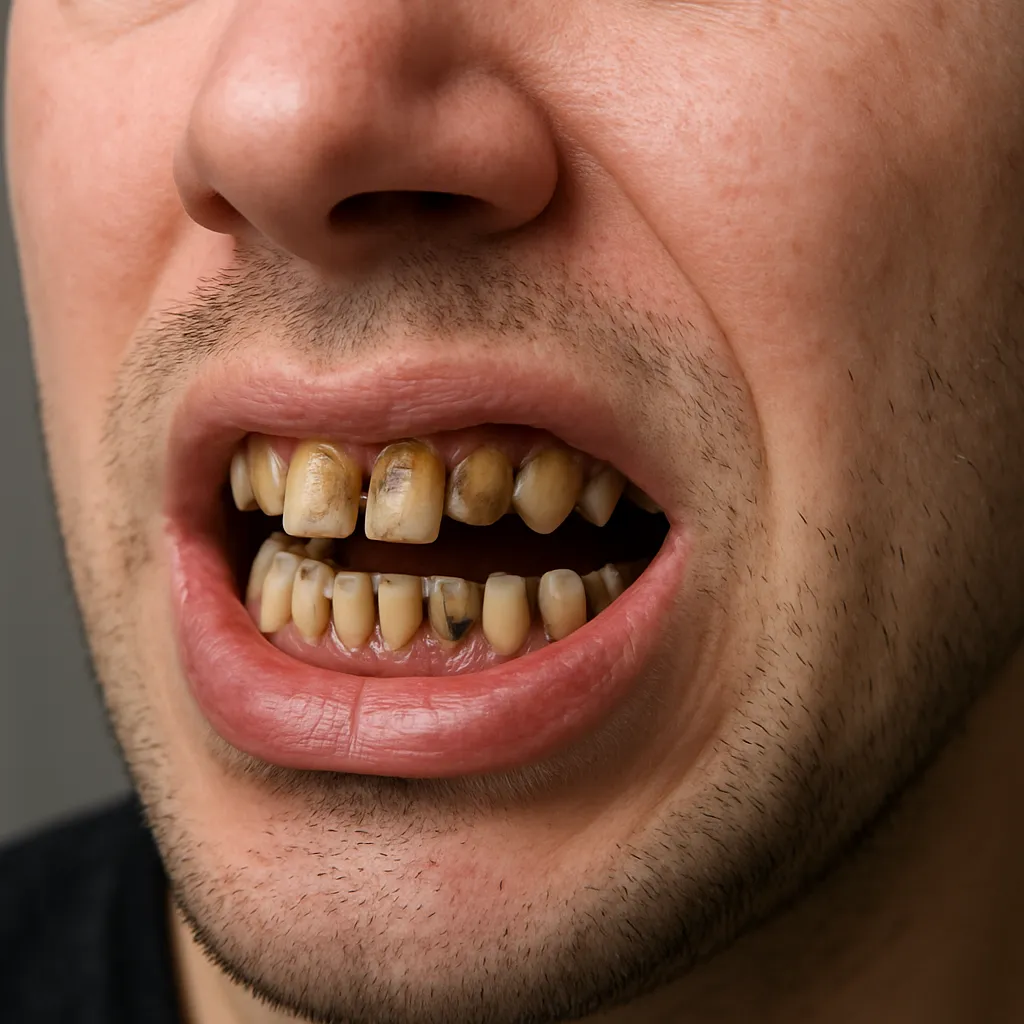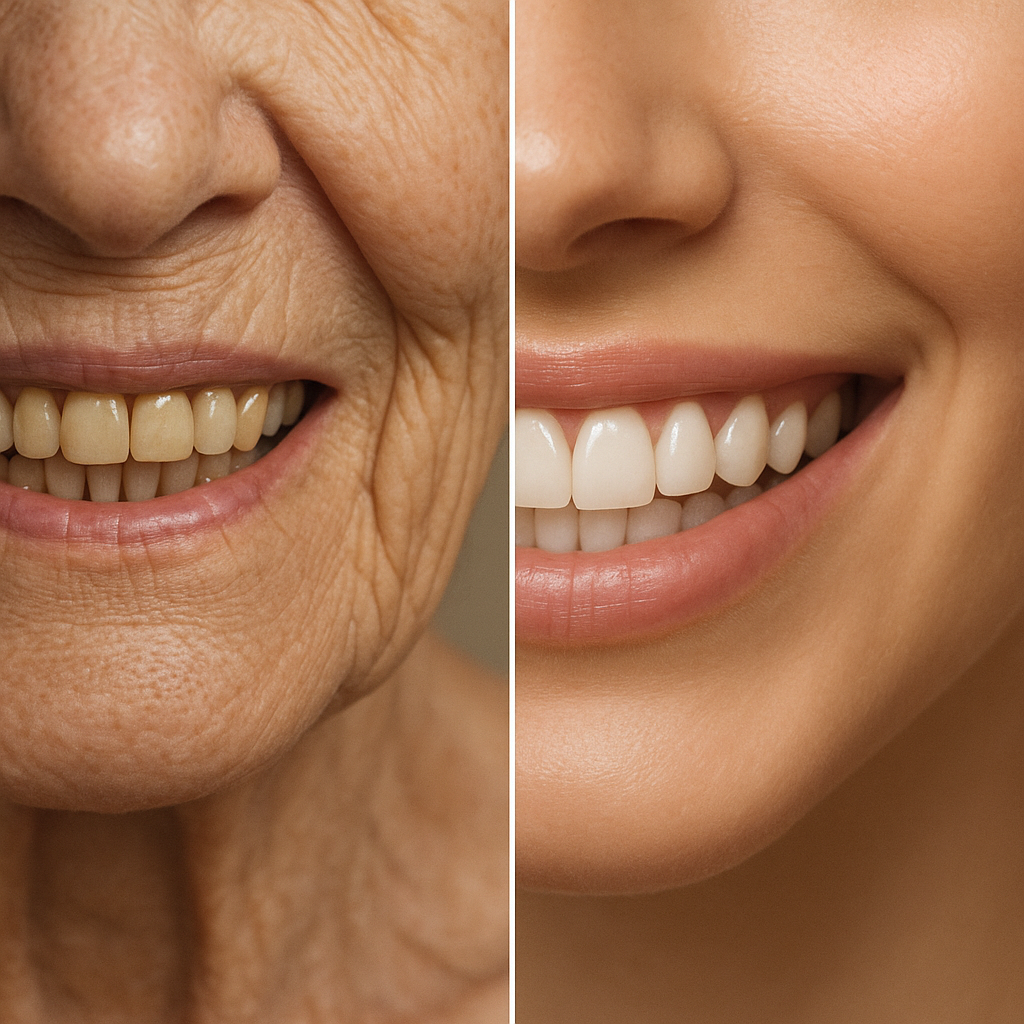
As our bodies change over time, our oral structures adapt in ways that can impact overall well-being. The process of aging affects every layer of the tooth, the supporting tissues, and even saliva production. Understanding these transformations empowers patients and practitioners to address concerns before they become serious issues.
Structural Changes in enamel and dentin
Enamel Wear and Tear
The outermost layer of a tooth, enamel, is the hardest tissue in the human body. Over decades of chewing, brushing, and exposure to acids, enamel can gradually thin. This wear may lead to:
- Greater vulnerability to decay
- Increased risk of cracks and chips
- A duller surface texture that stains more easily
Dentin Exposure
Once enamel diminishes, the softer dentin beneath becomes exposed. Dentin contains microscopic tubules that connect to the pulp, transmitting sensations and making teeth more reactive to external stimuli. Patients often report:
- Heightened response to hot or cold foods
- Discomfort when consuming sweet or acidic items
- A general ache that can become chronic if left untreated
Soft Tissue Alterations and gum recession
Gum Health Decline
Healthy gums form a protective seal around teeth, preventing bacteria from penetrating deeper structures. With time, the periodontal ligament and bone support can weaken, leading to gum recession. Contributing factors include:
- Long-term plaque accumulation
- Aggressive brushing techniques
- Hormonal changes that alter blood flow
Increased sensitivity
As the roots of teeth become uncovered due to tissue loss, nerves are less insulated. This exposure often results in sharp, shooting pains when brushing or eating. To manage sensitivity, dental professionals may recommend:
- Desensitizing toothpastes with potassium nitrate
- Fluoride varnishes applied in the clinic
- Composite bonding to shield root surfaces
Functional Implications and Health Risks
Reduced saliva Production and dry mouth
Saliva plays a vital role in neutralizing acids, remineralizing enamel, and washing away food particles. Medications, medical conditions, and natural aging processes can decrease saliva flow, resulting in dry mouth. Common consequences include:
- Elevated cavity risk
- Difficulty swallowing and speaking
- Bad breath due to bacterial overgrowth
Growth of periodontal disease
Gum tissues become more susceptible to infection when immune responses weaken. Chronic inflammation damages both soft tissues and supporting bone, potentially leading to tooth loss. Symptoms of advanced periodontal disease include:
- Persistent bleeding during brushing
- Loose or shifting teeth
- Pus formation between teeth and gums
Systemic Connections with Osteoporosis
Jawbone density can decline alongside skeletal bone loss in osteoporosis. Reduced bone mass compromises implant stability and natural tooth support. Dentists often coordinate with medical doctors to monitor bone health and adjust dental care plans accordingly.
Preventive Strategies and Treatment Options
Oral Hygiene and nutrition
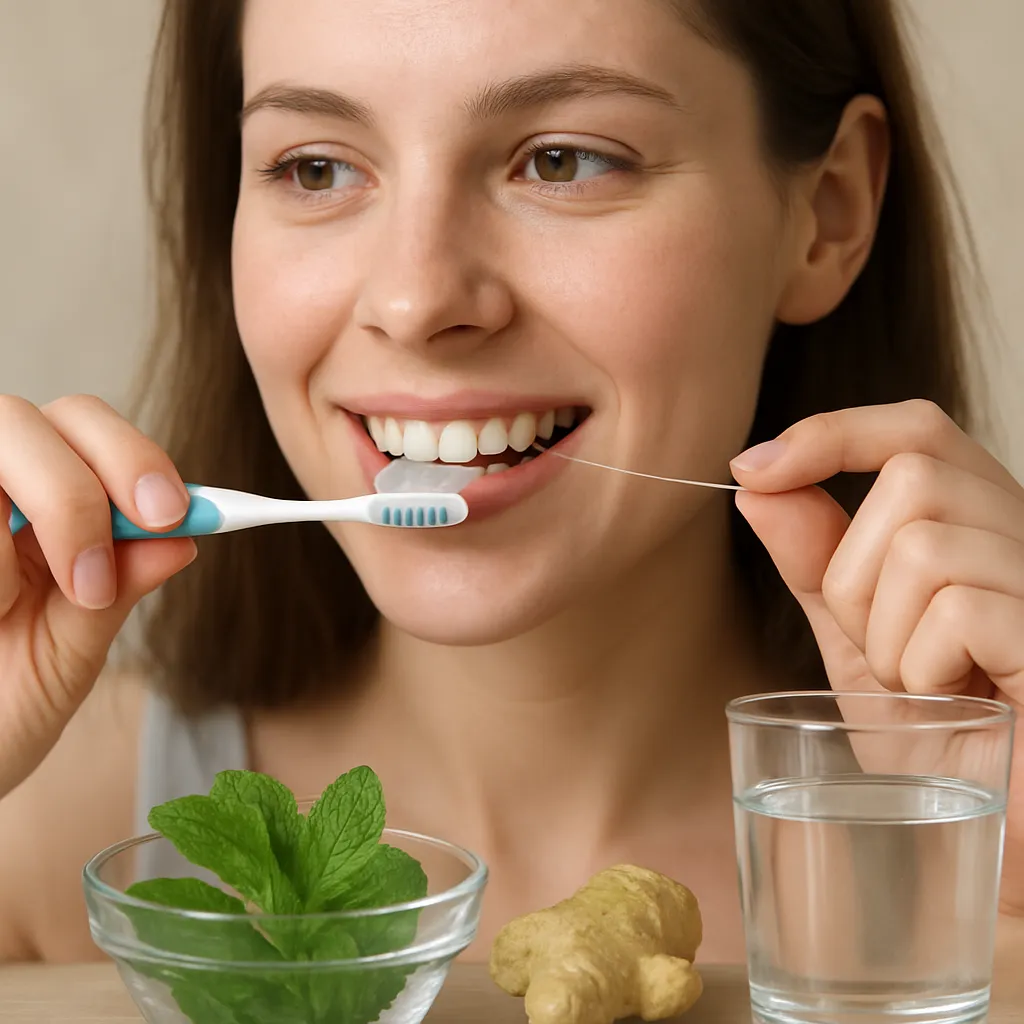
Maintaining a thorough oral hygiene routine is crucial for aging patients. Key recommendations include:
- Brushing twice daily with a soft-bristled brush
- Flossing or using interdental cleaners once a day
- Choosing a balanced diet rich in calcium, vitamin D, and antioxidants
- Limiting sugary snacks and acidic beverages
Proper nutrition not only supports tooth structure but also enhances immune function, making tissues more resilient against infection.
Dentures, prosthetics, and dental implants
When natural teeth are lost, restoring function and esthetics becomes a priority. Options include:
- Partial or full dentures for removable solutions
- Fixed bridges anchored to adjacent teeth
- Dental implants providing stable, long-term support
Implant therapy requires adequate bone volume. For patients with significant resorption, bone grafting or sinus lift procedures can rebuild the foundation for implant placement.
Regular Check-Ups and Professional Care
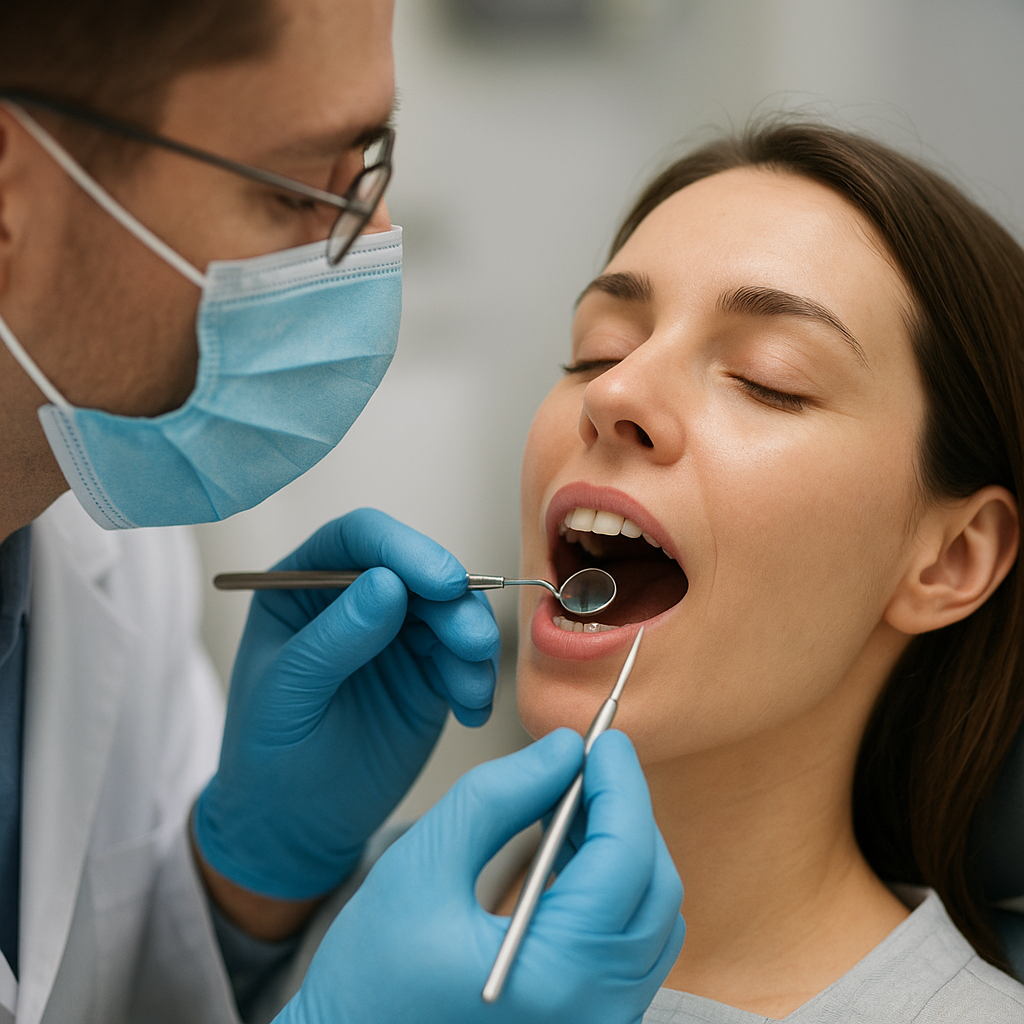
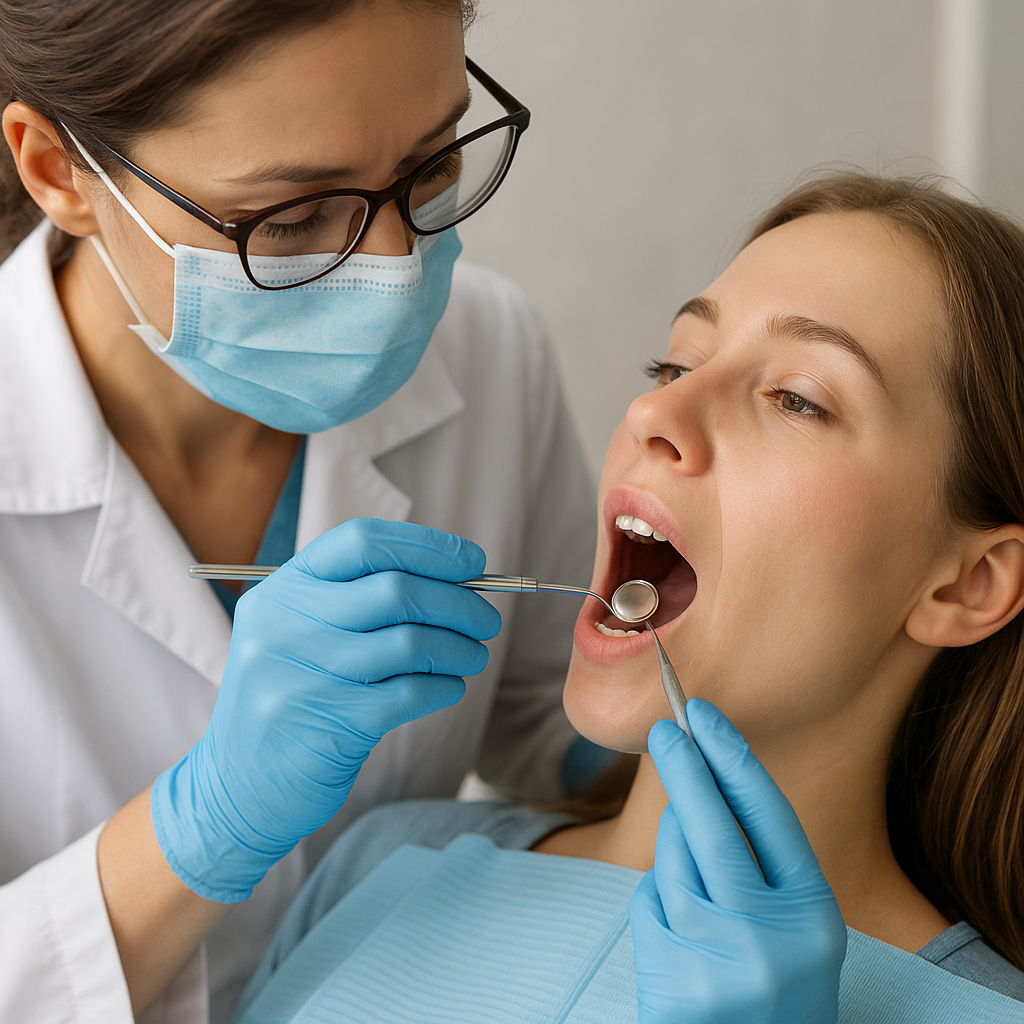
Consistent dental visits allow early detection of issues such as microfractures, emerging caries, and gum inflammation. Professional cleanings remove hardened plaque and tartar that cannot be addressed by home care alone. Seniors should aim for biannual examinations, or more frequent appointments if risk factors—such as medication-induced dry mouth—are present.