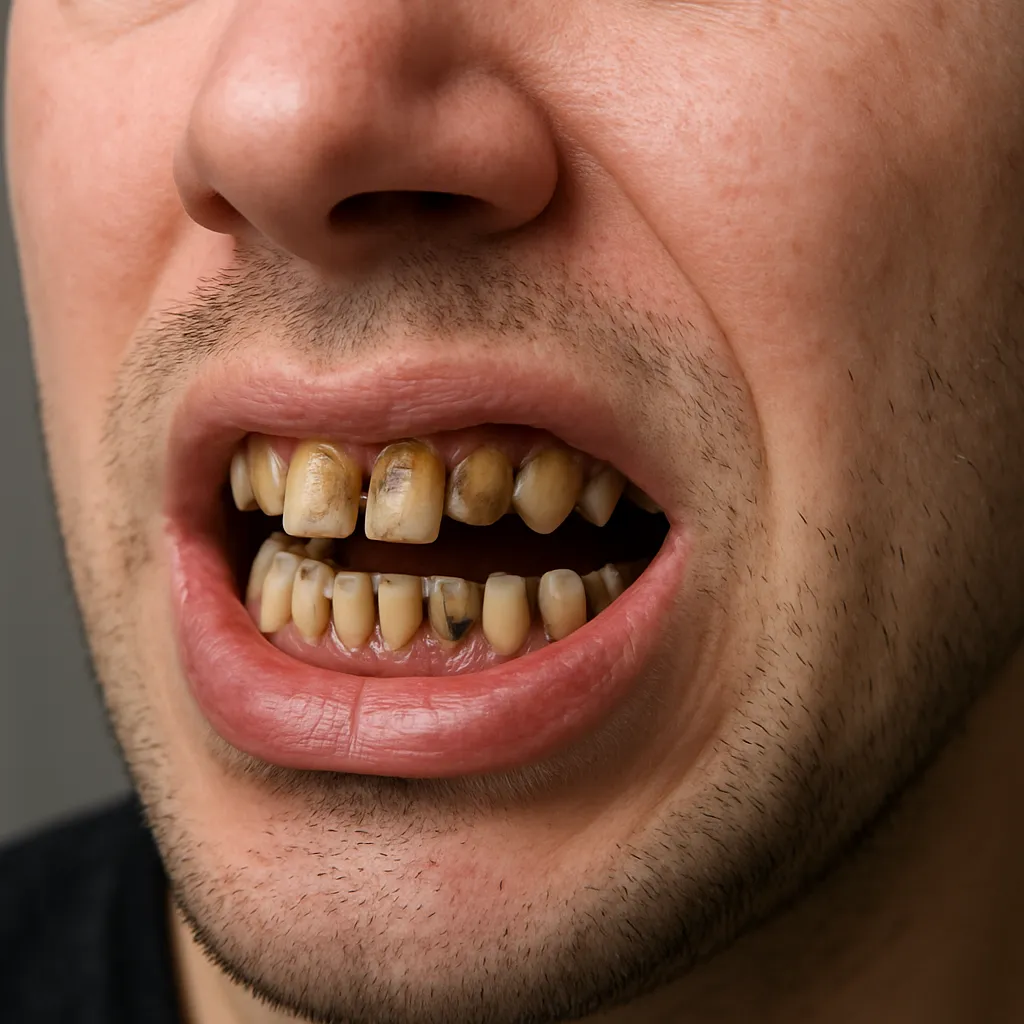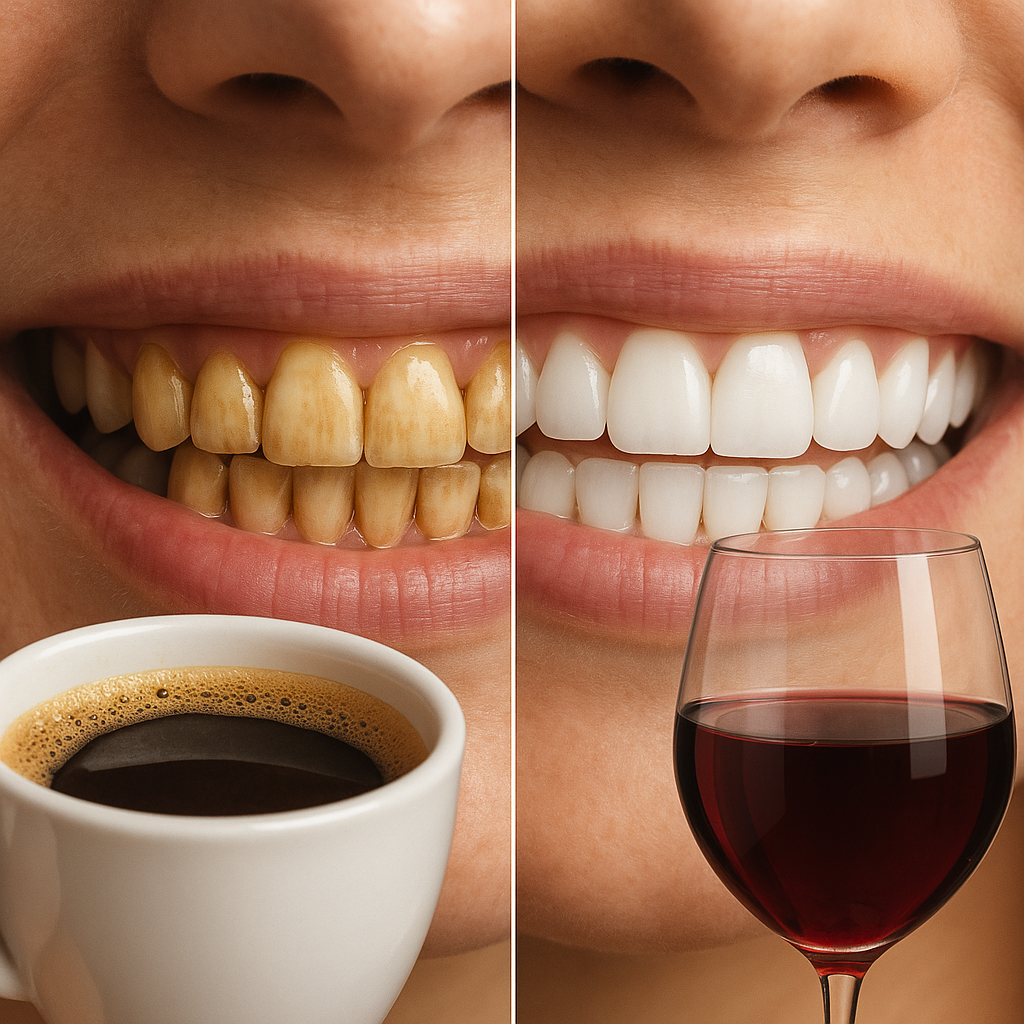
Coffee and wine rank among the most cherished beverages worldwide, yet they carry hidden consequences for your oral health. As dentists increasingly observe, habitual consumption can lead to tooth staining, enamel erosion, and heightened sensitivity. This article delves into how these popular drinks affect your teeth and offers practical guidance to maintain a radiant smile.
Coffee’s Impact on Dental Enamel
Coffee’s deep color and aromatic appeal are derived from compounds that interact directly with tooth enamel. Over time, pigments and tannins adhere to microscopic grooves on the enamel surface, resulting in noticeable discoloration. Beyond cosmetic concerns, coffee’s slightly acidic nature can weaken enamel, increasing the risk of decay.
Staining Mechanisms
- Polyphenols and polyphenols-derived pigments bind to enamel proteins.
- The porous structure of enamel absorbs coffee pigments more readily than dentin.
- Frequent sips prolong pigment contact, deepening staining.
Effects on Saliva and pH Balance
Coffee can reduce saliva production, leading to dry mouth and diminished natural cleansing. Lower saliva flow combined with coffee’s pH of around 5.0 to 6.0 promotes an environment where acids linger, exacerbating enamel erosion and increasing susceptibility to cavities.
Managing Coffee-Related Risks
- Rinse with water immediately after consumption to neutralize acidity.
- Use straw to minimize direct contact with front teeth.
- Wait 30 minutes before brushing to avoid brushing softened enamel.
- Incorporate a fluoride mouthwash to bolster enamel remineralization.
Wine’s Influence on Oral Health
Wine, especially red, contains potent chromogens and tannins, making it notorious for tooth discoloration. White wine may seem harmless, yet its high acidity (pH 2.9–3.5) can erode enamel even if it lacks deep pigments.
Acidity and Erosion
- Low pH levels soften enamel, reducing microhardness and structural integrity.
- Frequent wine tasting prolongs acid exposure, accelerating mineral loss.
- Combined with sugar in dessert wines, the risk of bacterial decay escalates.
Tannins, Chromogens, and Stains
- Tannins increase the adherence of chromogenic molecules to tooth surfaces.
- Red wines’ anthocyanins are highly pigmented, causing persistent staining.
- Proper oral hygiene can mitigate but not entirely prevent discoloration.
Combined Consumption and Protective Strategies
Many enjoy pairing coffee with pastries for breakfast and complementing dinners with wine. This dual exposure intensifies enamel wear and pigment accumulation. Dentists recommend a multifaceted approach to counteract these effects.
Preventive Oral Care Protocols
- Brush twice daily with a fluoride toothpaste after allowing enamel to reharden.
- Floss daily to remove plaque where coffee and wine pigments accumulate.
- Rinse between coffee and wine sessions with plain water or a neutralizing mouthwash.
- Chew sugar-free gum to stimulate saliva and buffer oral acidity.
Role of Specialized Dental Products
- Toothpastes containing potassium nitrate and fluoride promote desensitization and remineralization.
- Whitening toothpastes with mild abrasives polish surface pigments without excessive enamel wear.
- Prescription-strength fluoride gels strengthen enamel and enhance mineral deposition.
Advanced Whitening Treatments
For individuals experiencing persistent discoloration, professional whitening provides effective solutions:
- In-office bleaching using high-concentration peroxide gels can lighten teeth several shades in a single visit.
- Customized take-home trays maintain results with lower-concentration gels monitored by your dentist.
- Laser-activated bleaching accelerates peroxide breakdown, reducing chair time.
Maintaining Long-Term Oral Wellness
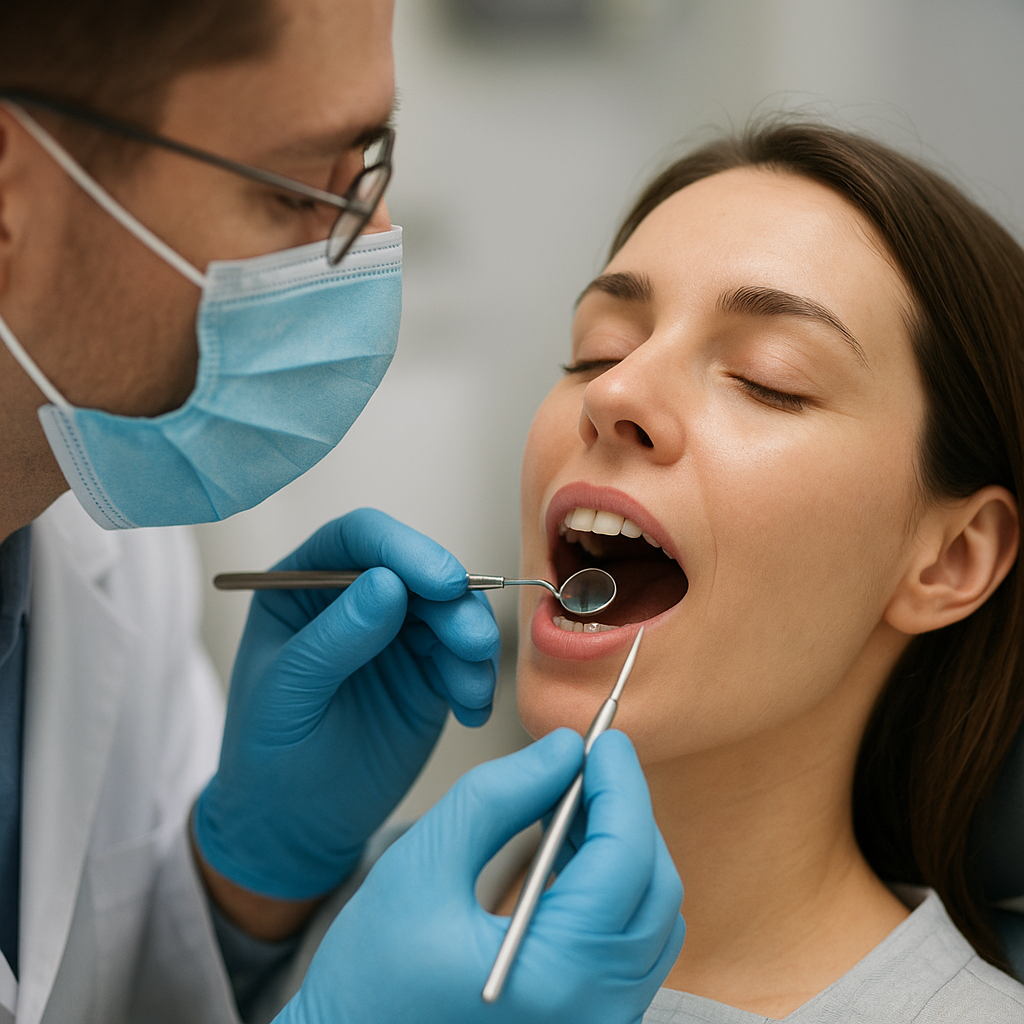
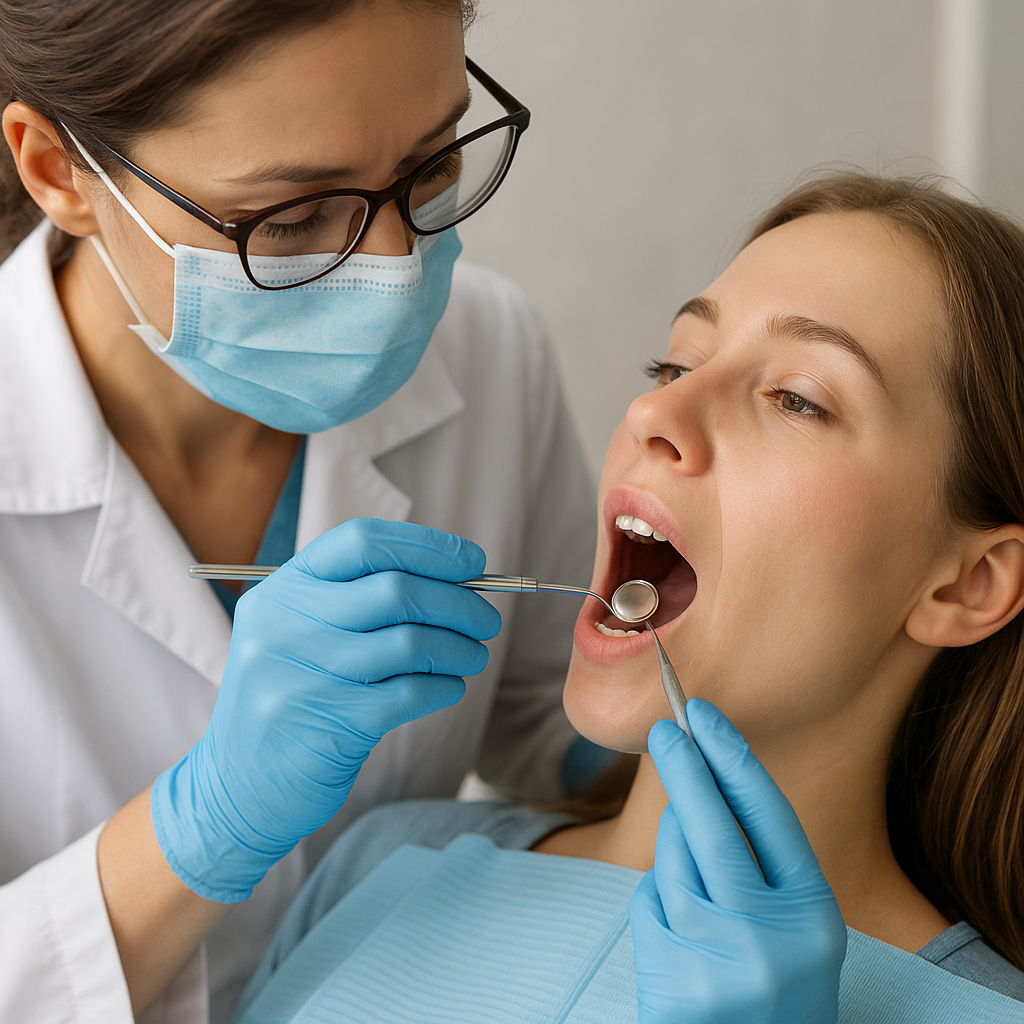
Beyond addressing immediate staining and erosion, dentists emphasize comprehensive care. Regular check-ups, professional cleanings, and patient education form the cornerstone of enduring tooth health. By combining lifestyle adjustments with targeted dental interventions, you can continue to enjoy coffee and wine without sacrificing the brilliance of your smile.