Maintaining a strong connection between your oral health and overall well-being is essential. Recent research highlights how diligent care of teeth, gums, and the mouth’s microbial environment can influence the body’s defense mechanisms. By exploring the intricate relationship between daily dental routines and immune performance, individuals can harness simple practices to support robust health.
The Oral Microbiome and Immune Communication
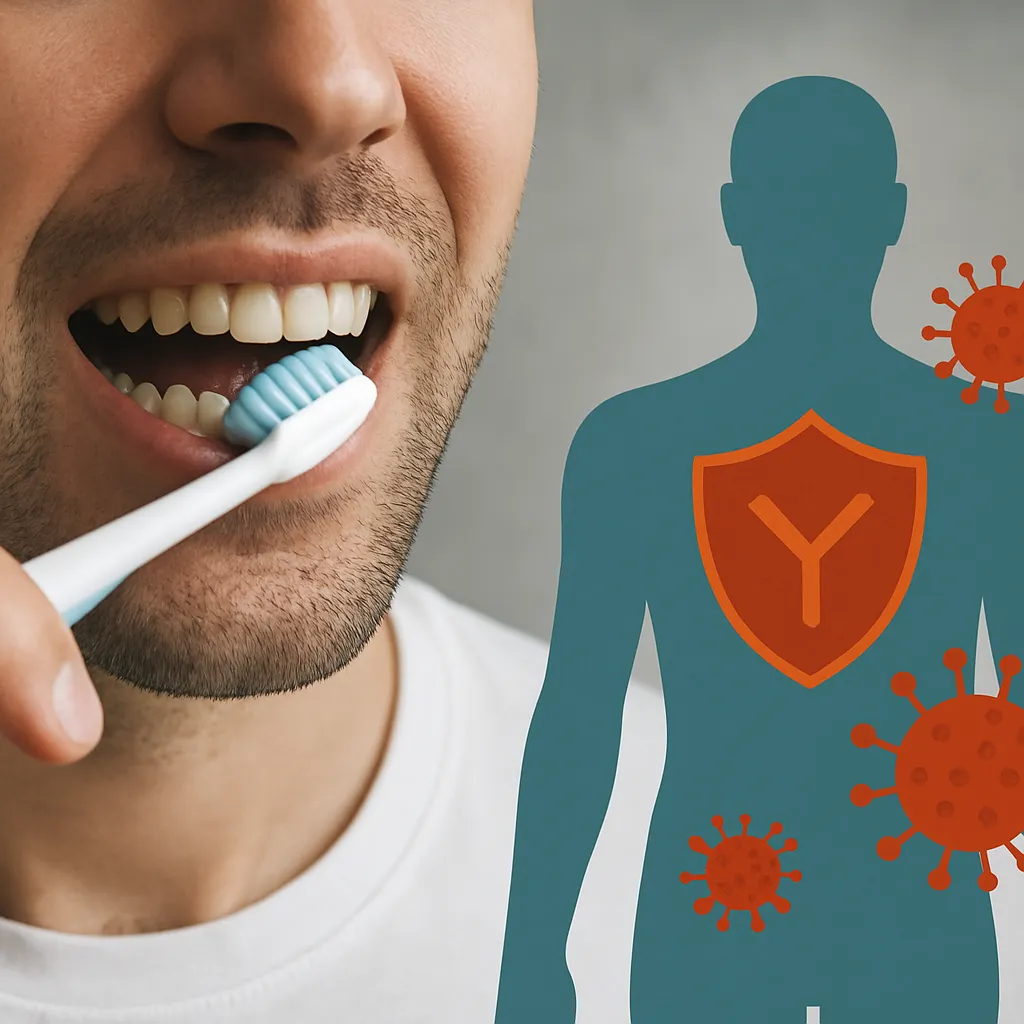
The human mouth hosts a complex community of bacteria, fungi, and viruses commonly referred to as the oral microbiome. In a balanced state, these microorganisms contribute to digestion and form a barrier against harmful invaders. However, poor oral hygiene allows pathogenic species to flourish, leading to imbalances known as dysbiosis. This shift triggers an immune response that goes beyond the mouth, impacting systemic health.
Immune cells in the gums, such as macrophages and neutrophils, continuously monitor the microbial population. When they detect excessive pathogens or plaque buildup, these cells release signaling molecules called cytokines. Although cytokines play a vital role in mobilizing defenses, an overproduction can result in chronic inflammation at both local and distant sites. Prolonged inflammatory signals have been linked to conditions like cardiovascular disease, diabetes, and respiratory ailments.
By understanding the dialogue between the oral microbiome and immune system, dental professionals can recommend targeted interventions. These may include specialized mouth rinses, probiotic supplements, or dietary adjustments that foster beneficial bacterial growth. Strengthening this microbial balance helps maintain a state of immune readiness without triggering harmful inflammation.
How Periodontal Disease Impacts Systemic Immunity
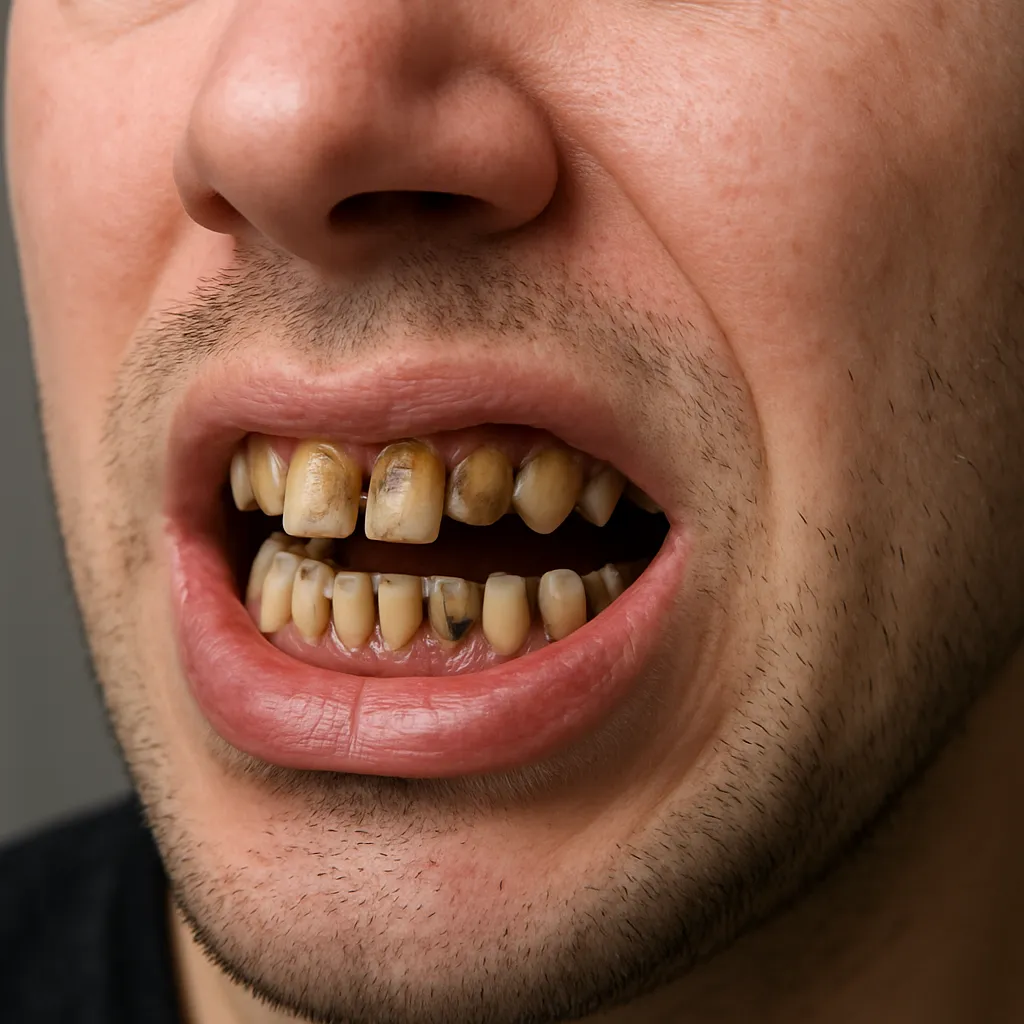
Periodontal disease, an advanced form of gum inflammation, exemplifies the far-reaching consequences of oral neglect. When plaque hardens into tartar, the resulting pockets around teeth become reservoirs of destructive bacteria. As immune cells attempt to eradicate these microbes, they inadvertently damage surrounding tissue and bone. Over time, this process can lead to tooth loss and chronic immune activation.
Research has demonstrated that individuals with untreated periodontal disease often exhibit elevated levels of systemic markers associated with cardiovascular risk. For example, inflammatory mediators like C-reactive protein (CRP) and interleukin-6 (IL-6) can rise when oral infections persist. These molecules travel via the bloodstream, instigating endothelial dysfunction and promoting arterial plaque formation.
Furthermore, periodontal bacteria have been detected in distant organs, indicating that oral pathogens can translocate beyond the mouth. This phenomenon underscores the importance of timely professional interventions such as scaling, root planing, and antibiotic therapy when necessary. Controlling gum disease not only preserves the integrity of the periodontal tissues but also alleviates undue strain on systemic immune defenses.
Daily Habits to Reinforce Oral and Immune Health
Adopting consistent and effective home care practices forms the cornerstone of preventive dentistry. Below are key strategies recommended by dentists to support both oral hygiene and the immune system:
- Brush twice a day with a fluoride toothpaste to remove plaque and neutralize bacterial acids.
- Floss daily to clean interdental spaces where pathogens often thrive.
- Use an antibacterial mouthwash to reduce bacterial load and freshen breath.
- Maintain adequate hydration to stimulate saliva flow, which buffers acids and delivers antibodies.
- Limit sugary and acidic foods that promote enamel erosion and bacterial proliferation.
- Incorporate nutrient-rich foods, such as leafy greens and dairy, to support tissue repair and immune cell function.
Complement these steps with lifestyle choices that bolster immunity, including regular exercise, adequate sleep, and stress management techniques. Chronic stress, in particular, can suppress immune activity and exacerbate oral infections by reducing saliva production and altering bacterial composition.
Professional Care and Advanced Immune Support
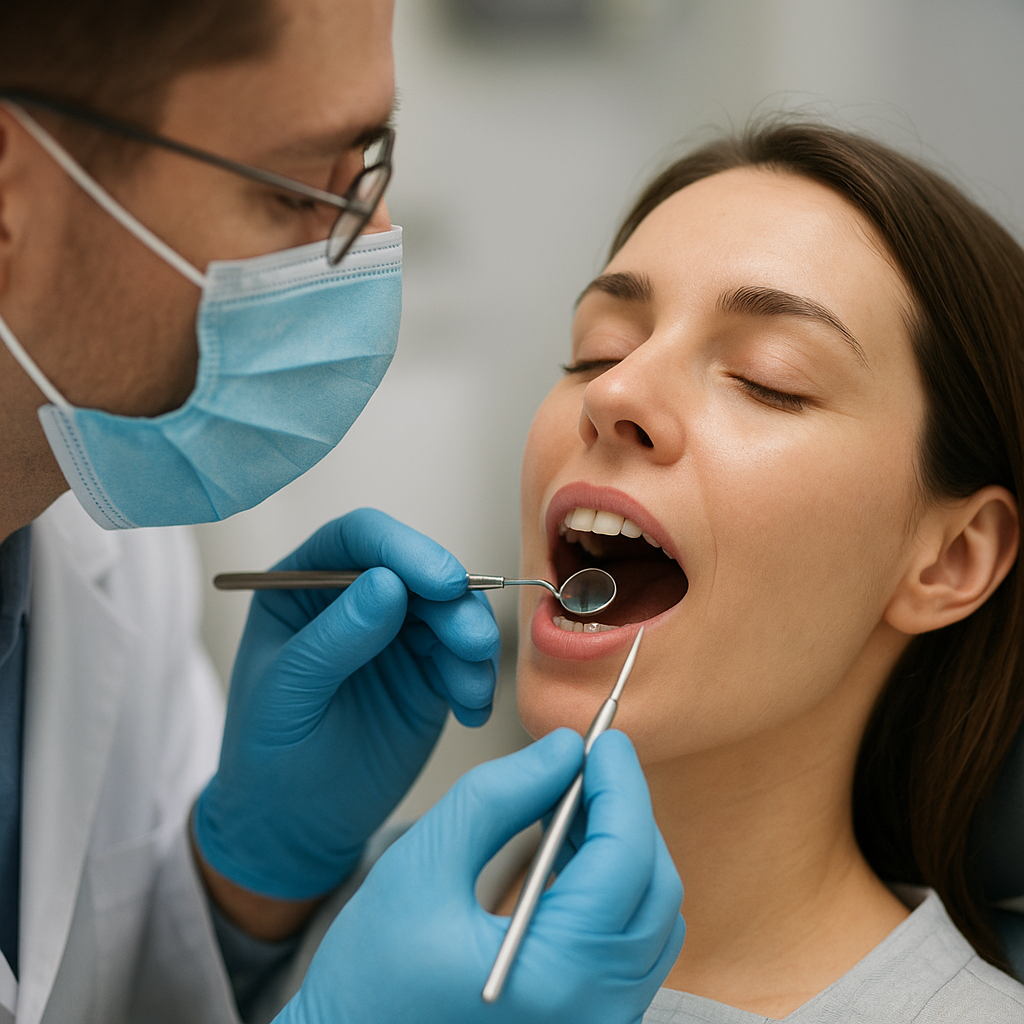
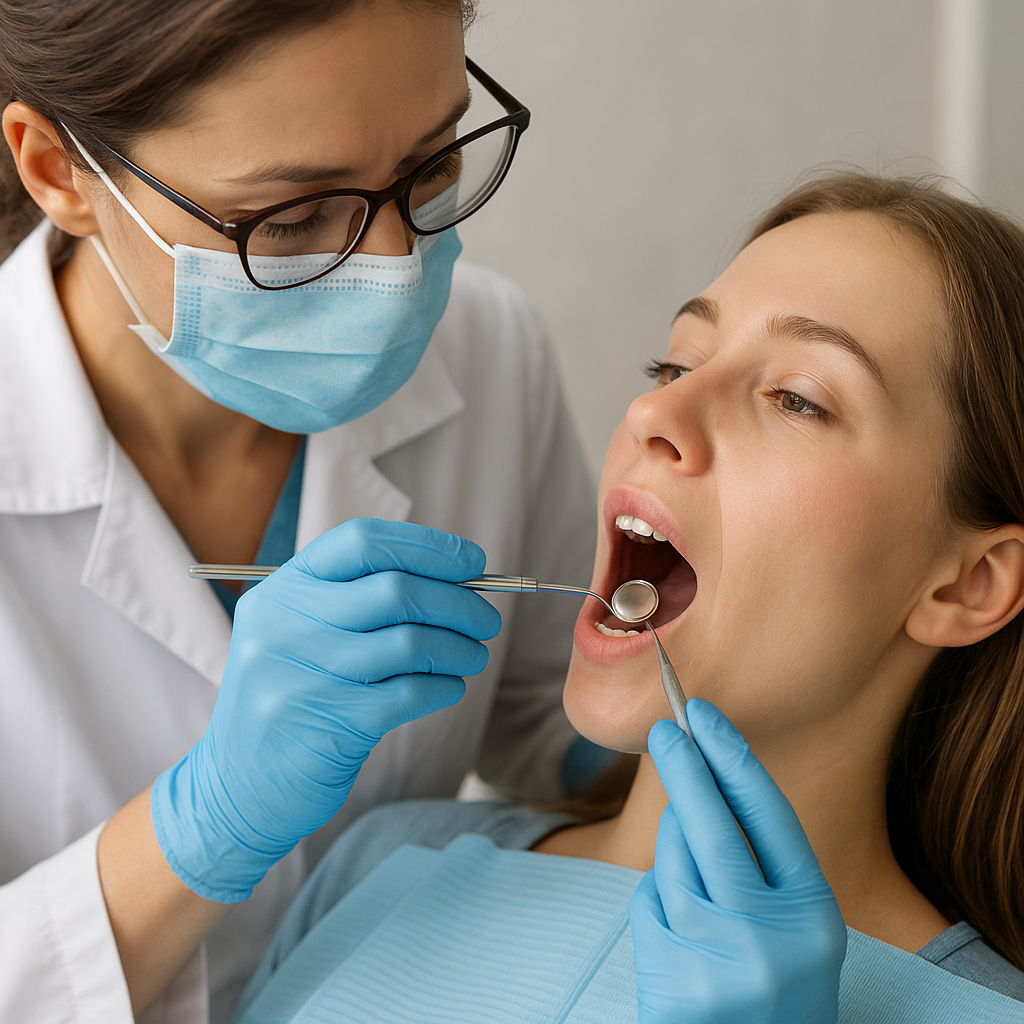
Regular dental check-ups play a pivotal role in early detection and management of oral conditions that threaten systemic health. During clinical visits, dentists assess gum health, perform professional cleanings, and may employ diagnostic tools such as digital radiography to uncover hidden issues.
For patients at higher risk of immune compromise—such as those undergoing chemotherapy or living with autoimmune disorders—dentists often coordinate care with medical providers. This collaborative approach ensures that any invasive procedures, like tooth extractions or periodontal surgeries, are scheduled when blood counts and immune parameters are optimal.
Additionally, emerging therapies are enhancing the link between dental and medical care. Techniques such as laser-assisted periodontal therapy help reduce bacterial loads with minimal tissue trauma, promoting faster healing and decreased inflammatory burden. Probiotic mouth formulations are also under investigation for their potential to establish a protective microbial community that supports both oral and systemic immunity.
Nutrition, Supplements, and Oral Ecology
Dietary choices influence the substrate available for oral bacteria and the body’s ability to mount an effective immune response. Key nutrients include:
- Vitamin C – critical for collagen synthesis and gum tissue resilience.
- Vitamin D – modulates antimicrobial peptide production and supports bone health.
- Calcium – necessary for tooth mineralization and skeletal strength.
- Omega-3 fatty acids – reduce inflammatory mediators and promote healing.
- Antioxidants – neutralize free radicals produced during immune reactions.
By consuming a balanced diet or using targeted supplements under professional guidance, individuals can create an internal environment that discourages pathogenic overgrowth. A nutrient-rich system equips immune cells to respond swiftly to microbial challenges in the mouth, mitigating the risk of chronic inflammation.
Integrating Technology for Personalized Oral Care
Advances in digital dentistry and wearable health monitors are paving the way for personalized oral-immune support. Smart toothbrushes now track brushing patterns and pressure, offering real-time feedback to optimize technique. Salivary diagnostics devices capture biomarkers for early detection of inflammation, oxidative stress, and even viral infections.
These innovations empower patients to take proactive measures, guided by data that reflect their unique oral ecology. When combined with telehealth consultations, dental professionals can adjust preventive strategies and treatment plans more rapidly, ensuring that both oral and systemic immunity remain in balance.