Maintaining a bright, healthy smile goes beyond aesthetics—it significantly shapes the way others perceive us. From casual encounters to professional meetings, your oral hygiene can make an instant statement about your personal care and overall well-being. Dentists often emphasize that proper mouth care not only prevents disease but also enhances social interactions and opens doors to new opportunities. This article explores how oral hygiene impacts first impressions, backed by insights from dental professionals and practical advice to elevate your daily routine.
Appearance and Self-Confidence
First impressions are largely visual. When you walk into a room, your smile is one of the first features people notice. A clean, well-maintained dental appearance conveys confidence and self-assurance. Conversely, visible stains or chipped enamel can create doubts about your personal habits and attention to detail.
Teeth Color and Alignment
- Whiteness: Bright, white teeth are often associated with youth and vitality. A professional whitening session or at-home products recommended by your dentist can remove years of discoloration caused by food, drinks, or smoking.
- Straightness: Crooked teeth may distract from your facial aesthetics. Orthodontic treatments—such as braces or clear aligners—help achieve a symmetrical smile that positively influences onlookers.
Smile Dynamics and Facial Expression
A genuine smile involves more than showing teeth; it engages facial muscles around the eyes. When you pair a confident grin with proper oral hygiene—fresh breath and healthy gums—you project warmth and approachability. Dental professionals stress that gum health is as important as the teeth themselves for a well-rounded smile.
The Science Behind Oral Health and Social Perception
Beyond visual factors, the mouth is home to billions of microscopic organisms. Without diligent care, harmful bacteria can flourish, leading to unpleasant odors and infections. Understanding the science helps emphasize why maintaining oral health is crucial for favorable first impressions.
Role of Bacteria and Bad Breath
Halitosis, or persistent bad breath, often results from anaerobic bacteria thriving in the mouth’s crevices. These microbes break down food particles and release sulfur compounds, producing an offensive odor. Regular brushing, flossing, and tongue cleaning disrupt bacterial colonies, ensuring your breath remains fresh and inviting.
Plaque, Gum Disease, and Medical Risks
- Plaque Buildup: A sticky film of bacteria that adheres to tooth surfaces. If not removed, plaque hardens into tartar, irritating gums and contributing to gingivitis.
- Gingivitis and Periodontitis: Early gum inflammation (gingivitis) can progress to periodontitis, a serious condition causing tissue and bone loss. Research links chronic gum disease to systemic issues like cardiovascular disease and diabetes.
- Overall Health: Dentists highlight the mouth-body connection. Good oral health can lower inflammation markers in the bloodstream, fostering better general well-being and giving others a positive impression of your health-focused lifestyle.
Practical Tips from Dentists to Impress Others
Adopting the right techniques and scheduling routine professional care are key steps to maintain a dazzling smile. Dentists recommend a combination of daily habits and periodic check-ups.
Daily Brushing and Flossing Techniques
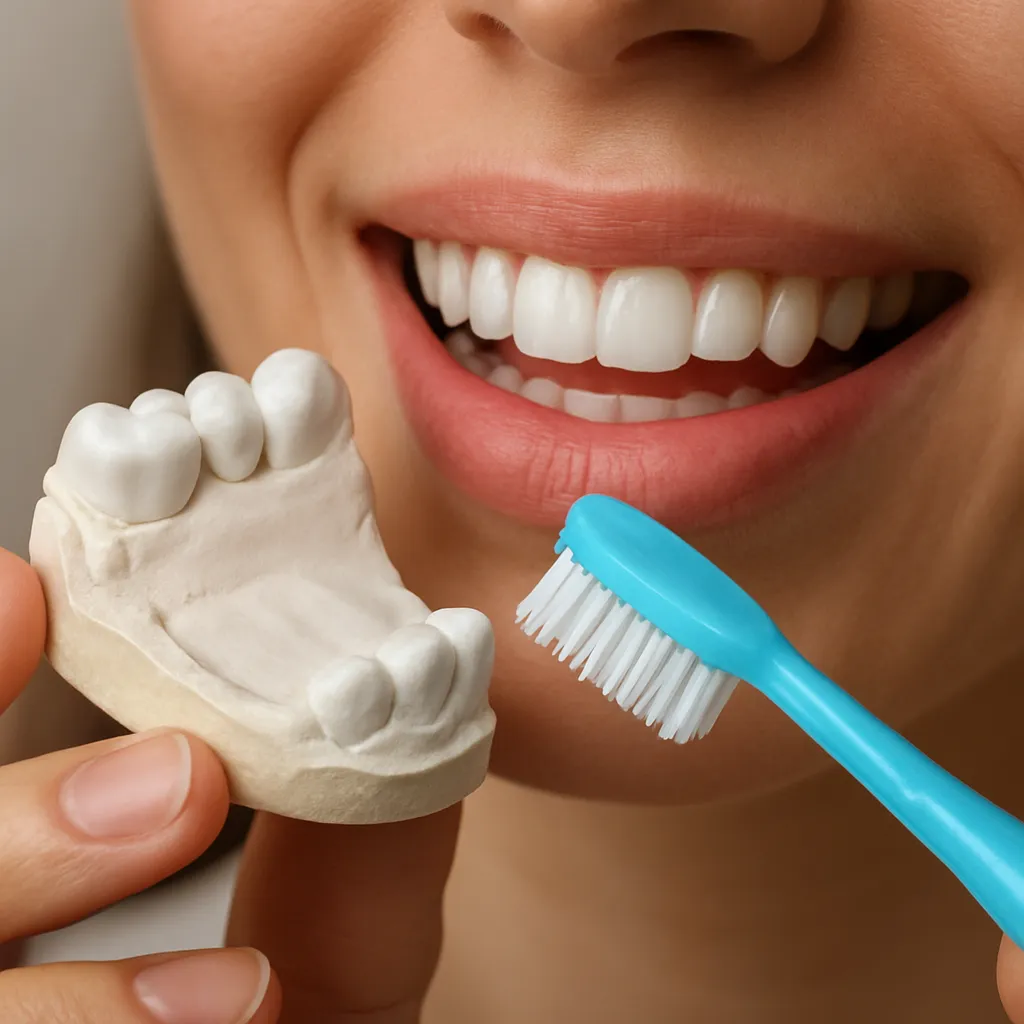
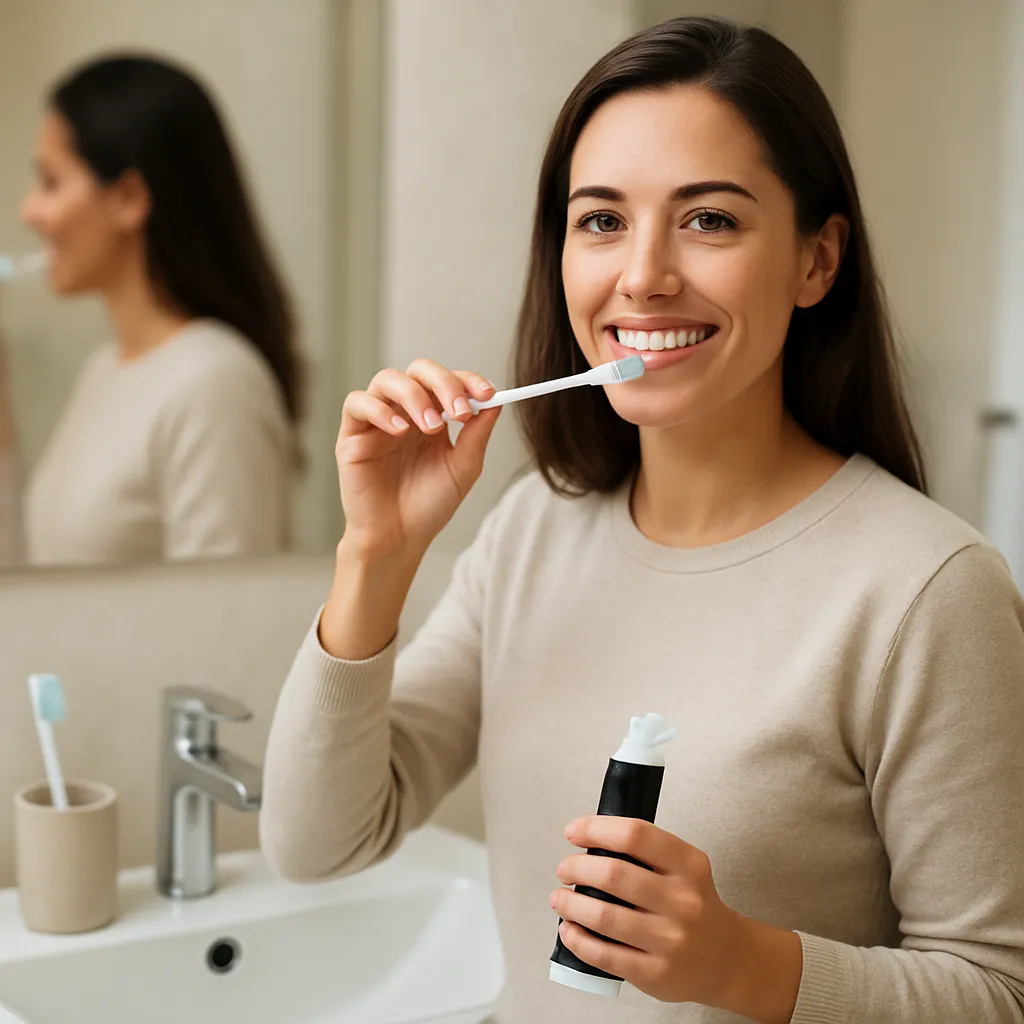
- Brushing: Use a soft-bristled toothbrush and fluoride toothpaste. Brush at a 45-degree angle to the gumline for two minutes, covering all tooth surfaces.
- Flossing: Proper flossing removes debris between teeth and below the gumline. Slide the floss gently up and down, hugging each tooth in a C-shape.
- Tongue Cleaning: A specialized scraper or toothbrush can sweep away bacteria that cause bad breath. Tongue hygiene enhances overall mouth cleanliness.
Professional Dental Care and Check-Ups
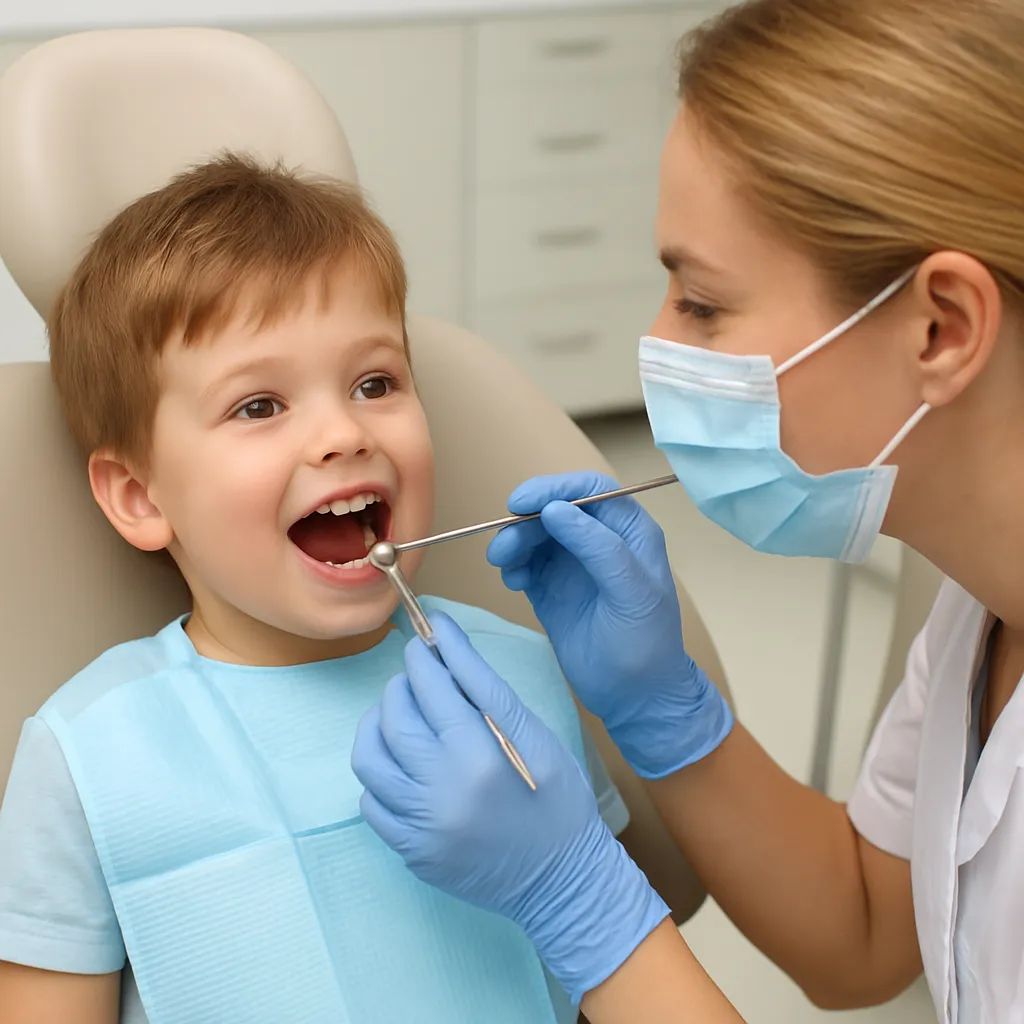
Regular dental visits—every six months or as advised—allow for thorough cleanings and early detection of potential issues. Dental hygienists use specialized instruments to remove tartar and polish teeth, resulting in a brighter smile. Meanwhile, dentists perform examinations to screen for cavities, gum disease, and even oral cancer.
Building Long-Lasting Impressions
Consistency is the cornerstone of exceptional oral hygiene. When individuals notice your unwavering commitment to maintaining a radiant, healthy mouth, they subconsciously attribute qualities like professionalism, reliability, and self-respect to you. Whether it’s a job interview, a first date, or meeting a new colleague, a confident smile enhanced by sound dental practices can set the tone for positive interactions.
Choosing the Right Products
- Toothpaste: Look for ADA-approved formulas with fluoride and antibacterial agents. Whitening variants can boost brightness when used properly.
- Mouthwash: An antiseptic rinse fights germs and offers an extra layer of freshness. Alcohol-free options preserve moisture while controlling odor.
- Interdental Tools: Bridges and braces require special brushes or picks to reach tight spaces. Consult your dentist for tailored recommendations.
Dietary Considerations
Limiting sugary foods and acidic beverages prevents enamel erosion and decay. Crunchy vegetables and nuts naturally stimulate saliva flow, which neutralizes acids and aids in cleaning the mouth. Staying hydrated with water helps flush away food particles and maintains a balanced pH level.
Enhancing Social and Professional Outcomes
Investing time and effort in oral hygiene yields dividends beyond personal satisfaction. A fresh, appealing smile is often the gateway to deeper connections and fruitful collaborations. By aligning your daily routine with expert dental advice, you ensure that your first impression resonates with trustworthiness and vibrant well-being.