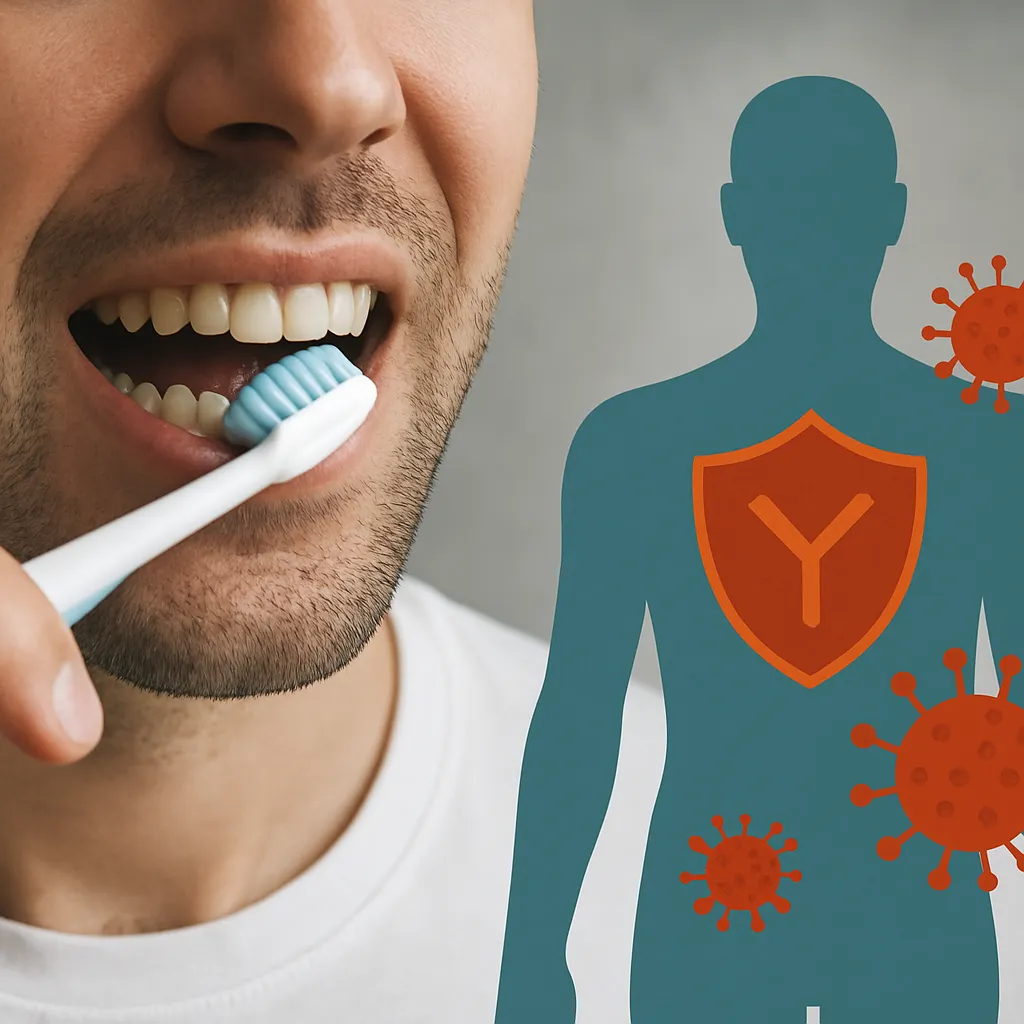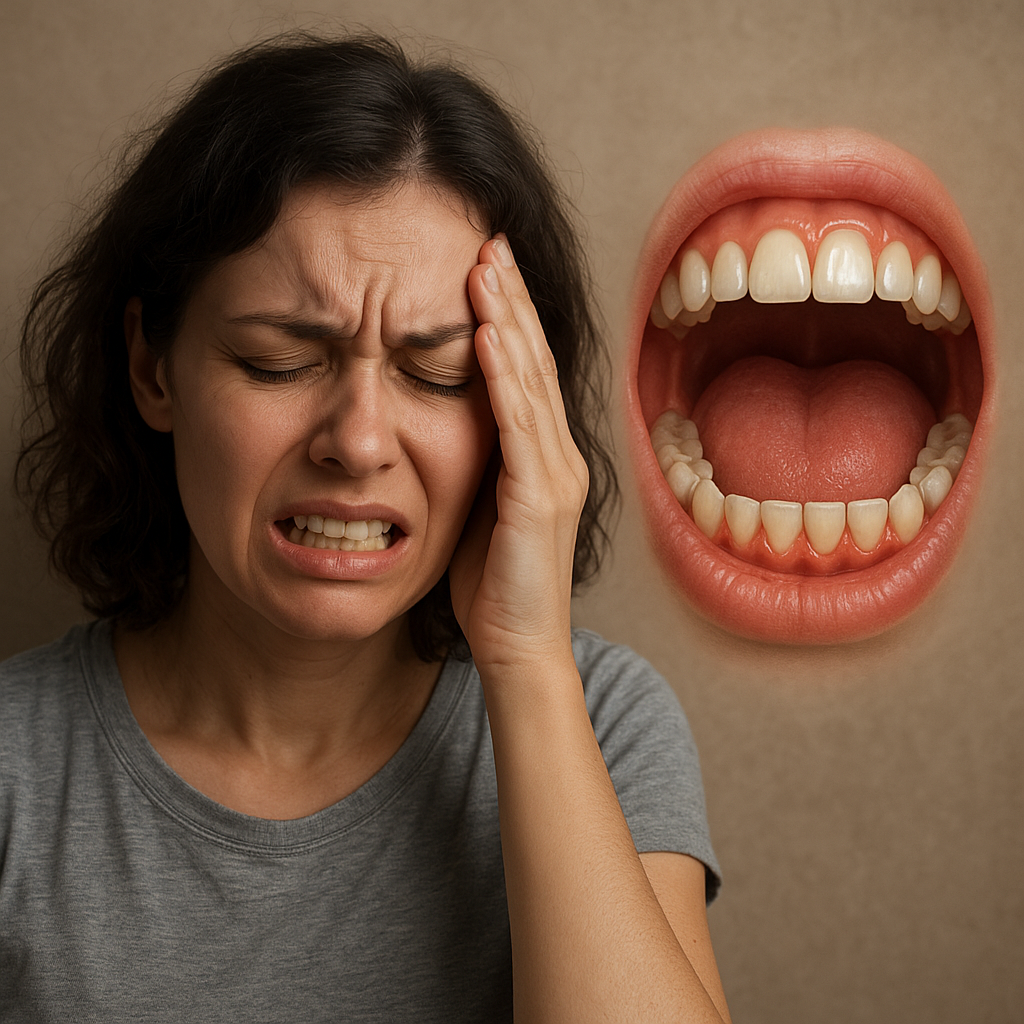
Chronic exposure to modern pressures can leave more than mental scars; it can significantly undermine your oral health. Scientific research highlights a complex network of interactions between psychological tension and the condition of teeth, gums, and soft tissues inside the mouth. This article explores key pathways through which stress contributes to dental problems and offers actionable insights for prevention and management.
The Link Between Stress and Oral Health
When the body reacts to demanding situations, it triggers a cascade of hormonal changes. Cortisol and adrenaline surge to help us cope with perceived threats. However, prolonged elevation of these chemicals can impact saliva production, immune response and wound healing. Saliva plays a crucial role in neutralizing acids, washing away food debris and controlling the growth of bacteria. Under persistent tension, reduced salivary flow—often referred to as xerostomia—creates an environment where harmful microbes multiply unchecked. As plaque accumulates, the risk of cavities and periodontal disease soars.
Mechanisms of Hormonal Impact
- Increased cortisol weakens tissue regeneration and inhibits collagen synthesis.
- Reduced secretions from salivary glands limit the mouth’s natural defense system.
- Altered pH levels encourage enamel demineralization.
These physiological adjustments compromise the mouth’s ability to resist infection and maintain structural integrity.
Effects on Teeth, Gums, and Soft Tissues
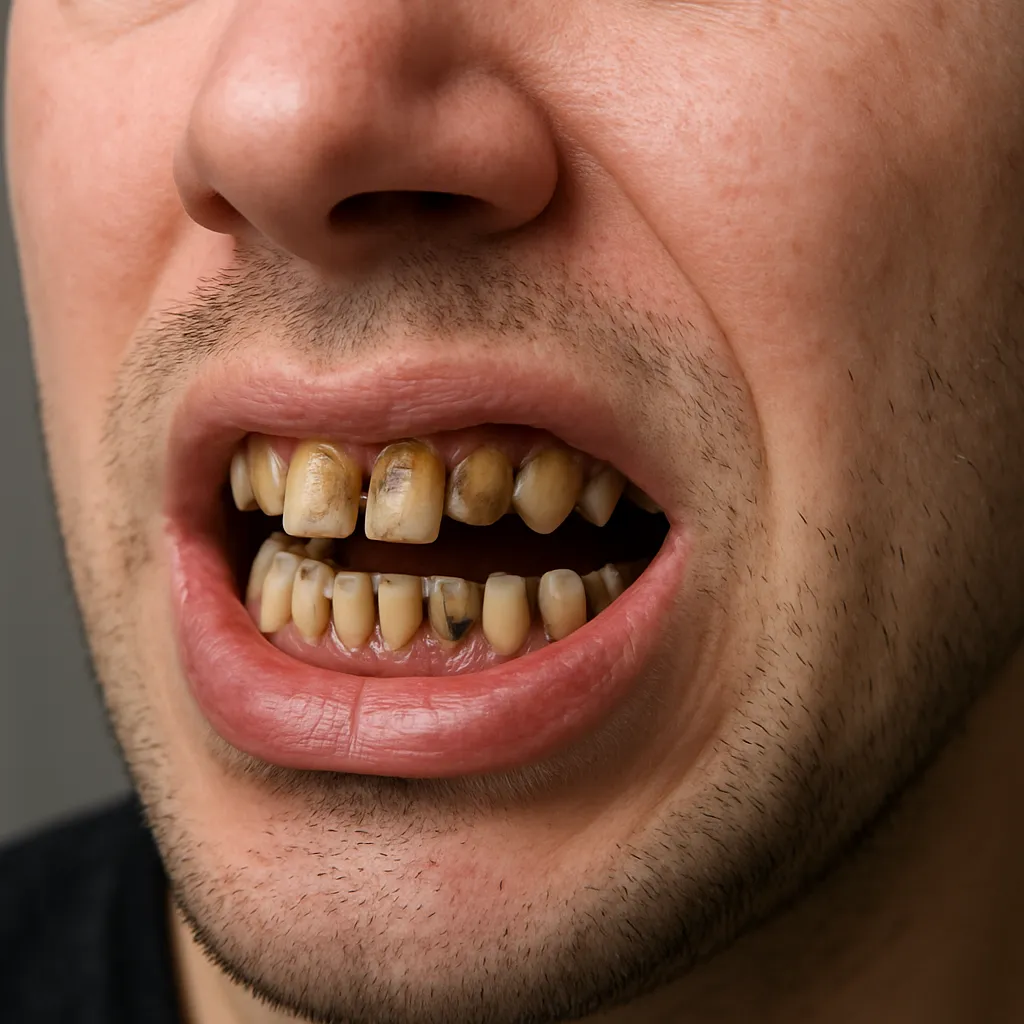
Longstanding stress can manifest in a range of dental issues. For many, the unconscious grinding or clenching of teeth—known as bruxism—leads to fractures, chipped enamel and jaw pain. Continuous pressure on dental structures not only wears down tooth surfaces but also strains the temporomandibular joint (TMJ).
Gum Recession and Periodontal Disease
Inflamed, tender gums may recede when stress-induced behaviors worsen oral hygiene or disrupt blood flow. Gingival pockets deepen, trapping food particles and accelerating bacterial invasion. The immune system—suppressed by persistent distress—struggles to combat these microbial colonies, paving the way for periodontal breakdown and potential tooth loss.
Oral Ulcerations and Mucosal Sensitivity
Stress can also heighten the occurrence of aphthous ulcers and other soft-tissue lesions. Ulcerations often appear as small, painful sores that interfere with eating and speaking. The interplay between psychological load and mucosal health is complex, but increased inflammatory mediators in saliva and local tissue contribute to slower healing times.
Behavioral Factors and Daily Care
Psychological strain frequently drives detrimental habits. From excessive snacking on high-sugar comfort foods to neglecting routine brushing and flossing, everyday choices amplify dental vulnerability. Addressing these patterns offers a practical avenue for maintaining healthy smiles.
- Implement stress-reduction techniques such as mindfulness or deep-breathing exercises to lower cortisol levels and support gum circulation.
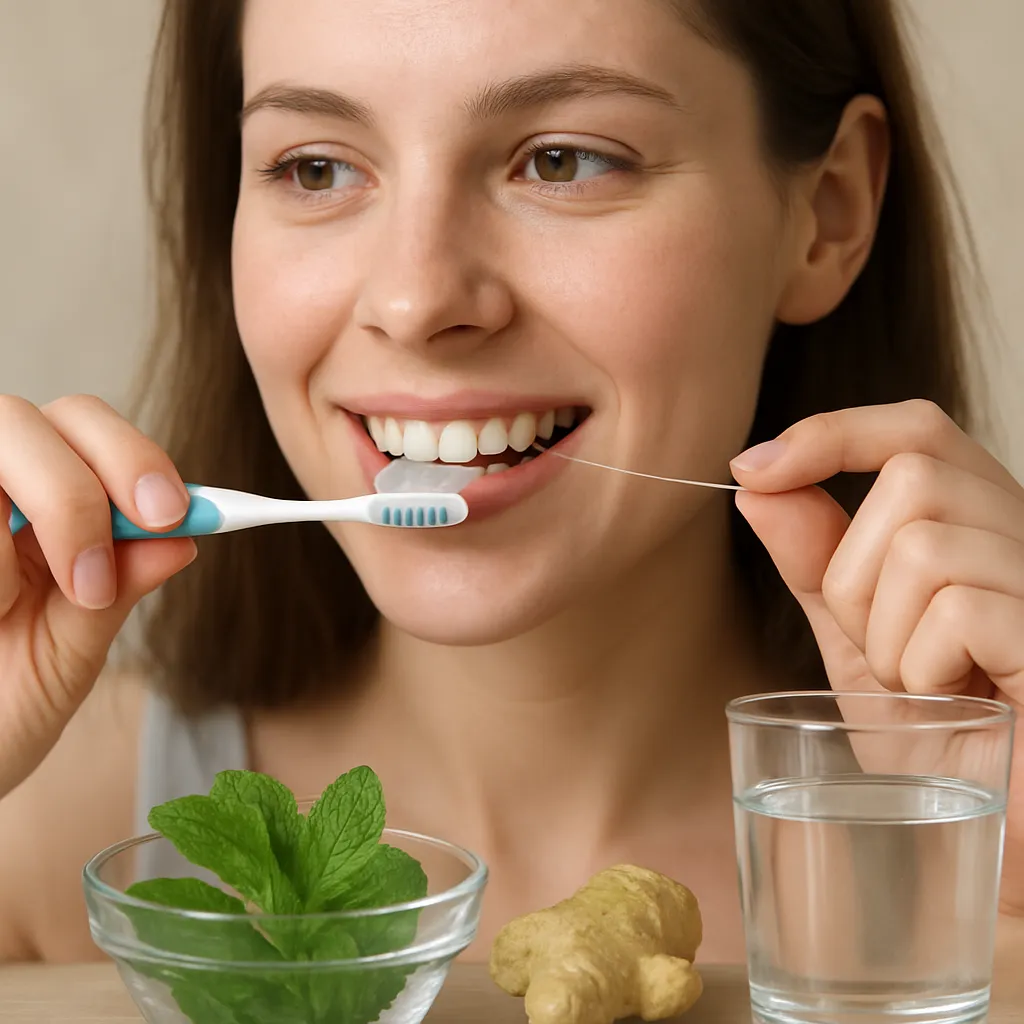
- Establish a consistent oral hygiene regimen: brush for two minutes twice daily with fluoride toothpaste, floss once daily, and rinse with an antimicrobial mouthwash.
- Opt for crunchy fruits and vegetables that stimulate salivary flow and mechanically cleanse tooth surfaces.
- Limit acidic beverages and hard candies that exacerbate enamel erosion.
By focusing on proactive measures, individuals can mitigate the adverse oral effects of emotional tension and enhance overall prevention strategies.
Professional Support and Treatment Strategies
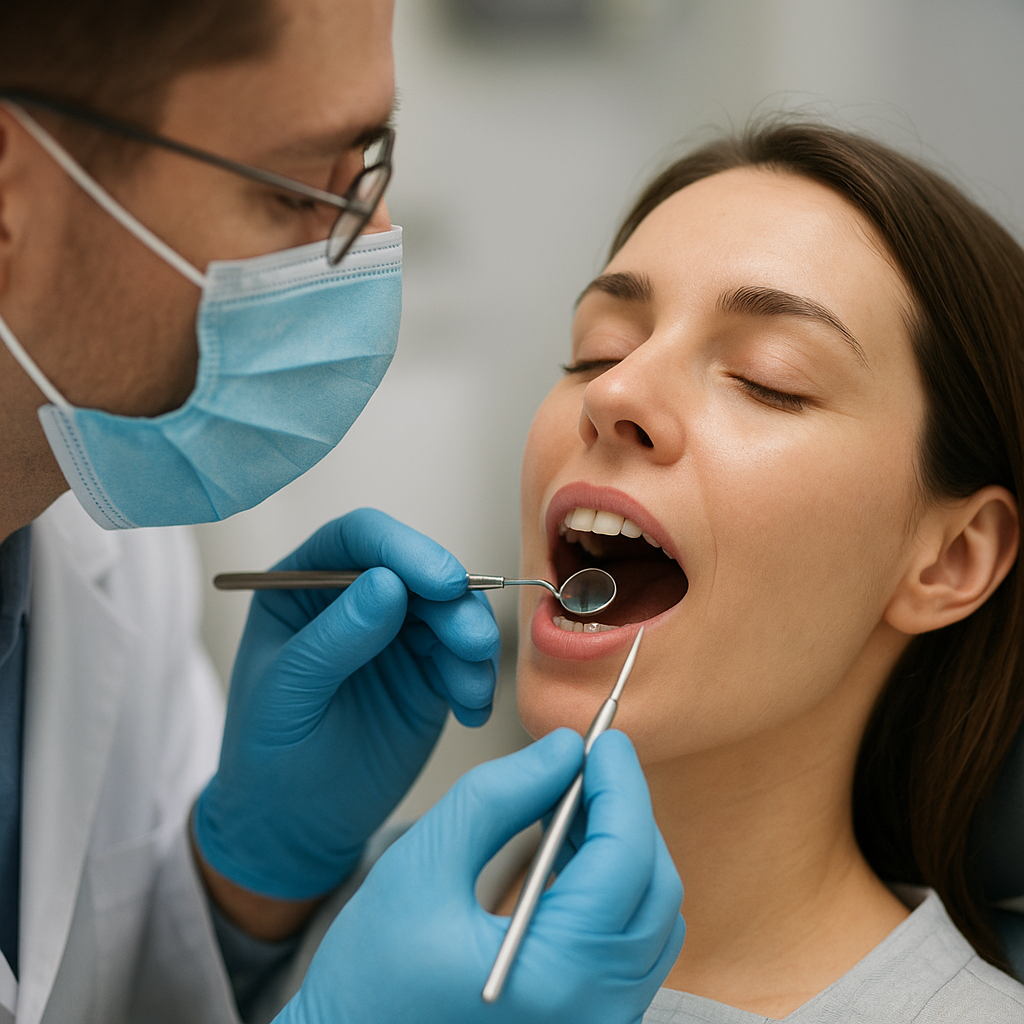
When stress-related dental issues persist, consulting a dental professional becomes essential. Experts can design personalized intervention plans that address both symptomatic relief and root causes.
Night Guards and Bite Splints
For those suffering from severe bruxism, a custom-fitted night guard can shield enamel from further wear. By redistributing biting forces, these appliances protect teeth and alleviate TMJ discomfort.
Salivary Stimulants and Substitutes
In cases of xerostomia, dentists may recommend products that boost or mimic natural saliva. Specialized mouth rinses, lozenges and sugar-free chewing gum containing xylitol promote hydration and help control harmful microbes.
Targeted Periodontal Therapy
Deep cleaning procedures—such as scaling and root planing—remove hardened plaque deposits below the gumline. Combined with antimicrobial treatments, these interventions reduce pockets of inflammation and restore healthier gum attachment.
Behavioral Counseling and Stress Management
Some dental practices partner with mental health professionals to provide integrated care. Teaching relaxation techniques, biofeedback or cognitive behavioral strategies empowers patients to lower physiological markers of stress, thereby reinforcing oral resilience and boosting overall immunity.
Empowering Long-Term Oral Well-Being
Combatting the oral consequences of stress demands a multifaceted approach. Understanding the biological pathways—from hormone fluctuations to microbial shifts—illuminates why maintaining daily care routines is vital. Incorporating regular dental checkups, protective devices and lifestyle adjustments counters the damaging cycle of tension-related deterioration. With timely professional guidance and consistent self-care, individuals can safeguard their smiles, reduce inflammation, prevent gum recession, and manage painful ulcerations. Prioritizing mental balance and oral hygiene paves the way for enduring dental health and confidence.