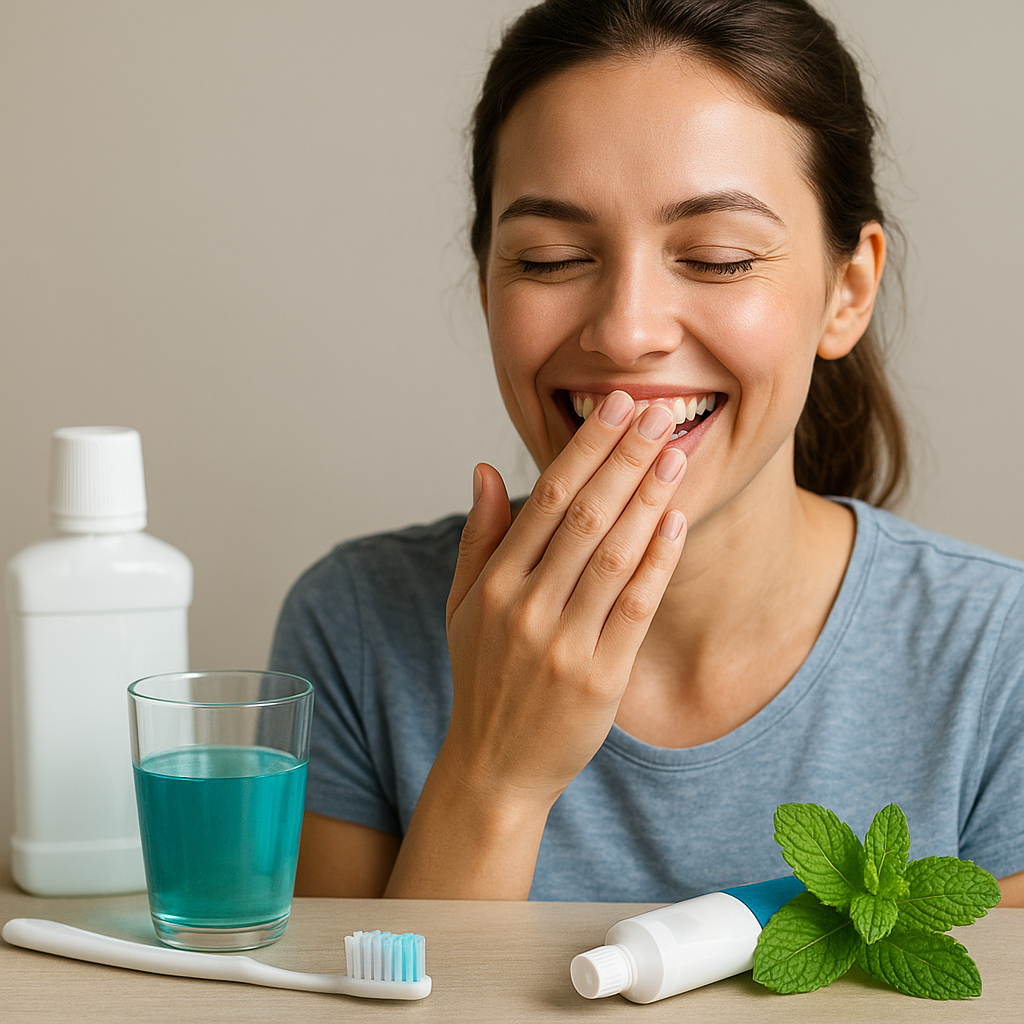
Maintaining fresh breath throughout the day can boost confidence, enhance social interactions, and support overall oral health. While occasional breath odor is normal, persistent halitosis may point to underlying issues. Drawing on insights from dental professionals, this article explores practical routines and expert recommendations for keeping your breath consistently fresh.
Importance of Fresh Breath and Oral Health
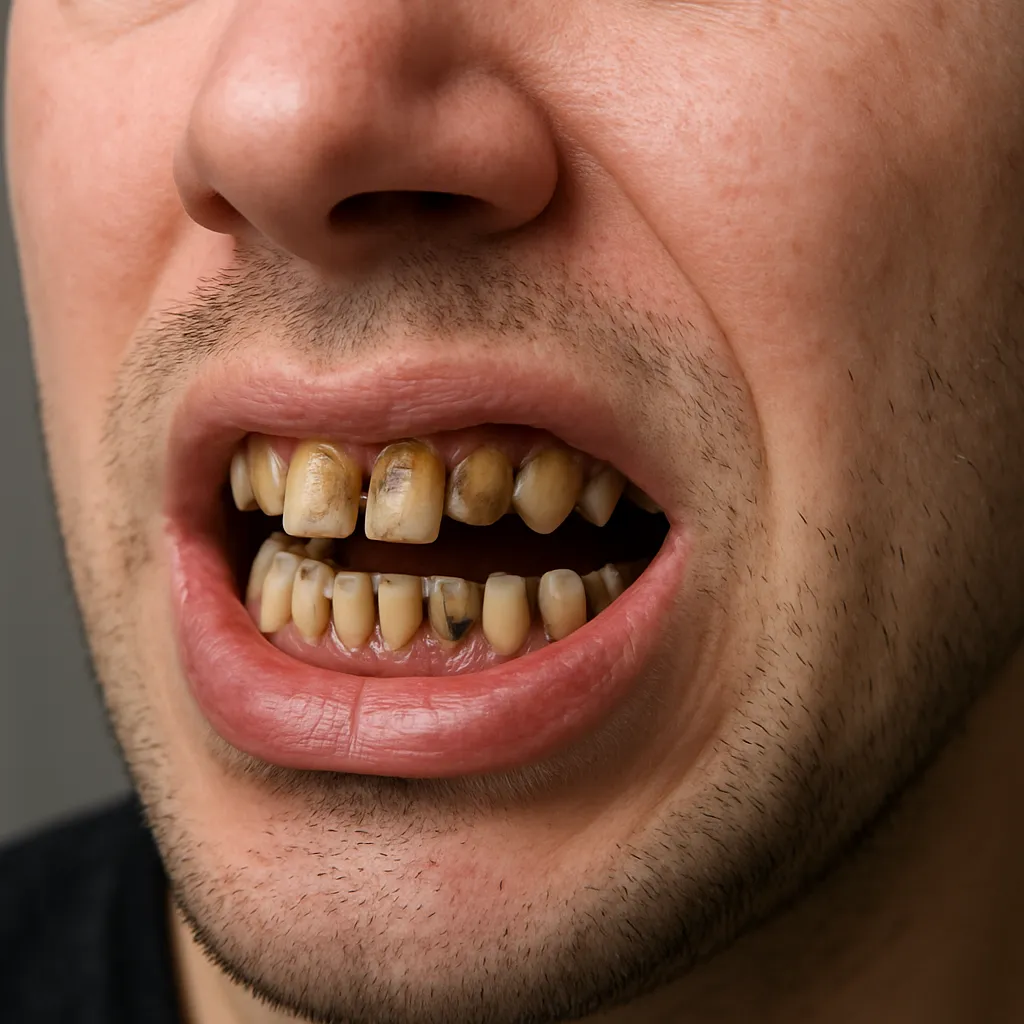
Bad breath, or halitosis, affects millions worldwide and can stem from multiple sources. Understanding these causes empowers you to adopt targeted strategies.
Primary Causes of Halitosis
- Bacterial Plaque: Accumulation on teeth, gums, and tongue harbors odor-producing microbes.
- Poor Oral Hygiene: Infrequent brushing or flossing leaves food debris to decompose.
- Dry Mouth (Xerostomia): Saliva helps cleanse the mouth; reduced flow allows bacteria to thrive.
- Dietary Factors: Strong-smelling foods (garlic, onions, coffee) can linger post-digestion.
- Medical Conditions: Sinus infections, acid reflux, or chronic illnesses may contribute.
Addressing halitosis at its root requires collaboration with a trusted dentist and consistent daily practices.
Daily Oral Hygiene Practices
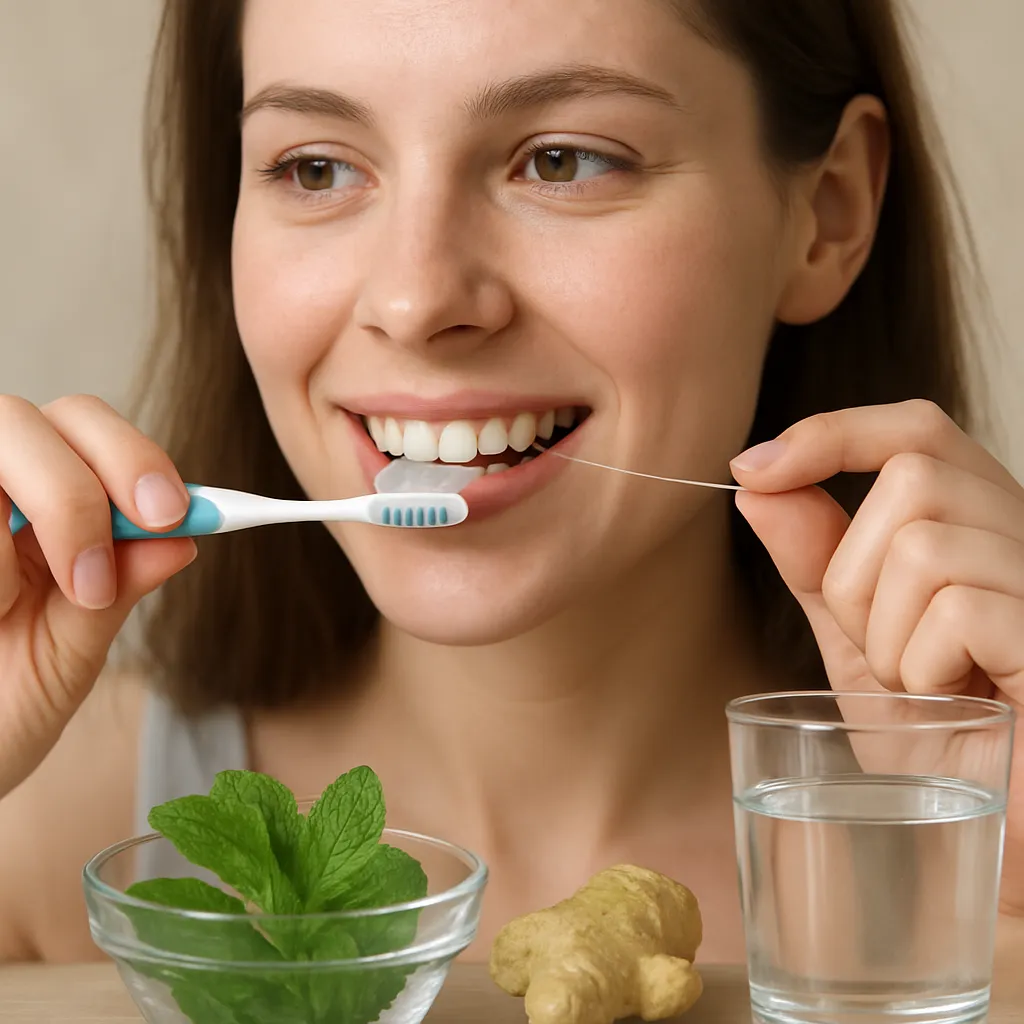
Effective oral care forms the first line of defense against foul breath. Incorporate these steps into your routine:
1. Thorough Brushing Technique
- Brush at least twice daily using a soft-bristled toothbrush and fluoride toothpaste.
- Angle the brush at 45° toward the gumline to remove hidden plaque.
- Spend two full minutes covering all surfaces: outer, inner, and chewing surfaces.
2. Daily Flossing
- Floss once daily to dislodge food particles between teeth.
- Slide the floss gently along each side of the tooth in a C-shaped motion.
- Neglecting interdental cleaning can allow up to 40% of tooth surfaces to remain uncleaned.
3. Tongue Cleaning
- Use a tongue scraper or toothbrush to lightly remove the bacterial film on the tongue’s surface.
- Focus on the middle and back areas, where odor-forming bacteria accumulate.
- Perform this step daily for maximum freshness.
4. Mouthwash and Rinsing
- Choose an alcohol-free mouthwash with antibacterial properties.
- Rinse for 30 seconds after brushing and flossing to flush away loosened debris.
- Some mouthwashes contain chlorhexidine or cetylpyridinium chloride for extra protection.
Diet and Lifestyle Habits for Fresh Breath
A balanced lifestyle complements your oral regimen. Smart choices in diet and daily habits can minimize odor triggers.
1. Stay Hydrated
- Drink water consistently to stimulate saliva production and rinse away food particles.
- Aim for eight glasses daily; adjust based on activity level and climate.
- Caffeinated or alcoholic beverages can dry the mouth; alternate them with water.
2. Choose Breath-Friendly Foods
- Crunchy fruits and vegetables (apples, carrots, celery) act as natural toothbrushes.
- Yogurt with active cultures may reduce hydrogen sulfide—one culprit in bad breath.
- Herbs like parsley or mint contain chlorophyll, a natural deodorizer.
3. Limit Odor-Causing Substances
- Avoid smoking and tobacco products, which dry the mouth and stain teeth.
- Reduce intake of strong spices that can linger in the digestive tract.
- Monitor sugar consumption—sugar fuels bacterial growth and plaque formation.
Professional Dental Tips and Treatments
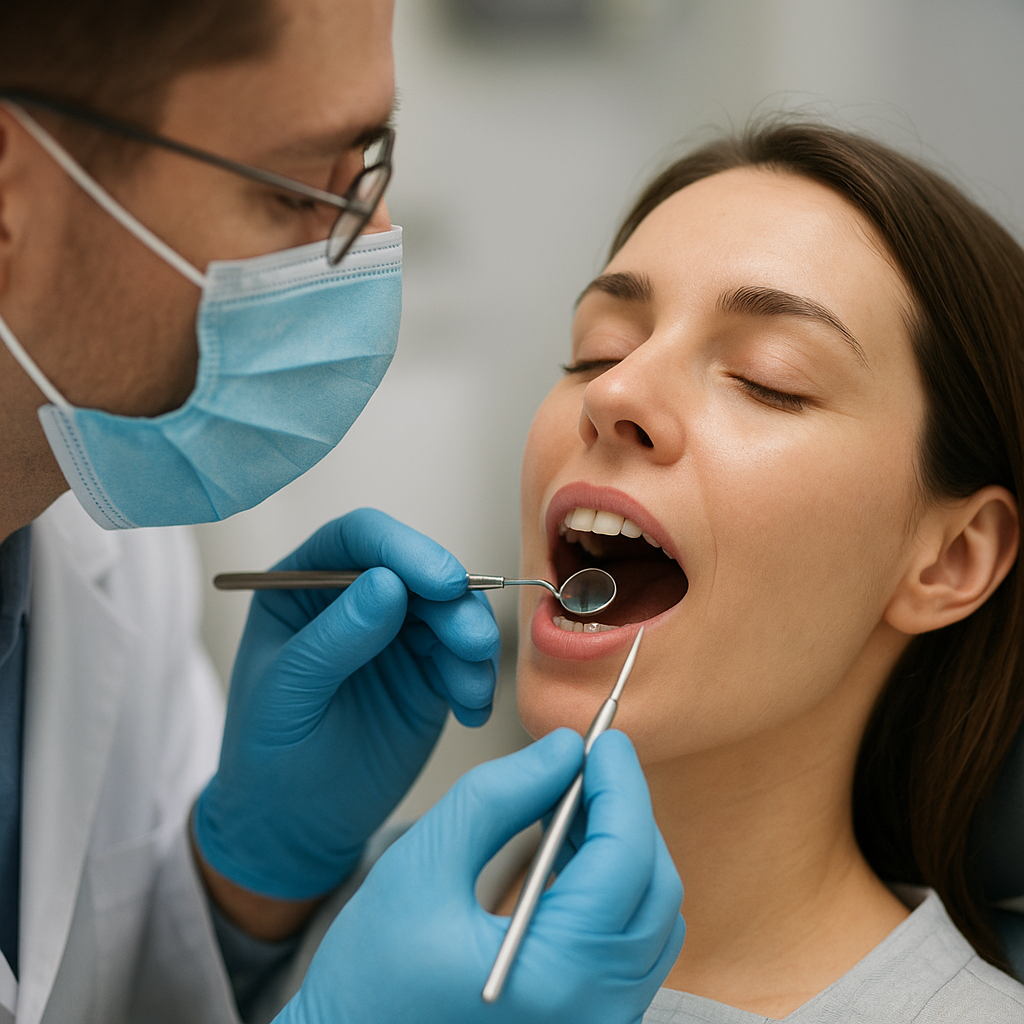
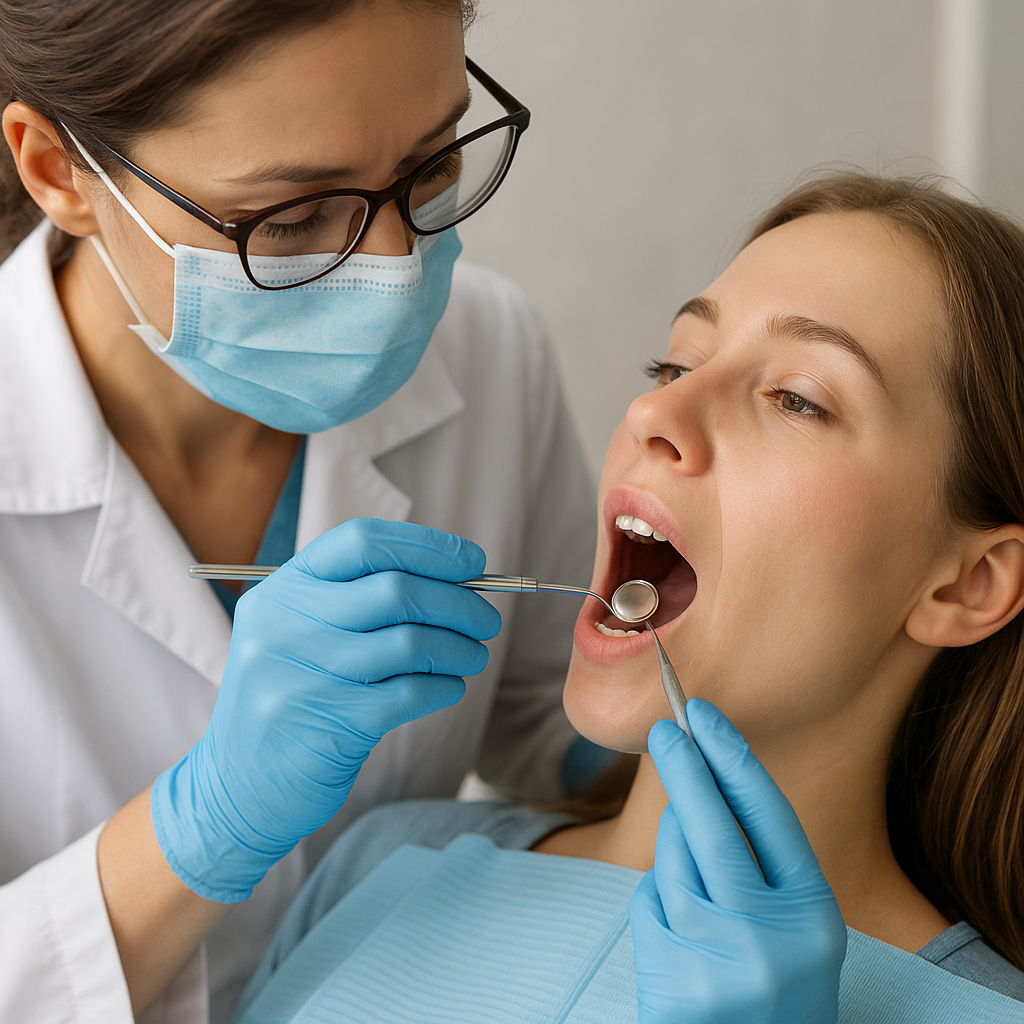
While daily care is critical, regular check-ups with your dentist ensure long-term breath health and identify potential issues early.
1. Routine Dental Visits
- Schedule cleanings every six months to remove hardened tartar and polish teeth.
- Professional cleanings reach areas unreachable by home care.
- Early detection of gum disease or decay prevents chronic bad breath.
2. Specialized Treatments
- For persistent dry mouth, ask about saliva substitutes or stimulants.
- Antimicrobial rinses and prescription toothpaste can target stubborn bacteria.
- Laser therapy or deep periodontal cleaning addresses advanced gum disease.
3. Personalized Advice
- Your dentist may recommend custom-fitted trays for fluoride treatments.
- Orthodontic appliances like braces require specialized hygiene techniques.
- Discuss systemic health issues—diabetes, sinusitis, or reflux—that may influence breath odor.
By integrating meticulous daily routines, mindful dietary choices, and consistent professional care, you can enjoy long-lasting fresh breath and vibrant oral health. Embrace these strategies to speak, smile, and live with confidence every day.