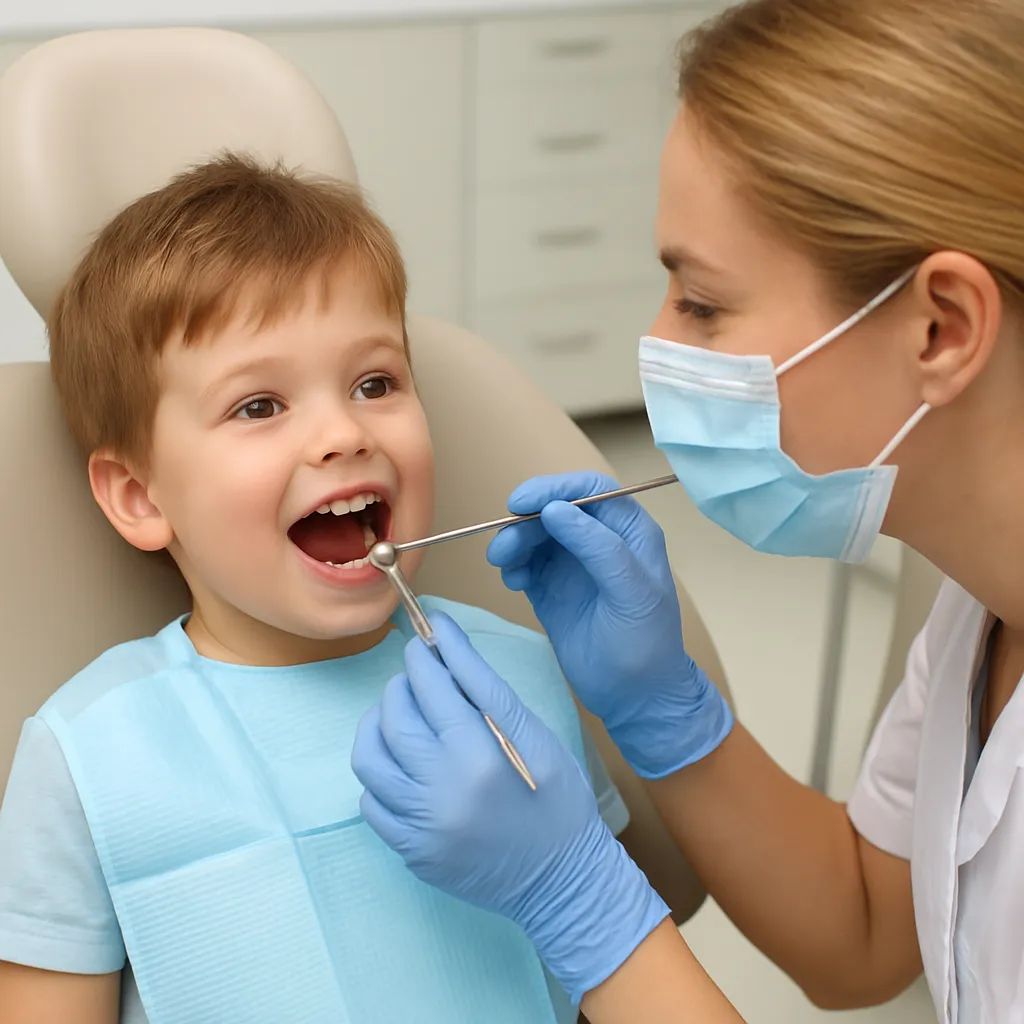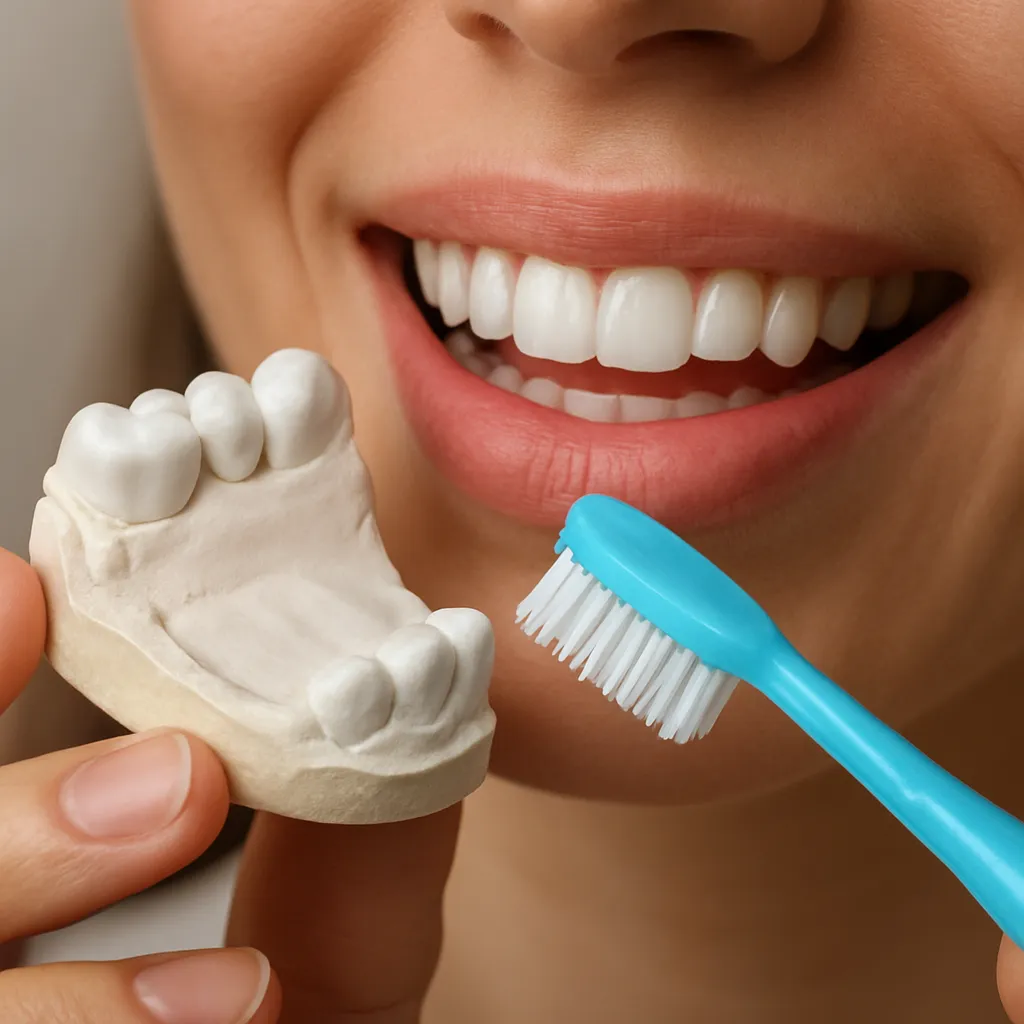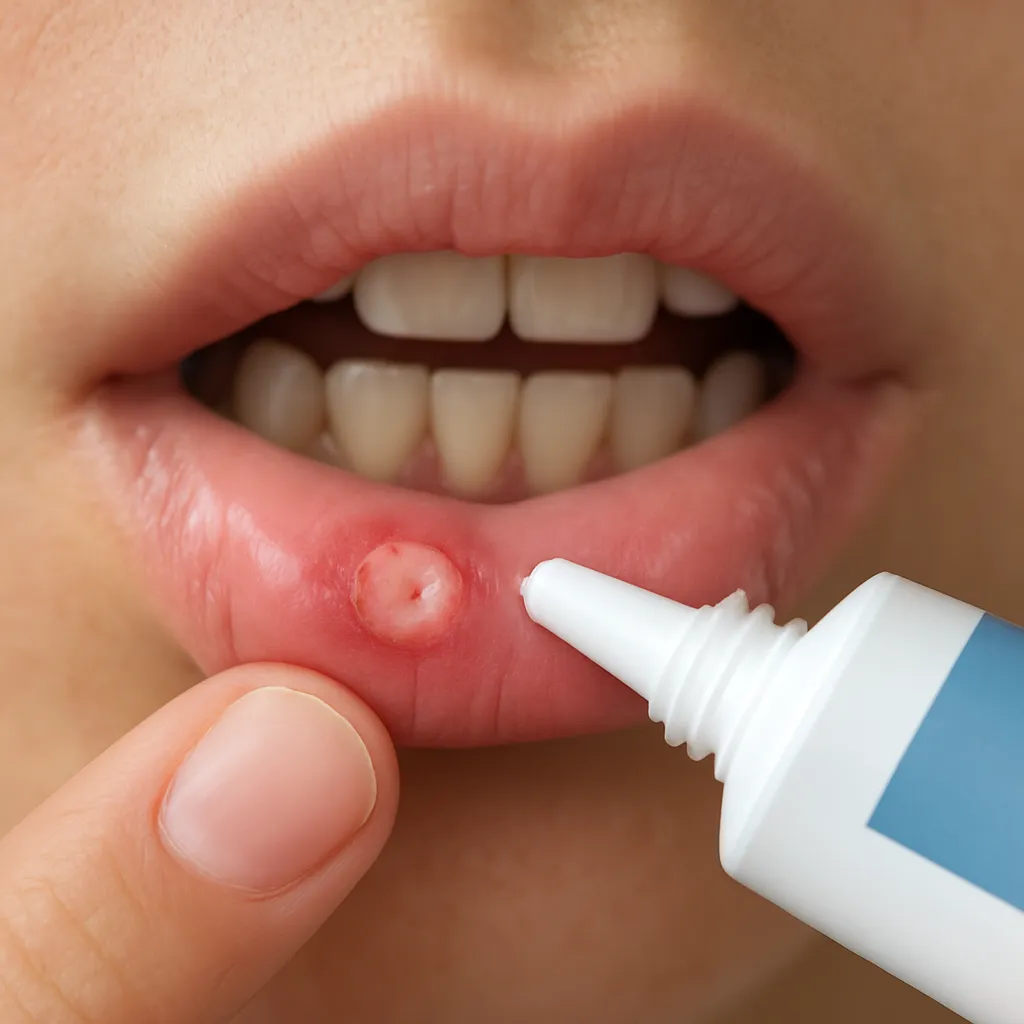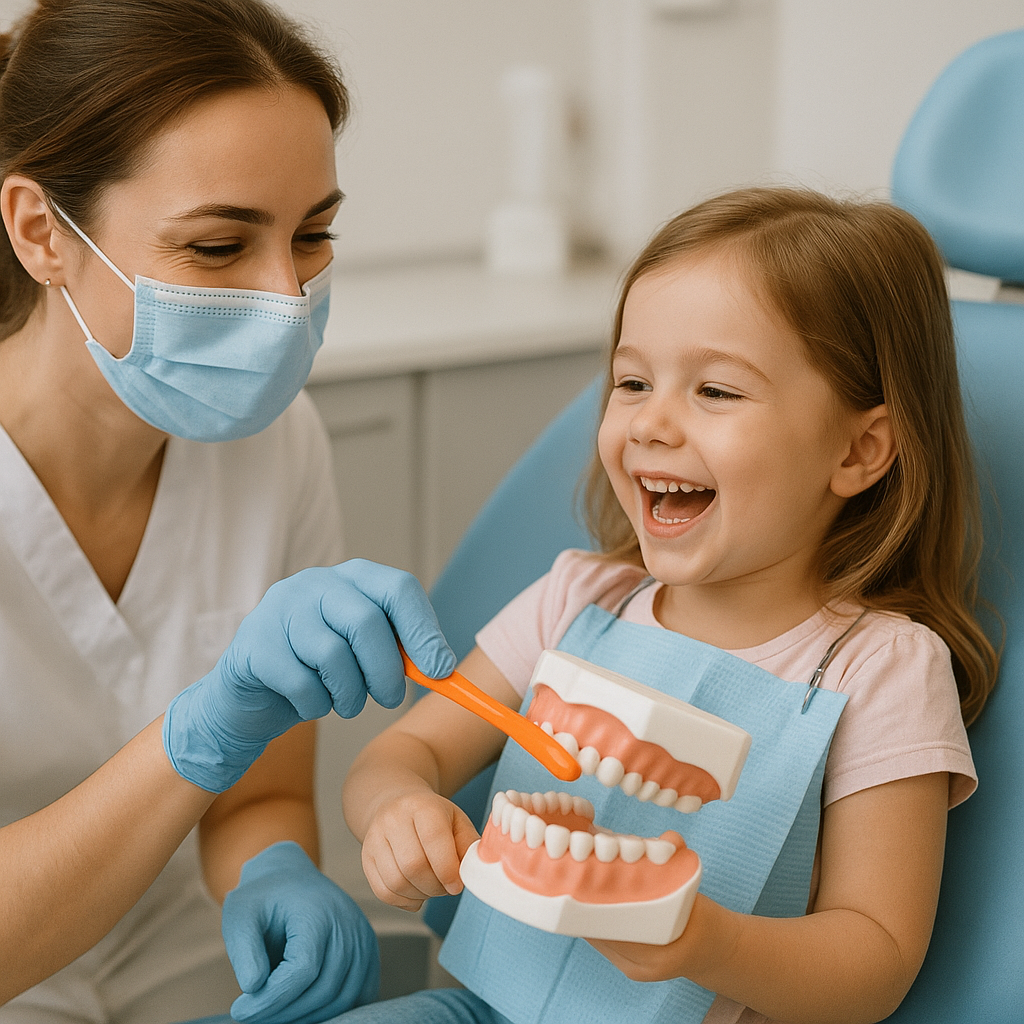
Visiting the dentist can be an exciting adventure rather than a source of stress for children. By focusing on creativity, clear communication, and engaging activities, parents and dental professionals can transform routine check-ups into memorable experiences. This article explores practical ways to prepare young patients, design a welcoming environment, incorporate fun elements during appointments, and reward positive behavior. Implementing these strategies will help build confidence, reduce anxiety, and foster a lifelong appreciation for oral health.
Creating a Positive Pre-Visit Experience
One of the most important steps is building excitement before setting foot in the dental office. A friendly atmosphere starts at home. Parents can introduce the concept of a dental visit through playful role-play. Using a toy mirror and soft-bristled brush, let children pretend to be the dentist and examine a parent’s teeth. This interactive game demystifies instruments and establishes a sense of familiarity. Encourage questions and answer them with simple words, avoiding medical jargon that can trigger unnecessary fear.
- Read dental-themed storybooks featuring brave characters and happy endings.
- Watch short, animated videos that show cartoon kids smiling after a check-up.
- Practice “open wide” at home while counting to five, turning it into a fun countdown game.
- Let children choose their favorite toothbrush and toothpaste flavor to foster a sense of ownership.
By discussing the visit casually over days or weeks, the child’s anticipation shifts from fear to curiosity. Small rewards, like stickers or a favorite snack post-brushing, reinforce positive associations with dental care.
Designing a Kid-Friendly Environment
Transforming the dental clinic into a playful space creates instant rapport with young patients. Consider vibrant wall murals depicting ocean scenes or cartoon animals. A waiting area stocked with age-appropriate books, puzzles, and building blocks offers distraction and comfort. Soft lighting, cheerful music, and a gentle aromatic diffuser can soothe nervous little ones and cater to different sensory preferences.
- Install a colorful fish tank or floor decals to guide children toward the dental chair.
- Offer noise-cancelling headphones preloaded with children’s songs or stories.
- Display certificates of bravery awarded to past patients, creating a sense of community and achievement.
- Provide child-sized sunglasses for use during bright overhead light procedures.
A professional who greets each child by name, kneels to their eye level, and uses a soft tone instantly wins trust. A welcoming greeting accompanied by a small plush toy or balloon can dissolve tension before the first tool is introduced.
Engaging Activities During the Appointment
Keeping young minds occupied during dental procedures reduces wriggling and resistance. One effective strategy is to integrate interactive games based on simple movements. For example, ask the child to use their tongue to point at an “invisible treasure” in the mouth. Praise their efforts lavishly, reinforcing every small success. Some practices offer tablet-based drawing apps or virtual reality glasses showing immersive underwater scenes.
Interactive Tools and Techniques
- “Tell-Show-Do”: Explain each instrument, show how it works on a model, then perform the action gently.
- Breathing exercises set to a rhythmic song help distract from unfamiliar sensations.
- Sing-along toothbrush timers or sand timers decorated with favorite characters ensure correct brushing duration.
- Use a colorful reward chart where children earn a star or sticker for each completed step.
Practicing the “count-to-ten” breathing game before each maneuver fosters a sense of control. Combining laughter with brushing and cleaning never fails to lighten the mood—turn routine scaling into a tickle contest with a feather-like tool and a gentle promise of a “magic mirror” (mirror with fun stickers) afterward.
Follow-Up Fun and Rewards
After the appointment, maintaining momentum is crucial. Offer a selection of small prizes—stickers, temporary tattoos, or colorful dental floss picks. Present a personalized certificate celebrating their courage, featuring the child’s name and date of visit. This tangible memento serves as a badge of honor and encourages return visits.
- Create a “Smile Diary” where children paste photos of their teeth before and after each visit, noting improvements.
- Introduce a monthly “Junior Dentist Club” with special events like tooth-brushing workshops and puppet shows.
- Follow up with a friendly phone call or postcard from the dentist, reinforcing the clinician’s role as a caring ally.
- Offer a fun, take-home goody bag: flossers in fun shapes, sugar-free gum, and a cartoon-themed reward chart.
By celebrating achievements, both big and small, dental visits become milestones to look forward to. Consistency in positive reinforcement cultivates a lasting appreciation for preventive care and helps children develop lifelong healthy habits.
Empowering Parents and Staff Collaboration
Creating memorable dental experiences for kids is a team effort. Clinicians, hygienists, assistants, and parents must communicate and coordinate. Before the appointment, parents can share details about a child’s preferences—favorite colors, beloved toys, or special songs. Armed with this information, dental staff can personalize each visit, whether it’s decorating the chair cover with the child’s favorite hue or playing their chosen tune.
- Hold brief team huddles before each child’s arrival to align on strategies and share helpful notes.
- Train staff in empathy techniques, such as reflective listening and age-appropriate explanations.
- Invite parents into the treatment area if it reassures the child, offering a comforting hand to hold.
- Rotate roles among staff members—some may excel as storytellers, others as game coaches, ensuring each child’s visit is uniquely engaging.
When parents and dental professionals work in harmony, the child feels supported on all fronts. A collaborative approach transforms a routine check-up into an adventure packed with discovery, laughter, and genuine care—laying the foundation for a lifetime of bright, healthy smiles.