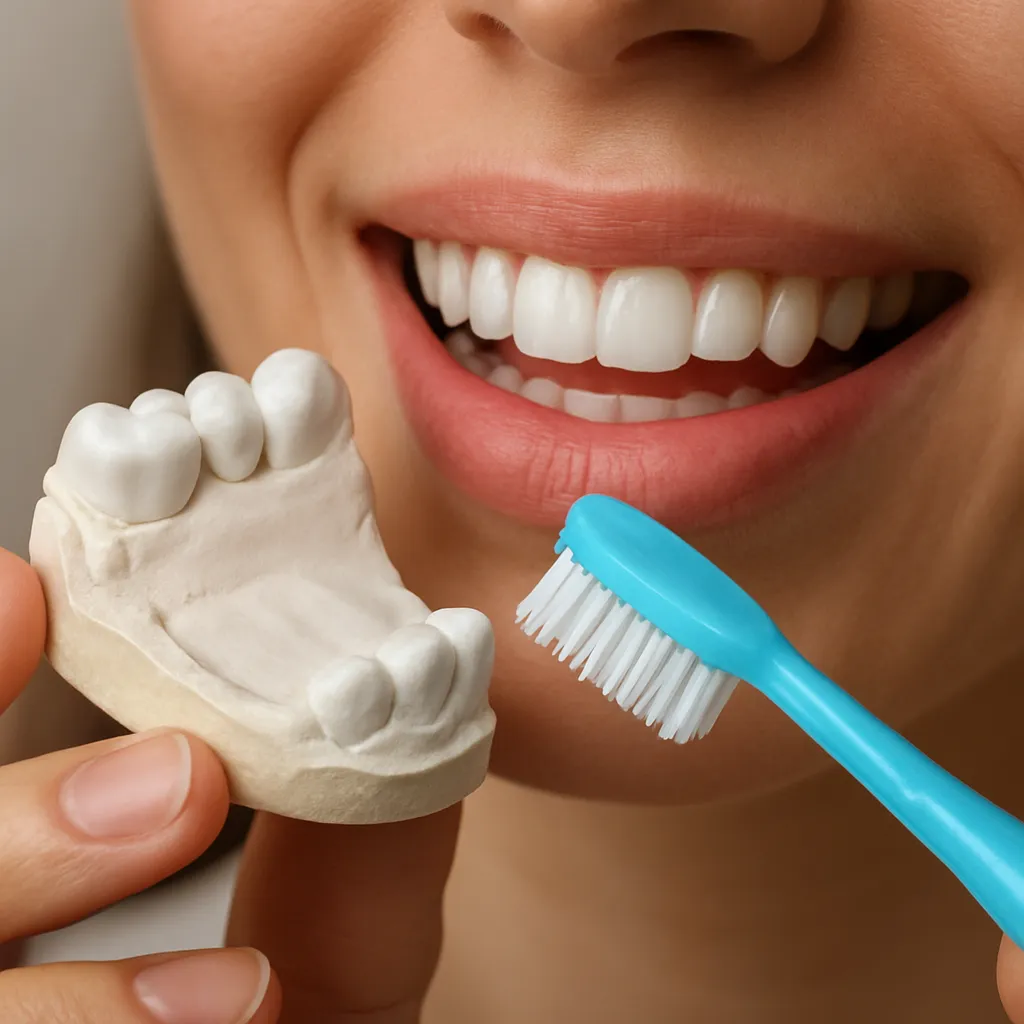
Protecting your teeth from the continuous onslaught of acids requires a combination of informed daily habits, professional guidance, and targeted products. By understanding how acids interact with your tooth surfaces and employing the right strategies, you can maintain a strong, resilient smile and ward off long-term damage.
Understanding Acid Wear: Mechanisms and Causes
Acid wear, also known as erosion, occurs when acidic substances come into contact with the tooth’s outer layer. This outer layer, the enamel, is the hardest tissue in the human body, yet it is vulnerable to chemical attack. When the pH level in your mouth drops below a critical threshold (around 5.5), minerals begin to dissolve, leading to demineralization. Over time, repeated cycles of demineralization can create grooves, thinning, and increased sensitivity.
Sources of Acid Attack
- Dietary acids: citrus fruits, soft drinks, fruit juices
- Stomach acids: gastroesophageal reflux disease (GERD), frequent vomiting
- Environmental exposure: acidic work environments, chlorinated pools
Each exposure can contribute to enamel thinning, but the risk is amplified by the frequency and duration of contact. Sip slowly on beverages or hold acidic liquids in your mouth, and you extend the contact time, giving acids more opportunity to wear away protective mineral content.
Risk Factors and Prevention Strategies
Recognizing individual risk factors is crucial for formulating an effective prevention plan. These factors include:
- Poor salivary flow or composition
- High consumption of acid-rich foods and drinks
- Improper brushing techniques
- Underlying medical conditions that affect oral health
Saliva: Nature’s Buffer
Saliva plays a pivotal role in oral defense. It helps neutralize acids, clear away food particles, and supply minerals for natural remineralization. When saliva production is compromised—due to medications, systemic diseases, or dehydration—the mouth’s inherent buffering capacity decreases. This raises the likelihood of acid-related damage.
Brushing Tactics and Timing
Contrary to popular belief, aggressive brushing immediately after consuming acidic foods can accelerate abrasion. The softened enamel is more prone to mechanical wear. To protect the tooth surface:
- Wait at least 30–45 minutes before brushing
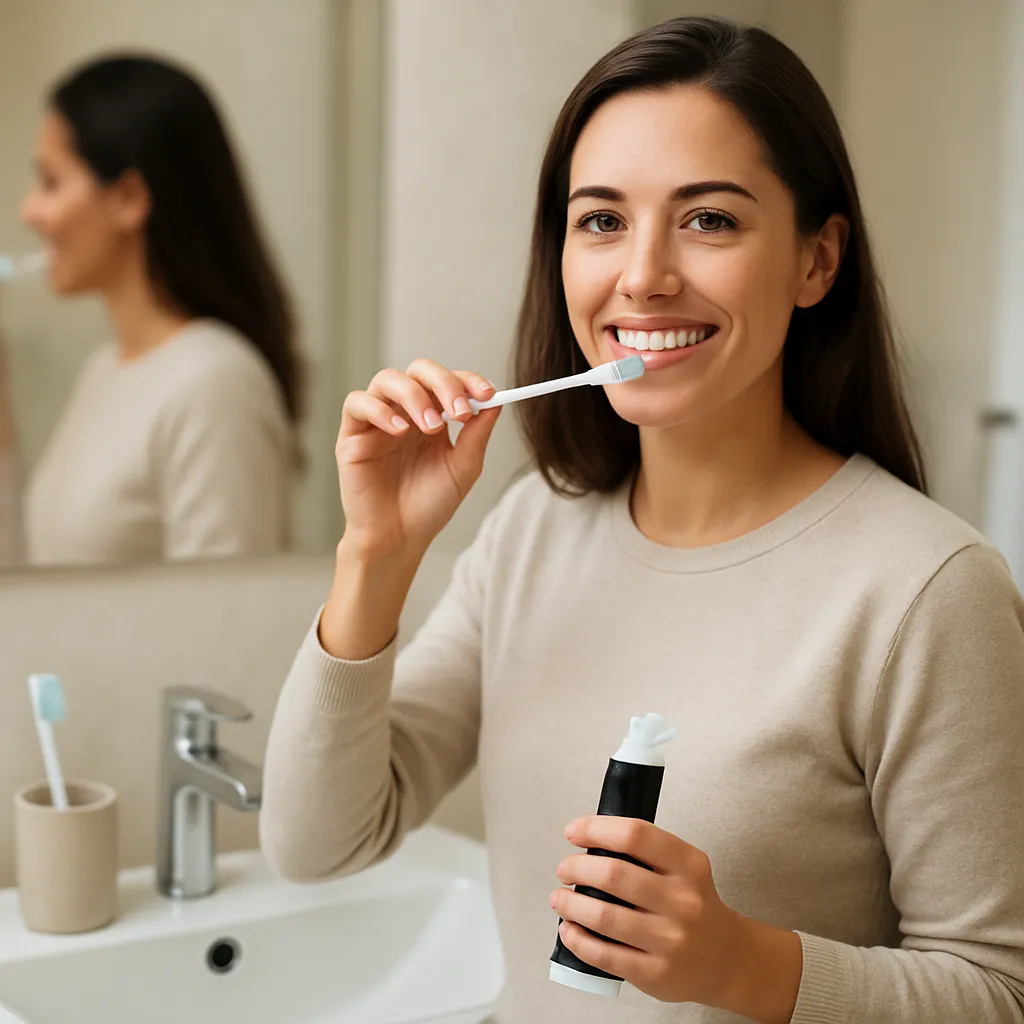
- Use a soft-bristled brush and gentle circular strokes
- Choose toothpaste formulated with extra fluoride or calcium phosphate
These measures help the enamel reharden and minimize unnecessary wear from scrubbing.
Daily Oral Care Routine and Professional Interventions
Implementing a structured daily routine, combined with occasional professional treatments, provides the best defense against acid wear.
Home Care Essentials
- Brush twice daily with a protective fluoride toothpaste
- Floss or use interdental brushes once daily to remove biofilm
- Rinse with a neutral or basic mouthwash to balance pH
- Chew sugar-free gum containing xylitol to stimulate saliva production
Maintaining consistent care prevents plaque accumulation and acid buildup, thereby reducing the risk of both caries and erosion.
In-Office Treatments
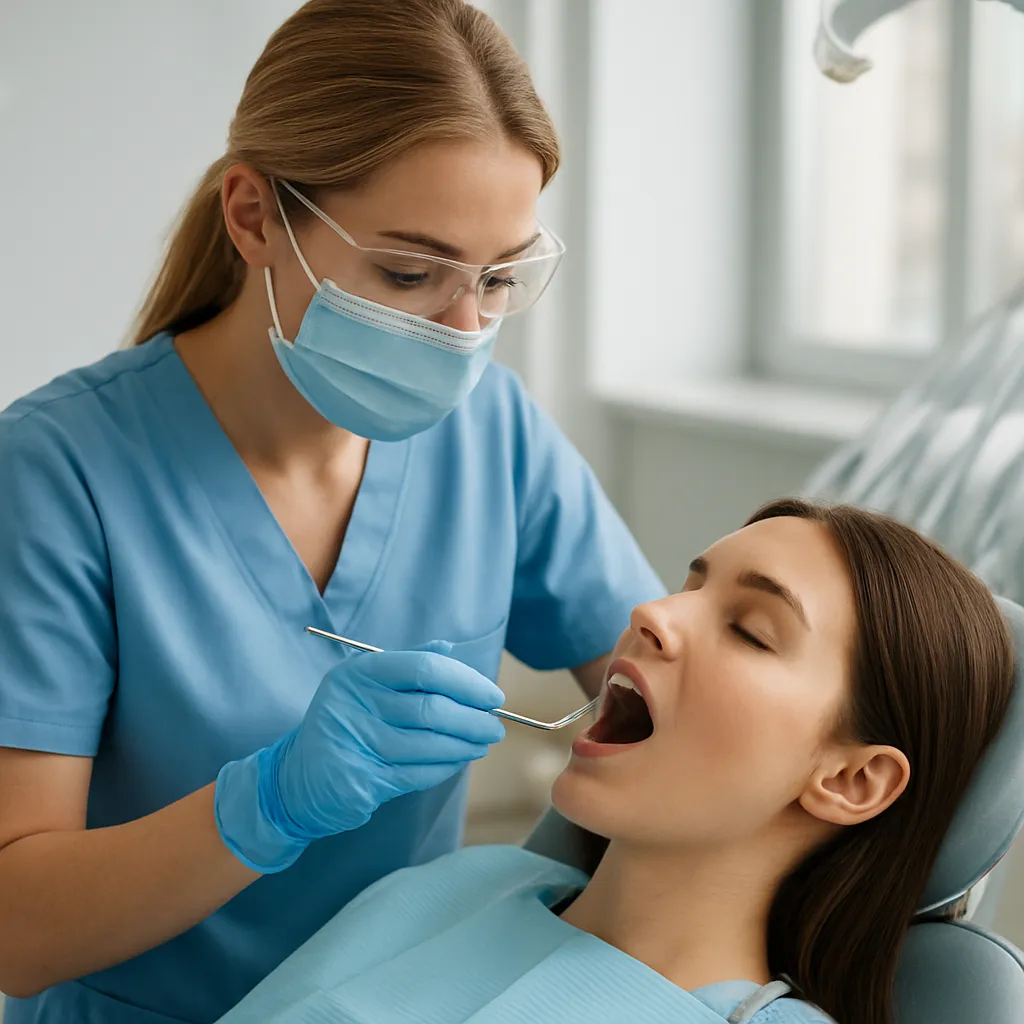
Regular dental check-ups allow practitioners to detect early signs of wear and offer targeted solutions:
- Fluoride varnish or gel applications for enhanced enamel resistance
- Custom-made mouthguards to shield teeth during acid reflux episodes
- Professional cleaning to remove hardened biofilm that can harbor acids
- Microabrasion or bonding to restore surface integrity in moderate cases
These interventions complement your home regimen and can arrest or reverse early enamel damage, preserving your natural tooth structure.
Choosing the Right Diet and Lifestyle Habits
Modifying dietary patterns and daily habits has a profound impact on protecting tooth surfaces from acid challenges.
Smart Dietary Choices
To reduce the acid burden:
- Limit carbonated and sports drinks; substitute with water or dairy-based beverages
- Consume acidic foods alongside dairy or high-calcium snacks to promote neutralization
- Avoid frequent snacking on sour candies, pickles, or vinegary sauces
- Use a straw when sipping acidic drinks to bypass direct contact with anterior teeth
Lifestyle Modifications
Additional strategies include:
- Addressing GERD with dietary changes and medical consultation
- Quitting smoking, which impairs salivary flow and healing
- Maintaining adequate hydration to support continuous saliva production
- Practicing stress management, as clenching and grinding can intensify wear
Implementing these modifications can transform your oral environment from one of vulnerability to one of resilience.
Advanced Solutions for High-Risk Patients
For individuals with severe erosion or compromised saliva, more advanced therapies may be necessary.
Prescription Products
Dental professionals can prescribe:
- High-fluoride toothpaste or gels (1.1% sodium fluoride)
- Remineralizing pastes enriched with CPP-ACP (casein phosphopeptide-amorphous calcium phosphate)
- Neutralizing rinses containing calcium carbonate or magnesium hydroxide
Restorative Options
In cases where enamel loss is extensive, restorative treatments may include:
- Composite bonding to rebuild worn surfaces
- Porcelain veneers or crowns for long-term durability
- Sealants or protective coatings applied directly over vulnerable areas
These solutions address both function and aesthetics, ensuring that daily activities like eating and speaking remain comfortable and confident.