Regular dental checkups offer more than just a bright smile. Dentists are trained to spot subtle cues in your oral cavity that hint at underlying health issues. Through comprehensive examinations and advanced diagnostic tools, a dentist can achieve early detection of many diseases, significantly improving treatment outcomes and boosting overall health.
Oral Examination Techniques
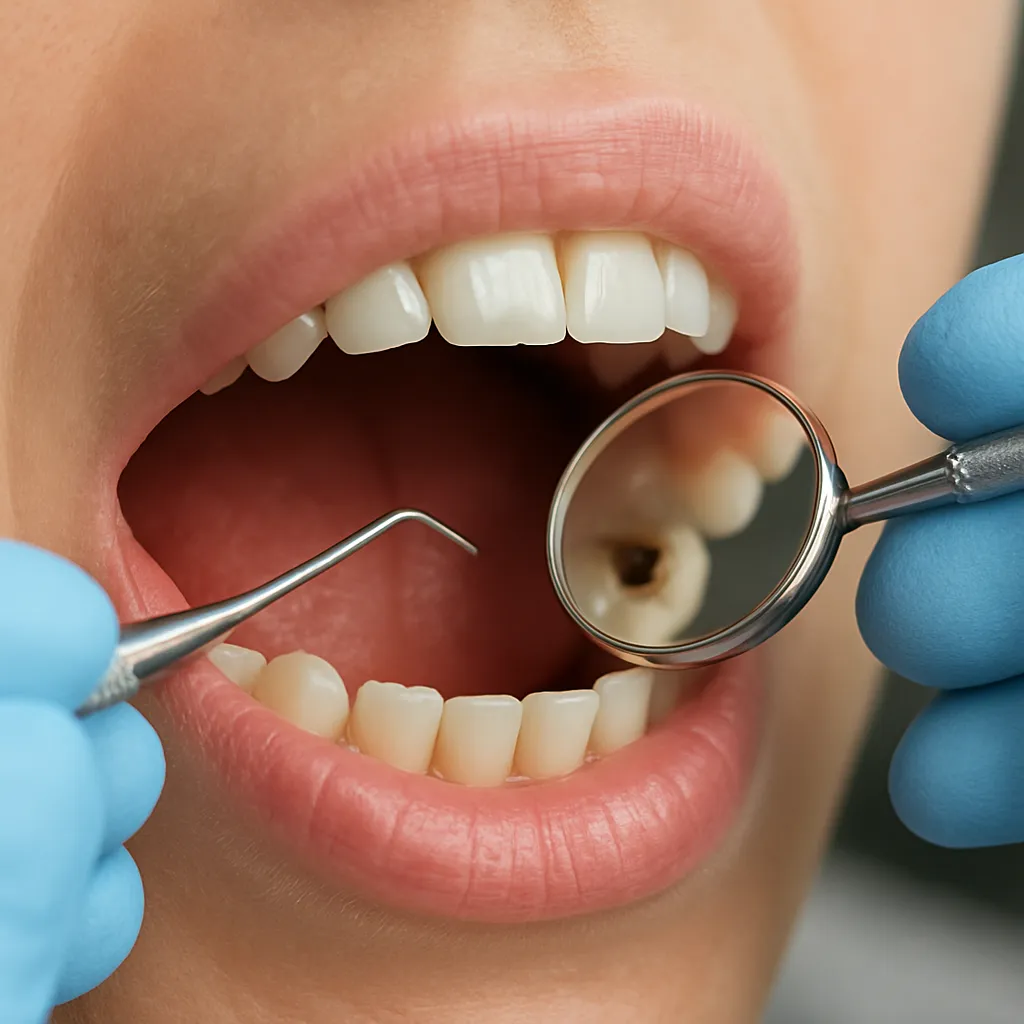
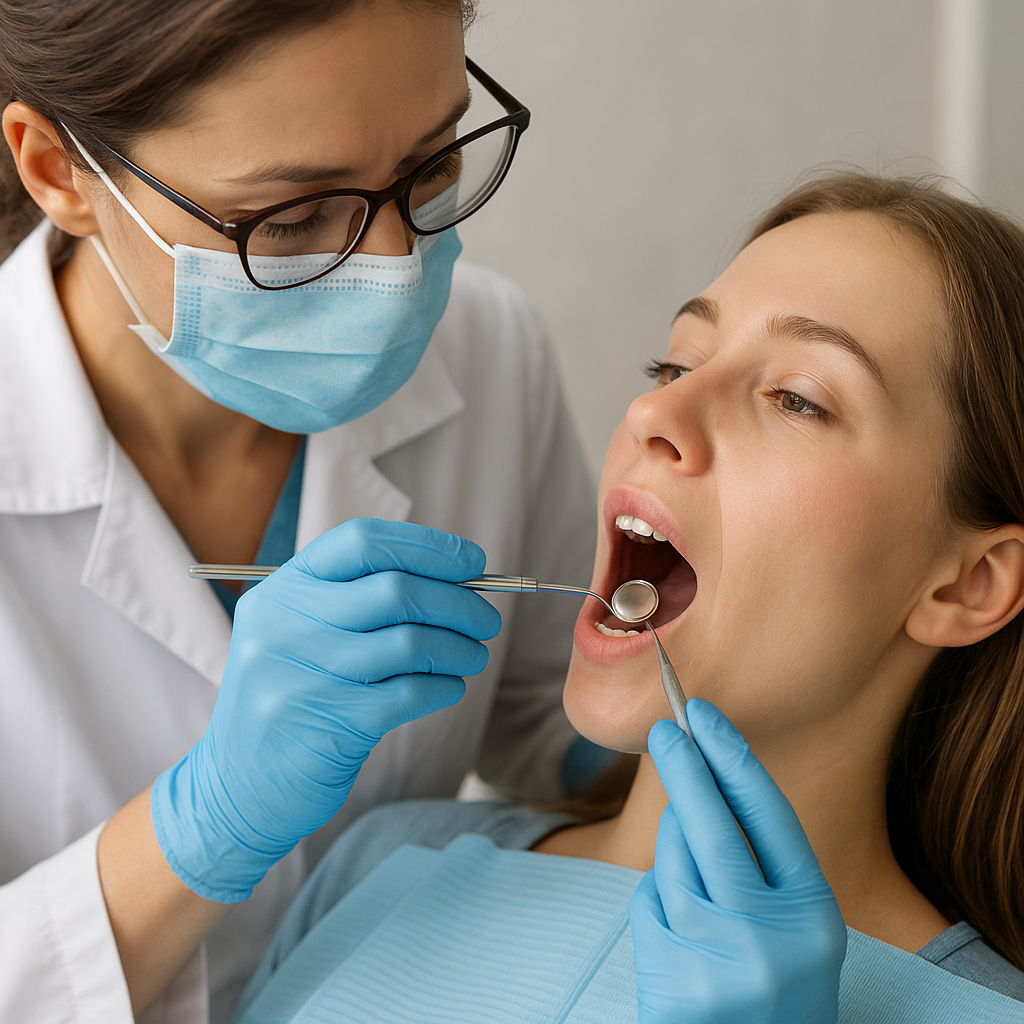
During a routine visit, your dentist employs several methods to assess your mouth’s condition. A thorough visual inspection looks for discoloration, lesions, and unusual textures. Gentle probing with specialized instruments checks for tenderness, pockets, and gum recession. Digital X-rays reveal hidden problems beneath the surface. With this combination of approaches, the aim is to catch trouble before it escalates.
- Plaque and tartar buildup are removed and evaluated. Persistent residue can indicate inadequate home care or excessive bacterial infection.
- Gum assessments measure pocket depths to detect gingivitis or early periodontal disease, often invisible to the untrained eye.
- Occlusal analysis checks your bite alignment, pinpointing stress points that could lead to chipped teeth or jaw pain.
- Salivary tests screen for biomarkers related to cavities, oral cancer, or systemic imbalances.
Identifying Signs of Oral Cancer
Oral cancer can develop without pain, making vigilant screening essential. Dentists are on the front line of discovery, trained to notice subtle abnormalities. A careful examination may uncover suspicious areas that warrant further investigation.
Visual and Tactile Inspection
- White (leukoplakia) or red (erythroplakia) patches in the mouth lining
- Persistent ulcers or sores that fail to heal within two weeks
- Unexplained lumps or thickening in cheeks, lips, or throat
- Changes in tongue texture, mobility, or appearance
Adjunctive Screening Tools
- Velscope or ViziLite devices using special light wavelengths
- Biosensors and brush biopsies to sample suspicious cells
- High-definition intraoral cameras for detailed imaging
If abnormalities are detected, your dentist will coordinate with specialists for a biopsy or referral, ensuring swift intervention. Early action dramatically increases survival rates for oral cancer.
Systemic Health Indicators in the Mouth
The mouth is a gateway reflecting the body’s internal state. Certain oral signs often correspond to broader health challenges, allowing for early detection of hidden conditions. A dentist’s keen eye can catch these warning signals before they escalate.
- Unexplained bleeding gums may signal systemic conditions like diabetes or blood disorders.
- Dry mouth (xerostomia) can be linked to autoimmune diseases, medication side effects, or radiation therapy history.
- Pale or bluish mucosa may point to anemia or cardiovascular issues.
- Burning sensations and metallic tastes are sometimes related to nutritional deficiencies or nerve damage.
- Bilateral jaw pain and swelling could hint at sinusitis or referred pain from ear infections.
By sharing medical history and lifestyle changes, patients empower dentists to interpret these oral clues accurately. Collaboration between dental and medical professionals fosters an integrated approach to patient care.
Importance of Preventive Visits and Patient Education
Regular appointments form the cornerstone of effective preventive care. Dentistry today emphasizes maintenance and risk management over reactive treatments. Patients receive personalized advice to strengthen daily habits and reduce future complications.
- Customized oral hygiene plans, including proper brushing techniques and targeted flossing methods.
- Dietary guidance to limit acid-producing foods and encourage nutrients that support enamel and gum health.
- Recommendations for fluoride treatments, sealants, and antimicrobial rinses to combat decay.
- Smoking cessation counseling, stress management strategies, and ergonomic tips to prevent bruxism.
- Scheduling intervals based on individual risk factors—some may need visits every three months, others every six.
Through continuous education, patients become active participants in safeguarding their mouths—and by extension, their bodies—from disease. A proactive partnership with your dentist is a powerful tool for long-term well-being.