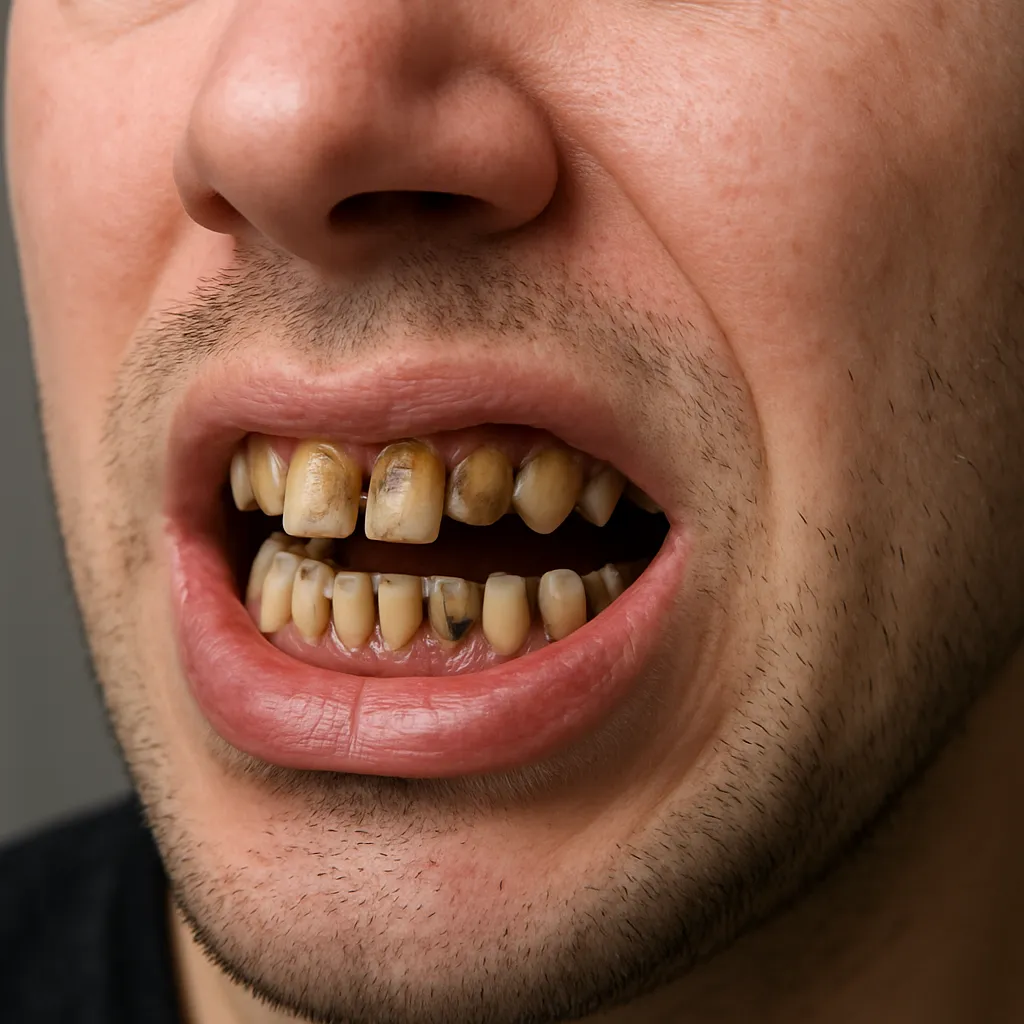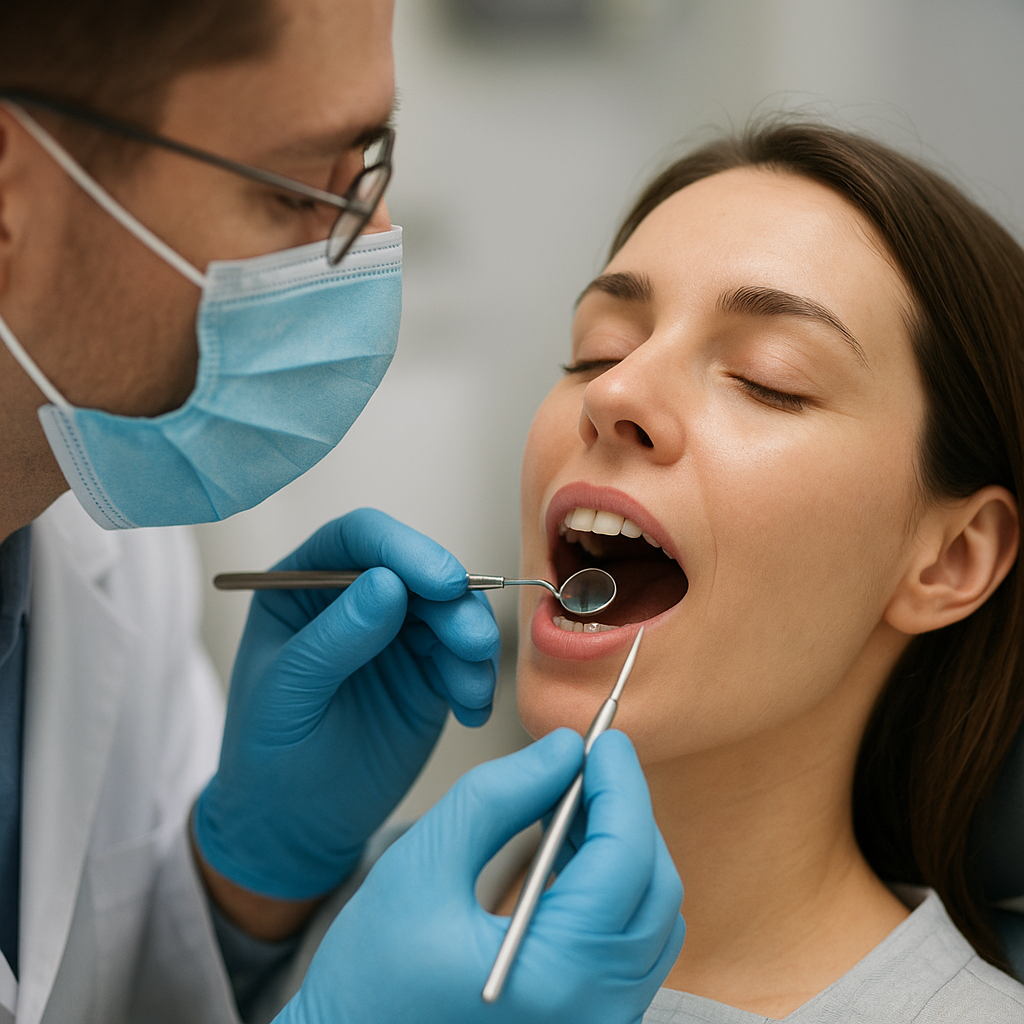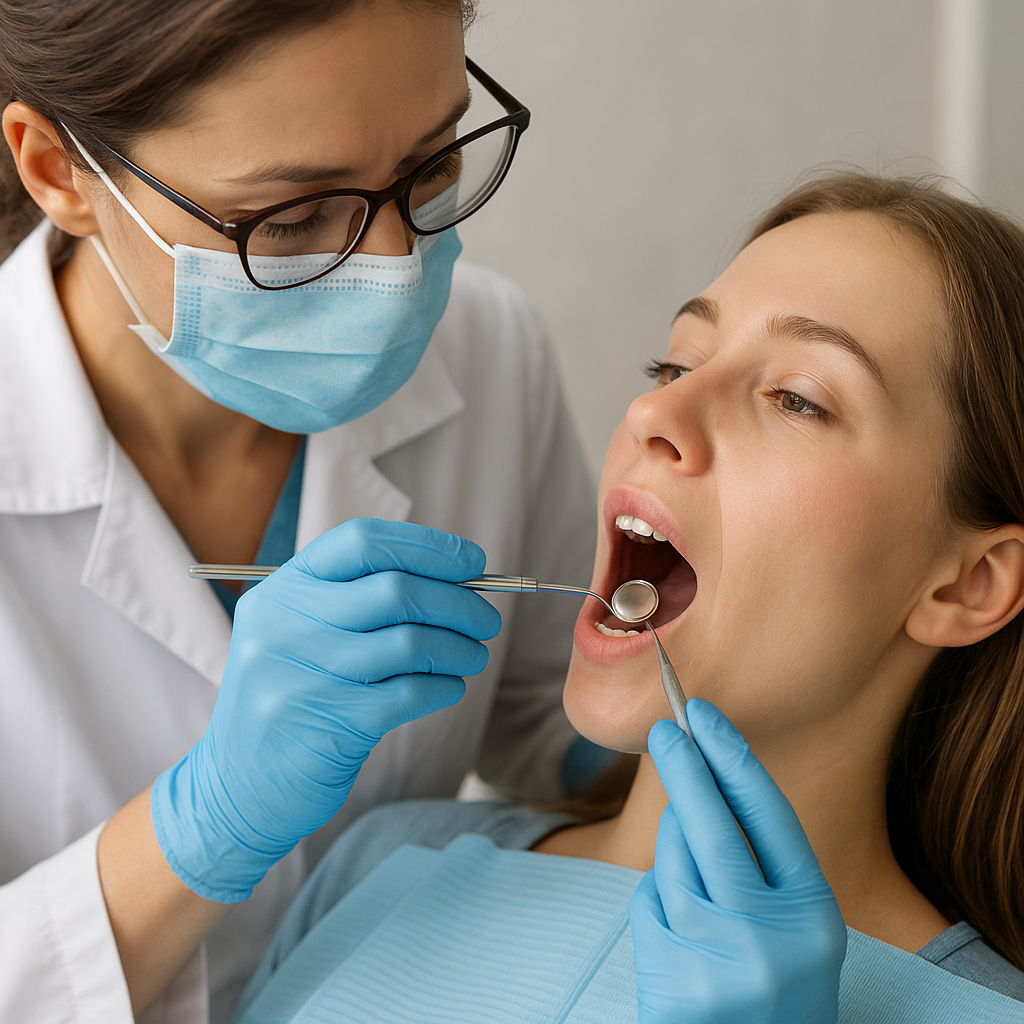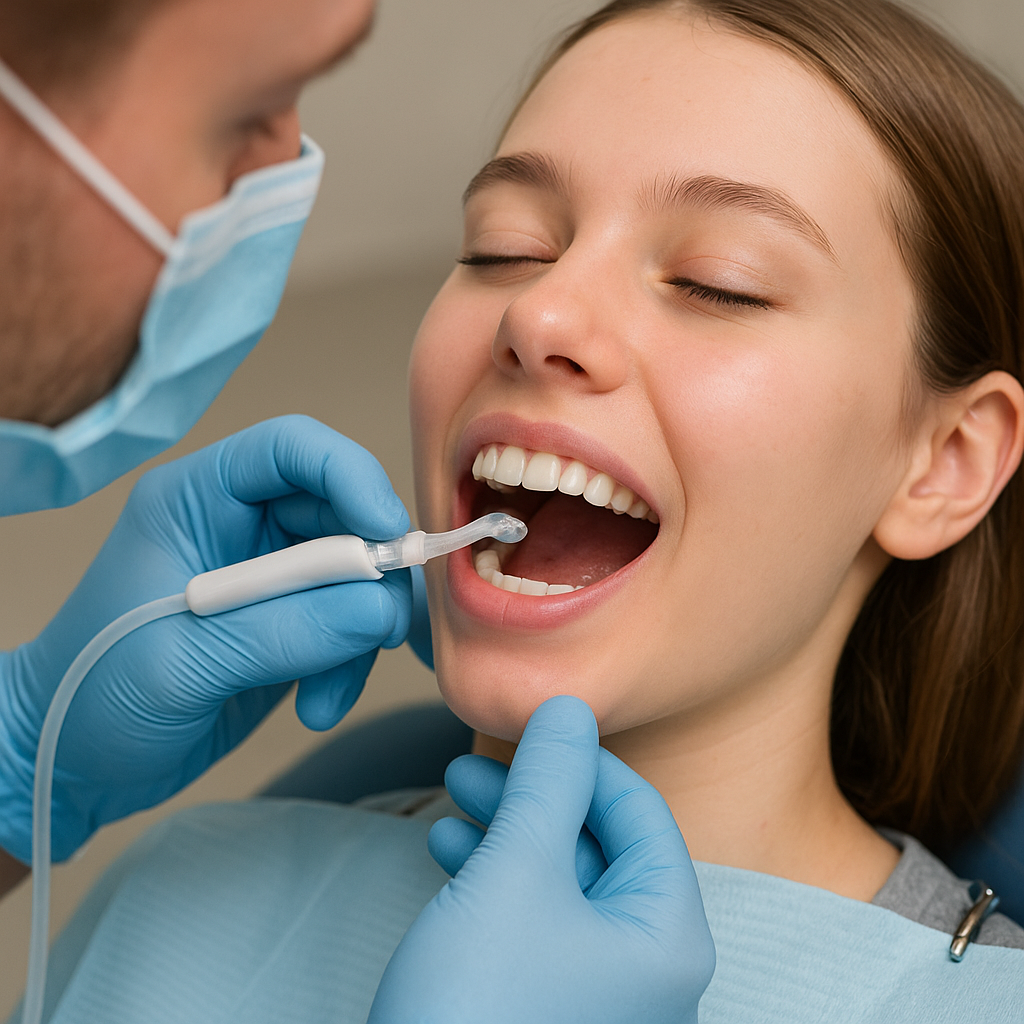
Fluoride treatments have emerged as a crucial preventive measure in modern dental care, helping millions maintain healthier smiles and avoid invasive procedures. By reinforcing the outer layer of the tooth structure, these treatments reduce sensitivity, halt the progression of decay, and strengthen enamel against daily acid attacks. This article explores the underlying science of these therapies, highlights their practical benefits, examines common application methods, and addresses potential concerns that patients and practitioners should consider.
Understanding the Science of Fluoride
The Role of Mineralization
The tooth’s outer layer, known as enamel, is primarily composed of hydroxyapatite crystals. These crystalline structures rely on a delicate balance of minerals such as calcium and phosphate. When exposed to acids from food, drink, or the metabolic byproducts of bacteria, enamel can lose minerals in a process called demineralization. Fortunately, saliva naturally contains trace amounts of fluoride that can integrate into the hydroxyapatite lattice, creating a more acid-resistant material called fluorapatite.
Mechanism of Remineralization
Remineralization occurs when saliva, fortified with fluoride, delivers essential ions back to weakened enamel. This process not only repairs microscopic cracks but also restores surface hardness. A key factor in this chemical activity is the pH level of the oral environment. At low pH, acids drive demineralization, whereas rinses or varnishes containing fluoride help buffer acidity and encourage mineral uptake.
Preventive Benefits in Dental Practice
Regular fluoride interventions offer numerous advantages for patient oral health. Dentists often recommend these treatments at varying intervals based on individual risk assessments, age, and dietary habits.
- Reduces the incidence of cavities by strengthening enamel against acid challenges.
- Lowers tooth sensitivity by sealing exposed dentin tubules and enhancing surface integrity.
- Inhibits bacterial metabolism, decreasing acid production and biofilm accumulation.
- Supports remineralization in early carious lesions, potentially reversing decay before invasive restoration is needed.
- Offers systemic benefits when administered appropriately to young children, promoting long-term dental robustness.
Fluoride Application Techniques
Topical Application
Topical procedures deliver a concentrated dose of fluoride directly to the tooth surface. Common formats include:
- Fluoride varnish: A resin-based coating painted on enamel, which adheres for several hours and releases fluoride gradually.
- Fluoride gel or foam: Administered via custom trays, these preparations hold the agent against the teeth for timed intervals, often three to four minutes.
- Fluoride toothpaste and mouthrinses: Daily-use products providing maintenance levels of fluoride to support ongoing remineralization.
Systemic Delivery
Systemic fluoride enters the body through water fluoridation or dietary supplements. As the ion becomes incorporated into developing tooth structures, it helps form fluorapatite within the dentition. Pediatricians and dentists collaborate to determine appropriate supplement dosages, minimizing the risk of dental fluorosis while ensuring preventive efficacy.
Potential Risks and Patient Education
Understanding Fluorosis
Excessive fluoride exposure during enamel formation can lead to fluorosis, characterized by white spots or streaks on the teeth. While mild fluorosis is primarily cosmetic, practitioners must counsel parents on correct supplement usage and monitor fluoride levels in drinking water.
Balancing Benefits and Cautions
When explaining fluoride therapy to patients, dental professionals should:
- Assess individual risk factors such as diet, oral hygiene habits, and previous caries history.
- Recommend age-appropriate concentrations of fluoride in toothpaste or mouthrinse.
- Schedule professional applications at intervals tailored to patient needs, from every three months for high-risk individuals to biannual visits for low-risk patients.
- Emphasize proper techniques to prevent ingestion of gels or varnishes, particularly in young children.
- Discuss the importance of combining fluoride use with other preventive measures like sealants, balanced nutrition, and routine dental check-ups.
Integrating Fluoride into Comprehensive Care
Fluoride treatments are most effective when combined with a holistic approach to oral health. Practitioners should integrate these applications within a broader preventive strategy that includes clinical examinations, digital radiography, patient education on nutrition, and personalized oral hygiene instruction. By leveraging the synergy between fluoride’s mineral-boosting properties and other preventive modalities, dental teams can achieve superior outcomes and foster lifelong habits that reduce restorative needs.
Emerging Trends and Future Directions
Innovations in fluoride delivery continue to expand possibilities for minimally invasive dentistry. Research is exploring bioactive glass materials, controlled-release nanoparticles, and enhanced varnish formulations to optimize ion release kinetics and prolong therapeutic effects. As these advancements reach clinical practice, they promise even greater control over demineralization dynamics and more robust defense against tooth decay.
Conclusion
Fluoride treatments represent a cornerstone of preventive dentistry, offering scientifically validated protection against enamel breakdown and microbial assault. By understanding the mechanisms of mineral exchange, selecting appropriate application methods, and educating patients about correct usage, dental professionals can harness the full potential of fluoride to safeguard oral health across all age groups.