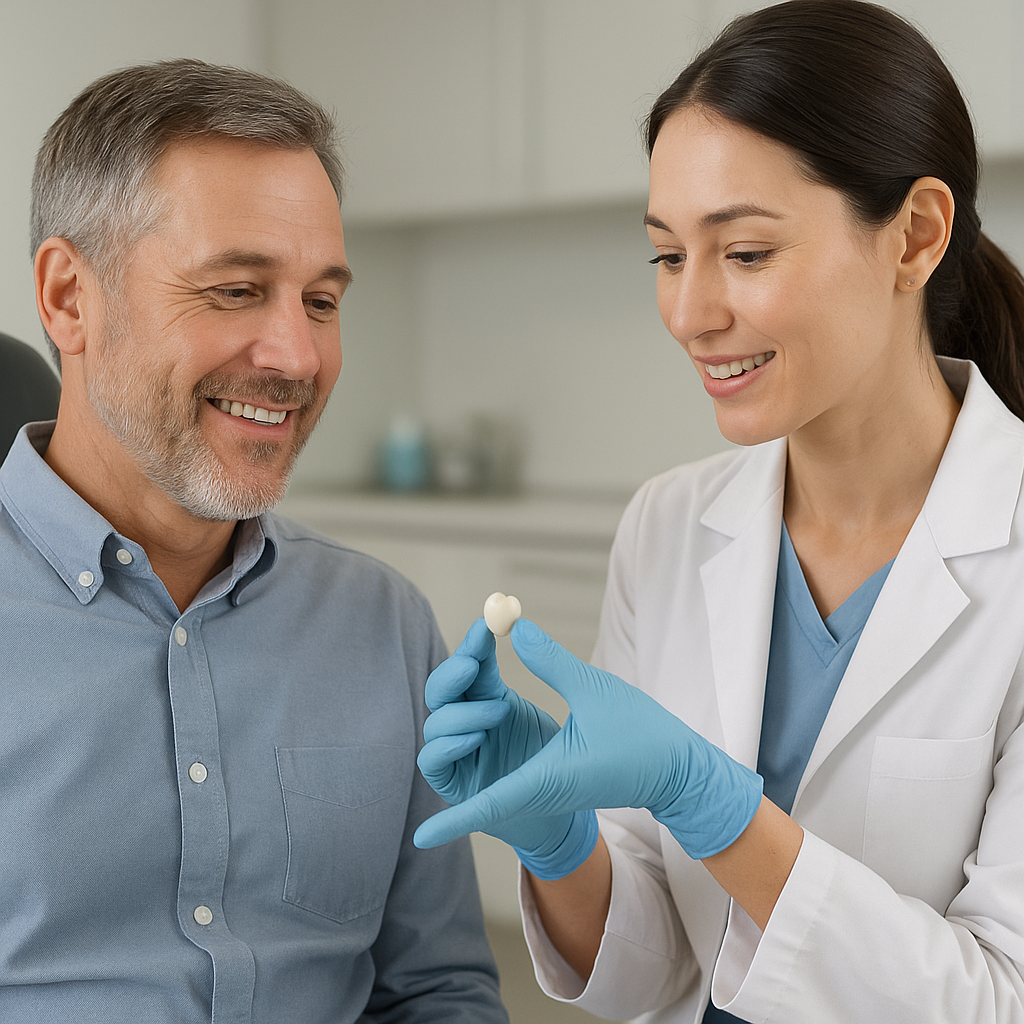
Same-day crowns have revolutionized restorative dentistry by combining cutting-edge technology with patient-centered care. With the integration of digital workflows, modern dental clinics can offer custom-fitted restorations in a single visit, eliminating the need for temporary crowns and multiple appointments. This approach not only enhances treatment speed but also improves overall patient satisfaction and long-term oral health outcomes. Below, we explore the key benefits, clinical evidence, and future directions of same-day crown procedures.
Understanding Same-Day Crown Technology
Digital Impressions and CAD/CAM Integration
Traditional crown fabrication relied on physical molds, which were often uncomfortable and prone to distortion. Today, intraoral scanner devices capture highly accurate 3D images of the patient’s dentition in minutes. These digital impressions feed directly into an on-site CAD/CAM system that designs the restoration with submillimeter accuracy. The seamless integration of scanning, design, and milling ensures that each crown fits precisely, reducing adjustments and remakes.
Advanced Materials for Strength and Aesthetics
Same-day crowns utilize high-performance ceramics such as Zirconia and lithium disilicate, offering both durability and lifelike aesthetics. Zirconia is known for its exceptional fracture resistance and biocompatibility, making it ideal for posterior teeth that endure heavy chewing forces. Lithium disilicate delivers superior translucency and natural light transmission, perfect for anterior restorations. Both materials can be stained and glazed in-office to achieve a seamless match with surrounding teeth, enhancing overall smile harmony.
Clinical Advantages for Patients
Speed and Convenience
One of the most compelling benefits of same-day crowns is the rapid turnaround. In a single appointment, patients undergo tooth preparation, digital scanning, crown design, milling, and placement—all completed within two to three hours. This efficiency greatly reduces chair time and eliminates the hassle of wearing provisional restorations. Busy adults and professionals often prefer this streamlined approach, as it minimizes disruptions to daily schedules and decreases overall treatment anxiety.
Improved Comfort and Reduced Sensitivity
Eliminating temporary crowns removes the risk of dislodgment or discomfort associated with flimsy provisional materials. Patients experience fewer postoperative sensitivity issues when the finished ceramic restoration is seated immediately after preparation. Additionally, digital scanning is far less invasive than traditional impression materials, alleviating gag reflex concerns and improving overall patient comfort during the procedure.
Practice Efficiency and Financial Benefits
Streamlined Workflow
Adopting same-day crown technology transforms the operational dynamics of a dental practice. By integrating scanning, design, and milling under one roof, clinics reduce reliance on external laboratories and expedite production timelines. Staff members can be cross-trained to operate CAD/CAM equipment, fostering a collaborative environment that optimizes clinical workflow. Over time, the in-house fabrication process pays for itself through reduced lab fees and greater appointment capacity.
Enhanced Case Acceptance and Revenue Growth
Presenting patients with the option of same-day crowns often leads to higher treatment acceptance. When clinicians demonstrate the digital design on-screen and explain the benefits of a single-visit solution, patients are more inclined to proceed promptly. As a result, practices can see an uptick in restorative case volume and improved revenue streams. Moreover, the high quality and precision of same-day crowns foster positive word-of-mouth referrals, further driving new patient acquisition.
Post-Treatment Care and Longevity
Maintenance Protocols
Long-term success of same-day crowns hinges on proper aftercare. Dentists should educate patients about maintaining excellent oral hygiene, including daily brushing with fluoride toothpaste and flossing around the margins of the restoration. Regular professional cleanings and check-ups every six months allow clinicians to monitor crown integrity and adjacent periodontal health. When cared for diligently, ceramic crowns can last well over a decade.
Monitoring and Follow-Up
In addition to routine exams, intraoral scanners can be employed to capture periodic digital impressions. This non-invasive evaluation helps detect marginal wear, microfractures, or potential debonding early on. Prompt intervention—such as polishing minor defects or re-cementation—can extend restoration lifespan and preserve natural tooth structure. Emphasizing follow-up visits underscores a dentist’s commitment to comprehensive, long-term care.
Case Studies and Clinical Outcomes
Anterior Aesthetic Restoration
A 36-year-old patient presented with a fractured upper lateral incisor requiring immediate attention before a professional engagement. Through the same-day crown protocol, the tooth was prepared, scanned, and restored with a lithium disilicate crown within two hours. The final restoration exhibited optimal shade match and aesthetics, enabling the patient to attend the event with renewed confidence. No postoperative sensitivity or complications were reported at the one-year follow-up.
Posterior Molar Rehabilitation
In another case, a 58-year-old individual faced a cracked first molar under heavy occlusion. A monolithic Zirconia crown was milled in-house and seated on the same day, eliminating the need for a temporary. At six-month and one-year recalls, the restoration demonstrated excellent durability with no chipping or marginal breakdown. The patient expressed high satisfaction with both the functional outcome and the time saved.
Future Trends in Restorative Dentistry
AI-Assisted Design and Manufacturing
Emerging artificial intelligence tools promise to enhance crown design by automatically proposing optimal contours, occlusal adjustments, and esthetic parameters. AI-driven algorithms can analyze vast databases of successful cases to refine individual restorations, further increasing precision and reducing manual design time. As these systems evolve, clinicians will benefit from even faster turnaround and improved case predictability.
Innovations in Biomaterials
Researchers are developing next-generation ceramics and hybrid composites that combine the strength of Zirconia with the translucency of glass ceramics. These biocompatible materials aim to mimic natural enamel more closely and offer enhanced wear resistance. In-office milling units are also evolving to accommodate new blocks and resins, ensuring that same-day crown technology remains at the forefront of restorative care.