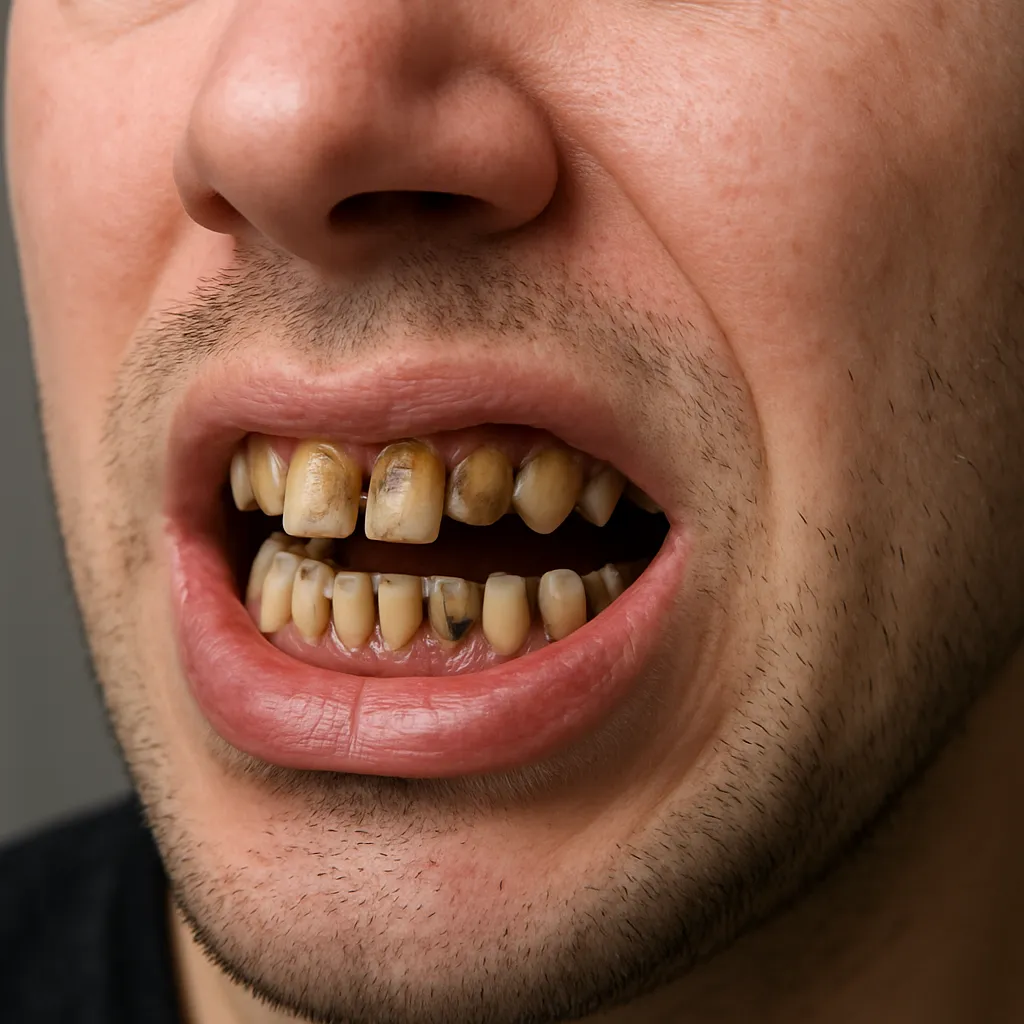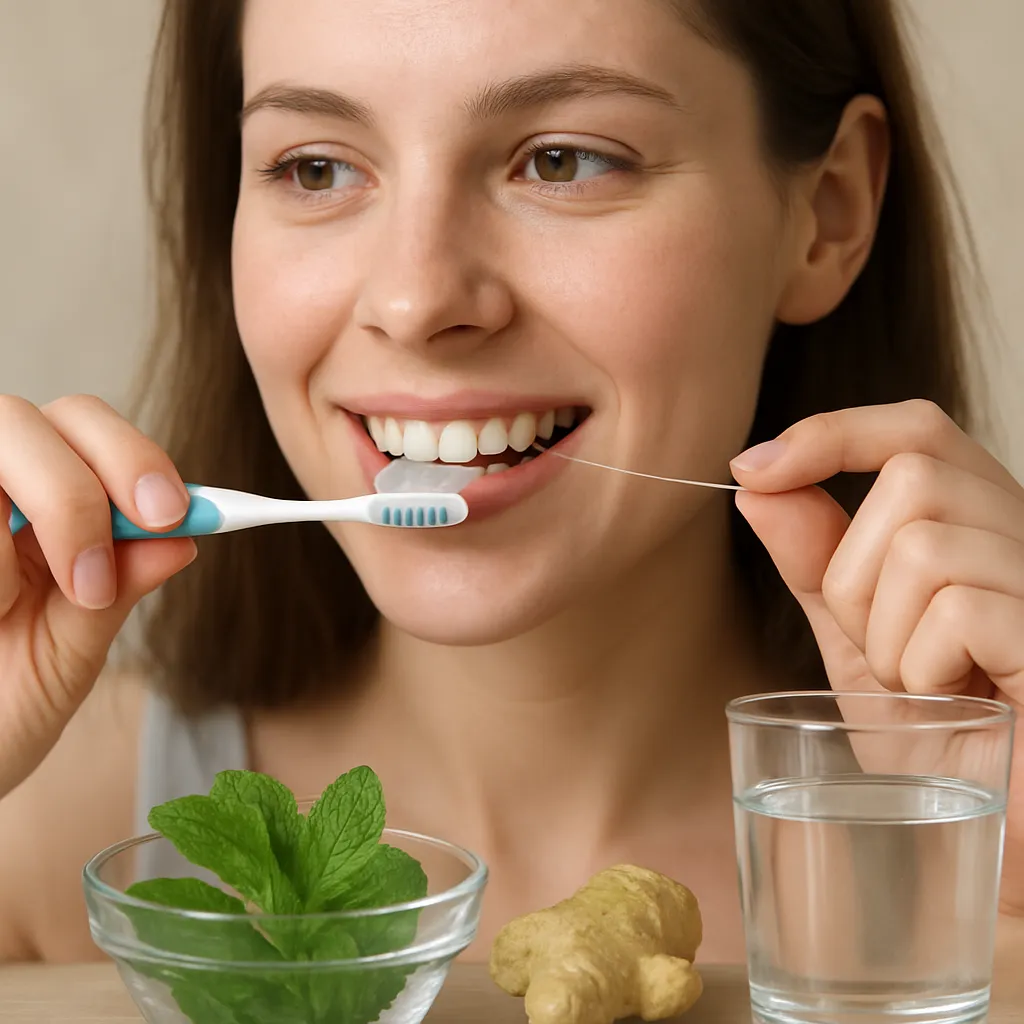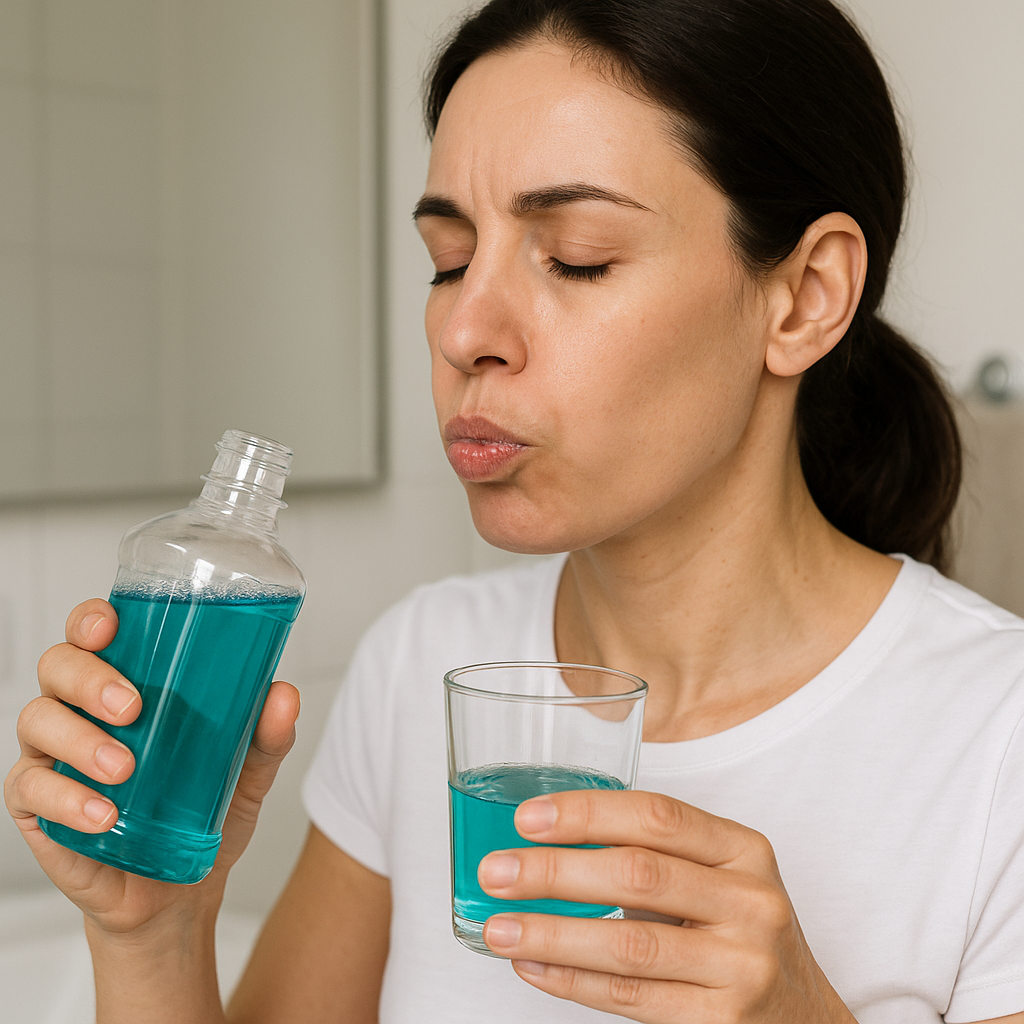
Maintaining a bright smile and healthy gums goes beyond daily brushing and flossing. Incorporating mouthwash into your routine offers multiple advantages that support overall oral hygiene and complement professional dental care. From fighting harmful bacteria to delivering essential nutrients to your mouth, mouthwash is a versatile tool for achieving optimal dental health.
Understanding the Role of Mouthwash
While brushing and flossing form the cornerstone of any effective dental regimen, mouthwash serves as a potent adjunctive measure. It reaches areas often missed by a toothbrush or dental floss, rinsing away residual debris and lowering the population of disease-causing microbes. Regular use helps address issues such as plaque buildup and early signs of gingivitis, thus reducing the risk of cavities and gum disease.
Complementing Mechanical Oral Care
- Enhances removal of food particles lodged between teeth
- Reaches deep periodontal pockets inaccessible to floss
- Strengthens the effects of brushing by maintaining a cleaner environment
Targeting Halitosis
Bad breath, or halitosis, can stem from volatile sulfur compounds produced by bacteria colonizing the tongue and throat. Specialized mouthwashes neutralize these compounds, providing long-lasting freshness and boosting confidence in social interactions. By incorporating antibacterial agents, they minimize the odor-producing pathogens at their source.
Key Ingredients and Their Benefits
Not all mouthwashes are created equal. Understanding active components helps you choose a formulation that aligns with your specific oral health needs. Below are some of the most effective ingredients found in dentist-recommended rinses.
- Fluoride: Reinforces tooth enamel, making teeth more resistant to acid attacks and decay.
- Chlorhexidine: A potent antimicrobial compound ideal for controlling severe gum inflammation under professional guidance.
- Essential oils (e.g., eucalyptol, menthol): Natural antibacterials that reduce plaque and soothe gingival tissues.
- Povidone-iodine: Effective against a broad spectrum of bacteria and viruses, often used pre- and post-operatively in dental procedures.
- Hydrogen peroxide: Provides gentle whitening effects by oxidizing surface stains on teeth.
Choosing the Right Formulation
Select a mouthwash based on your primary concern. If combating tooth decay is the priority, a fluoride-containing rinse is recommended. For managing gum disease, look for products labeled “therapeutic” with chlorhexidine or essential oils. Always read the active ingredient list and consult your dentist to ensure compatibility with any ongoing treatments.
Proper Usage and Best Practices
To maximize the benefits of mouthwash, it’s crucial to use it correctly. Follow these guidelines to ensure safe and effective application:
- Rinse after brushing and flossing, but wait at least 30 minutes if you’ve used a high-fluoride toothpaste to prevent dilution.
- Use the manufacturer’s recommended dose—typically 20 ml. Overuse can lead to irritation of the soft tissues in the mouth.
- Swish vigorously for 30–60 seconds to ensure contact with all surfaces, then spit out. Avoid swallowing the rinse.
- Maintain consistent frequency—most therapeutic mouthwashes are designed for twice-daily use.
- Store in a cool, dry place and keep the cap tightly closed to preserve potency.
Avoiding Common Mistakes
Some individuals assume that mouthwash replaces brushing or flossing, but it should serve as an addition, not a substitute. Others dilute the product in hopes of reducing strength, which in turn decreases effectiveness. Always follow label instructions and seek professional advice before altering usage frequency or concentration.
Addressing Common Misconceptions
Despite its widespread availability, mouthwash is often misunderstood. Clarifying these myths can help users integrate it more effectively into their dental routines.
- Myth: Mouthwash can cure cavities. Reality: It helps prevent decay but cannot reverse existing cavities; only a dentist can restore tooth structure.
- Myth: All mouthwashes are antiseptic. Reality: Cosmetic rinses freshen breath but lack active ingredients that target gum disease or plaque.
- Myth: Alcohol-free rinses are less effective. Reality: Many alcohol-free formulations contain potent antimicrobial agents that rival their alcohol-based counterparts.
- Myth: Frequent use guarantees better results. Reality: Excessive use can disrupt the mouth’s natural microbial balance, leading to sensitivity or irritation.
Consulting the Dental Professional
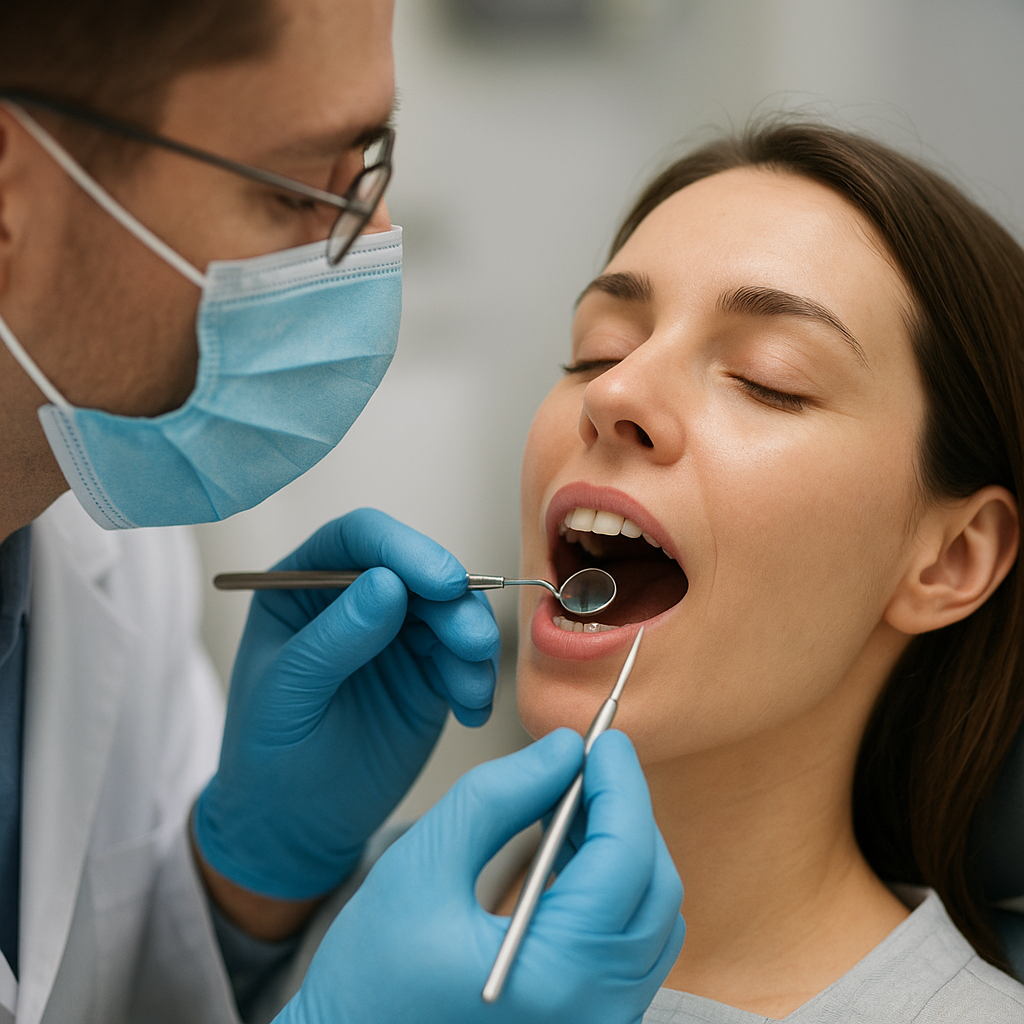
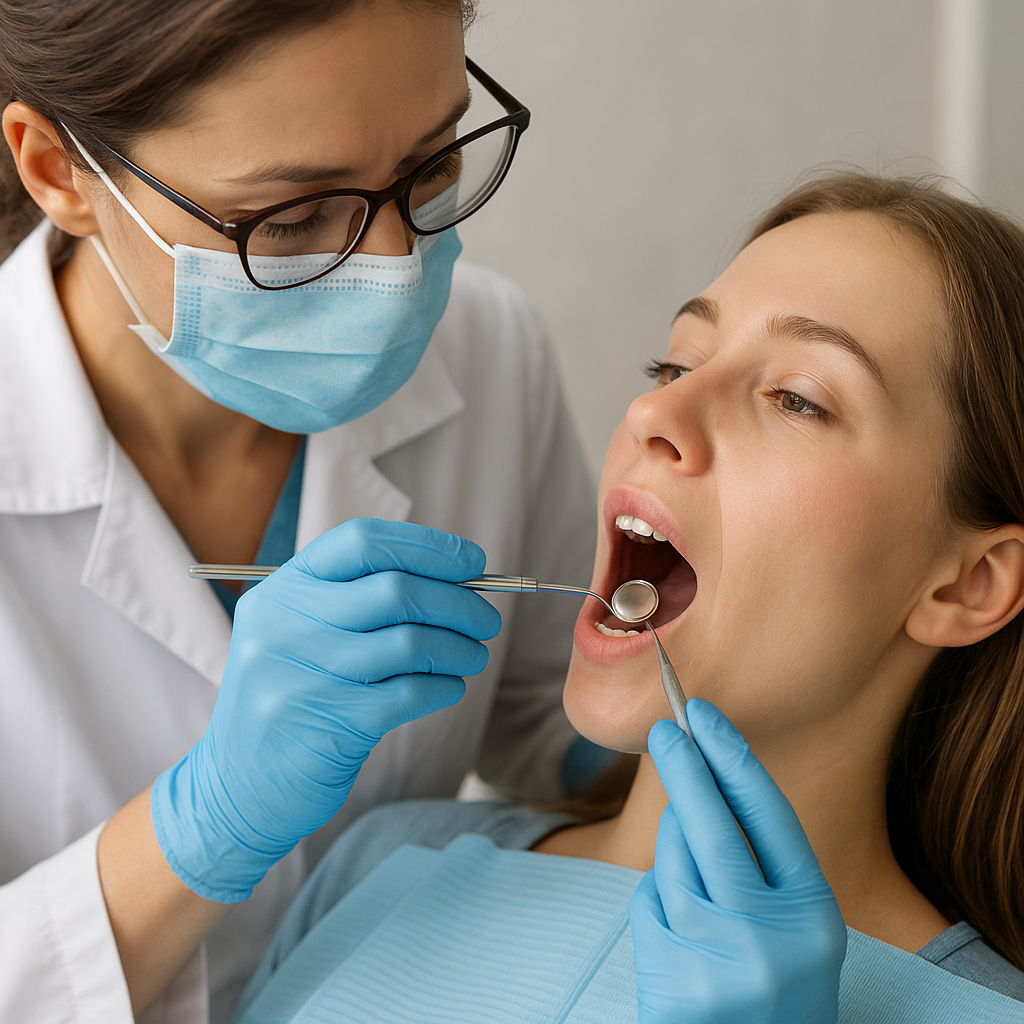
Regular dental check-ups are vital for personalized recommendations. Your dentist may suggest a specialized rinse following periodontal surgery or as part of a preventive protocol for high-risk patients. By discussing your oral health goals, you can select a mouthwash that enhances your personalized care plan.