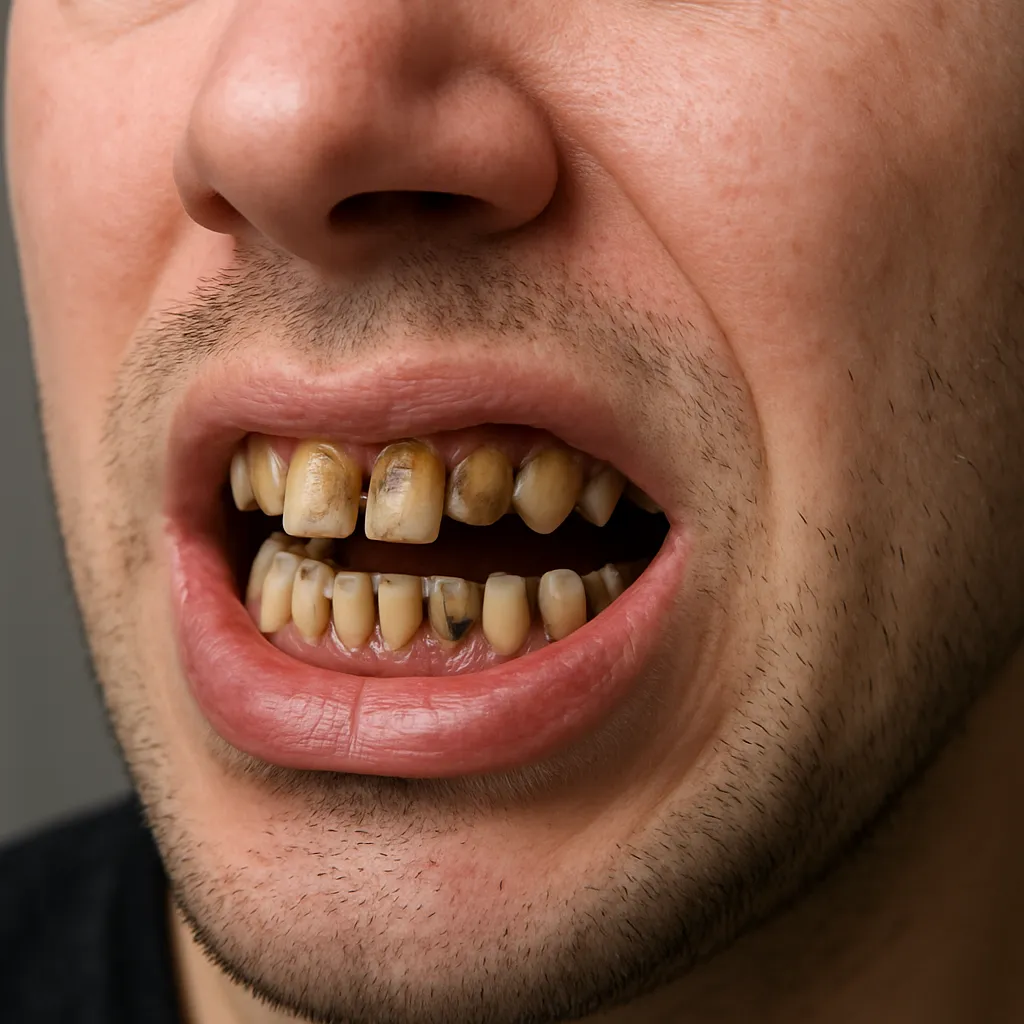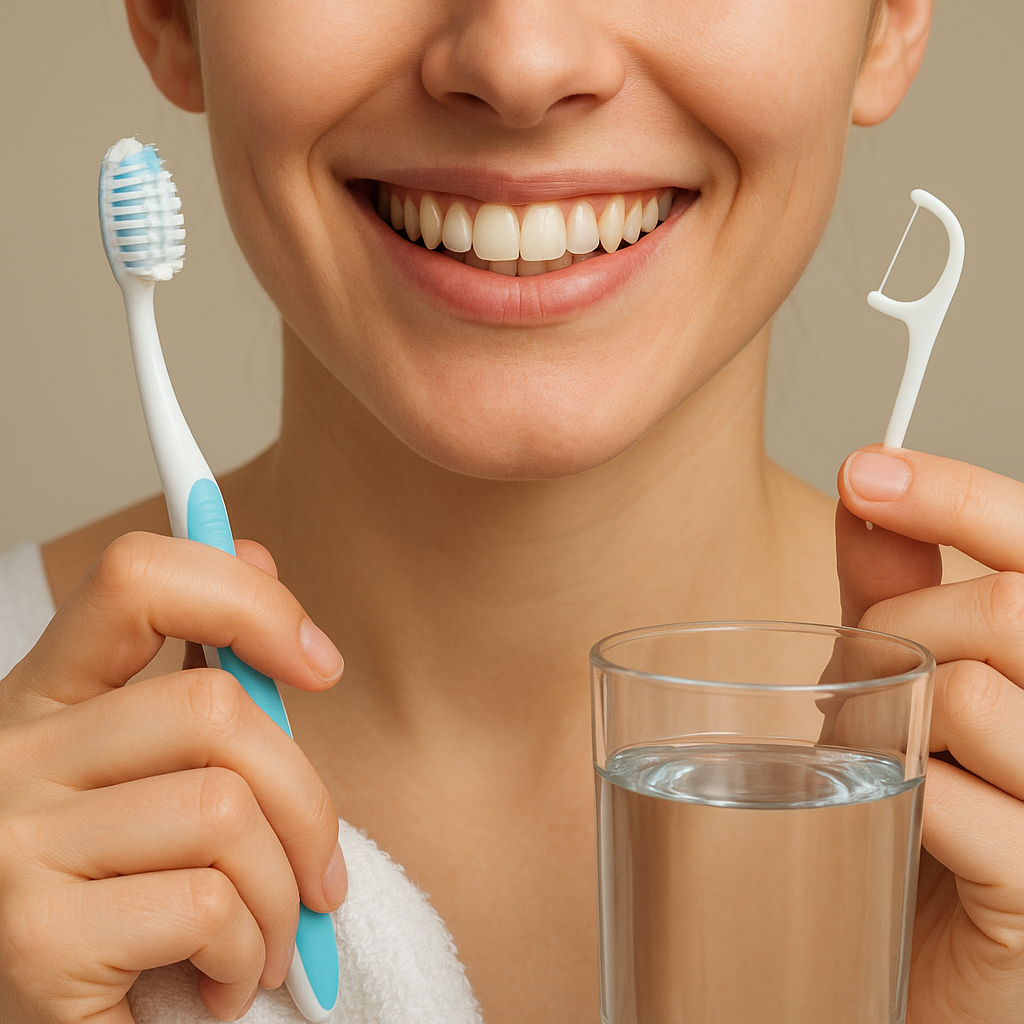
Achieving a lifetime of healthy, confident smiles depends on adopting sustainable, science-backed practices. Dentists around the world emphasize that embracing core routines early and reinforcing them consistently can dramatically reduce the risk of decay, gum disease, and other oral issues. This article explores the most effective methods to maintain oral hygiene from childhood through adulthood, highlighting the role of daily habits, dietary choices, professional guidance, and protective measures.
Starting Good Practices Early
Childhood Routines
Introducing a solid cleaning routine as soon as the first tooth appears is crucial. Parents should gently wipe gums with a soft, damp cloth before transitioning to a small, age-appropriate toothbrush. Between ages two and three, children can begin learning to brush with a pea-sized amount of fluoride toothpaste under parental supervision. By making brushing fun—using colorful brushes, singing songs, or offering stickers—caregivers set the stage for a lifelong commitment.
Family Influence and Modeling
Children often mimic adult behavior, so when parents demonstrate proper brushing and flossing, kids are more likely to adopt the same habit. Establish a routine where the whole family brushes together twice daily. Celebrate milestones—like two weeks of consistent brushing—with small rewards. Emphasizing teamwork fosters responsibility and helps children associate oral care with positive experiences.
Effective Brushing and Flossing Rituals
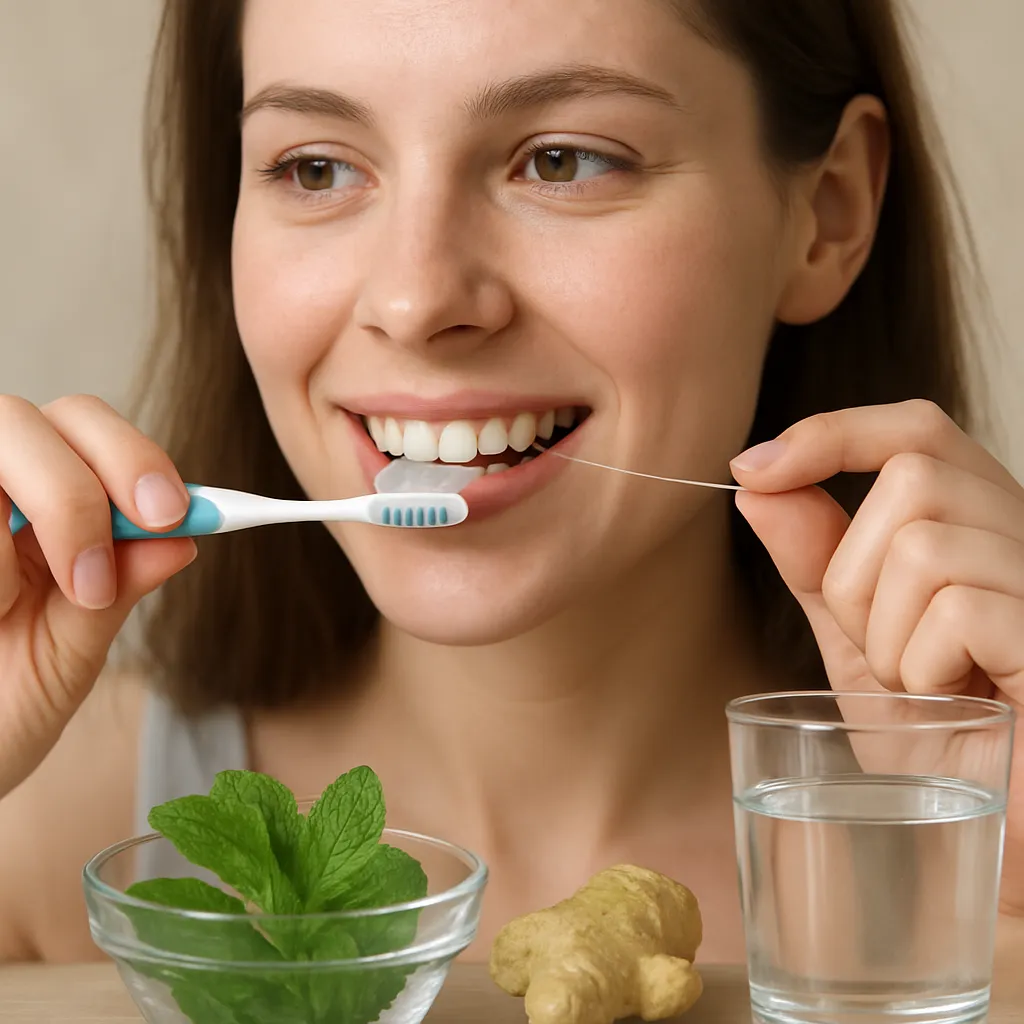
Consistent, correct techniques are the backbone of any successful oral care plan. Without attention to detail, even daily cleaning may fail to remove harmful plaque and bacteria.
- Toothbrush Selection: Use a soft-bristled brush with a small head to navigate tight spaces. Replace the brush every three months or sooner if bristles spread out.
- Brushing Technique: Angle the brush at 45 degrees to the gumline. Use gentle, circular motions rather than harsh back-and-forth strokes. Spend at least two minutes covering all surfaces—outer, inner, and chewing areas.
- Flossing Method: Slide floss gently between teeth, curving around each tooth in a C-shape. Move up and down to remove debris and biofilm below the gumline. Floss at least once every day, ideally before bedtime.
- Mouthwash: Incorporate an antimicrobial or fluoride rinse to reach areas that brushing and flossing miss. Rinse for 30 seconds, swish thoroughly, and avoid eating or drinking for 20 minutes afterward.
Diet and Lifestyle Factors
Nutrition profoundly influences oral health. Frequent consumption of sugary or acidic foods encourages bacterial growth and enamel erosion. A well-rounded diet packed with minerals and vitamins not only supports strong teeth but also boosts overall wellbeing.
- Water Intake: Drinking plain water throughout the day helps wash away particles and maintains saliva flow, which neutralizes acids.
- Calcium-Rich Foods: Dairy products, leafy greens, and fortified alternatives strengthen enamel and support jawbone density.
- Fiber and Crunch: Raw fruits and vegetables stimulate saliva, scrub surfaces, and deliver essential nutrients.
- Limit Snacking: Aim for designated meal times to reduce acid attacks. If you snack, choose cheese, nuts, or sugar-free gum.
Professional Care and Regular Check-Ups
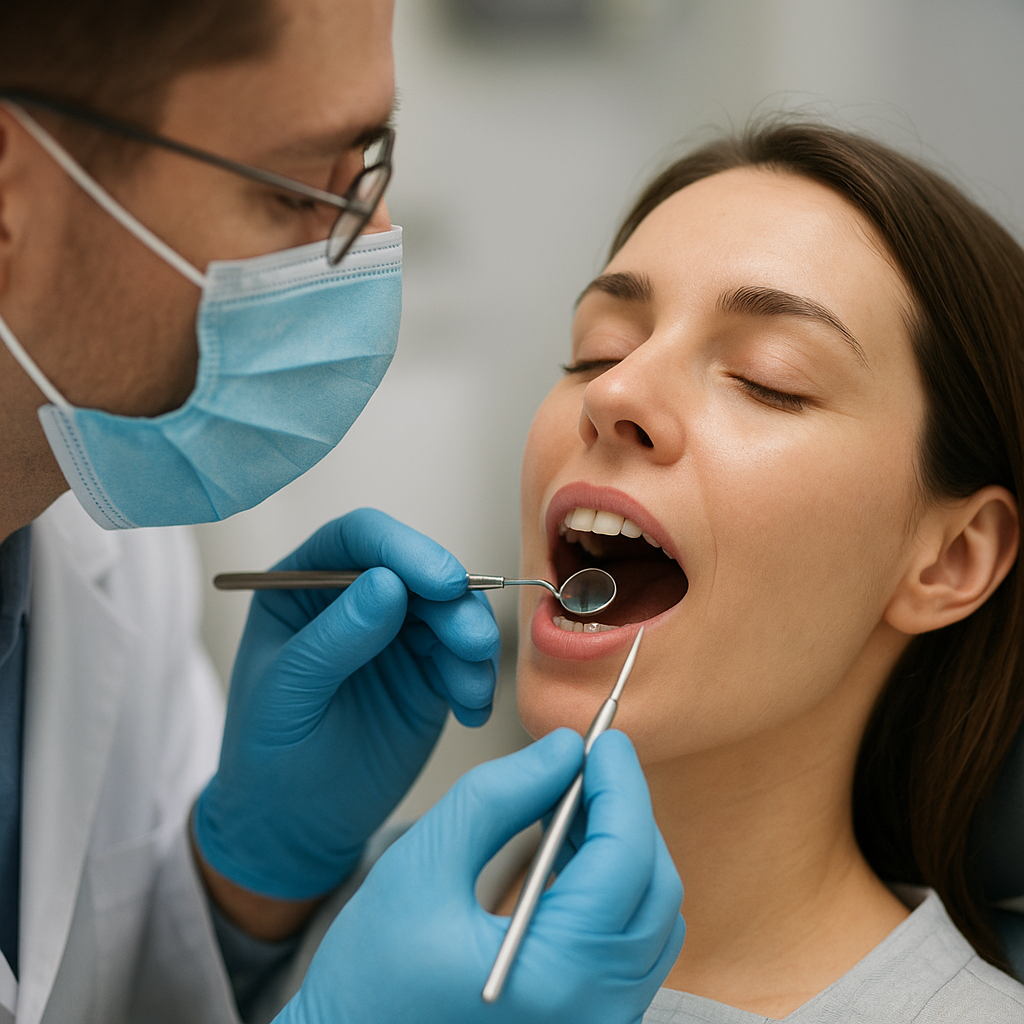
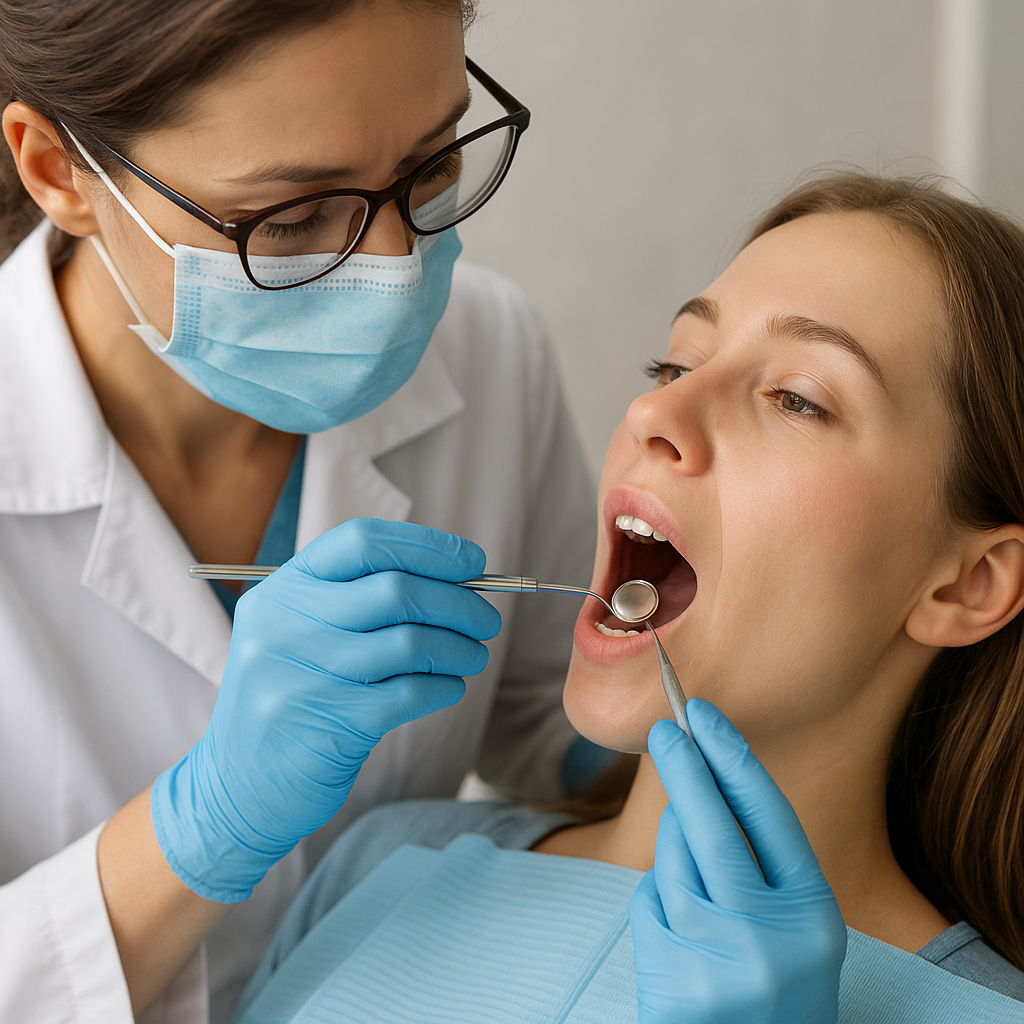
Routine visits to a qualified dentist are indispensable for early detection and effective prevention. Even the most meticulous at-home routines can’t replicate the thorough cleaning and diagnostic tools available in a dental office.
- Biannual Cleanings: Professional scaling and polishing remove hardened tartar and surface stains that brushing can’t eliminate.
- Digital X-Rays: Annual imaging helps spot hidden cavities, bone loss, or developmental issues before symptoms emerge.
- Personalized Advice: A dental professional can recommend tailored products—specialty toothpaste, interdental brushes, or personalized mouthguards—for your unique needs.
- Early Intervention: Prompt treatment of minor issues prevents them from escalating into costly, invasive procedures.
Advanced Protective Strategies
Beyond routine care, additional measures can elevate protection and comfort, especially for specific populations.
- Sealants: Applied to molars in children and teens, these protective coatings fill grooves to prevent food and bacteria from settling.
- Custom Mouthguards: Athletes and night grinders benefit from tailored guards that shield your enamel from impact and wear.
- Fluoride Treatments: Professional fluoride varnishes strengthen enamel and help reverse early decay.
- Orthodontic Support: Regular adjustments ensure braces or aligners work efficiently, minimizing plaque traps and discomfort.
- Tobacco Cessation: Quitting smoking or chewing tobacco reduces the risk of periodontal disease, oral cancers, and staining.
Maintaining Consistency and Mindset
Adopting exceptional habits is only half the battle; sustaining them over decades ensures lifelong benefits. Integrate oral care into daily rituals—brush while listening to a favorite podcast or set reminders on your phone. Focus on the positive outcomes: fresher breath, brighter smiles, and lower dental costs. By cultivating a proactive, positive mindset, you reinforce the value of each small step toward a healthier mouth and body.