The Best Ways to Whiten Teeth Safely
Achieving a brighter smile involves more than cosmetic appeal; it reflects diligent oral hygiene and careful consideration of methods that protect tooth enamel. Whether you consult a professional dentist or prefer at-home solutions, understanding the science behind whitening and following best practices ensures safety and lasting results. This article explores proven approaches, potential risks, and guidance for maintaining that radiant smile.
Understanding Tooth Staining and Enamel
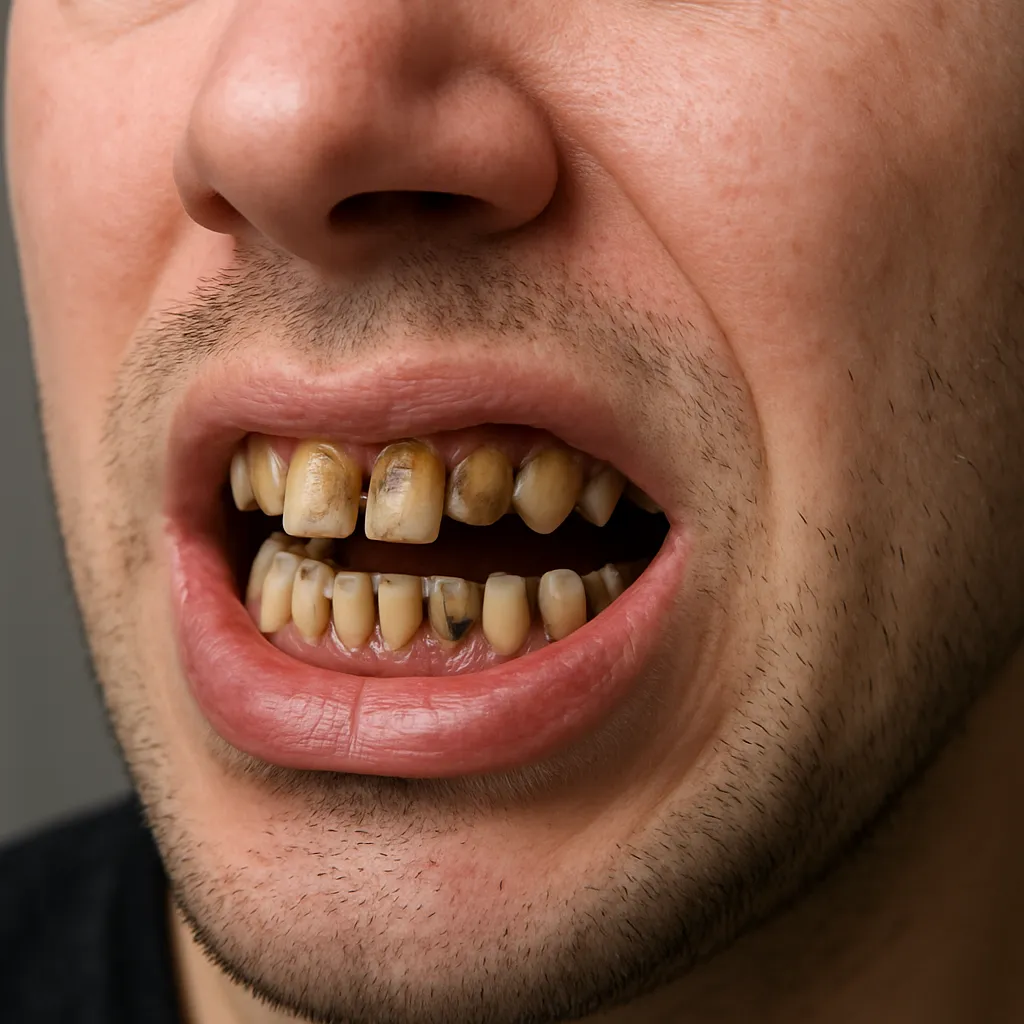
Everyday habits, foods, and beverages can leave unsightly stains on your natural tooth surface. Surface stains often result from chromogenic compounds found in coffee, tea, red wine, and tobacco. Deeper discoloration may stem from aging, trauma, or certain medications. To protect your precious enamel and achieve effective whitening, it’s vital to know how staining occurs and why enamel integrity matters.
Types of Discoloration
- Extrinsic Stains: Surface discoloration caused by external factors such as food pigments, tobacco, and poor brushing habits.
- Intrinsic Stains: Deeper discoloration within the tooth, often from antibiotic usage in childhood, excessive fluoride, or dental trauma.
- Age-Related Yellowing: Gradual thinning of enamel exposes the underlying dentin, a naturally yellow tissue.
Enamel is the hardest substance in the human body, yet it remains vulnerable to erosion from aggressive whitening or acidic foods. Preserving enamel thickness and hardness is the foundation for any safe whitening regimen.
Professional Whitening Treatments
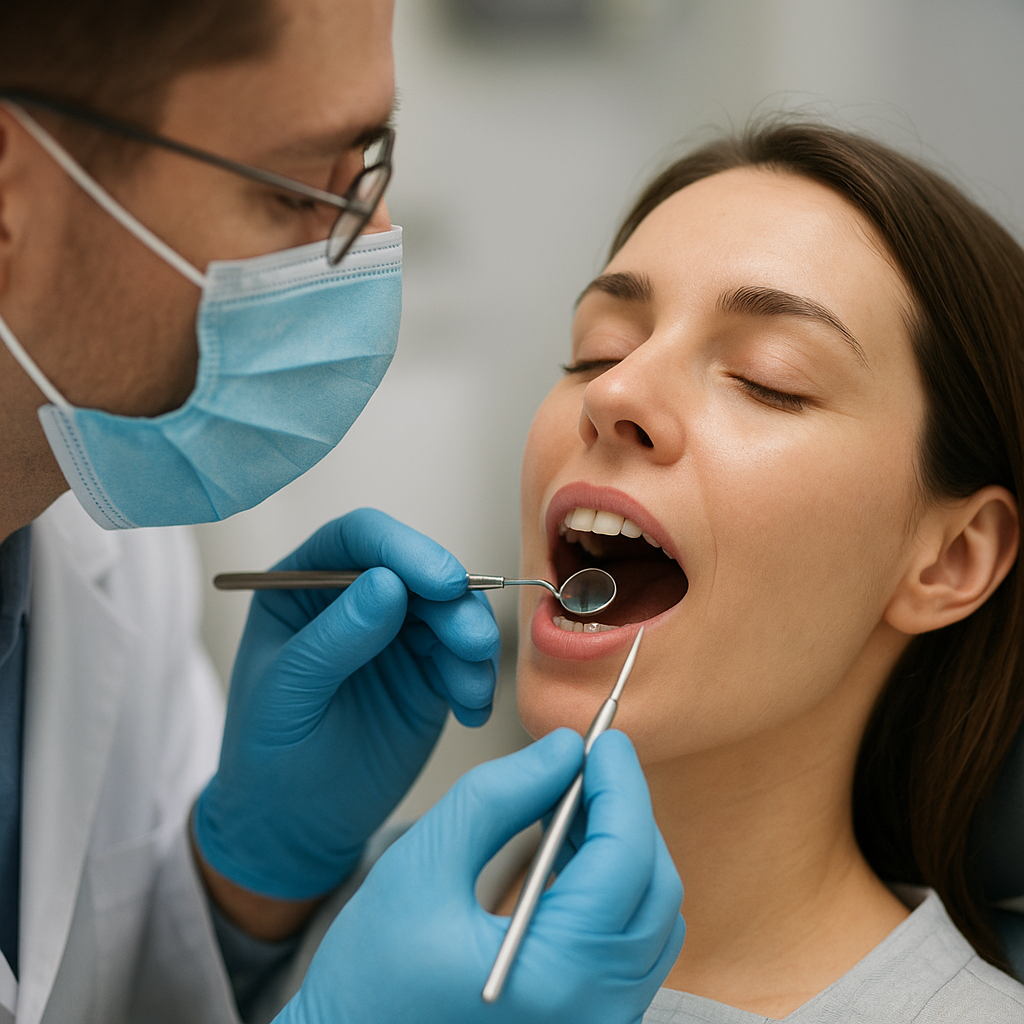
When you seek rapid, dramatic results with minimal guesswork, in-office whitening is the gold standard. A trained dentist can evaluate your oral health, identify potential contraindications like gum disease or worn enamel, and customize a plan that balances potency with safety.
Laser and Light-Activated Whitening
These procedures involve applying a high-concentration hydrogen peroxide gel to the teeth and activating it with a specialized light or laser. The process accelerates the breakdown of stain molecules and typically yields multiple shades of improvement in one visit.
- Advantages: Immediate results, professional supervision, reduced treatment time.
- Considerations: Higher cost, potential for temporary sensitivity, requires a healthy gum line.
Custom-Fitted Whitening Trays
Custom trays crafted from impressions of your teeth ensure even gel distribution and limit contact with soft tissues. In-office molding, followed by take-home gel kits, delivers a balanced approach between professional oversight and at-home convenience.
- Precise fit reduces gel leakage and irritation.
- Lower peroxide concentrations can be used over multiple sessions for gradual brightening.
- Often includes desensitizing agents to mitigate discomfort.
Professional whitening leverages controlled concentrations of hydrogen peroxide or carbamide peroxide. These agents penetrate the enamel and oxidize pigmented molecules without compromising structural integrity when applied correctly.
At-Home Whitening Strategies
Over-the-counter options offer an affordable entry point to a whiter smile. While results may develop more slowly, careful selection and correct usage can yield safe and satisfactory outcomes.
Whitening Toothpastes and Rinses
These products contain mild abrasives or low concentrations of bleaching agents. By scrubbing or chemically targeting surface stains, they maintain brightness without altering tooth structure.
- Pros: Daily use, minimal cost, no special equipment required.
- Cons: Limited to surface stain removal, results may plateau.
Whitening Strips and Gels
Disposable strips coated with peroxide gel adhere to the teeth for a set time, typically 10–30 minutes per application. Gels applied with a brush provide similar benefits. Consistent use over 1–2 weeks can brighten your smile by several shades.
- Follow manufacturer’s instructions to avoid overuse and gum irritation.
- Avoid eating or drinking while the strips remain in place to maximize effectiveness.
- Monitor for signs of sensitivity and pause treatment if discomfort arises.
Natural Remedies: Fact or Fiction?
Home remedies like baking soda, activated charcoal, or oil pulling boast anecdotal success but lack robust clinical backing. While occasional use of a baking soda paste may help polish away mild stains, aggressive or frequent application risks enamel abrasion and should be approached with caution.
Maintaining Results and Oral Care
After whitening, preserving your brighter shade depends on consistent oral hygiene and mindful lifestyle choices. Consider these tips to extend your results and support overall dental health.
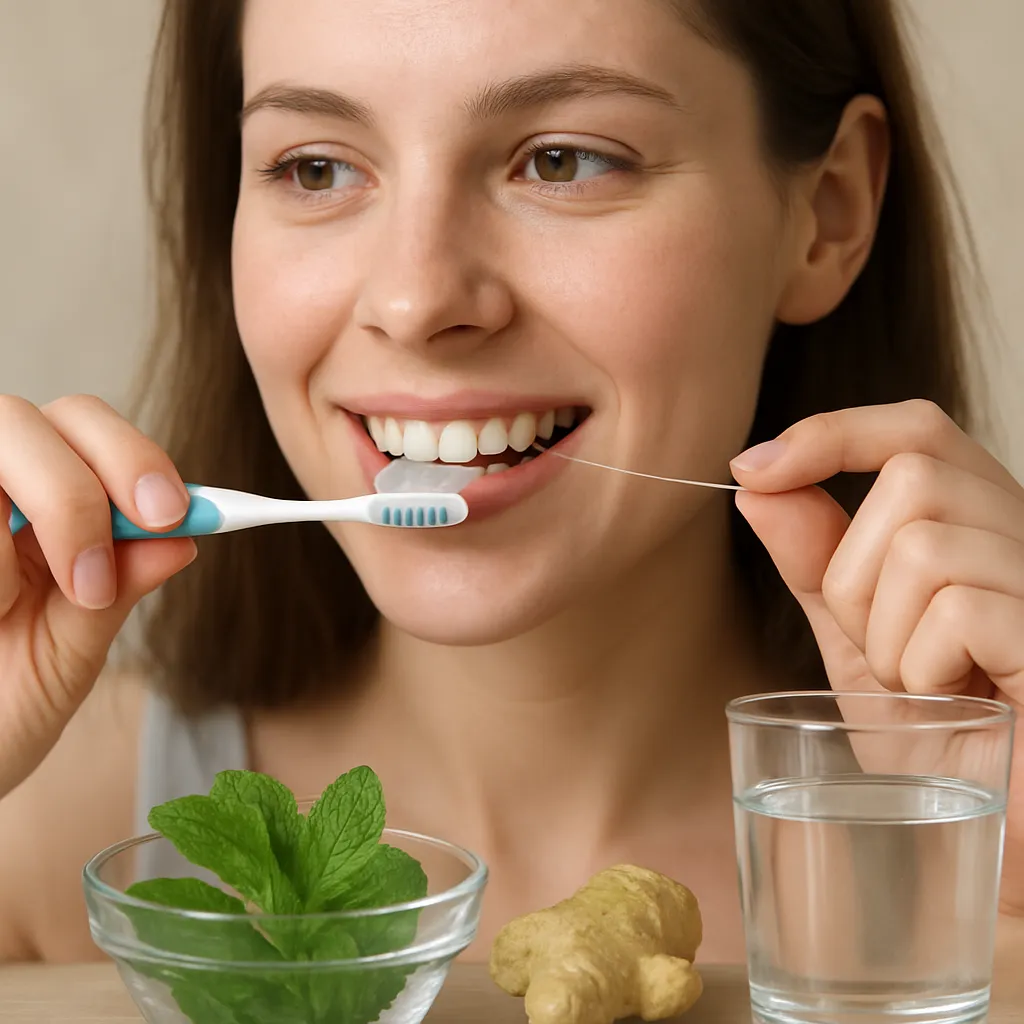
- Daily Brushing and Flossing: Use a soft-bristled brush and fluoride toothpaste to combat new stains and prevent decay.
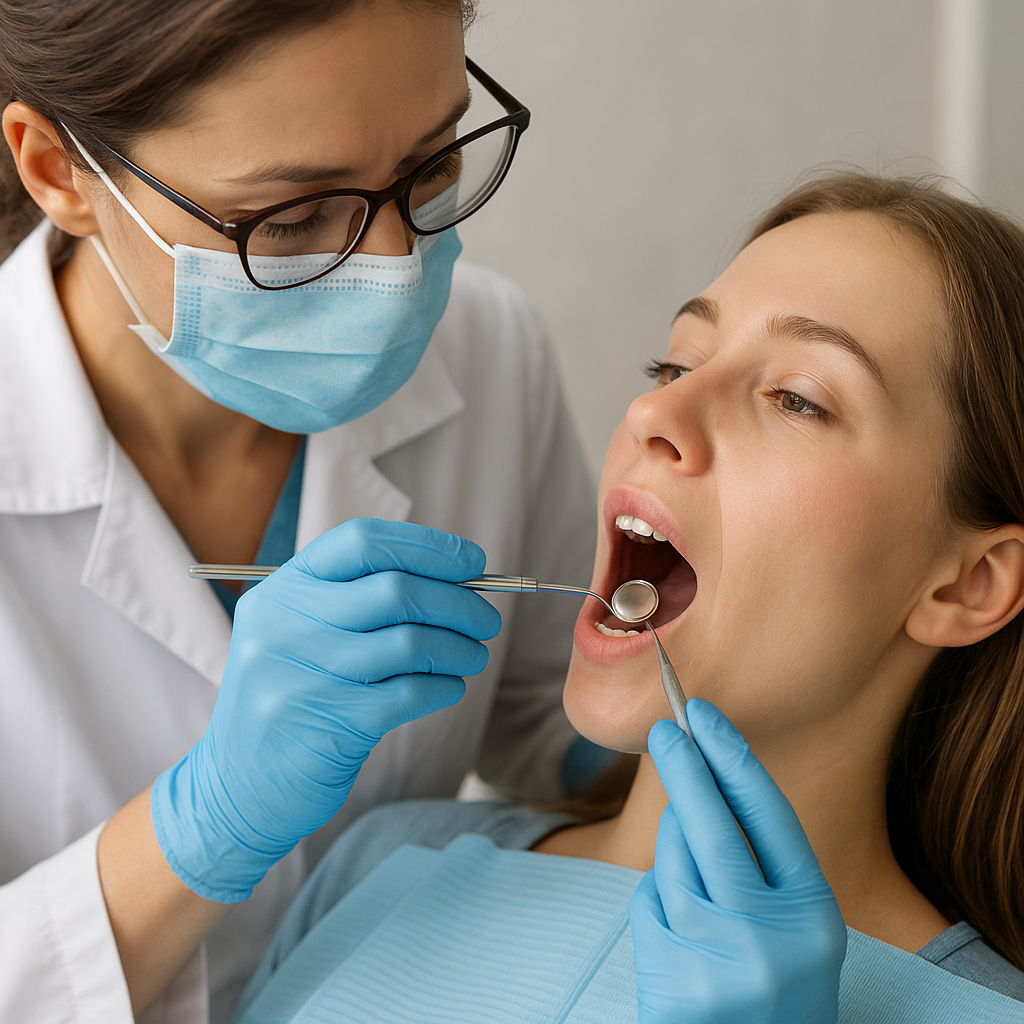
- Regular Dental Checkups: Professional cleanings remove calculus and surface discoloration that at-home efforts can’t address.
- Stain-Reducing Diet: Limit dark-colored beverages and acidic foods. Rinse or brush after consumption to minimize pigment absorption.
- Whitening Touch-Ups: Short, periodic at-home treatments help maintain brightness without overloading peroxide.
- Desensitizing Products: Use toothpastes or gels containing potassium nitrate or fluoride to soothe any lingering sensitivity.
Precautions and Potential Side Effects
While whitening is generally safe when performed correctly, be mindful of these considerations:
- Over-the-counter products with excessively high peroxide levels can lead to enamel erosion and gum irritation.
- Pre-existing dental issues, such as cavities or gum disease, should be resolved before whitening to avoid uneven results and discomfort.
- Teeth with restorations (crowns, veneers, fillings) won’t whiten; discuss replacement or alternative solutions with your dentist.
- Sensitivity or mild gum irritation may occur; discontinue use if severe pain arises and seek professional advice.
Enhancing Confidence with a Healthy Smile
A radiant smile does more than look appealing—it boosts self-esteem, encourages positive social interactions, and reflects a commitment to personal well-being. By choosing evidence-based whitening methods, partnering with your dental professional, and embracing consistent care routines, you can achieve a dazzling result without compromising tooth health. Remember that safe whitening is a marathon, not a sprint; gradual progress combined with expert guidance delivers the most rewarding and lasting transformation in your smile’s brightness and overall confidence.