Sleep apnea is a complex condition with far-reaching consequences for overall health. Recent research highlights a strong link between oral health and the severity of sleep-disordered breathing. Dentists play a pivotal role in identifying risk factors, providing therapeutic interventions, and collaborating with medical specialists. This article explores how oral factors contribute to sleep apnea and outlines strategies for dental professionals to improve patient outcomes.
The Interconnected Mechanisms of Oral Health and Sleep Apnea
Emerging evidence reveals that chronic inflammation in the mouth can exacerbate respiratory disturbances during sleep. Conditions such as periodontal disease create a reservoir of inflammatory mediators that enter the bloodstream, leading to systemic inflammation and tissue edema. When soft tissues in the throat become hypertrophic, they narrow the upper airway, making patients more susceptible to episodes of airway obstruction at night.
Role of Periodontal Disease
Studies show that the severity of gum inflammation correlates with the frequency of apneic events. Bacterial biofilms release endotoxins that trigger immune responses, increasing mucosal swelling in the oropharynx. As a result, individuals with untreated periodontal pockets often experience worse sleep quality, louder snoring, and longer apneic episodes.
Impact of Craniofacial Structures
Dental professionals recognize that certain anatomical features—such as a retrognathic mandible, a high-arched palate, or enlarged tonsils—can reduce pharyngeal space. Structural imbalances alter resting tongue posture and modify breathing patterns, further compromising airway patency. Early identification of these traits enables timely referral for orthodontic or surgical evaluation.
Screening and Early Detection in Dental Practice
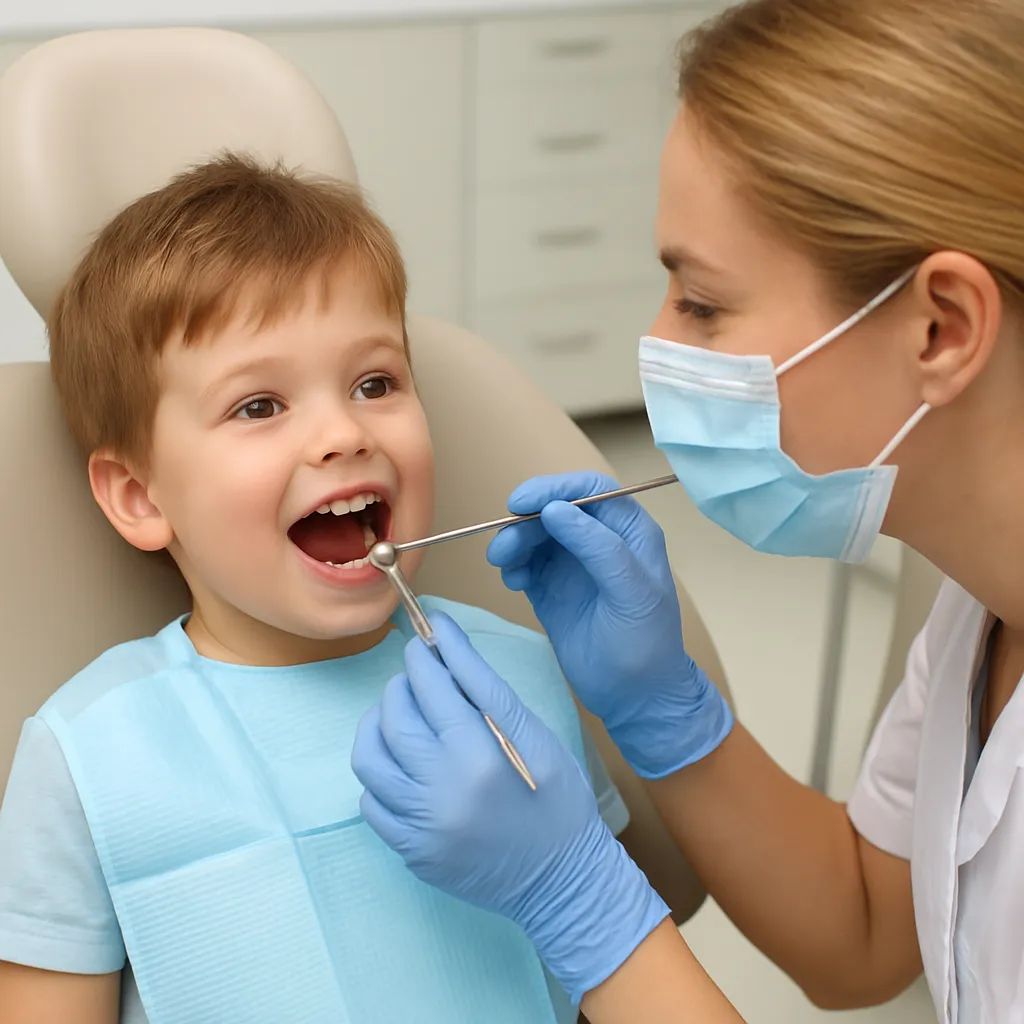
Because most adults visit their dentist more regularly than their primary care provider, the dental office is an ideal setting for screening. Simple questions about snoring, daytime sleepiness, and morning headaches can uncover undiagnosed sleep apnea. Visual examination and digital imaging also help detect risk factors that might go unnoticed in a routine medical checkup.
- Observation of heavy snoring or witnessed breathing pauses during sleep
- Assessment of neck circumference and body mass index (BMI)
- Inspection for scalloped tongue edges, enlarged uvula, or a recessed chin
- Evaluation of wear facets indicating bruxism, which often coexists with sleep-disordered breathing
Implementing a validated questionnaire, such as the STOP-Bang or Epworth Sleepiness Scale, can provide an objective measure of risk. Patients scoring high should be referred for polysomnography or home sleep testing. By acting early, dentists contribute to reducing cardiovascular complications associated with untreated sleep apnea.
Therapeutic Strategies and Oral Appliance Therapy
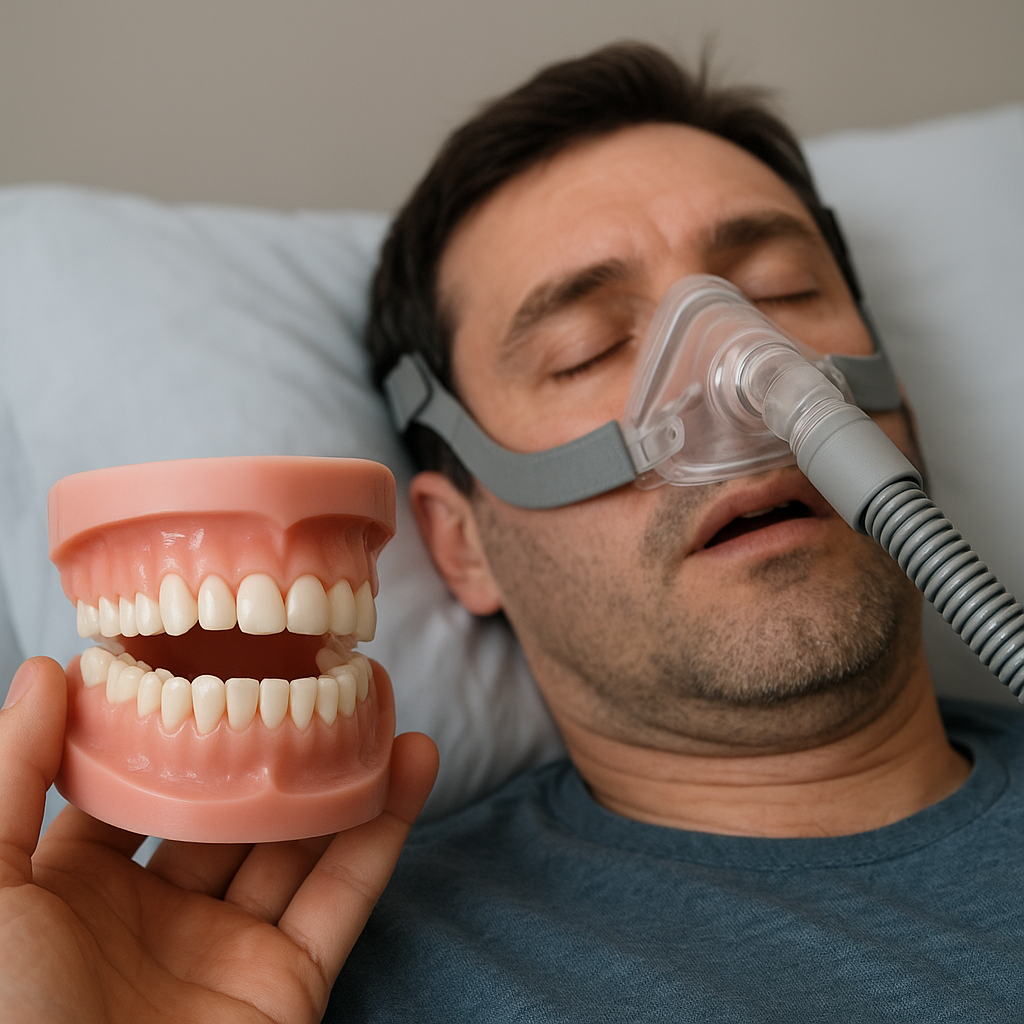
While Continuous Positive Airway Pressure (CPAP) remains the gold standard, many patients struggle with compliance due to discomfort or noise. For those with mild to moderate obstructive sleep apnea, custom-fitted mandibular advancement devices (MADs) offer an effective alternative. These appliances reposition the lower jaw forward, increasing pharyngeal volume and reducing collapse.
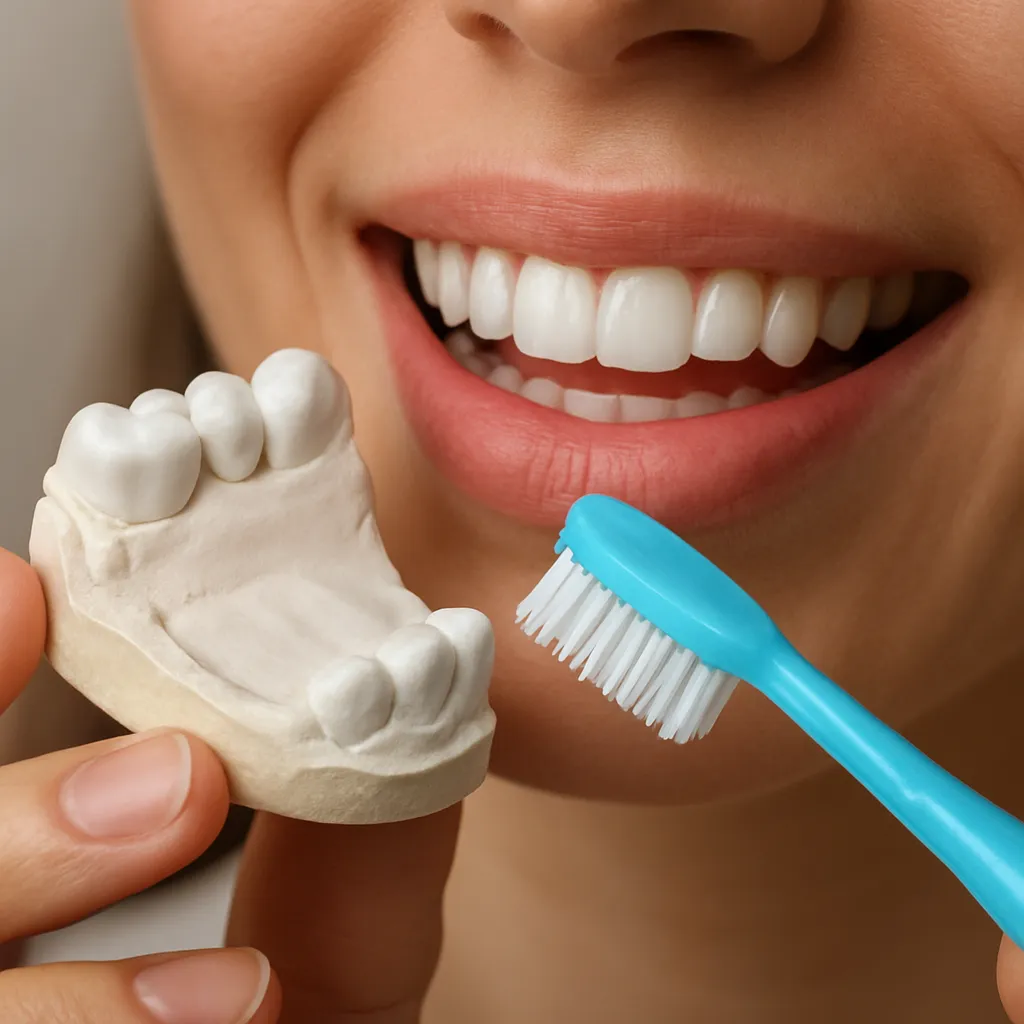
Key factors in successful appliance therapy include precise impressions, accurate vertical dimension settings, and periodic adjustments. Regular follow-up ensures optimal titration of mandibular protrusion and monitoring of dental side effects, such as changes in occlusion or temporomandibular joint discomfort.
Advantages of Oral Appliance Therapy
- Greater patient acceptance and adherence compared to bulky masks
- Portability for travel and ease of use
- Improvement in sleep architecture and daytime alertness
- Reduced blood pressure and cardiovascular strain in responsive patients
For severe cases, dentists may collaborate with ENT surgeons or orthodontists to explore maxillomandibular advancement or dentofacial orthopedics. These interventions can permanently enlarge the airway, offering a potential cure rather than symptomatic relief.
Collaborative Care and Future Directions
Optimal management of sleep apnea requires an interdisciplinary approach. Dentists should establish referral networks with sleep physicians, otolaryngologists, and myofunctional therapists. Shared electronic records and joint consultations streamline treatment planning and improve patient satisfaction.
Advancements in 3D imaging and digital dentistry enable more precise appliance fabrication and simulation of airway changes. Artificial intelligence models are emerging to predict treatment response based on craniofacial morphology and polysomnographic parameters. In the future, genetic markers may help identify individuals at high risk, facilitating preventive strategies before significant airway compromise occurs.
By integrating screening, conservative therapies, and collaborative protocols, dental professionals will continue to play a vital role in mitigating the impact of sleep apnea. Emphasizing oral health not only preserves dentition but also contributes to better sleep quality and overall well-being.