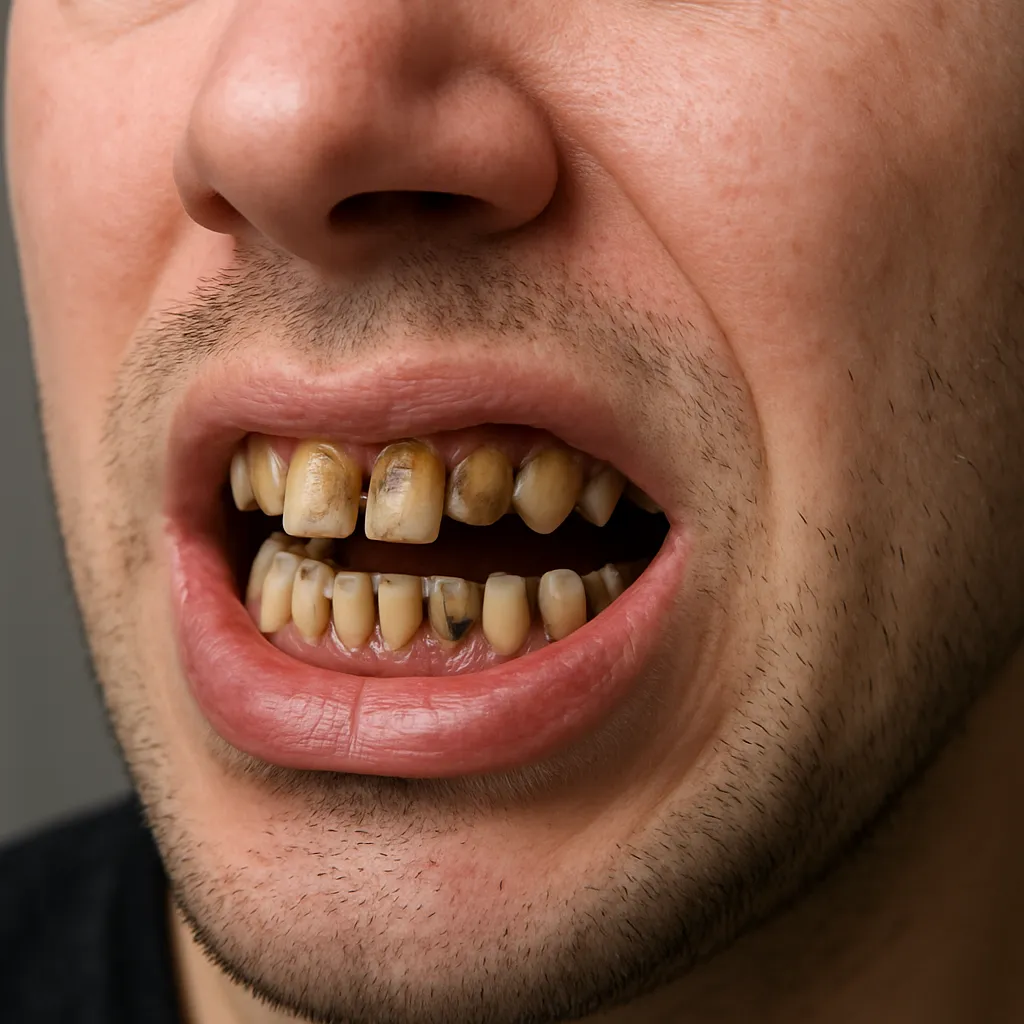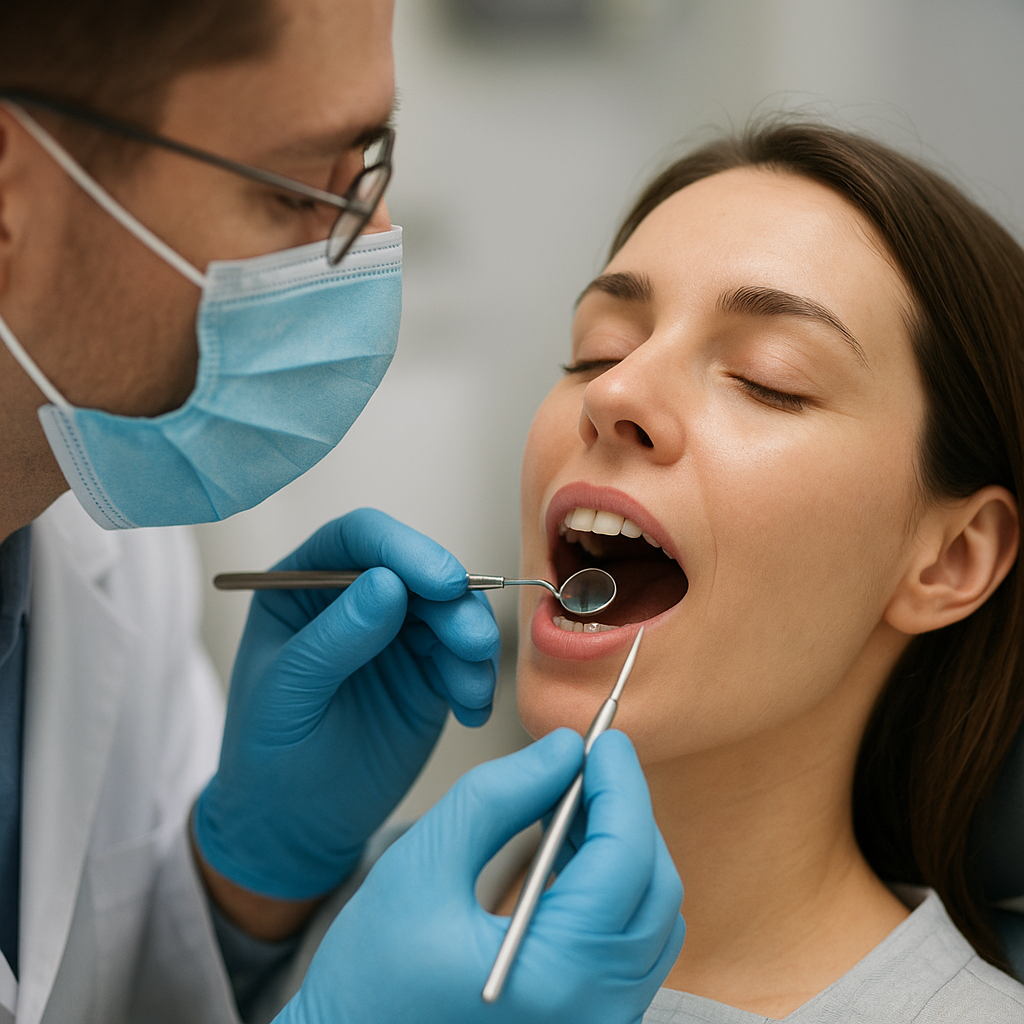
Experiencing persistent dental discomfort is more than just an inconvenience—it can be a warning sign of serious health issues. Ignoring a persistent toothache may pave the way for complicated infections that extend beyond the mouth, undermining both your oral health and overall well-being. Understanding the hidden risks and taking prompt action can save you from costly and invasive procedures later on.
Understanding the Root of the Problem
Toothaches often start as mild sensitivity but can escalate into debilitating pain if left unchecked. The underlying causes vary greatly and may include enamel erosion, gum recession, or exposed nerves. Early recognition of symptoms is vital:
- Sensitivity to hot or cold foods and drinks
- Sharp or throbbing pain when biting
- Swelling around the affected area
- Persistent dull ache that comes and goes
At the core of many toothaches is bacterial invasion. When decay breaches protective barriers, these bacteria multiply and trigger inflammation. Over time, the pulp chamber inside the tooth can become infected, leading to severe discomfort and risk of an abscess. Routine monitoring and early intervention from a dental professional are crucial in preventing minor issues from spiraling out of control.
Potential Complications of Neglect
Allowing a toothache to persist can unleash a cascade of health problems. The progression from simple decay to a full-blown abscess can be swift and damaging:
Local Spread of Infection
An untreated abscess can perforate bone, causing the infection to infiltrate surrounding tissues and even reach the jawbone. This can lead to osteomyelitis, a serious bone infection that demands aggressive medical intervention.
Systemic Health Risks
Oral infections can enter the bloodstream, potentially causing life-threatening conditions such as endocarditis (infection of the heart’s inner lining) or sepsis. Individuals with compromised immune systems, diabetes, or heart conditions are especially vulnerable to these complications.
Loss of Tooth Structure
Unchecked decay undermines the tooth’s support system. What begins as a small cavity can escalate into deep structural damage, often necessitating root canal treatment or complete extraction. More invasive surgery not only increases the treatment cost but also extends recovery time and diminishes chewing efficiency.
Diagnostic Procedures and Treatment Options
A comprehensive dental examination is the first step toward relief. Accurate diagnosis involves both clinical assessment and imaging techniques:
- Visual and tactile examination using dental probes
- Digital X-rays to reveal hidden decay and bone loss
- 3D cone-beam computed tomography (CBCT) for complex cases
- Sensitivity tests to assess pulp health
Once the underlying cause is identified, your dentist will recommend a tailored treatment plan. Common options include:
- Filling or resin restoration for small cavities
- Root canal therapy to remove infected pulp and preserve the tooth
- Prescription of antibiotic medication when an active infection is present
- Placement of a protective crown following extensive decay removal
- Extraction in cases where the tooth is non-restorable
Proper pain management is also essential during treatment. Over-the-counter analgesics can provide temporary relief, but they should not replace professional care. In-office anesthesia or dental sedation options ensure comfort during more complex procedures.
Prevention and Regular Care
Preventive dentistry remains the most effective way to avoid severe toothaches. Establishing a robust oral hygiene routine and attending regular check-ups can halt problems before they start:
- Brush at least twice daily with fluoride toothpaste
- Floss daily to remove plaque between teeth
- Use an antimicrobial mouthwash to reduce bacterial load
- Schedule biannual visits for professional cleaning and evaluation
- Maintain a balanced diet low in sugary and acidic foods
Embracing these habits reduces the risk of decay and gum disease. Early detection of minor lesions or enamel breakdown allows prompt restoration, eliminating the need for more invasive treatments. In addition, investing in routine dental X-rays can uncover hidden issues even before they manifest as pain.
Engaging with a trusted dentist ensures you receive personalized advice and cutting-edge interventions. Regular check-ups provide opportunities for education on the latest flossing tools, electric toothbrush technologies, and dietary recommendations that support strong enamel and healthy gums. Timely action and consistent self-care form the cornerstone of maintaining a vibrant, pain-free smile.