Early orthodontic assessment holds a pivotal role in shaping a child’s oral health journey. Recognizing abnormalities in tooth eruption, jaw development, and facial growth patterns at a young age paves the way for timely guidance. A comprehensive evaluation by a trained professional can determine whether simple monitoring or active intervention is needed, ensuring a smoother treatment path.
The Significance of Early Orthodontic Evaluation
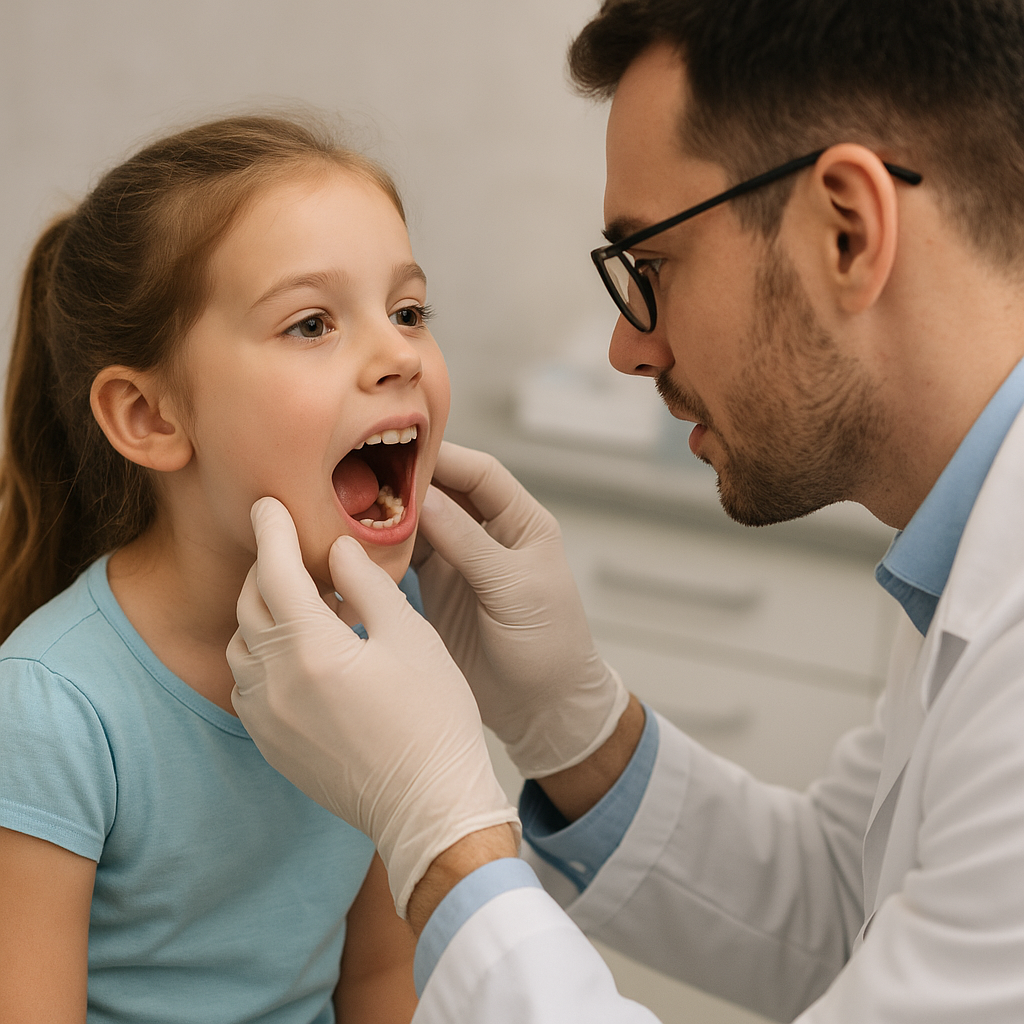
Regular dental check-ups often focus on caries and gum health, yet an orthodontic screening as early as age seven can reveal underlying issues. At this stage, mixed dentition (a combination of primary and permanent teeth) allows clinicians to observe growth patterns. Identifying discrepancies in arch form, tooth position, or jaw relationship helps prevent complex problems.
Monitoring Craniofacial Growth
- Comparison of upper and lower jaw development
- Detection of asymmetries or disproportionate growth
- Assessment of airway space and breathing patterns
Identifying Malocclusion Risk
An untreated misalignment may progress into a severe malocclusion, affecting chewing efficiency and speech. By capturing early deviations, practitioners can recommend simple appliances or exercises to guide normal eruption and jaw harmony.
Key Benefits of Timely Intervention
Initiating treatment during formative years leverages active growth and cellular remodeling. Young bones respond more readily to applied forces, minimizing treatment duration and reducing the need for invasive procedures later.
Enhanced Alignment and Function
Early care promotes proper dental alignment and optimal occlusion. Balanced tooth positions distribute chewing forces evenly, preserving periodontal health. When the bite is corrected at a young age, patients enjoy improved masticatory function and speech clarity.
Prevention of Complex Treatments
- Interceptive measures can thwart the development of severe crowding
- Arch expansion techniques often eliminate the necessity for multiple extractions
- Jaw growth modifications reduce reliance on orthognathic surgery in adolescence
Strategies for Effective Early Assessment
Orthodontists employ various diagnostic tools to conduct a thorough evaluation. Clinical examination integrates visual inspection, model analysis, and cephalometric radiographs when indicated.
Clinical Examination Protocols
- Visual inspection of tooth eruption sequence and spacing
- Examining overbite, overjet, and midline discrepancies
- Evaluating soft tissue habits such as thumb sucking or tongue thrusting
Radiographic and Digital Tools
Cone beam computed tomography (CBCT) and panoramic imaging enhance the precision of skeletal and dental assessments. Digital models created through intraoral scanners facilitate treatment planning and patient education.
Challenges and Solutions in Early Orthodontic Care
While the benefits are evident, practitioners must address barriers like patient cooperation, financial considerations, and parental understanding. Educating families about the prevention of more complex issues fosters compliance.
Engaging Young Patients
- Utilizing child-friendly language and visual aids
- Setting short-term goals with positive reinforcement
- Designing comfortable, low-visibility appliances
Parental Involvement
Clear communication regarding treatment phases and expected outcomes cultivates trust. Providing flexible financing options ensures that families can proceed without undue stress.
Case Studies Illustrating Early Intervention
Real-world examples underline the transformative power of prompt orthodontic action.
Addressing Crowding at Age Seven
A seven-year-old presented with moderate crowding in the lower arch. By fitting a removable expander, the clinician created sufficient space, guiding the permanent incisors into their ideal position. Subsequent alignment required minimal bracket therapy, shortening total treatment time by several months.
Correcting a Deep Bite Before Adolescence
An early screening detected an excessive bite in a nine-year-old patient. Using a bite plane appliance, the molars extruded slightly, reducing the overbite and allowing normal eruption of upper front teeth. This proactive approach mitigated risks of enamel wear and temporomandibular joint discomfort.
Integrating Early Assessment into Practice
Orthodontic teams should establish protocols for routine screenings at local dental clinics and community health events. Collaborating with general dentists ensures timely referrals, while educational workshops help parents appreciate the importance of early visits.
Training and Continuing Education
- Hands-on courses on interceptive orthodontics
- Workshops on digital diagnostics and appliance fabrication
- Case review sessions to refine treatment strategies
Community Outreach
Participating in school screenings and health fairs expands access to care. Distributing informative brochures and hosting Q&A sessions demystify the orthodontic process, empowering families to seek evaluations proactively.
Building Confidence Through Early Treatment
Beyond functional improvements, successful early orthodontic care fosters a positive self-image. Children gain confidence as they witness their smiles transform, reinforcing healthy oral habits that persist into adulthood.
Psychosocial Impact
- Enhanced peer interaction and social comfort
- Reduced self-consciousness related to tooth positioning
- Encouragement of regular dental visits and hygiene practices
Long-Term Oral Health
By intercepting potential problems, clinicians help patients avoid extensive future interventions. A well‐aligned smile contributes to easier cleaning, lowering risks of decay and periodontal disease over a lifetime.