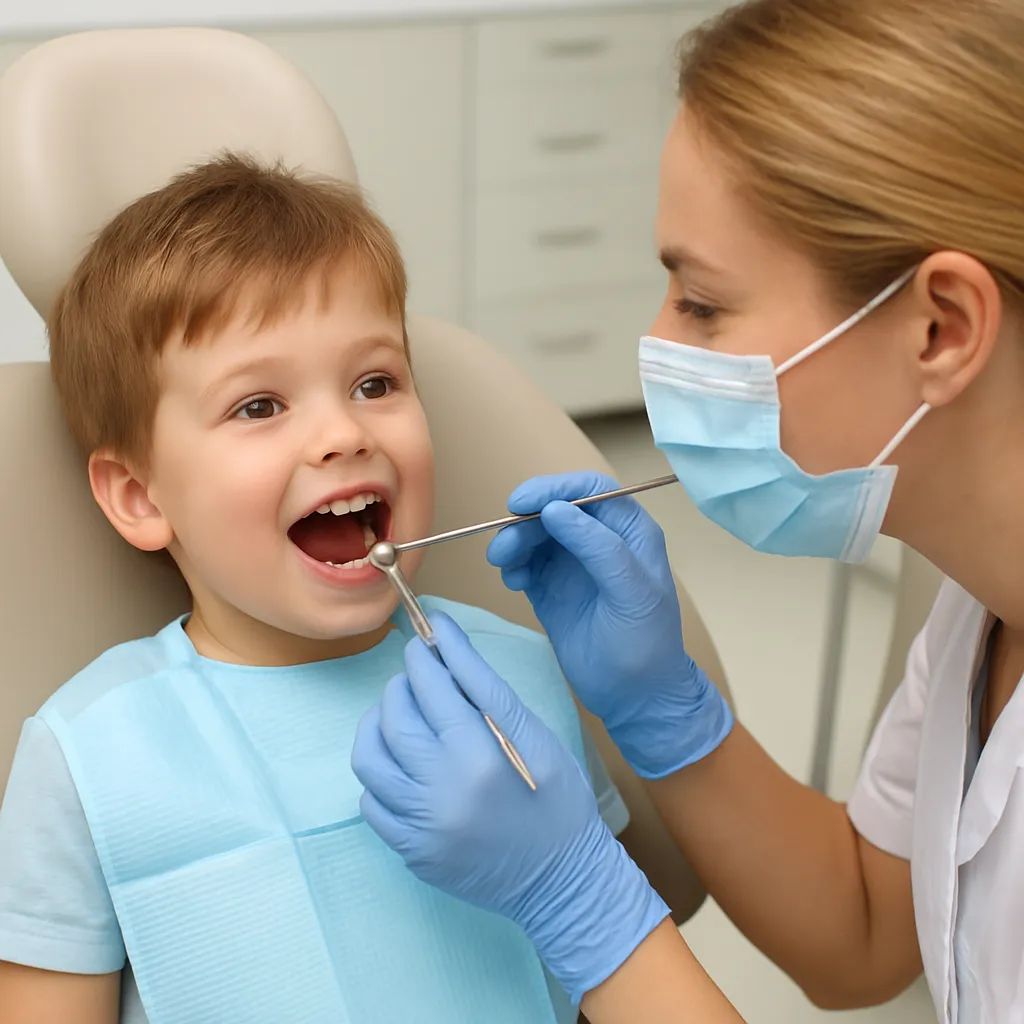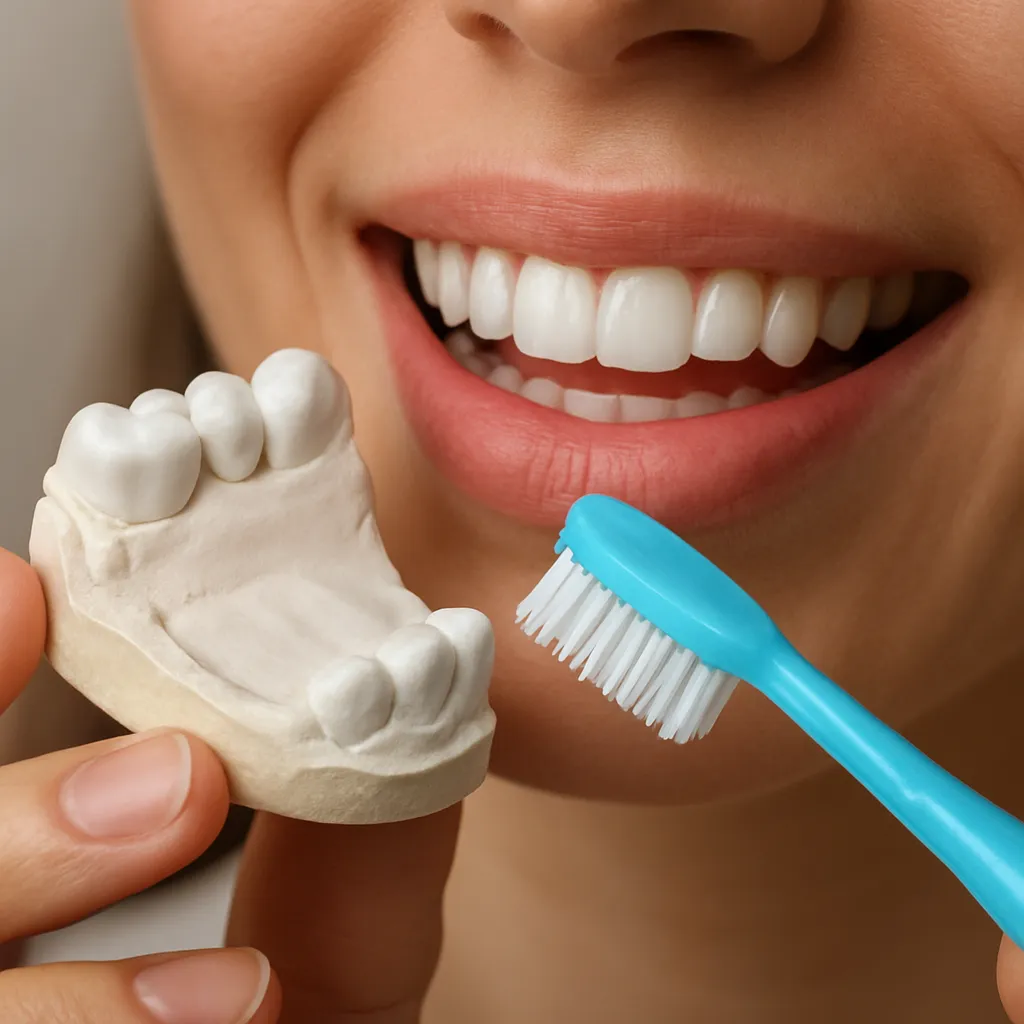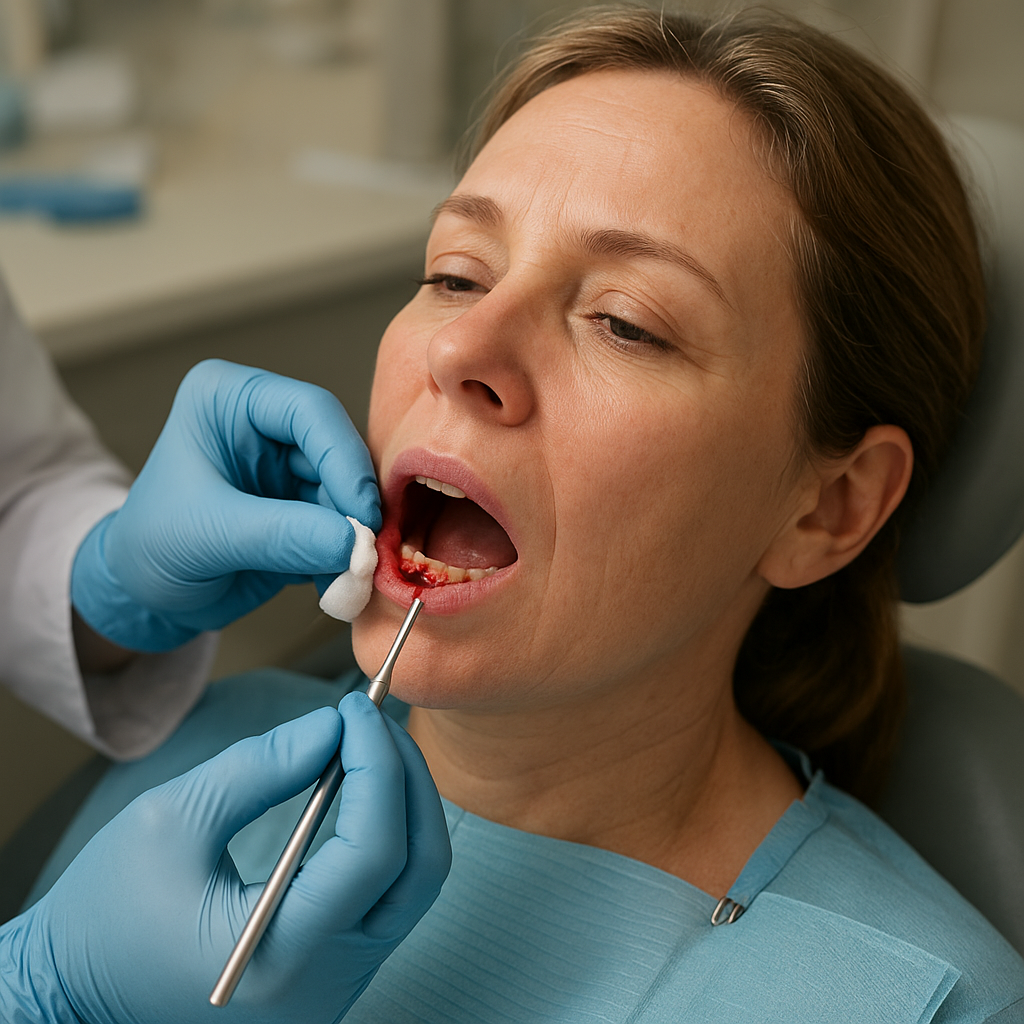
Dental surgery can transform smiles and restore oral function, but **effective** recovery hinges on meticulous post-operative routines. Patients often underestimate the impact of proper aftercare, yet it is the cornerstone of preventing **complications** and achieving lasting results. This article dives into critical aspects of post-surgery dental care, offering guidance for both practitioners and patients.
Preoperative Preparation and Patient Education
Although this section precedes actual recovery, thorough preparation sets the stage for smooth healing. Dentists must ensure patients understand every step of the process, from medication schedules to diet restrictions. Clear communication reduces anxiety and heightens **compliance**.
Setting Realistic Expectations
- Pain management: Describe typical discomfort levels and pain relief strategies.
- Swelling and bruising: Explain normal timelines and warning signs of infection.
- Diet modifications: Discuss soft-food days, hydration, and vitamin-rich nutrition.
Customized Care Plans
Each patient’s needs vary based on surgical complexity and medical history. A personalized plan outlines:
- Prescription and over-the-counter medications, including antibiotics if indicated
- Mouth rinse protocols to maintain oral hygiene without disrupting sutures
- Follow-up schedule for monitoring and suture removal
Immediate Post-Surgical Care
The first 72 hours post-surgery are critical. Proper measures during this window can drastically reduce risks of dry socket, excessive bleeding, or wound dehiscence.
Pain and Swelling Control
- Apply cold compresses intermittently for the first 24–48 hours to minimize edema.
- Administer prescribed analgesics on schedule; avoid skipping doses to maintain **comfort**.
- Encourage patients to keep the head elevated, even when resting.
Oral Hygiene Adjustments
A delicate balance between cleanliness and protection of the surgical site is essential. Standard brushing techniques may be too aggressive.
- Recommend gentle rinsing with saline or chlorhexidine after 24 hours.
- Advise soft-bristled toothbrushes and minimal mechanical pressure near the incision.
- Warn against smoking, which impairs blood flow and delays healing.
Dietary Recommendations
Nutrition fuels tissue repair. Focus on:
- Protein-rich foods such as yogurt, scrambled eggs, and smoothies fortified with **nutrients**.
- Avoid hot, spicy, or hard textures that can disturb the wound.
- Maintain adequate fluid intake to prevent dehydration and support saliva flow.
Long-Term Maintenance and Monitoring
After the acute phase, patients transition to standard oral hygiene but must remain vigilant. Regular check-ups allow the dentist to assess bone integration (in implant cases) and detect subtle issues.
Follow-Up Visits
- First postoperative exam within 7 to 10 days to evaluate soft tissue healing and remove any non-resorbable stitches.
- Subsequent appointments every 4–6 weeks, depending on surgical complexity.
- Radiographic imaging as needed to confirm bone **integration** and rule out pathology.
Home Care Reinforcement
Patients often revert to old habits once immediate pain subsides. Continuous education helps cement healthy routines:
- Brushing twice daily with fluoride toothpaste.
- Interdental cleaning to eliminate hidden debris.
- Periodic use of therapeutic mouthrinses to control bacterial load.
Role of the Dental Team and Technological Advances
An integrated approach leverages expertise and cutting-edge tools to optimize outcomes. Collaboration among specialists ensures comprehensive care.
Multidisciplinary Collaboration
- Oral surgeons, periodontists, and restorative dentists coordinate on implant cases to align surgical and prosthetic phases.
- Dental hygienists reinforce post-op instructions and monitor tissue health during maintenance visits.
- Dietitians or nutritionists can advise on diets that accelerate tissue regeneration and reduce inflammation.
Innovations Enhancing Recovery
Emerging technologies can revolutionize post-surgery protocols:
- Platelet-rich fibrin (PRF) applications to promote faster soft tissue repair.
- 3D-printed surgical guides to ensure precise implant placement and minimize trauma.
- Digital monitoring tools, such as mobile apps, to track pain levels, medication adherence, and symptom reporting in real time.
Patient Feedback and Quality Improvement
Gathering data on patient experiences fosters continuous enhancement of aftercare protocols. Surveys focusing on pain control, satisfaction, and ease of following instructions inform future strategies.
Key Takeaways for Optimal Outcomes
Post-surgery dental care is not a mere extension of surgery; it is an integral component of the treatment continuum. Prioritizing clear communication, rigorous hygiene, and timely follow-up contributes to reduced complications and enhanced patient **satisfaction**. By combining personalized plans with the latest **technologies**, dental professionals can deliver excellence from pre-op to full recovery.