The role of a dental hygienist is integral to the success of any dental practice, blending technical skill with patient interaction to maintain and improve oral health. This professional works alongside dentists to deliver comprehensive care, emphasizing preventive strategies and patient empowerment through education. By focusing on both clinical procedures and behavioral guidance, a dental hygienist becomes a vital advocate for lifelong healthy smiles.
Educational Foundations for Dental Hygienists
Becoming a dental hygienist requires rigorous training that combines theoretical knowledge and hands-on practice. Coursework typically covers anatomy, physiology, pharmacology, and radiography. Accredited programs award either an associate’s or bachelor’s degree, depending on the institution and state requirements. Throughout training, students learn to assess a patient’s dental and medical history, develop care plans, and master infection control protocols.
Clinical rotations allow aspiring hygienists to refine their skills under supervision. They practice using specialized equipment such as ultrasonic scalers, air polishers, and digital radiography machines. Additionally, they gain experience in performing routine cleanings, applying fluoride varnish, and taking impressions for diagnostic models. This combination of classroom instruction and real-world application ensures that new professionals are well-prepared to join dental teams.
Core Clinical Responsibilities
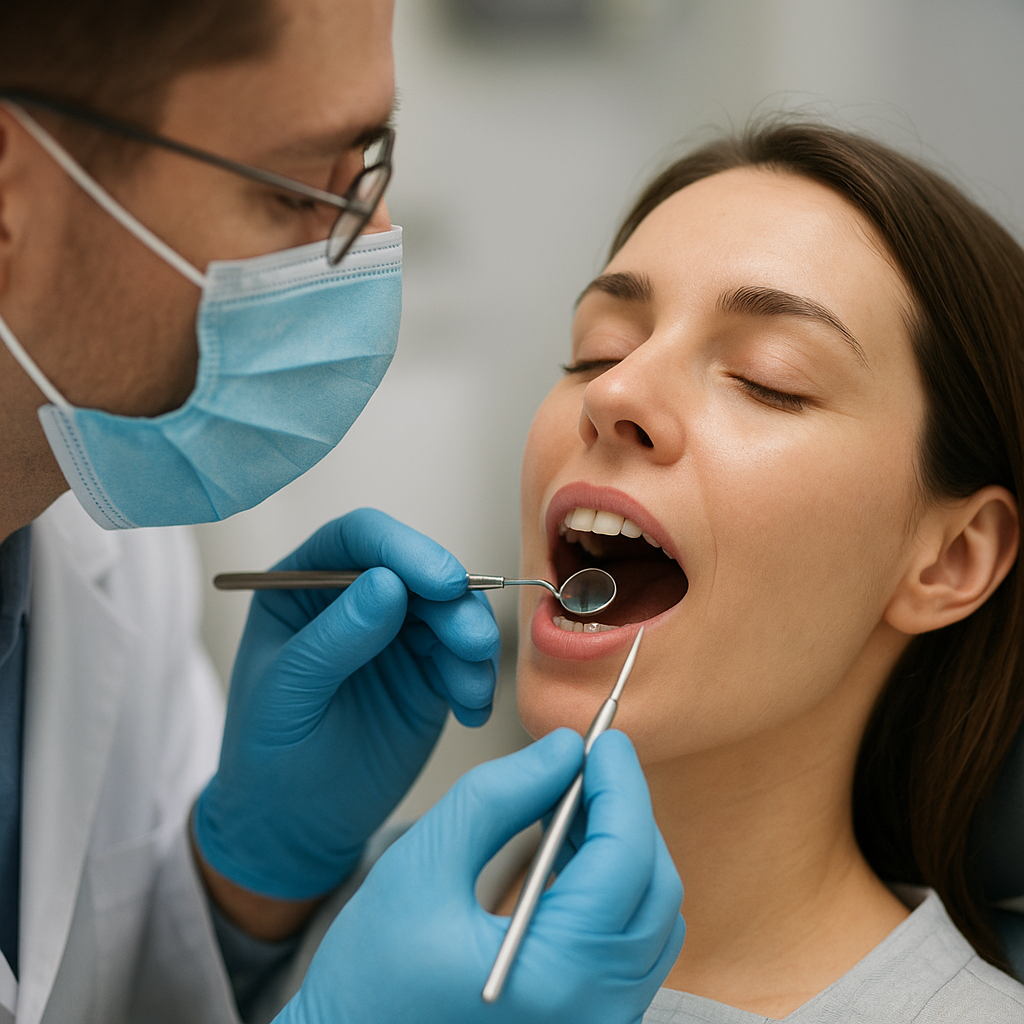
At the heart of a hygienist’s daily duties lies the mission of disease prevention. By removing deposits of plaque and tartar, they reduce the risk of periodontal disease, cavities, and other complications. Standard procedures include:
- Patient screening and risk assessment
- Professional cleanings (prophylaxis)
- Scaling and root planing for more advanced infections
- Fluoride applications and sealant placement
- Radiographic imaging and interpretation
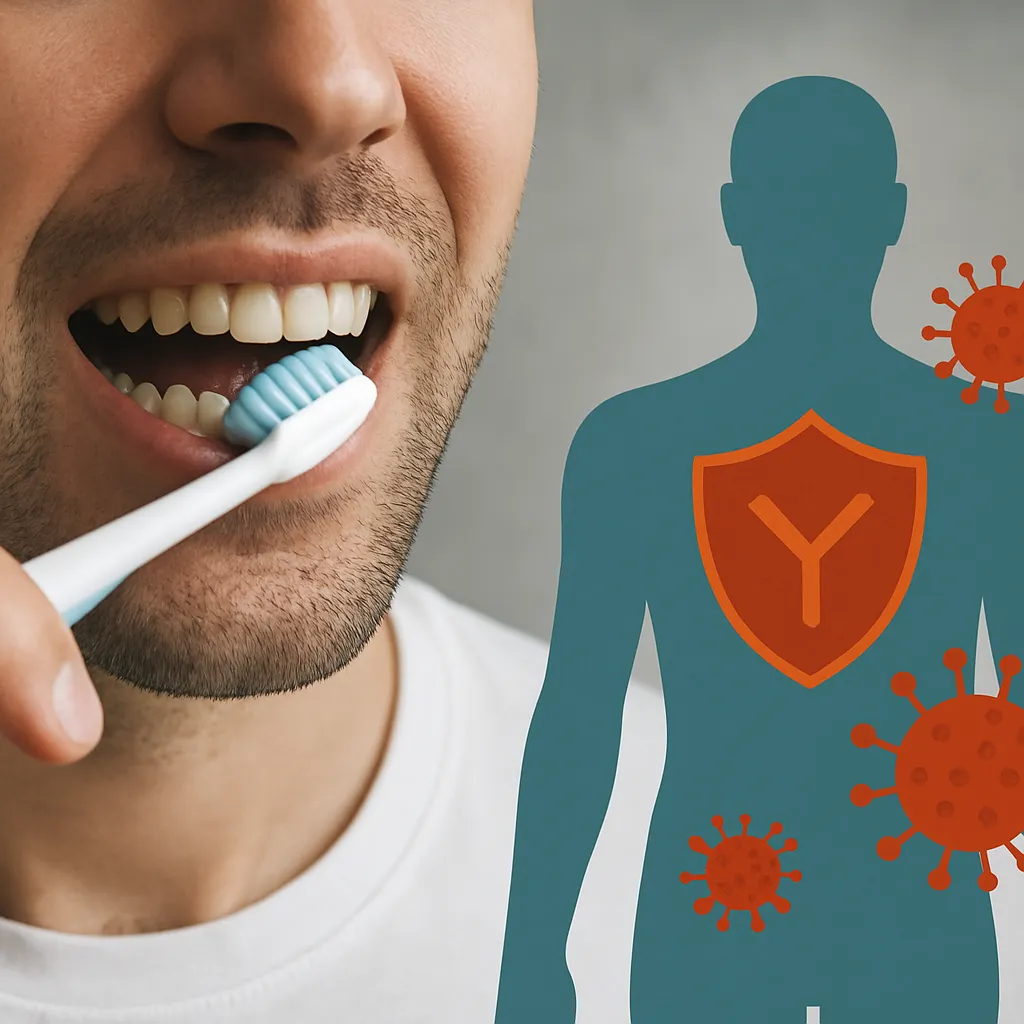
Beyond mechanical cleaning, hygienists provide tailored advice on brushing techniques, flossing methods, and the role of diet in sustaining oral health. They emphasize the importance of balanced nutrition and guide patients toward low-sugar, high-fiber foods that support enamel strength and gum resilience.
Patient Education and Preventive Counseling
Effective communication skills distinguish exceptional hygienists. They tailor instructions to suit individual learning styles and cultural backgrounds, ensuring every patient understands the steps necessary to maintain home care routines. Topics often covered include:
- Proper brushing and interdental cleaning methods
- Risks associated with tobacco, alcohol, and certain medications
- Benefits of regular dental visits and recall intervals
- Strategies for managing sensitivity and gum inflammation
- Recommendations for oral hygiene tools and products
By fostering a supportive environment, hygienists encourage patients to take an active role in their own care. This collaborative approach enhances compliance and reduces the incidence of preventable conditions.
Collaboration within the Dental Team
Dental hygienists function as vital members of multidisciplinary teams. They communicate findings directly to dentists, allowing for timely diagnosis and intervention. In many practices, the hygienist’s chart notes become the foundation for treatment planning, ensuring a seamless flow of information.
In specialty settings such as periodontics or pediatric dentistry, hygienists may work under modified protocols. They assist with advanced procedures including:
- Periodontal maintenance and laser therapy
- Oral surgery support
- Orthodontic appliance care and patient monitoring
- Management of medically complex patients
This teamwork maximizes efficiency, enabling dentists to focus on surgical and restorative tasks while hygienists dedicate attention to preventive care and patient comfort.
Advancements and Future Directions
Technological innovations continue to transform the field of dental hygiene. From CAD/CAM imaging to intraoral cameras, these tools enhance diagnostic accuracy and patient engagement. Emerging research on the oral-systemic link underscores the hygienist’s role in screening for systemic conditions such as diabetes and cardiovascular disease.
Continuing education is essential for professionals to stay current with evolving best practices. Many states mandate annual or biennial credits in topics like infection control, local anesthesia, and sedation techniques. Online platforms and professional associations offer webinars, workshops, and certification courses, fostering lifelong learning.
As the population ages, the demand for preventive and maintenance services will rise. Dental hygienists are poised to meet this challenge by expanding their scope of practice in some regions to include direct patient access and community outreach programs. This evolution highlights their critical contribution to public health and underscores the enduring value of the dental hygiene profession.