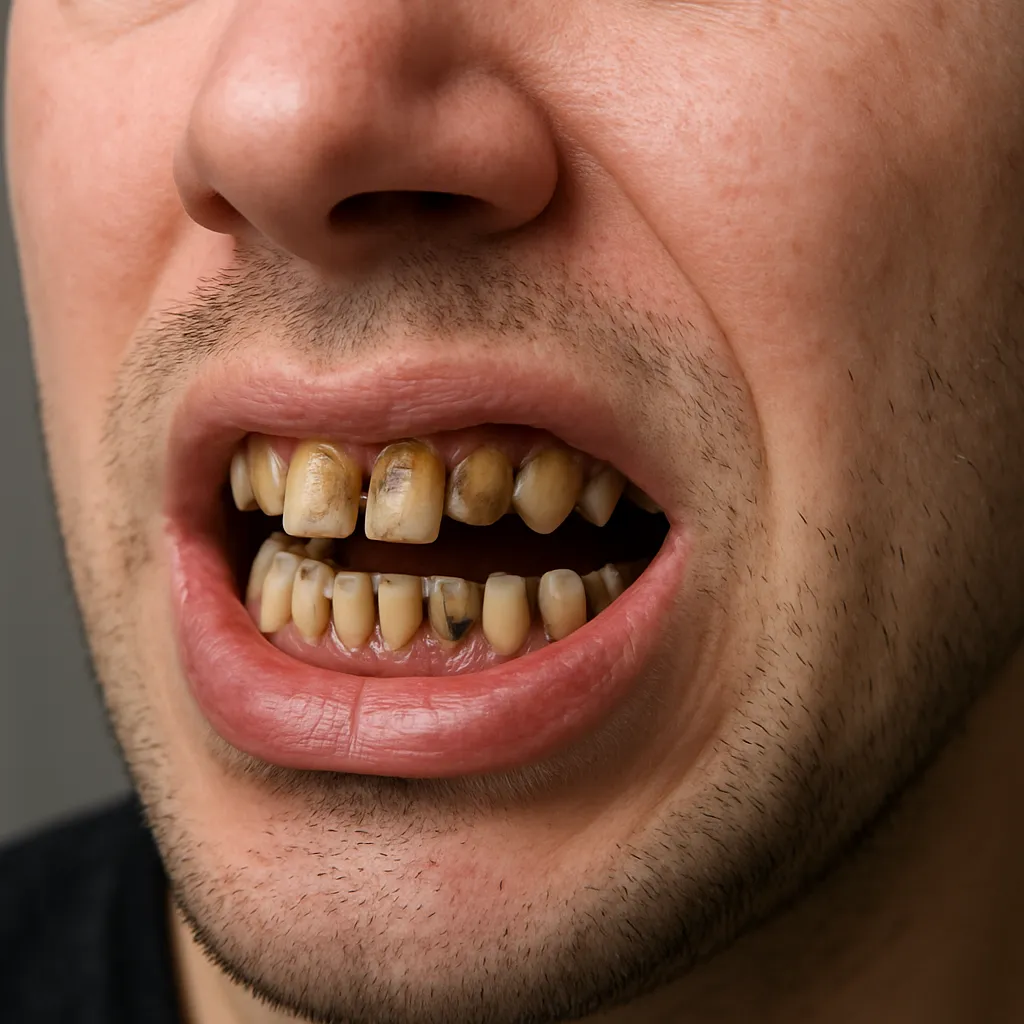
Gum recession is a common yet often overlooked dental issue that can lead to serious oral health problems if left untreated. This condition occurs when the tissue surrounding the teeth pulls back or wears away, exposing more of the tooth or its root. While many patients may dismiss it as a cosmetic concern, receding gums can result in increased sensitivity, higher risk of cavities below the gum line, and even tooth loss. Understanding the underlying causes, recognizing early warning signs, and exploring effective treatments are essential steps toward preserving a healthy, confident smile.
Understanding the Causes of Gum Recession
Identifying why the gum line moves away from its normal position is the first step in preventing further damage. Several factors contribute to this process, ranging from oral hygiene habits to systemic health conditions.
Periodontal Disease and Bacteria
Periodontal disease—commonly known as gum disease—is the primary culprit behind most cases of gum recession. When plaque accumulates at and below the gum line, harmful bacteria trigger inflammation and infection. Over time, this chronic inflammation weakens the supporting structures of the teeth, including the gum tissue and underlying bone, causing the gums to recede.
Mechanical Forces and Brushing Technique
Aggressive or improper brushing habits can lead to mechanical abrasion of the gum margin. Using a hard-bristled toothbrush or applying excessive force when cleaning teeth can wear away soft tissues, leading to recession. Adopting a gentle, circular brushing motion and selecting a soft-bristled brush are vital to protect delicate gum tissues.
Genetics and Other Risk Factors
Some individuals are genetically predisposed to thinner, more fragile gum tissues, making them more susceptible to recession. Additional risk factors include:
- Genetics: Family history of gum recession or periodontal disease.
- Hormonal changes: Fluctuations during pregnancy or menopause can increase gum vulnerability.
- Smoking: Tobacco use impairs blood flow and slows healing in gum tissues.
- Teeth misalignment: Irregular bite forces can place undue stress on certain areas of the gums.
- Grinding or clenching: Excessive force on teeth contributes to recession over time.
Recognizing the Signs and Diagnosis
Early detection of gum recession can prevent progression and reduce the need for invasive treatments. Patients and dental professionals should look for the following indicators:
- Visible lengthening of the teeth: As gums recede, teeth appear longer than normal.
- Root exposure: Exposed roots can feel rough and yellowish compared to the enamel.
- Sensitivity to hot, cold, or sweet stimuli due to exposed dentin.
- Notches or grooves near the gum line, often called abrasion lesions.
- Red, swollen, or bleeding gums indicating inflammation.
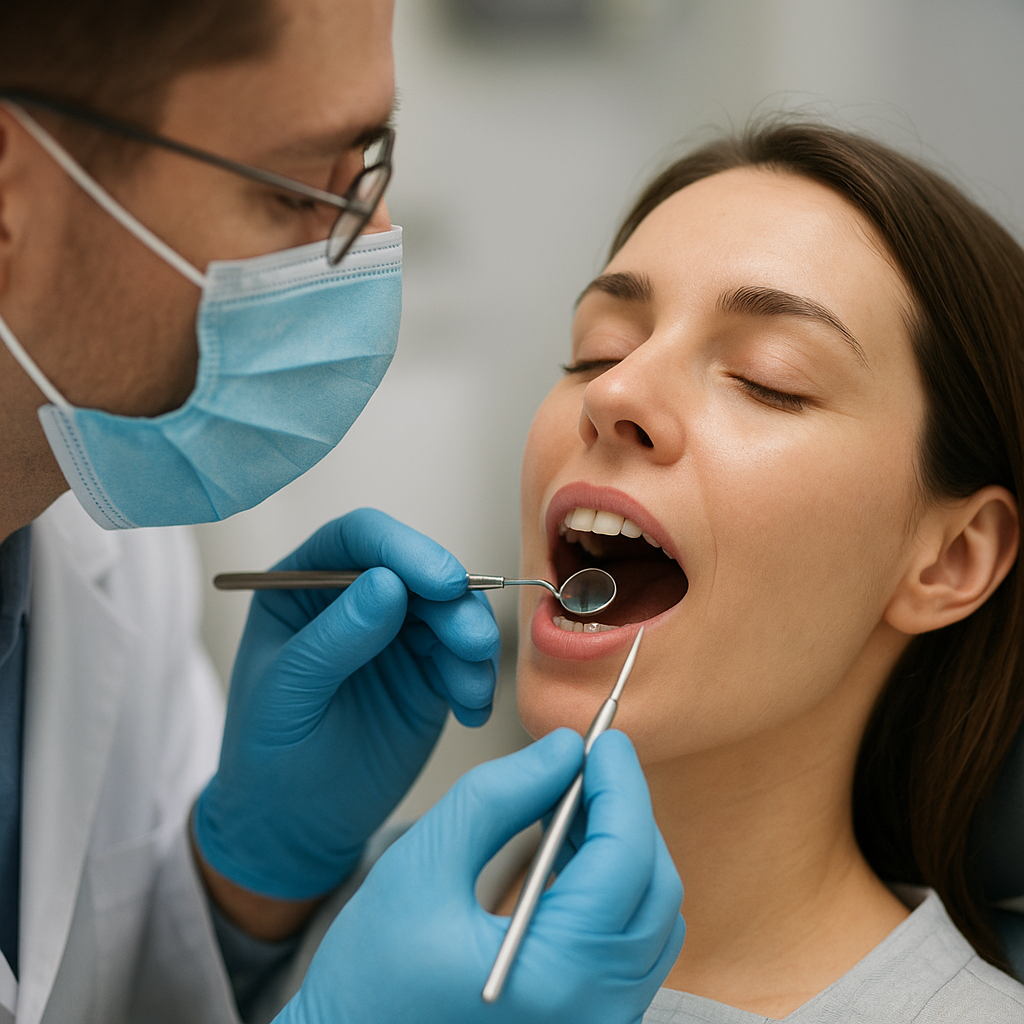
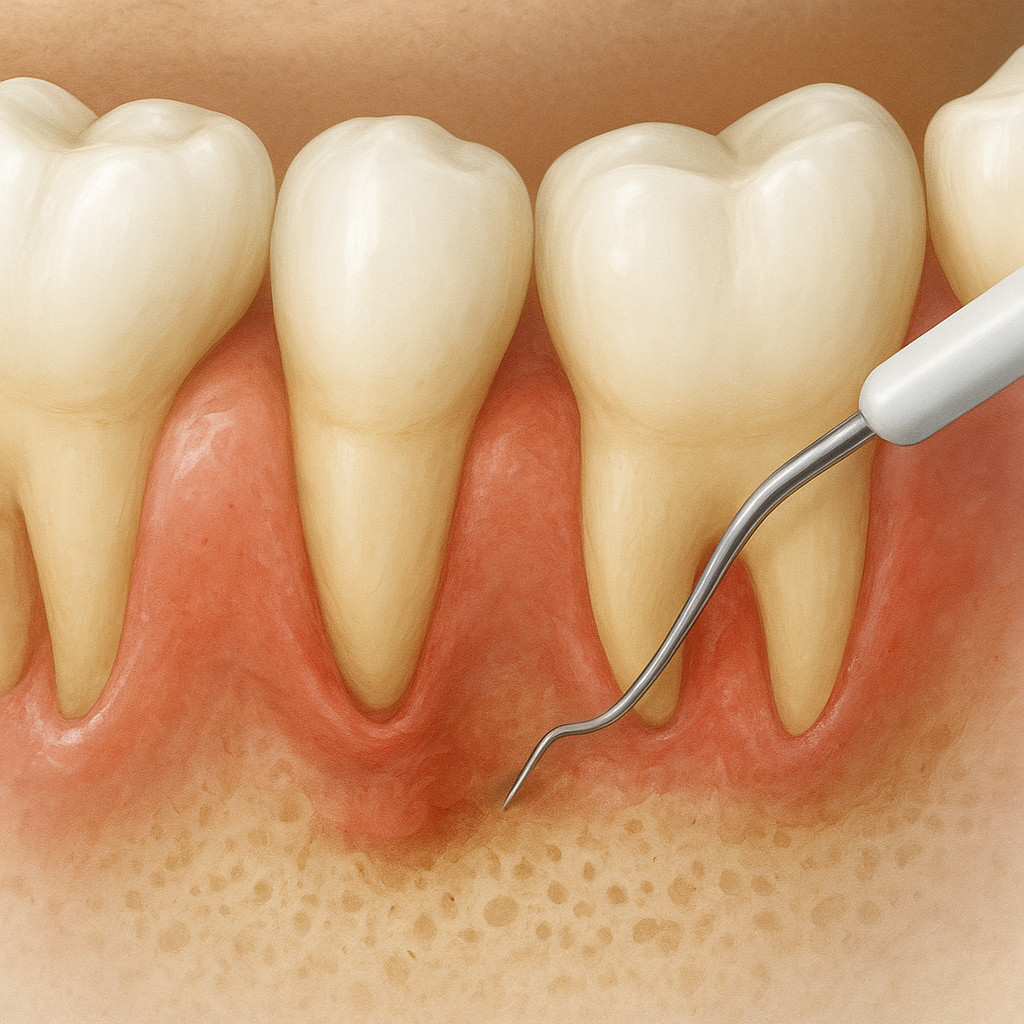
During a dental exam, practitioners measure pocket depths around each tooth with a periodontal probe. Healthy pockets are typically 1–3 millimeters deep. Pockets deeper than 4 millimeters suggest gum detachment and possible bone loss. Digital imaging and radiographs help assess the extent of supporting bone deterioration.
Treatment Options for Receding Gums
The appropriate intervention depends on the severity of recession and the patient’s overall oral health. Treatment plans may combine non-surgical and surgical approaches to restore gum integrity and prevent further loss.
Non-Surgical Therapies
- Professional Cleaning: A thorough scaling and scaling and root planing removes plaque and calculus from tooth roots, reducing bacterial load and inflammation.
- Improved Oral Hygiene: Instruction on proper brushing technique and flossing to avoid further trauma and keep bacterial levels low.
- Desensitizing Agents: Special toothpastes or varnishes that block tubules in the dentin to relieve sensitivity.
- Antimicrobial Rinses: Prescription mouthwashes help control bacterial growth in the periodontal pockets.
Surgical Interventions
When recession is advanced or non-responsive to conservative care, surgical procedures may be necessary to rebuild the gum line and protect exposed roots.
- Gum Grafting: Tissue—often taken from the palate or sourced from donor material—is transplanted to cover the exposed root surface. This grafting strengthens the gum tissue and improves aesthetics.
- Regenerative Procedures: Guided tissue regeneration uses barrier membranes to stimulate the growth of bone and gum tissue in areas of loss.
- Pocket Depth Reduction: Flap surgery allows the dentist to clean deep pockets and reposition the gum tissue for a tighter fit around the tooth.
- Tissue-Stimulating Proteins: Application of enamel matrix derivatives encourages the regeneration of lost periodontal structures.
Prevention and Maintenance Strategies
Long-term success in managing gum recession relies on diligent care and regular dental visits. Preventive strategies focus on minimizing risk factors and maintaining a stable oral environment.
- Adopt Proper Brushing Technique: Use a soft-bristled brush and gentle strokes to clean all surfaces without harming the Gingival Margin.
- Incorporate Flossing and Interdental Brushes: These tools remove plaque between teeth where a toothbrush cannot reach.
- Attend Regular Professional Cleanings: Routine visits every 3–6 months help detect early signs of recession and maintain healthy gum tissues.
- Wear a Night Guard if Grinding: Protects teeth and gums from excessive forces during sleep.
- Quit Smoking and Manage Risk Factors: Eliminating tobacco use and controlling conditions like diabetes support better healing.
- Stay Hydrated and Consume a Balanced Diet: Nutrients like vitamin C and calcium strengthen gum health and resistance to infection.