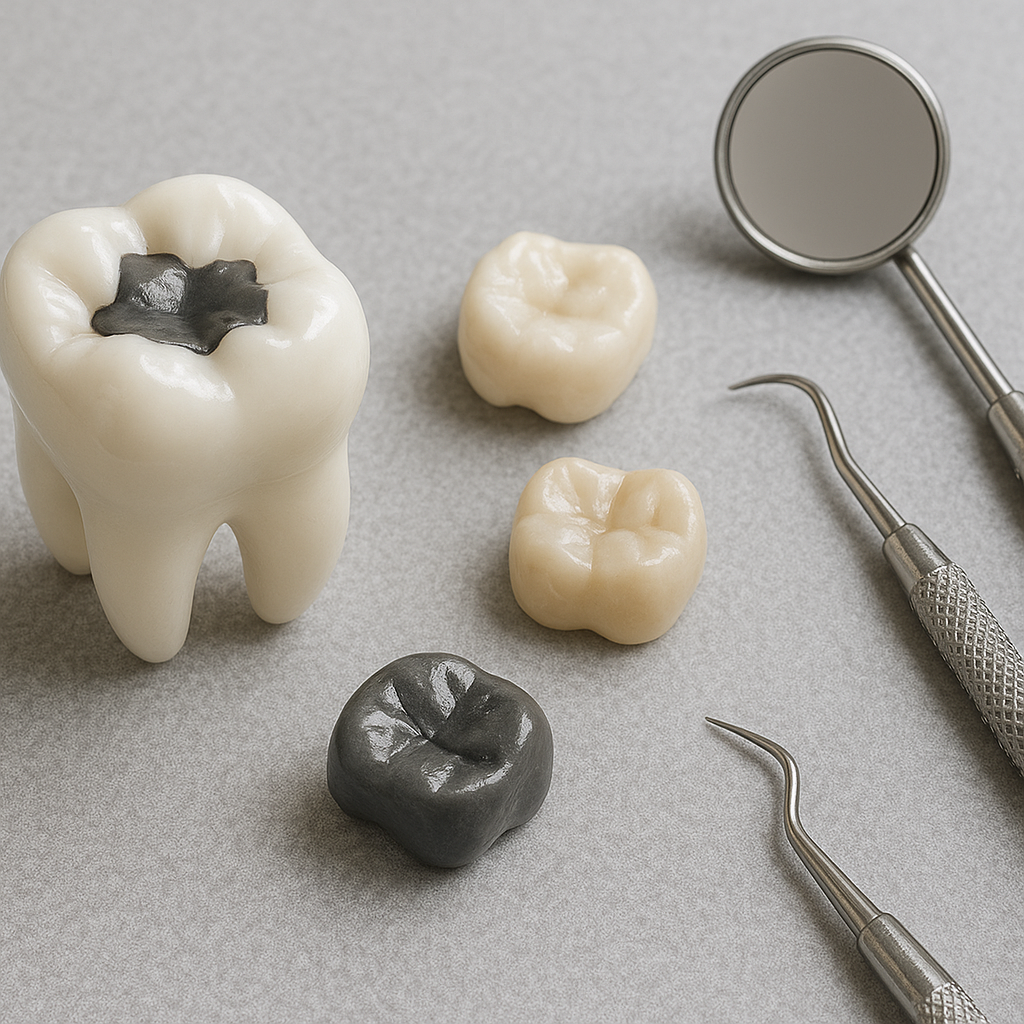
Dental fillings play a crucial role in restoring tooth structure and preventing further damage caused by cavities or fractures. Understanding the various aspects of fillings can help patients make informed choices and feel more comfortable during dental visits. This article explores the essentials of dental fillings, from selecting the right material to proper aftercare practices.
Overview of Dental Fillings
What Are Dental Fillings?
Dental fillings are synthetic materials used by dentists to repair teeth affected by decay or trauma. When a cavity forms, the decayed portion of the tooth is removed, and the resulting space is filled with a material that restores functionality and appearance. Modern filling materials not only strengthen the tooth but can also blend seamlessly with natural enamel.
The Purpose and Benefits
The primary objectives of fillings include:
- Stopping the progression of decay
- Preventing bacterial infiltration
- Restoring chewing functionality
- Reinforcing the tooth’s structural integrity
- Enhancing smile esthetic appearance
Properly placed fillings can last for many years, offering both durability and comfort when you chew or speak.
Types of Filling Materials
Amalgam Fillings
Amalgam fillings have been used for over a century. Composed of a mixture of metals—primarily silver, tin, copper, and mercury—they are known for exceptional strength and longevity. While not tooth-colored, they remain a cost-effective option for back teeth where chewing forces are greatest.
Composite Resin Fillings
Composite resin fillings are made of a blend of plastic and glass particles. These fillings offer a biocompatible, tooth-colored solution that bonds directly to enamel. Composite resins require less removal of healthy tooth structure and are highly esthetic, making them popular for front and visible teeth.
Ceramic and Porcelain Fillings
Ceramic fillings, often crafted in a dental laboratory, deliver superior aesthetics and resistance to staining. Though more expensive, they mimic natural enamel’s translucency, making them ideal for patients seeking a seamless smile.
Glass Ionomer Fillings
Glass ionomer cements release fluoride over time, offering a preventive edge against new decay. These fillings are less durable than composites or amalgams, so they’re typically used for small cavities or on primary (baby) teeth.
Procedure and Patient Experience
Initial Assessment and Imaging
During the first visit, a dentist conducts a thorough examination using visual inspection and radiographs (X-rays) to detect the extent of decay. Advanced tools such as intraoral cameras can also help pinpoint areas of concern.
Numbing and Comfort Measures
Before beginning the filling process, local anesthesia is administered to ensure a pain-free experience. Some practices offer additional comfort options, like nitrous oxide sedation or warm blankets, for patients with dental anxiety.
Decay Removal and Tooth Preparation
The dentist uses a high-speed drill or laser to eliminate decayed tissue. Once clean, the cavity is shaped to accept the chosen filling material. Ensuring precise margins prevents bacteria from re-entering and optimizes the filling’s strength.
Filling Placement Techniques
- For amalgam: The material is packed into the cavity and carved to match the tooth’s contours.
- For composite resin: A bonding agent is applied, followed by layer-by-layer placement of the resin, each cured with a special light.
- For ceramic inlays/onlays: An impression is taken, and a custom restoration is fabricated in a lab before being bonded to the tooth in a subsequent visit.
Post-Operative Care and Maintenance
Managing Sensitivity and Discomfort
Mild sensitivity to hot and cold is common after fillings, especially composites. Over-the-counter pain relievers and desensitizing toothpaste can help. Sensitivity typically subsides within a few weeks.
Oral Hygiene Best Practices
- Brush twice daily with fluoride toothpaste.
- Floss daily to remove plaque between teeth and around fillings.
- Use an antimicrobial mouthwash to reduce bacterial load.
- Attend routine dental check-ups every six months for professional cleaning and examination.
Dietary Recommendations
Avoid extremely hard or sticky foods that can place undue stress on new fillings. Opt for a balanced diet rich in calcium and vitamins to support overall oral health.
Longevity and Potential Complications
Expected Lifespan of Fillings
On average:
- Amalgam fillings last about 10–15 years.
- Composite resins last around 5–10 years.
- Ceramic restorations can last 10–20 years with proper care.
Signs You May Need a Replacement
Monitor your fillings for:
- Visible cracks or chips
- Persistent sensitivity or pain
- Rough edges or worn surfaces
- Dark lines around the filling margins
Avoiding Future Decay
Regular dental visits, combined with effective home care and fluoride treatments, can prolong the life of fillings and lower the risk of new cavities. Dental sealants may be recommended for additional protection on chewing surfaces.
Advanced Innovations in Dental Fillings
Bioactive Materials
Emerging bioactive filling materials can release ions that help remineralize surrounding enamel and dentin. These substances aim to not only fill cavities but also promote natural tooth healing.
Digital Dentistry and CAD/CAM
Computer-aided design (CAD) and manufacturing (CAM) systems enable dentists to design and mill ceramic restorations chairside, reducing turnaround times and improving the precision of inlays, onlays, and crowns.
Laser Fillings
Laser technology allows for minimally invasive decay removal, often reducing the need for anesthesia and preserving more healthy tooth structure. Laser-prepared surfaces may also enhance the bonding of composite resins.