Laser dentistry represents a groundbreaking approach in the world of oral health, offering patients a blend of advanced technology and patient-centered care. By utilizing focused light energy, practitioners can perform a range of dental procedures with heightened precision and minimal tissue damage. This method has gained traction as it reduces pain, shortens healing time, and limits the need for traditional drills or scalpels. The following sections explore the fundamentals, applications, safety measures, and future prospects of this transformative dental solution.
Understanding Laser Dentistry Technology
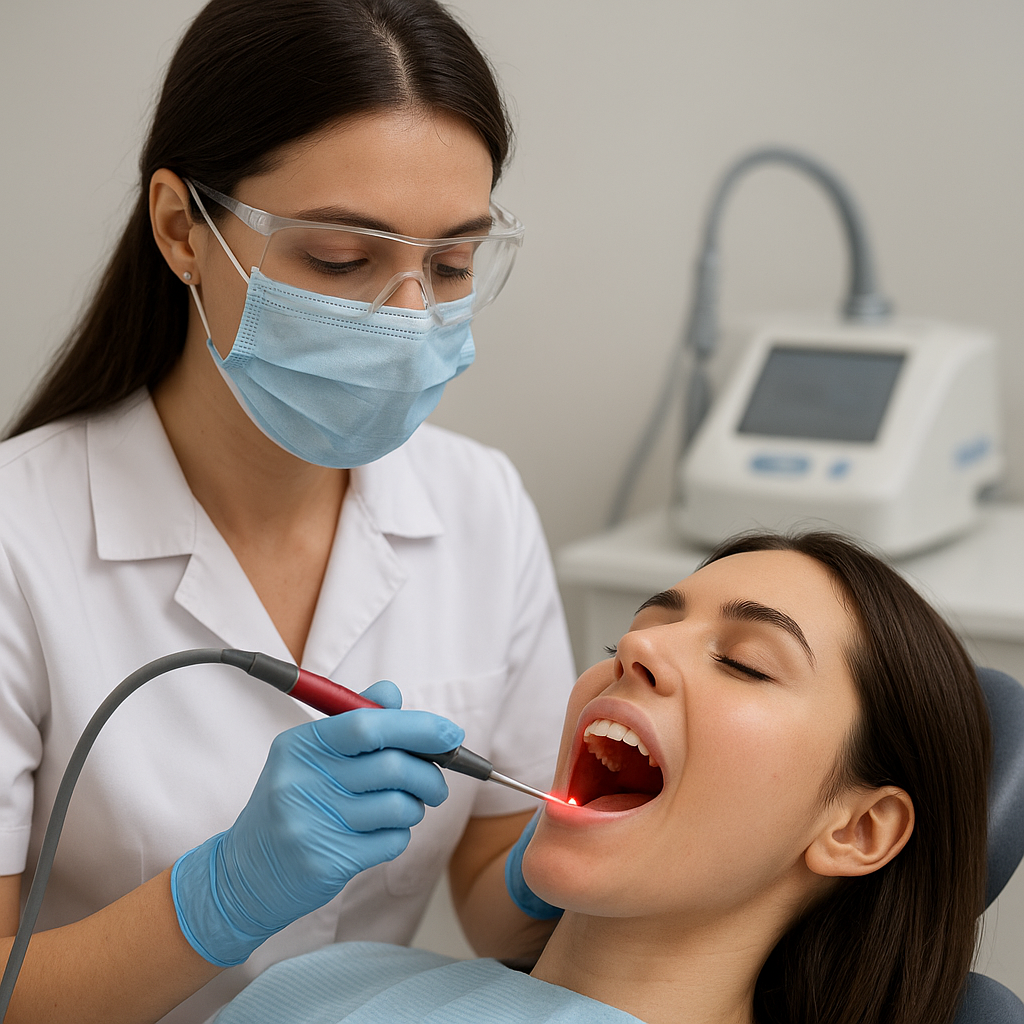
At its core, laser dentistry employs concentrated beams of light that interact with tissue at the cellular level. Each laser system operates at a specific wavelength, determining how effectively it targets water, hemoglobin, or melanin. Dental professionals select a laser based on the unique requirements of the procedure—whether it involves hard tissues like enamel and dentin or soft tissues such as gums and mucosal membranes.
Key components of a laser system include:
- Laser handpiece: Delivers the laser beam through optical fibers or specialized mirror systems.
- Wavelength selector: Ensures the beam matches the tissue’s absorption characteristics.
- Cooling system: Prevents thermal damage by dissipating excess heat during activation.
- Control panel: Allows the dentist to adjust power settings, pulse duration, and repetition rate.
By controlling these parameters, clinicians can achieve minimal discomfort and precise ablation or coagulation. Unlike conventional drills that rely on mechanical friction, lasers vaporize targeted cells, reducing microfractures that can compromise tooth structure. Furthermore, laser energy can seal blood vessels and nerve endings instantly, leading to superior hemostasis and patient comfort.
Applications and Benefits in Modern Dentistry
Lasers have revolutionized a wide spectrum of dental treatments, offering advantages in both hard and soft tissue procedures:
1. Soft Tissue Management
- Gum contouring and reshaping: Laser beams remove excess tissue to improve gum-line aesthetics, leaving smooth edges without sutures.
- Periodontal therapy: Laser-assisted scaling and root planing help eliminate bacteria deep within periodontal pockets, stimulating healthy tissue regeneration.
- Frenectomy: Corrects tethered oral tissues like tongue-ties quickly and with reduced postoperative pain.
2. Hard Tissue Procedures
- Cavity preparation: Lasers meticulously remove decayed enamel and dentin, preserving healthy tooth structure.
- Laser-assisted whitening: Activates whitening agents more effectively, resulting in brighter smiles with less sensitivity.
- Root canal disinfection: Eradicates microbial biofilms within root canals, enhancing the success rate of endodontic therapy.
3. Adjunctive Uses
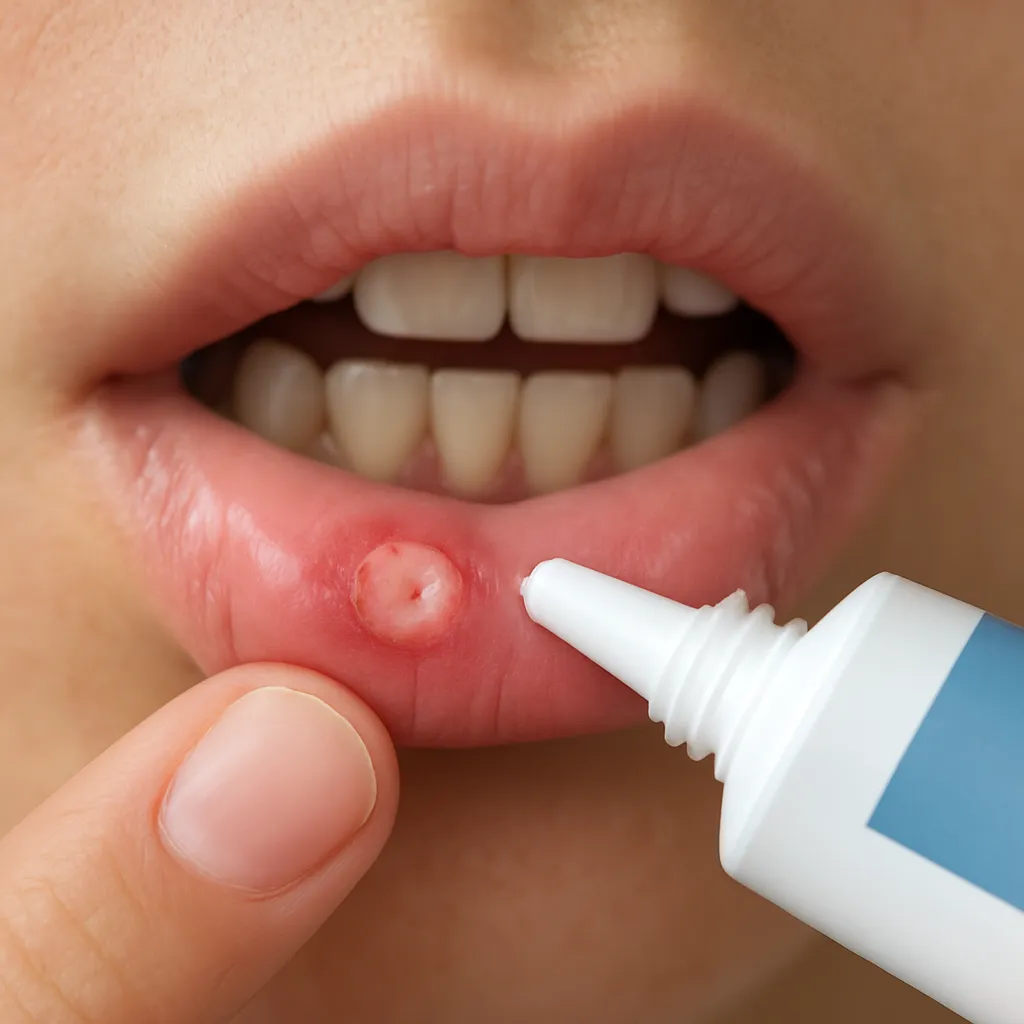
- Biopsies and lesion removal: Enables precise excision of suspicious lesions with minimal bleeding, facilitating rapid diagnosis and healing.
- Desensitizing exposed roots: Seals open dentinal tubules, alleviating sensitivity to hot or cold stimuli.
Across these applications, patients often report lower anxiety due to the absence of the high-pitched noise and vibration associated with traditional drills. The healing process is generally faster, with reduced swelling and risk of infection.
Patient Experience and Safety Considerations
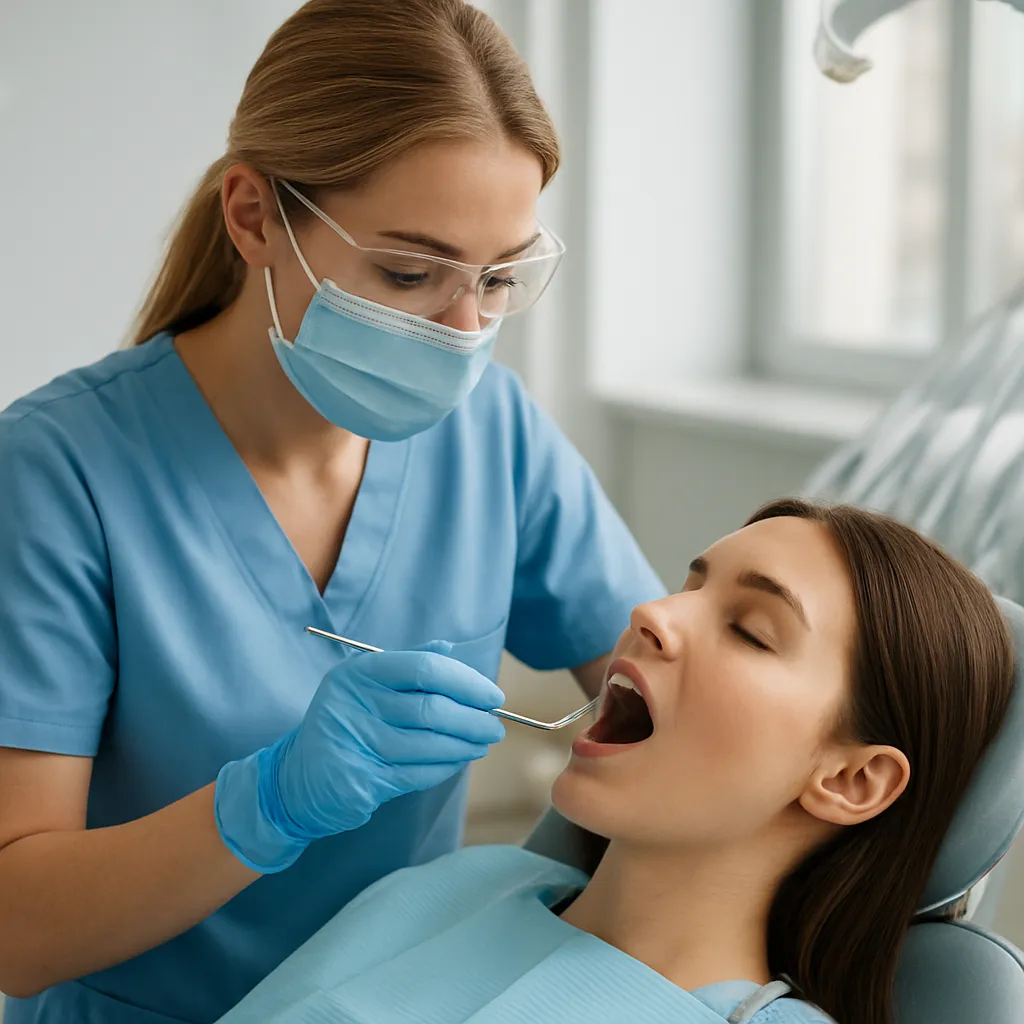
Ensuring a safe and comfortable experience is paramount when integrating laser devices into dental practices. Before treatment, an in-depth consultation identifies patient-specific factors such as medical history, medication use, and oral health status. This allows dentists to tailor laser settings and anticipate potential complications.
Key safety protocols include:
- Protective eyewear: Both patient and clinician wear wavelength-specific glasses to block stray laser beams.
- Calibration checks: Laser units undergo routine performance tests to verify output power and beam alignment.
- Smoke evacuation: High-efficiency suction devices remove plumes generated during tissue ablation, minimizing aerosolized particles.
- Training and certification: Dentists complete specialized courses to understand laser-tissue interaction and emergency procedures.
During treatment, the dentist may administer a topical or local anesthesia depending on the procedure’s invasiveness. However, many patients find that lasers reduce the need for deep numbing injections. Postoperative care often involves straightforward instructions: rinsing with saline solutions, applying cold compresses, and maintaining gentle oral hygiene. With fewer sutures and less bleeding, the risk of postoperative complications diminishes considerably.
Most patients experience immediate improvements in comfort and function. For instance, periodontal patients often notice decreased gum sensitivity and less bleeding within days. Minor discomfort can be managed with over-the-counter analgesics, and most can resume normal activities almost immediately.
Comparing Laser Dentistry to Traditional Methods
While lasers boast numerous benefits, they complement rather than wholly replace conventional techniques. Understanding when to deploy laser tools is critical:
- Efficiency: Lasers can speed up certain procedures, but complex restorations may still require conventional drills and dental burs.
- Cost considerations: Advanced laser units represent a significant investment, which may be reflected in treatment fees.
- Learning curve: Mastery of various laser modalities demands ongoing education and practice.
- Limitations: Some lasers cannot cut dense or highly mineralized enamel as effectively as mechanical instruments.
Ultimately, integrating both traditional and laser-driven approaches allows clinicians to tailor care to each patient’s unique needs, balancing speed, cost, and therapeutic outcomes.
Future Trends and Innovations
The field of laser dentistry continues to evolve rapidly. Emerging research focuses on enhancing fiber-optic delivery systems, developing novel wavelengths, and combining lasers with adjunctive therapies:
- Photobiomodulation: Low-level lasers stimulate cellular metabolism, accelerating tissue repair and reducing inflammation.
- Guided implant surgery: Laser-guided imaging systems improve implant placement accuracy and reduce bone trauma.
- Regenerative protocols: Lasers activate growth factors within platelet-rich fibrin, promoting bone and soft tissue reconstruction.
- Tele-dentistry integration: Remote control of laser devices may allow specialists to assist general dentists in real time.
As clinical evidence accumulates, laser-driven strategies will likely become standard in more dental offices worldwide. Ongoing advances in laser design promise to lower costs, shrink device footprints, and offer even greater versatility. Patients can look forward to more comfortable, efficient, and sterilization-optimized practices, while practitioners benefit from improved outcomes and workflow efficiencies.
Key Takeaways for Prospective Patients
- Discuss laser availability and costs with your dentist during consultations.
- Ask about the specific type of laser and its intended applications.
- Inquire about the dentist’s training and experience in laser procedures.
- Review pre- and post-treatment guidelines to ensure optimal recovery.
- Evaluate insurance coverage, as some plans may not fully reimburse laser services.
By staying informed and selecting a qualified provider, patients can harness the full potential of laser dentistry for a healthier, more confident smile.