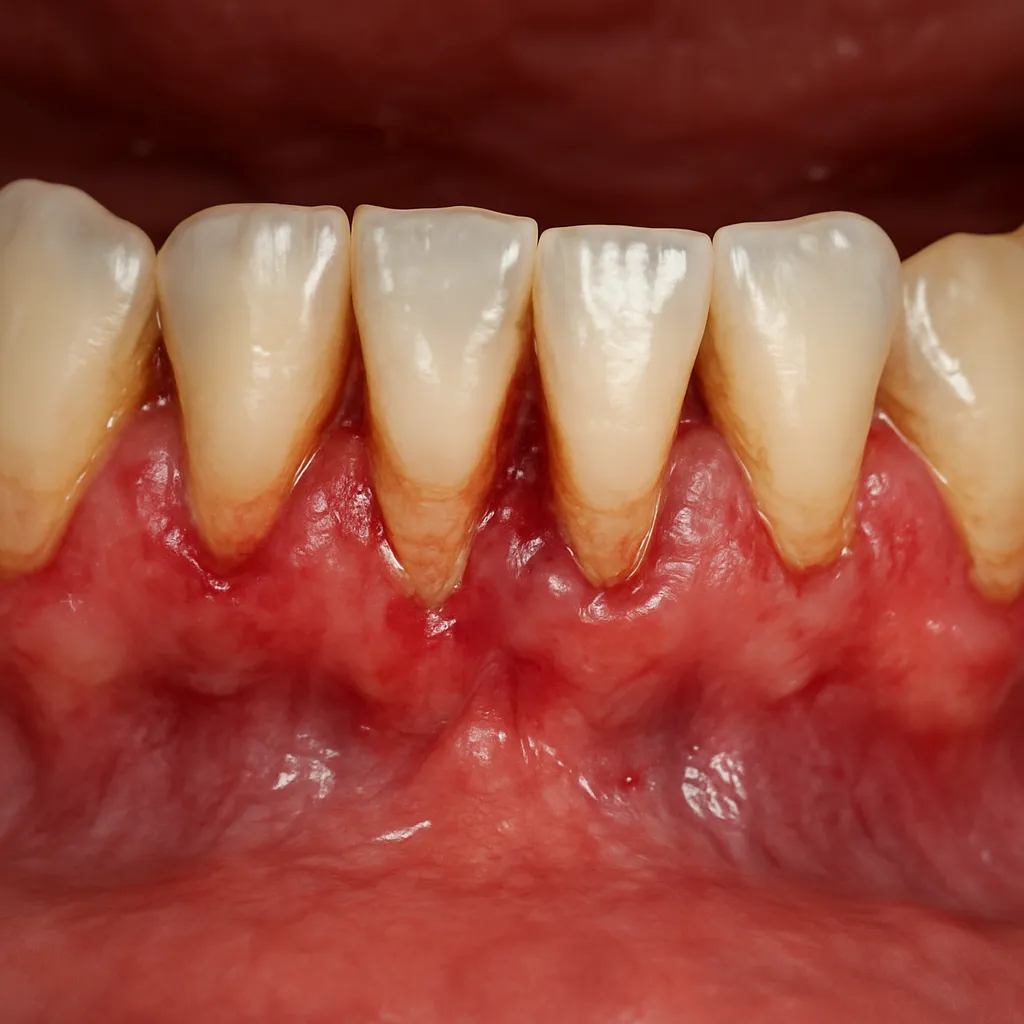
Maintaining optimal oral health extends far beyond achieving a bright smile. Emerging research highlights a profound connection between conditions in the mouth and the health of the heart. This article explores how dental professionals play a pivotal role in preventing cardiovascular complications by addressing key factors that link periodontal wellness to heart disease.
Understanding Oral-Systemic Connections
Role of oral bacteria in systemic inflammation
Complex communities of microbes thrive along the gumline, forming biofilms that can trigger a cascade of immune responses. When a patient develops periodontal disease, the integrity of gum tissue is compromised, allowing pathogens to enter the bloodstream. Once systemic, these bacteria can stimulate chronic inflammation, a recognized contributor to cardiovascular disease.
Mechanisms linking gum disease to the heart
Several biological pathways explain how poor oral health can influence cardiac function:
- Endothelial dysfunction: Bacterial byproducts and inflammatory mediators damage the lining of blood vessels, reducing nitric oxide availability and impairing vasodilation.
- Immune response amplification: Elevated levels of C-reactive protein and other cytokines promote arterial plaque formation.
- Direct invasion: Certain pathogens detected in atherosclerotic plaques mirror those found in infected periodontal pockets, suggesting bacterial translocation.
Key Risk Factors and Clinical Evidence
Periodontal disease as a cardiovascular risk marker
Decades of epidemiological studies indicate that patients with moderate to severe gum inflammation face a 20–30% higher likelihood of experiencing a heart attack or stroke. Factors that exacerbate both conditions include:
- Smoking: Intensifies oxidative stress and impairs both healing and oral immune defenses.
- Poor oral hygiene: Leads to persistent plaque accumulation and progressive tissue destruction.
- Diabetes mellitus: Hyperglycemia impairs neutrophil function, intensifying periodontal breakdown and systemic vascular damage.
Impact on atherosclerosis progression
Research utilizing advanced imaging techniques has linked the severity of periodontal pockets to increased carotid artery thickness. This association demonstrates how chronic infection and systemic inflammation can accelerate atherosclerosis by promoting lipid deposition and fibrous cap instability in arterial walls.
Preventive Strategies and Dental Practice Implications
Implementing robust oral hygiene protocols
Dental practitioners can significantly reduce a patient’s cardiovascular risk by emphasizing comprehensive daily care. Recommended measures include:
- Professional scaling and root planing at regular intervals to remove subgingival biofilm.
- Customized oral hygiene instructions, with emphasis on interdental cleaning tools such as floss or interdental brushes.
- Use of adjunctive antimicrobial rinses to control pathogenic species in high-risk patients.
Collaborative patient care and risk management
Optimal outcomes arise when dentists, cardiologists, and primary care physicians share information and coordinate treatment plans. Key steps include:
- Screening for cardiovascular risk factors during dental visits, such as blood pressure assessment and lifestyle counseling.
- Referring patients with severe periodontal disease to medical colleagues for lipid profile analysis or further cardiovascular evaluation.
- Educating patients about the bidirectional relationship between gum health and heart function, empowering adherence to both dental and medical regimens.
Emerging Therapies and Future Directions
Innovations in periodontal therapy
The dental field is advancing with novel interventions aimed at modulating the host response and restoring tissue integrity. These include:
- Locally delivered antibiotics or antimicrobial peptides to target specific pathogens.
- Host modulation agents, such as sub-antimicrobial dose doxycycline, to reduce matrix metalloproteinase activity.
- Regenerative approaches employing growth factors or barrier membranes to promote bone and soft tissue healing.
Translational research and public health implications
Large-scale longitudinal studies continue to clarify how early periodontal interventions might attenuate cardiovascular events. Public health initiatives that integrate dental screenings into routine medical check-ups could transform preventive care and reduce the global burden of both heart disease and tooth loss.