Taking care of your oral health requires more than brushing and flossing at home. Visiting your dentist every six months is a cornerstone of maintaining a healthy smile. Biannual dental appointments offer a range of benefits that extend far beyond a sparkling appearance. From comprehensive examinations to personalized treatment plans, regular check-ups help you prevent serious complications and protect your long-term well-being.
Benefits of Regular Dental Check-ups
Routine visits to your dental professional are crucial for maintaining overall health. During each appointment, the dentist performs a thorough dental exam that goes well beyond what you can observe in the mirror. These check-ups allow for:
- Early identification of cavities and areas of decay
- Monitoring of existing restorations such as fillings or crowns
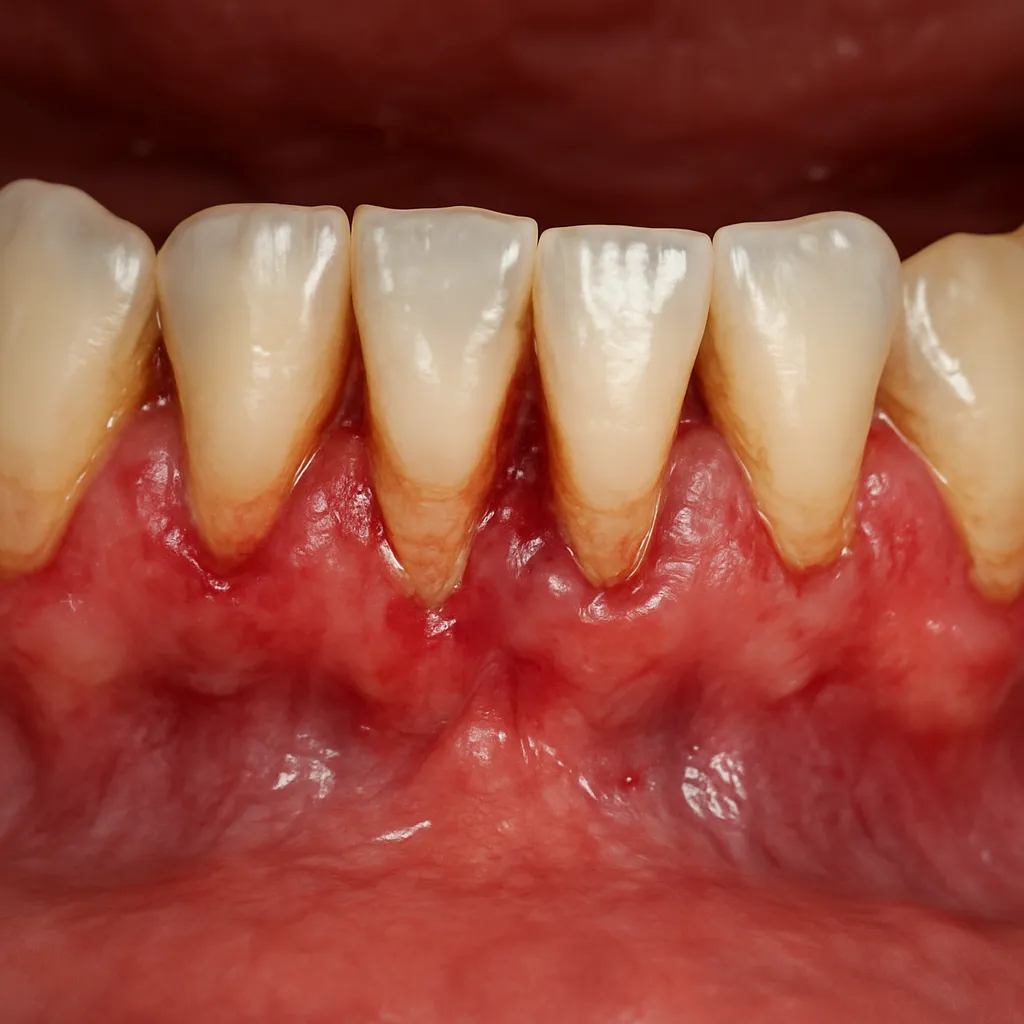
- Assessment of gum tissues to detect signs of inflammation or disease
- Evaluation of bite alignment and jaw joint health
- Professional advice on at-home care and lifestyle habits
By attending every six months, you maximize the dentist’s ability to catch problems at an early stage. This proactive approach can reduce the need for invasive procedures, saving time and money over the course of your life. It also fosters a relationship of trust and communication between you and your dental team, ensuring that any concerns are addressed promptly and effectively.
Preventive Care and Early Detection
Preventing dental issues before they escalate is the primary goal of biannual visits. A combination of professional expertise and advanced diagnostic tools plays a vital role in prevention and early detection. Common preventive measures include:
- Dental X-rays to reveal hidden decay, impacted teeth, or bone loss
- Oral cancer screenings to spot abnormal tissues or lesions
- Sealants and fluoride treatments to strengthen enamel against acid attack
- Assessment of risk factors such as diet, smoking, and family history
The Role of Diagnostic Tools
During your appointment, the dentist utilizes state-of-the-art equipment to ensure a meticulous evaluation. X-rays provide insight into areas not visible to the naked eye, while intraoral cameras give high-resolution images of cracks, fractures, and early lesions. This detailed information lays the groundwork for an individualized treatment plan aimed at arresting disease progression and restoring health.
Early intervention can mean the difference between a minor filling and a root canal or extraction. By relying on advanced diagnostics, your dental team can guide you through the most conservative, cost-effective options, ensuring that you maintain a strong and beautiful smile for years to come.
Professional Cleaning and Oral Hygiene
Even the most diligent home care routines cannot fully eliminate plaque and tartar buildup in hard-to-reach areas. Professional cleaning administered by a dental hygienist focuses on removing stubborn deposits and polishing your teeth to a smooth finish. Key aspects of a professional cleaning include:
- Scaling to remove hardened tartar above and below the gum line
- Prophylaxis polishing to eradicate surface stains and bacteria
- Flossing to clear debris between teeth and under gums
- Application of medicated rinses when necessary to combat infection
Maintaining clean surfaces significantly lowers the risk of gum disease and helps prevent bad breath. Following the cleaning, your hygienist will demonstrate optimal brushing and flossing techniques and recommend tools such as interdental brushes, water flossers, or electric toothbrushes. Consistent professional care paired with proper at-home habits forms the ultimate defense against periodontal problems.
Personalized Treatment Plans and Patient Education
A major advantage of regular dental visits is the opportunity to receive a customized approach tailored to your unique needs. Whether you have sensitive teeth, crowding, or cosmetic concerns, your dentist will craft a strategy that considers your medical history, lifestyle, and personal goals. Components of a personalized plan may include:
- Custom mouthguards to protect against grinding or sports injuries
- Orthodontic referrals or clear aligner consultations for alignment issues
- Cosmetic enhancements like whitening, veneers, or bonding
- Guidance on nutrition and habits impacting oral and systemic health
Patient education is equally important. Your dental team serves as a reliable resource for answering questions about product choices, emerging technologies, and evidence-based practices. By understanding the “why” behind each recommendation, you gain confidence in your ability to nurture a lifetime of robust long-term health.
Regular check-ups foster a proactive partnership that adapts as your needs evolve. With an individualized roadmap and ongoing support, you can achieve and sustain a smile that looks great and functions at its best.