Understanding the concept of a dental crown and recognizing when to consider one can transform your approach to oral health. This article explores the fundamentals, indications, and practical insights associated with crowns, offering clear guidance for patients and dental professionals alike.
Definition and Purpose of a Dental Crown
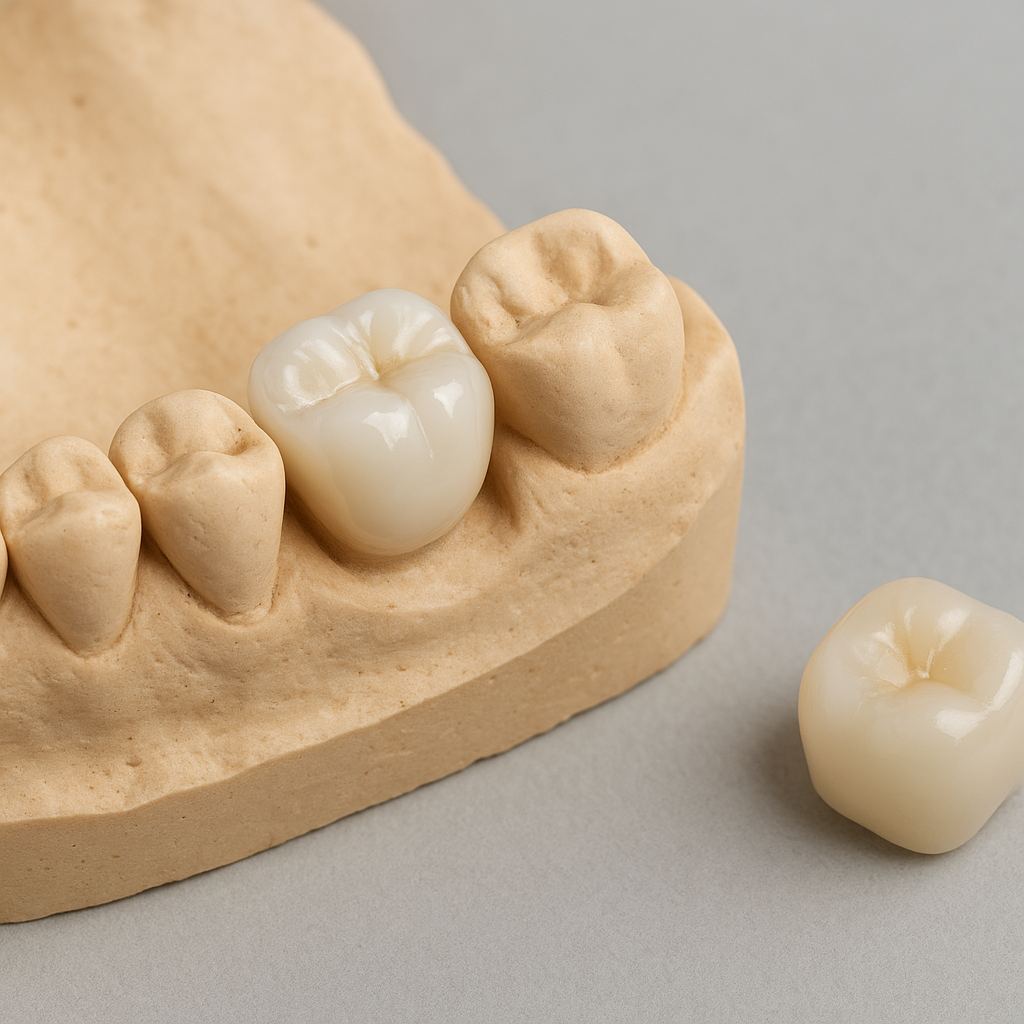
A dental crown is a custom-made cap designed to cover a damaged or weakened tooth. By encasing the visible portion, the crown restores shape, function, and appearance. Unlike inlays or onlays that cover only part of a tooth, crowns envelop the entire structure above the gum line, offering optimal protection and support.
Key objectives of placing a crown include:
- Reinforcing structural strength after extensive decay removal.
- Shielding a fractured or worn tooth from further damage.
- Completing a dental implant by acting as the visible restoration atop the implant post.
- Improving esthetic appearance through color and shape correction.
Whether placed on a natural root or anchored to an implant, crowns provide a long-term solution for restoring chewing efficiency and preventing additional decay.
Common Indications for Receiving a Dental Crown
Several scenarios call for crown placement. Recognizing these situations helps patients discuss restorative options with their dentist in a timely manner.
Extensive Decay or Large Fillings
When cavities penetrate deep into the dentin layer or previous fillings compromise more than half of the remaining tooth structure, a standard filling may not suffice. A crown distributes occlusal forces evenly, lowering the risk of fracture.
Cracked, Fractured, or Worn Teeth
Accidental trauma or bruxism can create microfractures. Over time, these fissures can worsen, causing pain or complete tooth breakage. A crown acts like a helmet, locking fragments together and preventing split lines from propagating further.
Root Canal Treatment
Following endodontic therapy, the enamel becomes more brittle because the tooth no longer receives a regular blood supply. A crown restores lost tooth substance and avoids potential vertical root fractures.
Implant Restorations
Once an implant integrates with the jawbone, a crown seals the top portion, mimicking a natural erupting tooth. This final step in implant therapy yields both functional and esthetic benefits.
Cosmetic Enhancements
Discolored or misshapen teeth that resist whitening treatments can be concealed with porcelain or zirconia crowns, delivering a uniform and esthetic smile.
The Dental Crown Procedure: Step by Step
The journey from an initial consultation to a finished crown typically spans two to three visits. Efforts to streamline the process have resulted in innovative technologies such as CAD/CAM milling machines for same-day crowns. Below is a traditional workflow:
- Diagnosis and Treatment Planning: Clinical examination, radiographs, and discussion of material options.
- Tooth Preparation: Local anesthesia is administered. The dentist reduces the tooth’s size to create room for the crown, removing decayed or weakened tissue.
- Impressions and Shade Matching: An impression of the prepared tooth and adjacent teeth is taken, often digitally. A shade guide ensures the restoration matches the natural dentition.
- Temporary Crown Placement: A provisional crown—usually acrylic or composite—is cemented to protect the tooth while the permanent crown is fabricated in a laboratory.
- Fabrication: Skilled technicians or computer-aided design software constructs the final crown using materials like porcelain-fused-to-metal, all-ceramic, or zirconia for durability and esthetics.
- Final Cementation: During the last visit, the temporary crown is removed, the underlying tooth is cleaned, and the permanent crown is adjusted for proper fit and occlusion. Once satisfactory, the crown is cemented with resin or glass ionomer cement.
Materials and Types of Dental Crowns
Choosing the ideal crown material depends on clinical requirements, esthetic demands, and financial considerations. The most common types include:
- All-Ceramic Crowns: Made entirely of ceramic or porcelain, these crowns offer superior esthetic results and biocompatibility, making them ideal for front teeth.
- Porcelain-Fused-to-Metal (PFM) Crowns: Metal cores provide outstanding strength, while the porcelain veneer ensures a natural look. Care must be taken to mask any dark metal margin over time.
- Zirconia Crowns: Combining the toughness of metal with the translucency of ceramic, zirconia crowns represent a modern choice for high-stress areas, like molars, and can be layered for improved esthetic quality.
- Gold and Metal Alloys: Gold crowns exhibit exceptional wear-resistance and gentle wear on opposing teeth. Their metallic appearance relegates them to posterior regions where esthetics are less critical.
Each material balances factors like strength, esthetics, and cost differently. Discussing priorities with your dentist ensures an informed selection.
Care and Maintenance for Long-lasting Crowns
Once in place, a crown can last a decade or more with proper care. Follow these guidelines to preserve your restoration:
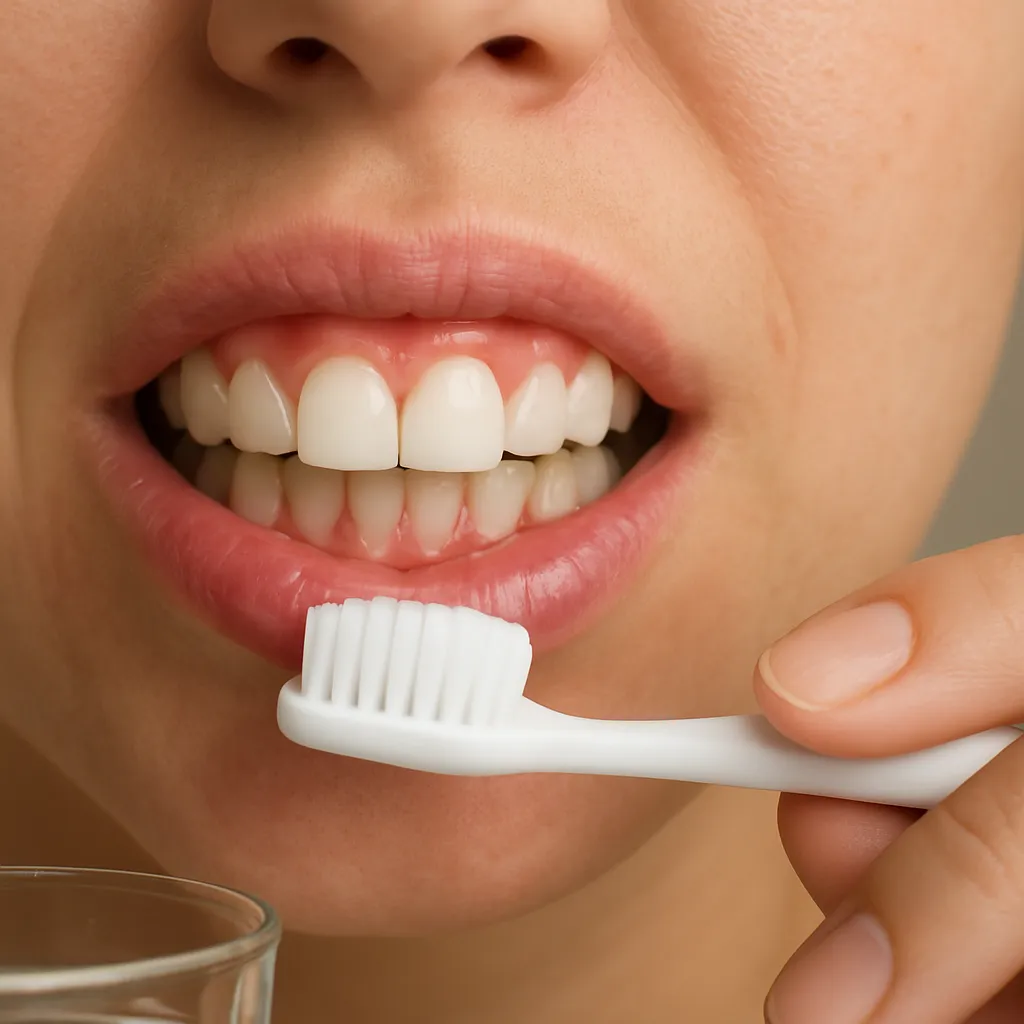
- Maintain meticulous oral hygiene: brush twice daily with fluoride toothpaste, floss between crowns and natural teeth, and use an antibacterial mouthwash.
- Schedule biannual dental check-ups and professional cleanings to monitor crown margins and underlying tooth health.
- Avoid chewing hard objects, such as ice or pens, that could fracture porcelain.
- If bruxism is an issue, consider wearing a nightguard to reduce excessive force.
- Address any discomfort or sensitivity promptly, as it may signal cement washout or decay at the crown edge.
Regular monitoring improves the prognosis of crowned teeth and helps detect potential complications early.
Potential Risks and How to Minimize Them
While crown placement is generally safe, being aware of potential issues allows for proactive management. Key risks include:
- Sensitivity: Following tooth preparation, transient sensitivity to temperature or pressure may occur. Desensitizing toothpaste or gentle brushing often resolves this within weeks.
- Cement Failure and Microleakage: Inadequate bonding can lead to loosened crowns, permitting bacteria infiltration and recurrent decay. Choosing high-quality cement and maintaining hygiene are critical.
- Allergic Reactions: Although rare, some patients may react to metal alloys. In such cases, metal-free options like all-ceramic crowns are preferable.
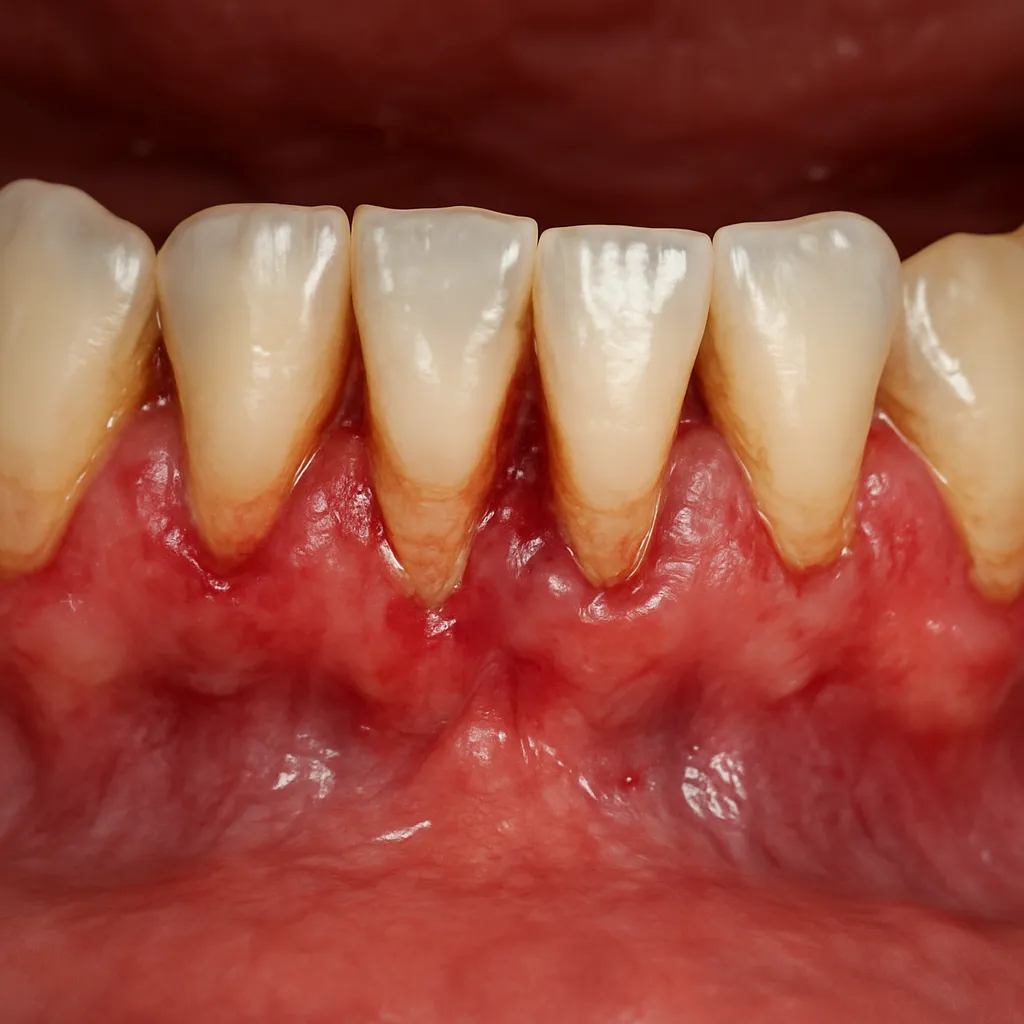
- Marginal Discrepancies: Poor fit at the crown margin can harbor plaque and lead to periodontal irritation. Precise impression techniques and skilled laboratory work reduce this risk.
Open communication with your dentist about any concerns both before and after crown placement ensures swift intervention if complications arise.
Advancements in Crown Technology
Innovations in digital dentistry have revolutionized crown fabrication and placement. Technologies worth noting include:
- Chairside CAD/CAM Systems: Enable same-day crowns by scanning, designing, and milling a monolithic restoration in a single appointment.
- 3D Printing: Offers potential for rapid prototyping of temporary crowns and surgical guides.
- High-Strength Ceramic Materials: New formulations of zirconia and lithium disilicate provide enhanced translucency without sacrificing strength.
Staying informed about these developments helps patients access more efficient and comfortable restorative experiences.