Visiting the dentist for a routine cleaning is more than just a superficial polish—it’s a vital step in maintaining strong teeth and a healthy smile. Understanding what happens during a professional dental cleaning can help ease anxiety and ensure you get the most out of your appointment. From the moment you walk through the door to the final rinse, every action is designed to remove harmful buildup and promote optimal gum health.
Preparing for Your Appointment
Before your cleaning, gathering basic information and addressing any concerns can streamline the process. A little preparation goes a long way toward a comfortable, efficient visit.
Complete Medical History
Your dental hygienist or dentist will review your medical history to identify any underlying conditions or medications that may impact your treatment. Disclosing details such as:
- Current prescriptions or over-the-counter medications
- Recent surgeries or hospitalizations
- Chronic conditions like diabetes or heart disease
- Allergies, especially to latex or certain mouthwashes
Pre-Visit Instructions
Most practices ask patients to:
- Avoid eating sticky or highly pigmented foods right before arrival
- Brush and floss thoroughly, if possible, to reduce oral debris
- Arrive a few minutes early to complete any new patient forms
These steps help the hygienist focus on the heart of the cleaning rather than paperwork or heavy stain removal.
The Cleaning Process
Professional dental cleanings typically involve several key stages, each targeting different types of deposits. While the exact routine may vary by practice, you can expect a systematic approach designed for maximum effectiveness.
Scaling to Remove Plaque and Tartar
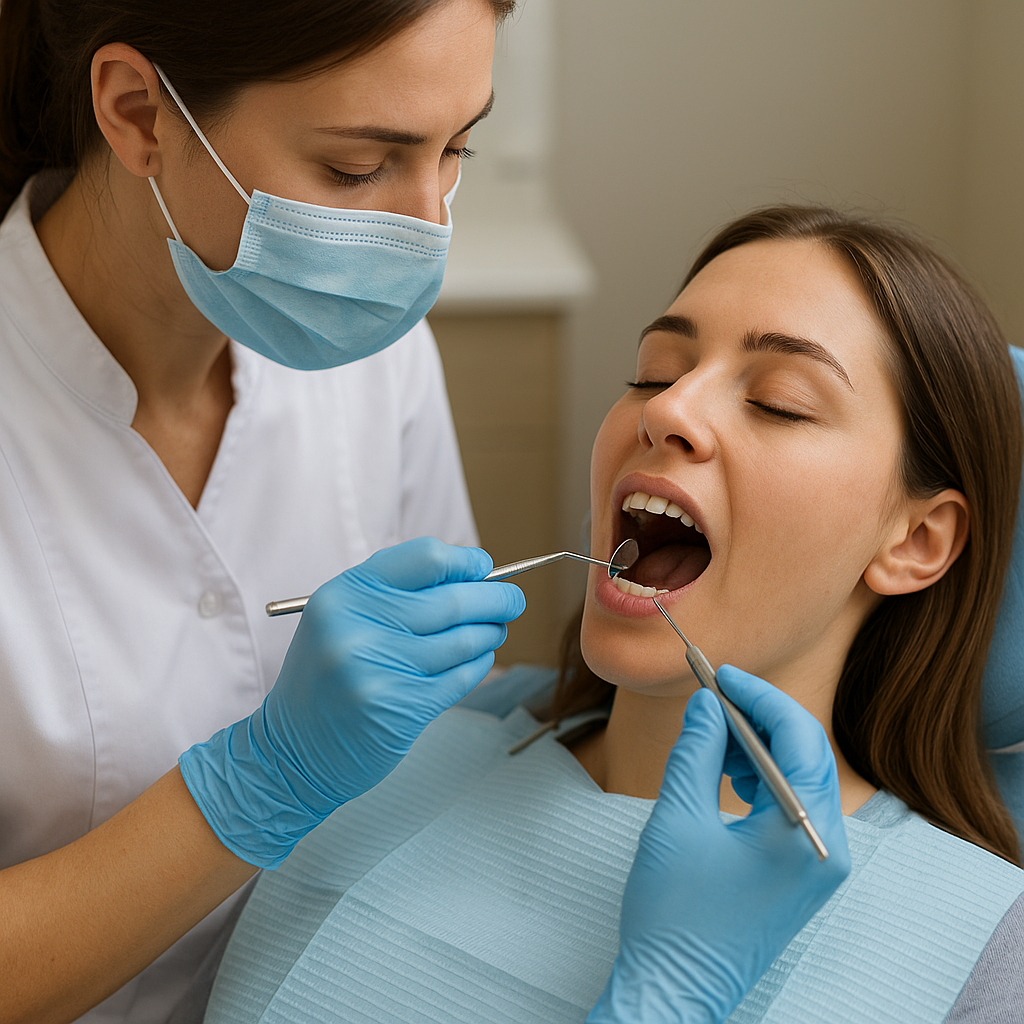
The first phase is scaling, where the hygienist uses specialized tools—manual scalers and an ultrasonic scaler—to break up hardened deposits, called tartar or calculus. Ultrasonic instruments vibrate at high frequencies, dislodging buildup with minimal pressure. You may hear buzzing sounds and feel gentle vibrations, but discomfort is generally mild.
- Manual scalers: Sharp, hand-held tools for precise removal
- Ultrasonic scalers: Water-cooled tips that agitate and wash away debris
Polishing and Stain Removal
Once scaling is complete, the hygienist applies a slightly abrasive paste to the teeth. Using a rotating rubber cup or brush, they polish away surface stains and smooth the enamel. This step not only improves appearance but also makes it harder for plaque to reattach.
Flossing and Interproximal Cleaning
Flossing is often performed by the hygienist to ensure that every contact point between teeth is free of lingering debris. In some practices, interdental brushes or picks may be used for patients with wider spaces or orthodontic appliances. This critical step reaches areas that standard brushing can miss, promoting excellent preventive care.
Professional Fluoride Treatment
To conclude the cleaning, many dental offices offer a concentrated fluoride varnish or gel. This application strengthens enamel, making teeth more resistant to acid attacks and decay. Patients with a higher risk of cavities may receive customized advice on frequency and form of fluoride use.
Aftercare and Maintenance
Following your appointment, maintaining the momentum is key. Proper aftercare ensures that the benefits of your cleaning last as long as possible.
Immediate Post-Cleaning Care
For the first few hours after a fluoride treatment, it’s best to avoid eating or drinking anything except water. This precaution allows the fluoride to fully penetrate the enamel. Additionally:
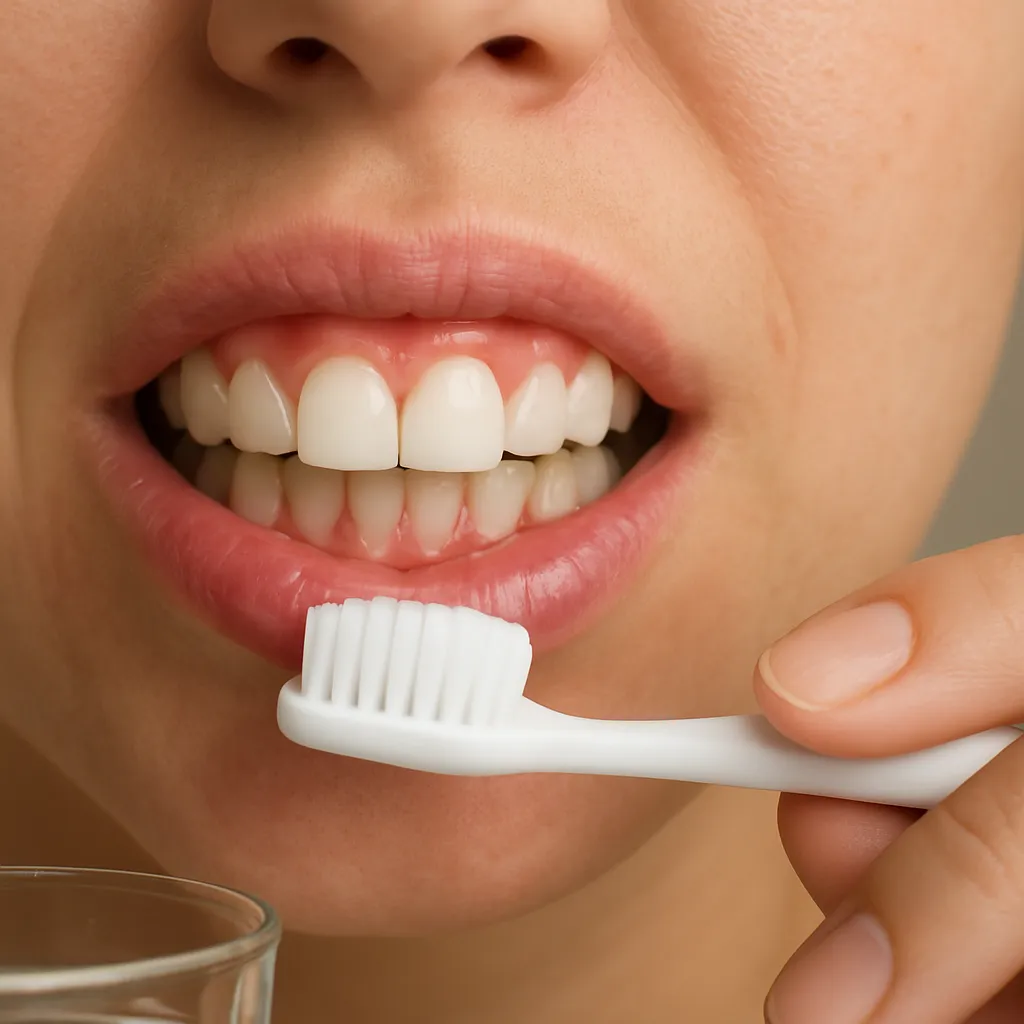
- Use a soft-bristled toothbrush to prevent gum irritation
- Apply a mild, non-whitening toothpaste
- Stay hydrated to promote saliva production and natural cleansing
Daily Hygiene Practices
Regular at-home habits complement professional cleanings:
- Brushing twice a day for two minutes with a fluoridated toothpaste
- Flossing daily to remove interproximal plaque
- Using an antimicrobial mouthwash if recommended by your dentist
- Replacing your toothbrush or brush head every three months
Dietary Considerations
A balanced diet contributes significantly to long-term dental health. Choose foods that support strong teeth and gums:
- Dairy products for calcium and phosphate
- Fibrous fruits and vegetables that stimulate saliva
- Water instead of sugary drinks to reduce acid exposure
- Lean proteins and nuts for overall tissue repair
Special Considerations and Common Questions
Every patient is unique, so your hygienist or dentist may customize certain elements of the cleaning experience. Below are answers to frequent inquiries.
Will a Cleaning Hurt?
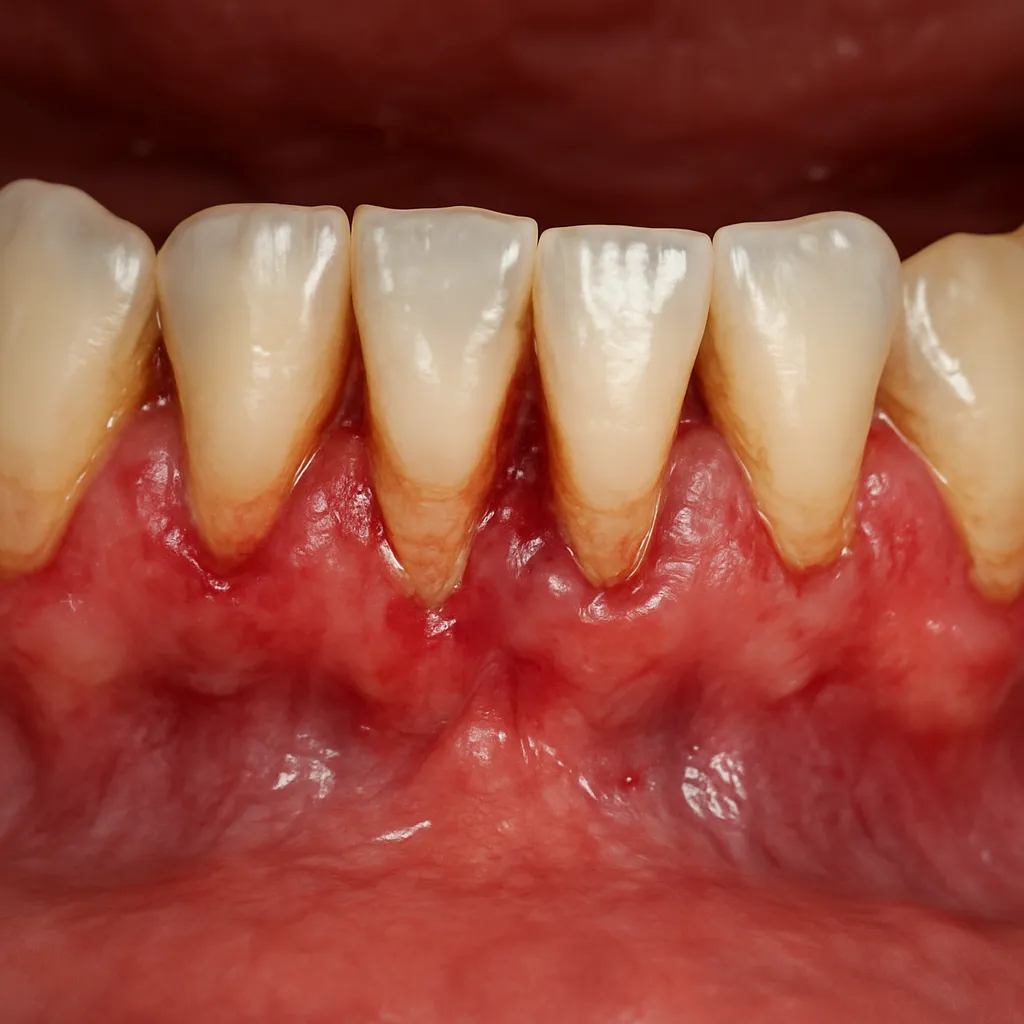
For most people, routine cleanings cause little to no pain. However, those with sensitive teeth, receding gums, or active gum disease may feel mild discomfort. Inform your provider so they can adjust pressure, use desensitizing agents, or apply a topical anesthetic if necessary.
How Often Should I Schedule Cleanings?
Standard recommendations call for a professional cleaning every six months. However, individuals with periodontal issues or high cavity risk might require visits every three to four months. Your dental team will suggest an ideal timeline based on your specific oral health profile.
What If I Need a Deep Cleaning?
If gum pockets exceed 4 mm or show signs of infection, a deep cleaning—known as scaling and root planing—may be necessary. This more intensive procedure removes bacteria below the gum line and smooths root surfaces, helping gums reattach. Healing time can range from a few days to two weeks, depending on the extent of treatment.
Can I Eat Normally Afterward?
Yes, once the fluoride has set, you can return to your normal diet. For a short period, avoid foods that are excessively hard, sticky, or highly acidic, as these can trigger sensitivity or disrupt the newly cleaned surfaces.
By understanding each stage of the dental cleaning process and following tailored aftercare guidance, you’ll maximize the benefits of every appointment. Consistent professional cleanings and diligent home care form the cornerstone of a lifetime of healthy, vibrant smiles.