Excessive consumption of alcohol can exert profound effects on oral structures, compromising both soft tissues and dental hard tissues. Understanding these consequences is critical for dental professionals and patients alike, as timely recognition and management help preserve long-term oral health. This article delves into the multifaceted ways alcoholic beverages impact the mouth’s ecosystem and offers practical guidance for minimizing risks.
Oral Mucosa and Soft Tissue Vulnerability
The mucous membranes lining the cheeks, lips, tongue, and floor of the mouth serve as the first barrier against physical and microbial insults. When exposed frequently to high concentrations of alcohol, these tissues become irritated and inflamed. Chronic contact with ethanol solutions can strip away protective lipids and keratin, rendering the mucosa more susceptible to trauma and ulceration.
Inflammatory Response
Repeated irritation triggers a local inflammatory cascade. Cells release cytokines and reactive oxygen species, which, over time, can foster a cycle of tissue injury. Clinically, patients may report soreness, burning sensations, or the appearance of red or white patches (erythroplakia and leukoplakia). Such lesions warrant prompt evaluation by dentists to rule out dysplasia or malignancy.
Microbial Shifts
Alterations in the mucosal barrier facilitate colonization by opportunistic organisms. Fungal overgrowth, particularly Candida species, may manifest as thrush. The acidic nature of many alcoholic beverages further disturbs the oral microbiome, selecting for acid-tolerant species that thrive in low-pH environments.
Enamel Erosion and Tooth Decay
Dental enamel represents the hardest mineralized tissue in the human body, yet it remains vulnerable to demineralization. Acidic drinks such as wine, beer, and mixed cocktails can reduce the pH in the mouth well below the critical threshold of 5.5, initiating the breakdown of hydroxyapatite crystals.
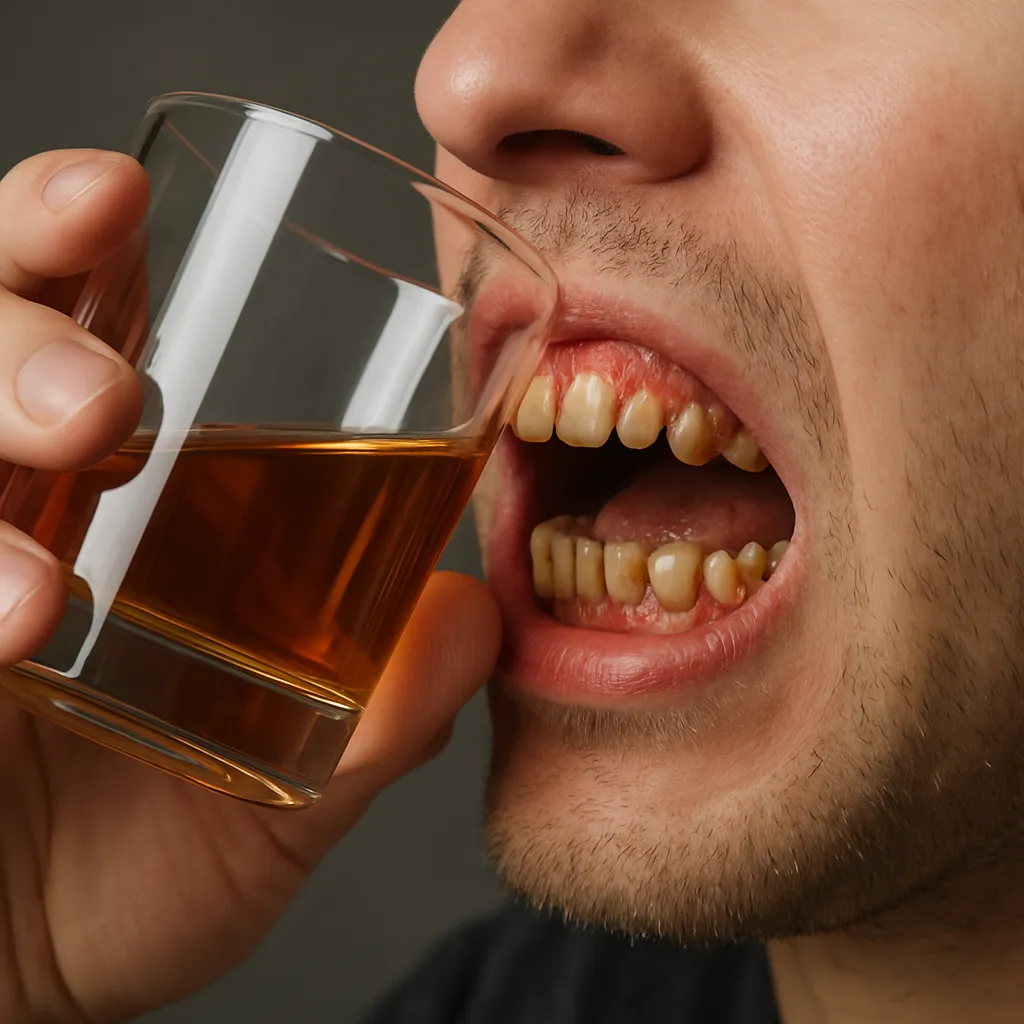
Prolonged or frequent exposure leads to cumulative loss of enamel surface integrity. Clinical signs include increased tooth sensitivity, roughened surfaces, and a yellowish discoloration as dentin becomes exposed. Enamel erosion is irreversible, so prevention is paramount.
- Poor Rinsing Habits: Failure to rinse with water after alcohol intake prolongs acid dwell time.
- Slow Consumption: Lingering sips and sipping through a straw can exacerbate localized demineralization.
- Mixers and Additives: Sugary or carbonated ingredients heighten erosive potential.
Ultimately, weakened enamel sets the stage for the proliferation of cariogenic bacteria that metabolize residual sugars, producing organic acids that deepen pits and fissures. This leads to the formation of cavities that compromise tooth structure and require restorative intervention.
Impact on Salivary Function and Dry Mouth
Saliva acts as a natural buffer, neutralizing acids, providing antimicrobial peptides, and facilitating remineralization. However, alcohol exhibits a potent diuretic effect systemically, which often correlates with decreased salivary flow in the oral cavity. Reduced saliva volume diminishes its protective functions.
Patients may experience xerostomia, commonly known as dry mouth. Symptoms include difficulty swallowing, a burning sensation, and increased susceptibility to oral infections. Without adequate lubrication, food debris and microbial byproducts accumulate, fostering a hospitable environment for further enamel dissolution and soft tissue lesions.
Furthermore, salivary enzymes such as amylase become less effective, impairing the initial digestion process and altering the balance of oral microflora. Over time, chronically dry conditions increase the risk of halitosis and interfere with prosthetic appliance comfort.
Alcohol-Induced Gum Disease and Periodontal Complications
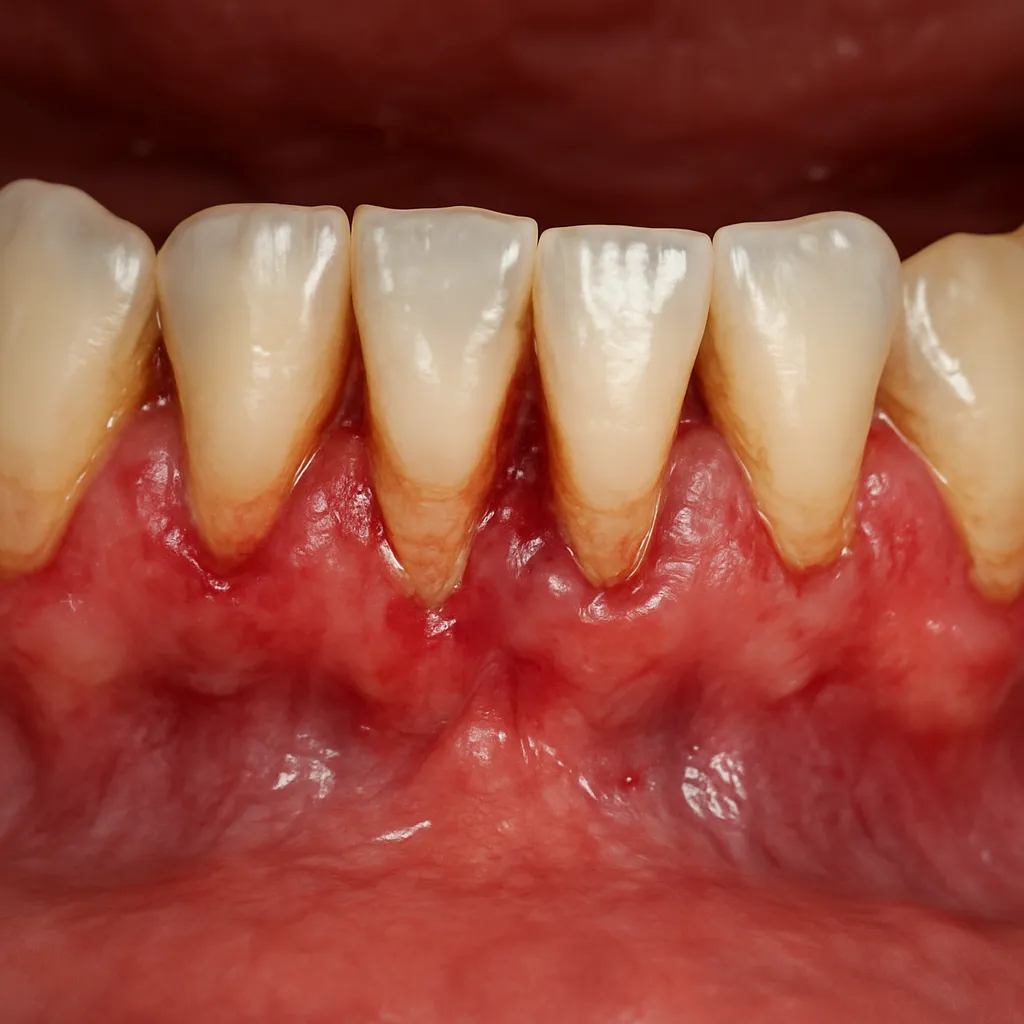
One of the most insidious effects of regular alcohol consumption lies in its contribution to periodontal breakdown. Moderate to heavy drinkers exhibit higher levels of gingival inflammation, bleeding, and pocket formation compared to abstainers. Ethanol and its byproducts aggravate the gingival tissues and disrupt immune responses.
Key factors in alcohol-enhanced periodontal disease include:
- Reduced Immune Defense: Ethanol impairs neutrophil function, hindering bacterial clearance in gingival crevices.
- Altered Cytokine Profiles: Proinflammatory cytokines such as interleukin-1 and tumor necrosis factor-alpha surge in response to alcohol-related tissue stress.
- Nutritional Deficiencies: Heavy drinkers often exhibit compromised intake of essential nutrients like vitamin C and calcium, critical for periodontal health.
The result is an accelerated progression of periodontitis, characterized by alveolar bone resorption and eventual tooth mobility or loss. Early diagnosis and management by dentists can mitigate these sequelae.
Risk of Oral Cancer and Carcinogenic Potential
Alcohol is classified as a Group 1 carcinogen when consumed in combination with tobacco, according to the International Agency for Research on Cancer. Ethanol metabolizes into acetaldehyde, a mutagenic compound that induces DNA damage in epithelial cells.
Regular exposure amplifies the risk of developing malignancies of the lip, tongue, floor of the mouth, and pharynx. Several mechanisms underlie this carcinogenic process:
- Acetaldehyde Buildup: This intermediate fosters DNA cross-links and chromosomal instability.
- Enhanced Penetration of Carcinogens: Alcohol disrupts mucosal barriers, allowing tobacco-derived nitrosamines to infiltrate basal cells more rapidly.
- Genetic Polymorphisms: Variations in alcohol dehydrogenase and aldehyde dehydrogenase enzymes influence individual susceptibility.
Patients with a history of heavy drinking require regular oral cancer screenings, including visual inspection and palpation of soft tissues. Early detection dramatically improves prognosis.
Guidance for Patients and Preventive Strategies
Given the spectrum of oral health challenges associated with alcohol use, dental professionals play a pivotal role in patient education and risk mitigation. Evidence-based recommendations include:
- Aim for moderation: Limit intake to recommended daily guidelines and avoid binge drinking episodes.
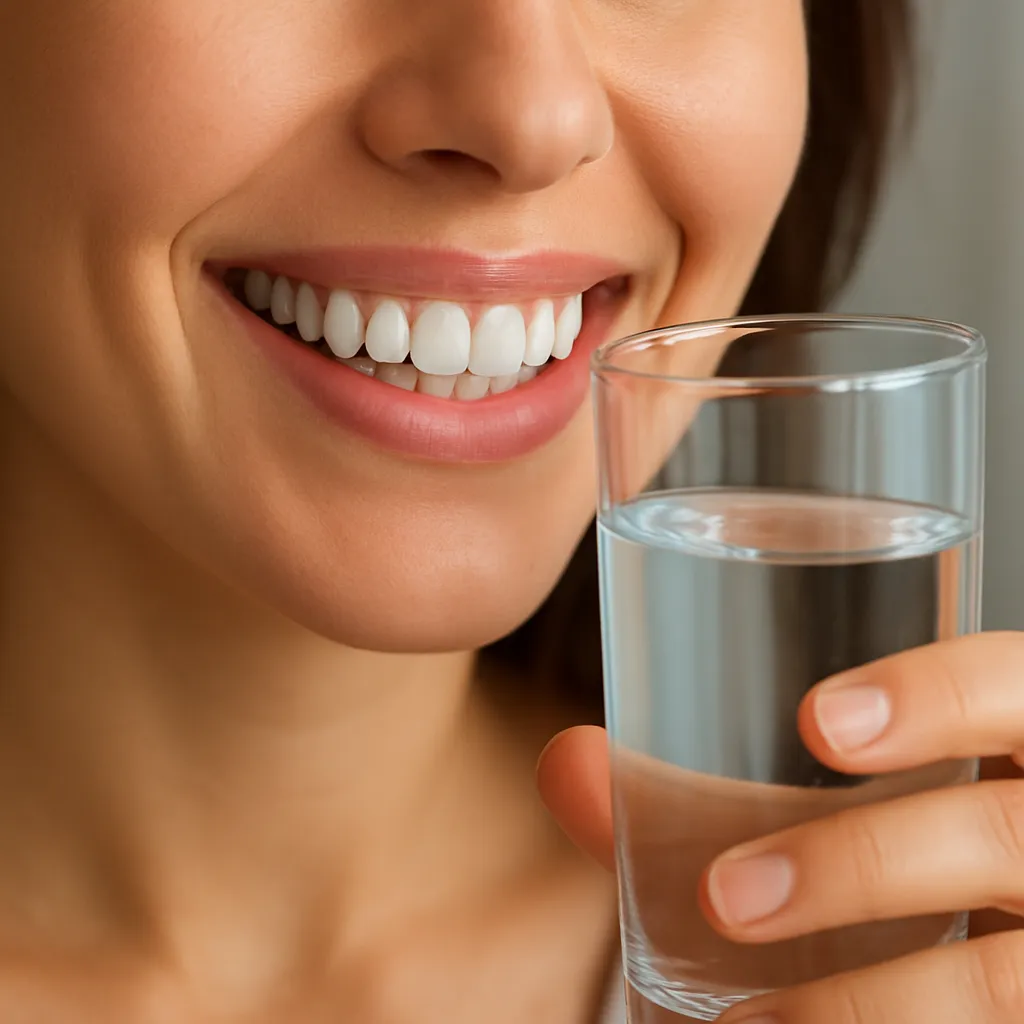
- Hydrate adequately: Encourage concurrent water consumption to counteract dehydration and maintain salivary flow.
- Rinse thoroughly: Use a fluoride-containing mouthwash or plain water after drinks to neutralize acidity.
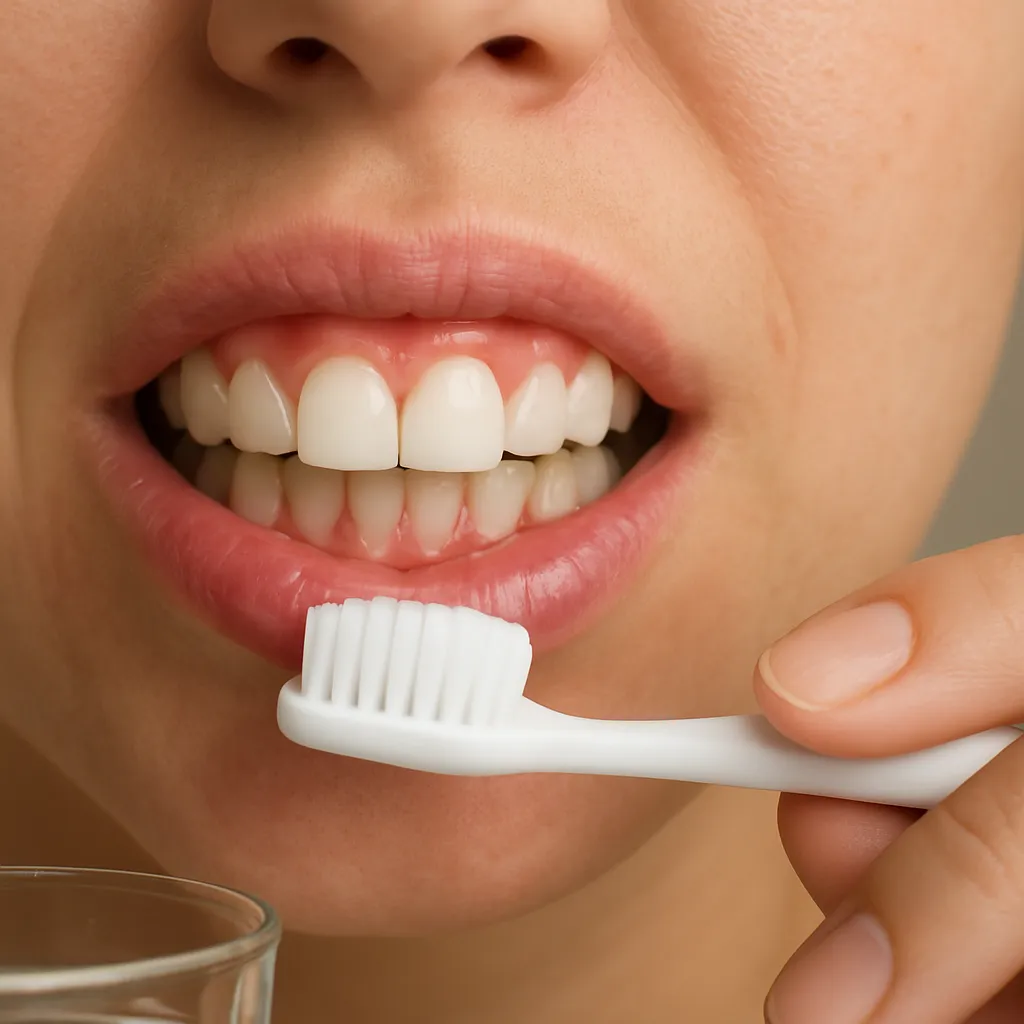
- Maintain meticulous oral hygiene: Brush twice daily with fluoride toothpaste and floss to reduce plaque accumulation.
- Regular dental visits: Schedule biannual check-ups for professional cleaning and screening for early lesions.
- Dietary adjustments: Avoid frequent snacking on sugary foods post-drinking to lower caries risk.
Incorporating these strategies empowers patients to enjoy social and cultural aspects of alcohol consumption while safeguarding their oral health. Collaborative efforts between dentists and patients pave the way for enduring dental wellness.