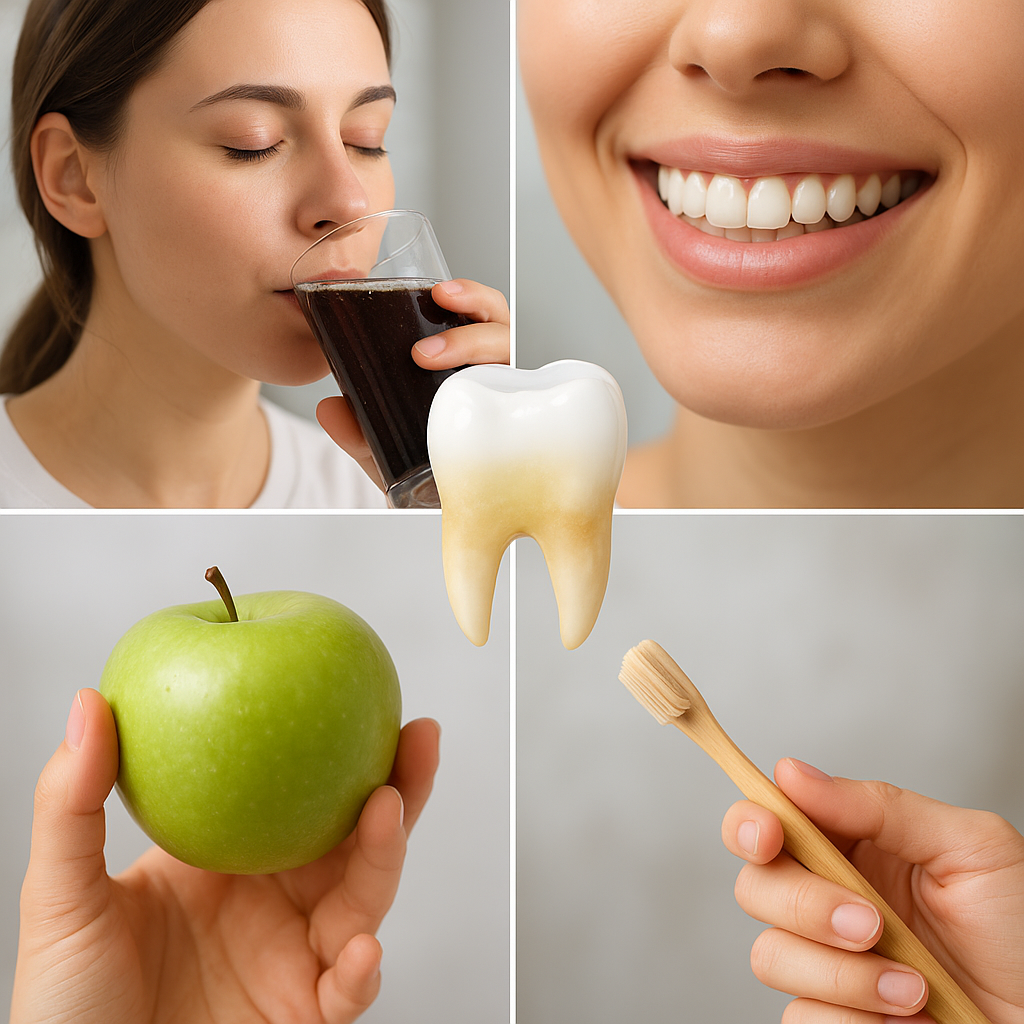
Maintaining a strong, healthy smile goes beyond routine brushing—it requires an understanding of how to protect the delicate enamel that coats our teeth. Enamel erosion is a common dental issue that can lead to sensitivity, discoloration, and even structural damage. This article explores the underlying causes, early warning signs, and effective strategies to safeguard dental enamel through proper home care, smart dietary choices, and professional guidance.
Causes of Enamel Erosion
Enamel erosion occurs when acidic substances gradually wear down the outermost layer of a tooth. Unlike dentin or cementum, enamel does not regenerate once lost, making prevention critical. Several factors contribute to the acid-related breakdown of enamel:
Acidic Foods and Beverages
- Citrus fruits (lemons, limes, oranges) contain natural acids that soften enamel.
- Sodas and energy drinks have low pH levels, causing frequent acid attacks.
- Vinegar-based dressings and pickled foods introduce additional acid exposure.
Gastroesophageal Reflux and Eating Disorders
- Stomach acid that enters the mouth during reflux is highly corrosive to enamel.
- Conditions such as bulimia involve repeated vomiting, exposing teeth to gastric acid.
Poor Oral Habits
- Aggressive toothbrushing with a hard-bristled toothbrush can mechanically wear down enamel.
- Dry mouth (xerostomia) reduces protective saliva flow, hampering natural remineralization.
Recognizing Early Signs
Detecting enamel erosion in its initial stages allows for timely intervention. Patients should watch for subtle changes both visually and in sensation.
Increased Sensitivity
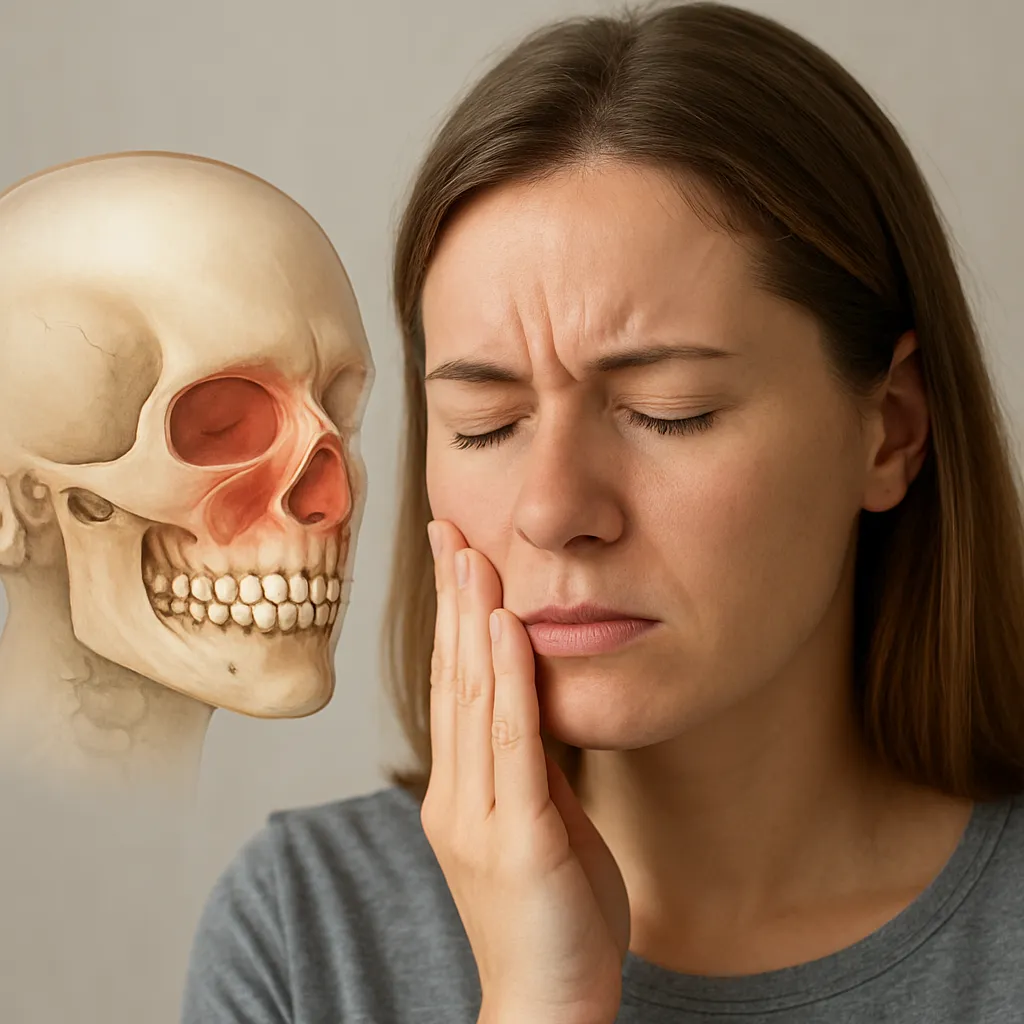
Sensitive reactions to hot, cold, or sweet stimuli often signal that enamel thinning has exposed underlying dentin. A brief, sharp twinge when sipping iced water or savoring ice cream may indicate early erosion.
Surface Texture Changes
- Enamel may appear dull or smooth in areas where it was once glossy.
- Small pits or indentations can develop on flat chewing surfaces.
Color Shifts
As enamel erodes, the yellowish hue of dentin becomes more visible, leading to discoloration that ranges from pale yellow to brown.
Preventive Measures at Home
While some enamel loss is unavoidable, daily habits can minimize acid exposure and strengthen tooth defenses. Implementing these practical steps can make a substantial difference in long-term oral health.
Optimal Brushing Technique
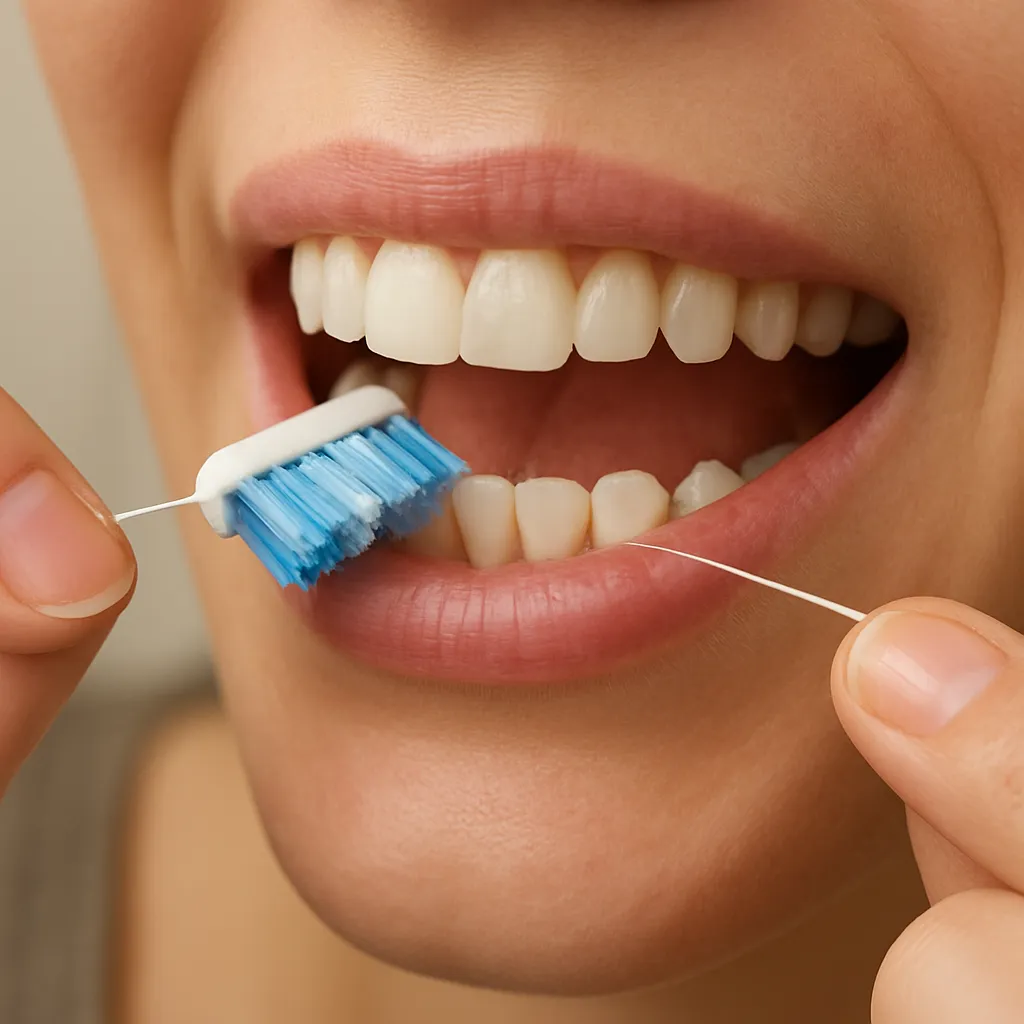
- Use a soft-bristled brush and gentle, circular motions.
- Avoid brushing immediately after consuming acidic foods—wait at least 30 minutes to allow saliva to neutralize acids.
- Choose a toothpaste with fluoride to promote remineralization.
Rinse and Neutralize
After eating or drinking acidic items:
- Rinse with water or a pH-balanced mouthwash.
- Chew sugar-free gum containing xylitol to stimulate saliva secretion and buffer acids.
Hydration and Saliva Stimulation
Adequate water intake throughout the day helps maintain a healthy saliva flow. For individuals prone to dry mouth:
- Use a humidifier at night to support saliva production.
- Consider saliva substitutes or oral moisturizers if recommended by your dentist.
Dietary Habits and Enamel Health
Your diet plays a pivotal role in enamel preservation. Balancing nutrient intake and minimizing acid challenges can safeguard your teeth against progressive wear.
Minimize Acidic Snacking
- Limit between-meal consumption of sodas, sports drinks, and fruit juices.
- Swap citric juices for water infused with cucumber or herbs for a gentler flavor.
Incorporate Protective Foods
Certain foods contribute to remineralization and enamel maintenance:
- Dairy products rich in calcium and phosphate (milk, cheese, yogurt).
- Leafy greens and almonds provide essential minerals for tooth mineralization.
- Crunchy vegetables like carrots and celery help clean tooth surfaces mechanically.
Timing and Consumption Strategies
- Consume acidic foods quickly rather than grazing to limit the duration of acid exposure.
- Pair acidic items with neutralizing elements—cheese with wine, or milk with fruit.
Professional Treatments and Check-ups
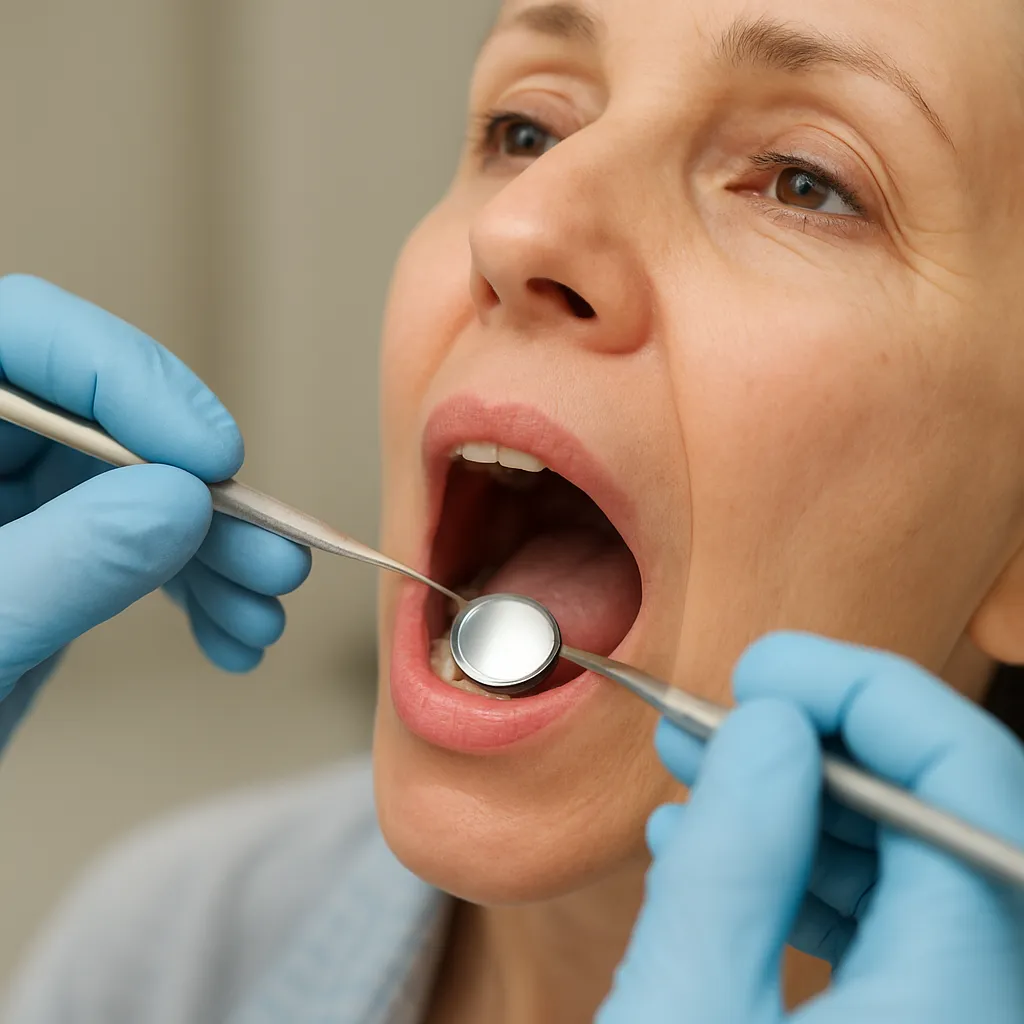
Regular dental visits enable early detection and intervention when enamel erosion begins. Professional treatments can complement home care and address areas of concern.
Fluoride Varnishes and Sealants
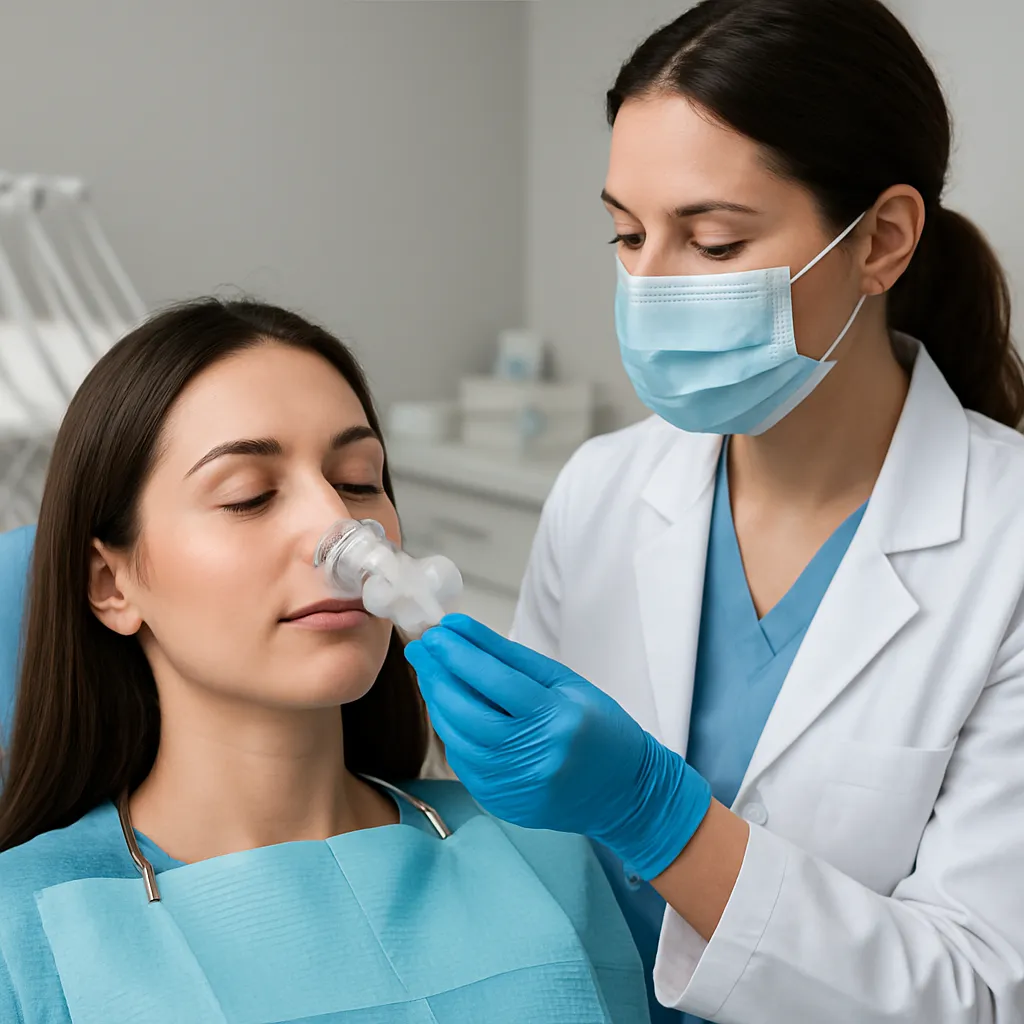
Application of concentrated fluoride varnishes in the office enhances enamel resistance. Sealants can shield molars from acid attack, especially in grooves prone to decay.
Remineralization Therapies
Advanced remineralization agents containing calcium phosphate or nano-hydroxyapatite can penetrate microdefects and rebuild the enamel surface.
Occlusal Adjustments and Nightguards
- Bruxism (teeth grinding) increases mechanical wear—occlusal adjustments or custom-fitted nightguards protect enamel from excessive force.
- Addressing bite misalignments reduces uneven enamel stress.
Regular Monitoring and Personalized Guidance
Biannual examinations allow your dentist to chart enamel changes over time. Tailored advice on home care, dietary modifications, and professional treatments keeps your enamel strong and resilient.