Preventing tooth loss is an investment in your overall health and confidence. Maintaining strong teeth requires daily commitment, professional support, and lifestyle adjustments. This article explores essential strategies, from understanding the root causes of decay to adopting effective routines and seeking specialized treatments. By integrating these approaches, you will significantly reduce the risk of losing your natural teeth and enjoy a healthier smile for years to come.
Understanding the Causes of Tooth Loss
Identifying the underlying factors that contribute to tooth loss is the first step in effective prevention. Several elements work together to erode dental health over time:
- Accumulation of plaque and tartar along the gum line
- Onset of gum disease (gingivitis and periodontitis)
- Tooth decay driven by acids from food and bacteria
- Trauma or injury to the mouth and jaw
- Bruxism (teeth grinding) that erodes enamel
- Poor nutrition and systemic health issues
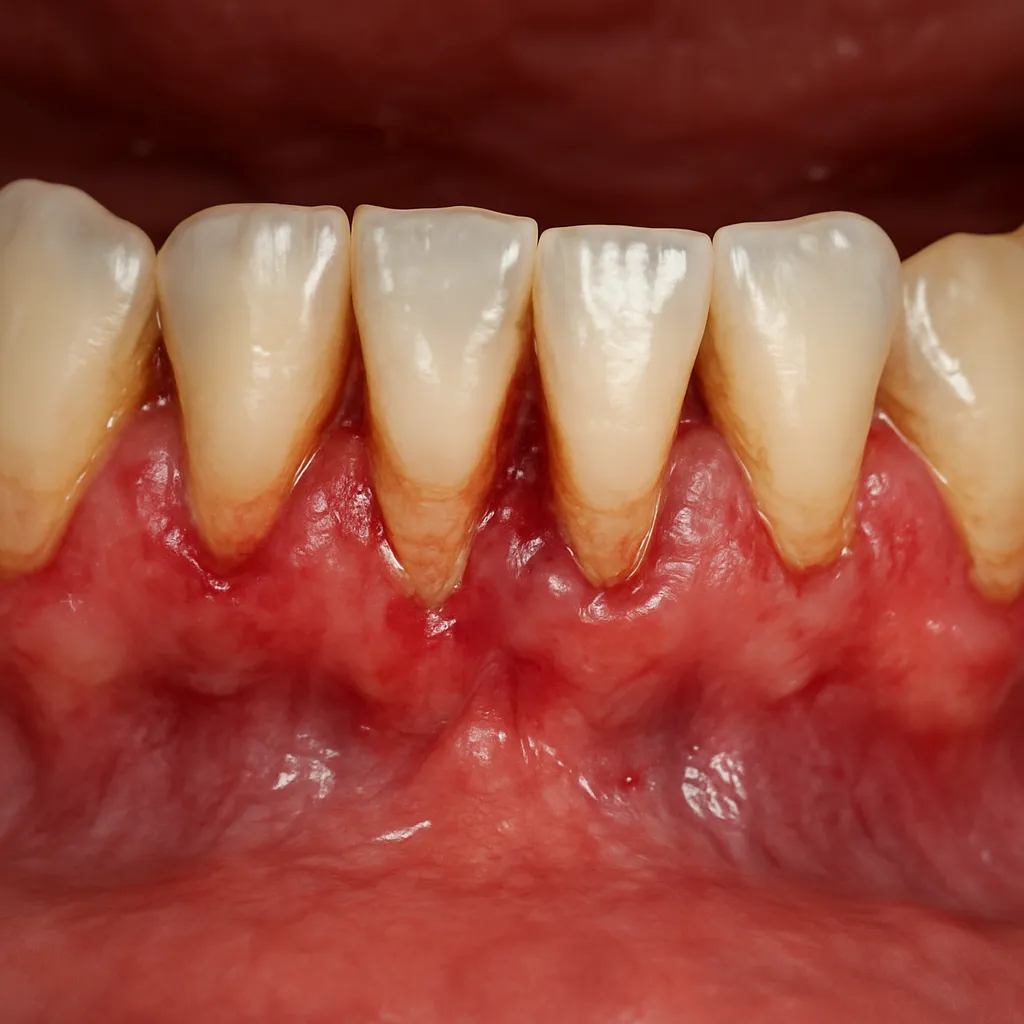
When plaque remains on teeth, it hardens into tartar and harbors harmful bacteria, which release toxins that irritate gums and destroy the supporting bone structure. If left unchecked, this process leads to advanced periodontal disease, one of the leading causes of tooth loss in adults. Additionally, cavities that penetrate deep into the tooth’s structure can weaken it to the point of fracture or infection, requiring extraction.
Daily Oral Hygiene Practices
Consistent home care is the backbone of any preventive plan. Establishing a thorough routine can dramatically lower your risk of decay and disease:
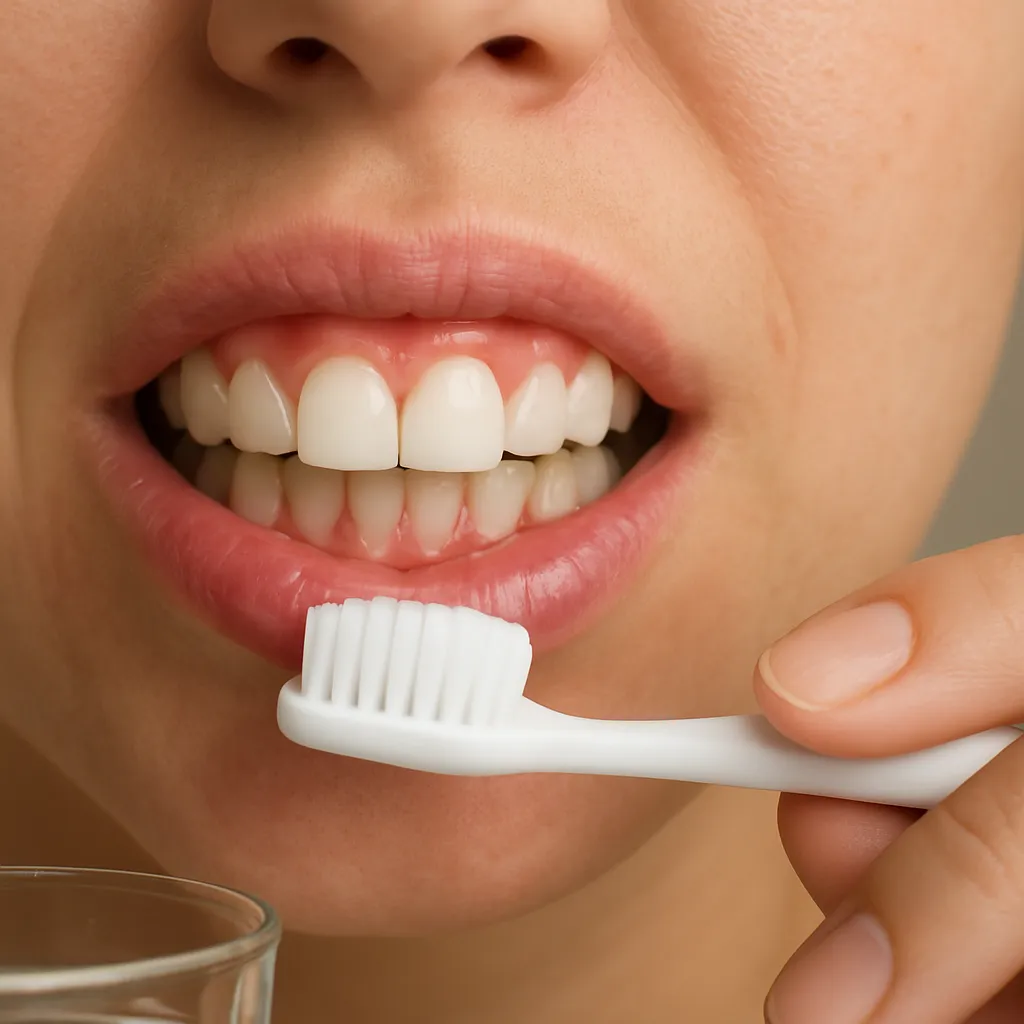
- Brush twice a day with a soft-bristled toothbrush and fluoride toothpaste.
- Floss daily to remove debris and bacteria between teeth.
- Use an antimicrobial mouthwash to reduce bacterial load.
- Replace your toothbrush every three months or after illness.
- Clean your tongue with a scraper to minimize odor and germs.
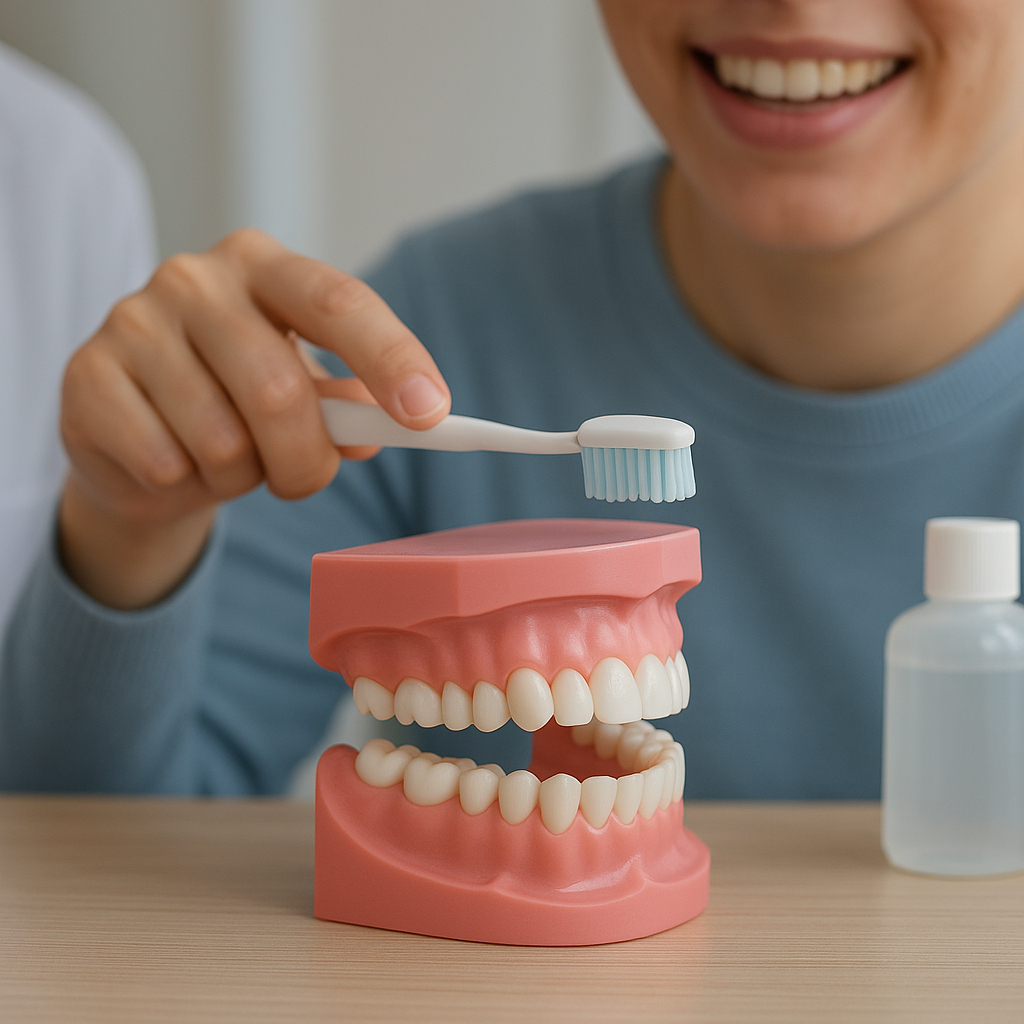
Effective brushing disrupts the biofilm of bacteria before it hardens. Seek electric toothbrushes with timers to ensure you brush for the recommended two minutes. Flossing reaches the tight interproximal spaces where most cavities begin. Rinsing with a mouthwash containing fluoride or chlorhexidine can further strengthen enamel and combat harmful organisms. Together, these steps form a robust defense against early stages of decay and inflammation.
Professional Dental Care
Regular visits to the dentist play a crucial role in preserving your teeth. Even the best home routine cannot replace professional evaluation and treatments:
- Biannual dental check-ups for early detection of issues.
- Routine professional cleanings to remove hardened tartar.
- X-rays to monitor bone levels and hidden decay.
- Scaling and root planing for patients with periodontal disease.
- Application of sealants and varnishes for added protection.
During your appointments, the dentist and hygienist will examine soft tissues, measure gum pockets, and identify early warning signs of disease. Professional fluoride treatments applied in-office can reinforce enamel, while deep cleaning procedures remove bacterial colonies below the gum line. By addressing minor concerns before they escalate, you maintain a stable foundation for your teeth and minimize the chance of extraction in the future.
Nutrition and Lifestyle Considerations
A balanced diet and healthy habits are pivotal in supporting dental resilience. Foods rich in calcium, phosphorus, and vitamins A, C, and D contribute to strong enamel and robust gum tissues. Conversely, sugary and acidic items can accelerate decay:
- Limit consumption of sweets, soda, and sticky candies.
- Drink plenty of water, preferably fluoridated tap water.
- Incorporate crunchy fruits and vegetables that stimulate saliva flow.
- Choose dairy products and lean proteins to supply essential minerals.
- Avoid tobacco and pursue smoking cessation programs if needed.
Saliva acts as a natural buffer against acids, so chewing sugar-free gum can be beneficial after meals. Tobacco use not only stains teeth but also impairs healing and lowers immune response, making gums more susceptible to infection and recession. By focusing on nutrient-dense foods and avoiding harmful substances, you give your mouth the resources it needs to stay strong.
Specialized Preventive Measures
Certain conditions or lifestyles demand additional protection to avoid tooth loss. Consider these specialized interventions:
- Custom night guards for individuals with bruxism or clenching habits.
- Sports mouthguards to prevent dental trauma during physical activities.
- Dental sealants on molars and premolars to block grooves from decay.
- Orthodontic treatments to correct misaligned teeth and bite issues.
- Regular monitoring and prophylactic treatment for patients with diabetes or autoimmune disorders.
Sealants create a barrier over vulnerable chewing surfaces, reducing the risk of pit-and-fissure cavities. Those prone to grinding can protect their enamel with a tailored night guard. Early alignment correction can improve cleaning efficiency and decrease stress on individual teeth. In complex medical cases, close coordination between dental and medical professionals ensures that systemic factors are managed in tandem with oral health.
Maintaining Long-Term Dental Health
Building a partnership with your dental team and adhering to proven preventive strategies can preserve your natural teeth well into later years. By combining diligent home care, professional support, dietary mindfulness, and targeted protective measures, you empower yourself to combat the most common causes of tooth deterioration. Stay proactive, stay informed, and prioritize your smile every day.