Maintaining healthy gums is essential for overall oral well-being. By adopting natural strategies and simple daily routines, you can significantly reduce the risk of gum disease. This article explores evidence-based methods that blend traditional wisdom with modern insights, offering practical steps to preserve your gum health and foster a confident smile.
Understanding the Basics of Gum Disease
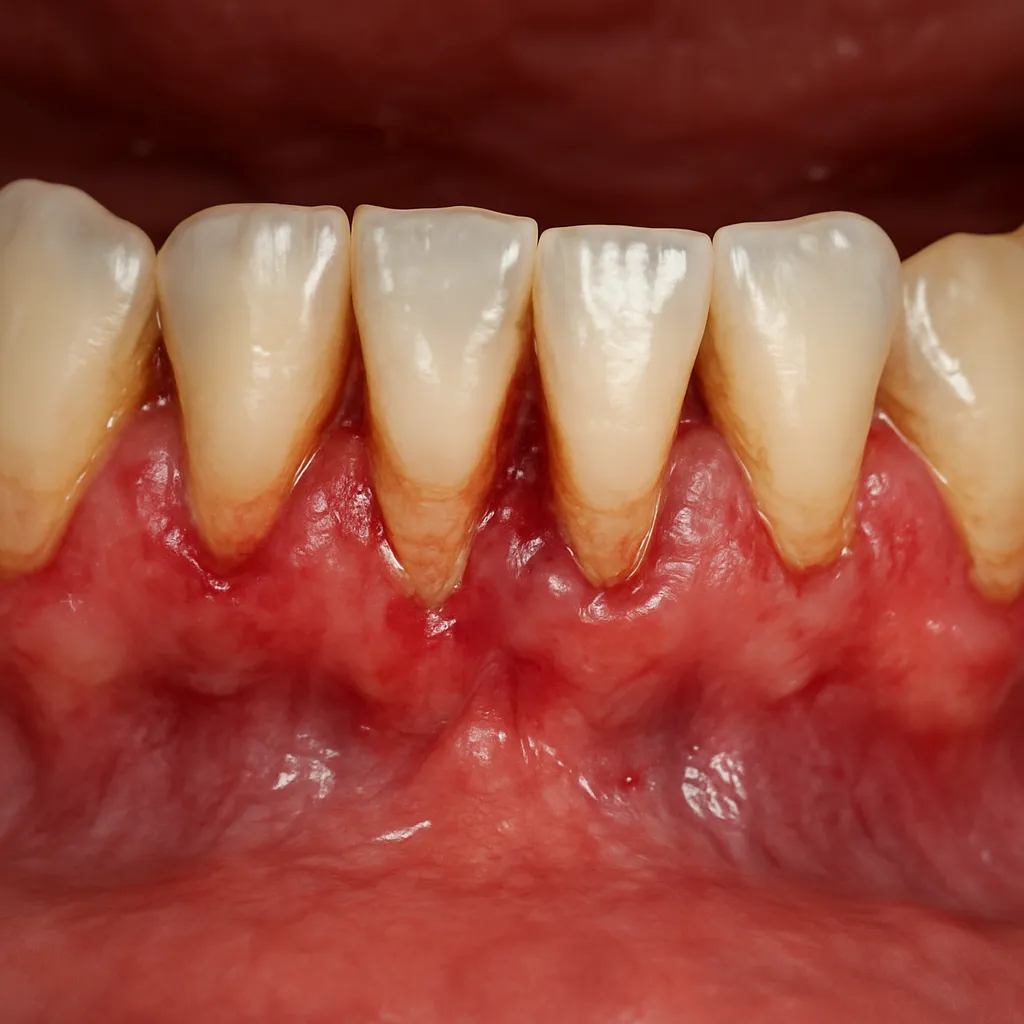
Gum disease begins when bacterial plaque accumulates along the gumline, triggering an immune response that leads to redness, swelling, and bleeding. When left unchecked, this condition can advance from mild gingivitis to aggressive periodontitis, causing tissue damage, tooth loss, and systemic health issues.
Stages of Gum Disease
- Gingivitis: Characterized by tender, inflamed gums that bleed during brushing or flossing. Often reversible with proper care.
- Early Periodontitis: Involves mild bone loss and gum recession. Professional intervention may be needed.
- Advanced Periodontitis: Significant tissue destruction, deep periodontal pockets, and loose teeth. May require surgical treatment.
Key Risk Factors
- Poor oral hygiene habits
- Smoking or tobacco use
- Hormonal changes (pregnancy, menopause)
- Chronic conditions (diabetes, autoimmune disorders)
- Poor nutrition and vitamin deficiencies
Natural Remedies for Gum Health
Aloe Vera Gel
Recognized for its soothing properties, aloe vera gel can help reduce gum inflammation and promote healing. After brushing, apply a small amount directly to the gums, leave for two minutes, and rinse. Repeat twice daily for best results.
Green Tea Rinses
Rich in polyphenols, green tea boasts potent antioxidant and antimicrobial benefits. A lukewarm tea rinse—made by steeping one tea bag in 250 ml of water—can help reduce bacterial load and inhibit plaque formation. Swish for 30 seconds before spitting out.
Oil Pulling Technique
Originating from Ayurvedic medicine, oil pulling with coconut or sesame oil may support gum health by drawing out toxins and reducing bacterial counts. Swish one tablespoon of oil in your mouth for 10–15 minutes each morning before brushing. Spit into a trash can to avoid plumbing issues, then rinse with warm water.
Herbal Teas and Extracts
- Chamomile: Soothes irritated gums.
- Clove Oil: Contains eugenol, an analgesic that eases pain.
- Echinacea: May enhance immune response against oral pathogens.
Lifestyle and Diet Adjustments
Balanced Nutrition
A diet rich in vitamins and minerals supports gum resilience. Focus on fresh fruits, vegetables, whole grains, lean proteins, and healthy fats. Incorporate foods high in vitamin C—such as oranges, strawberries, and bell peppers—to strengthen blood vessels and collagen production. Calcium-rich foods like yogurt and kale help maintain bone density around teeth.
Reduce Refined Sugars
Frequent consumption of sugary snacks and beverages fuels harmful bacteria, accelerating plaque buildup. Opt for healthier alternatives like nuts, seeds, and fresh fruit to satisfy cravings without compromising gum health.
Stay Hydrated
Water promotes saliva production, which naturally helps cleanse the mouth and neutralize acids. Drinking adequate fluids throughout the day can limit bacterial growth and protect enamel.
Limit Tobacco and Alcohol
Tobacco use impairs blood flow to the gums, reducing healing capacity while encouraging bacterial colonization. Excessive alcohol can dry out tissues and disrupt the oral microbiome. Reducing or eliminating these substances benefits oral and overall health.
Techniques for Effective Oral Care
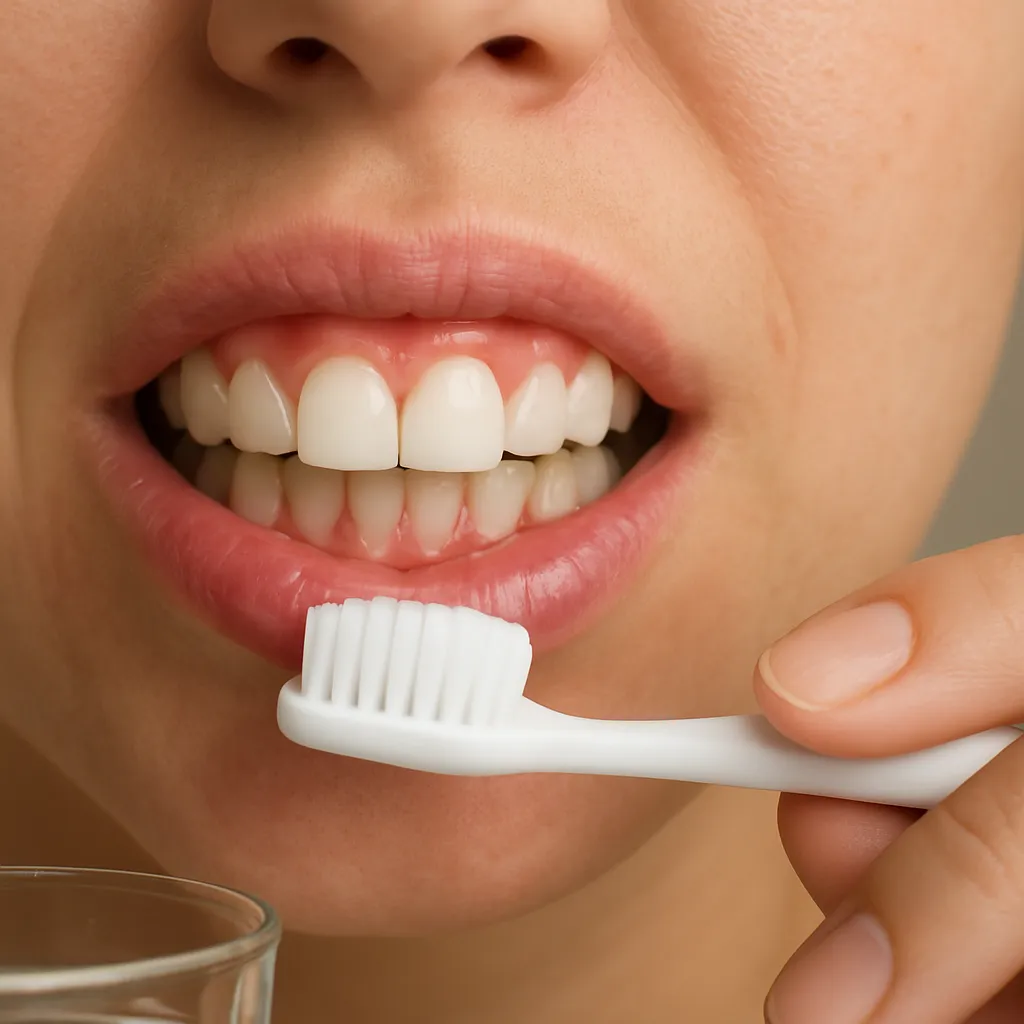
Proper Brushing Method
- Use a soft-bristled toothbrush and fluoride toothpaste.
- Hold the brush at a 45° angle, gently massaging the gumline in circular motions.
- Brush for at least two minutes, covering all tooth surfaces.
- Replace your toothbrush every three months or sooner if bristles fray.
Daily Flossing Routine
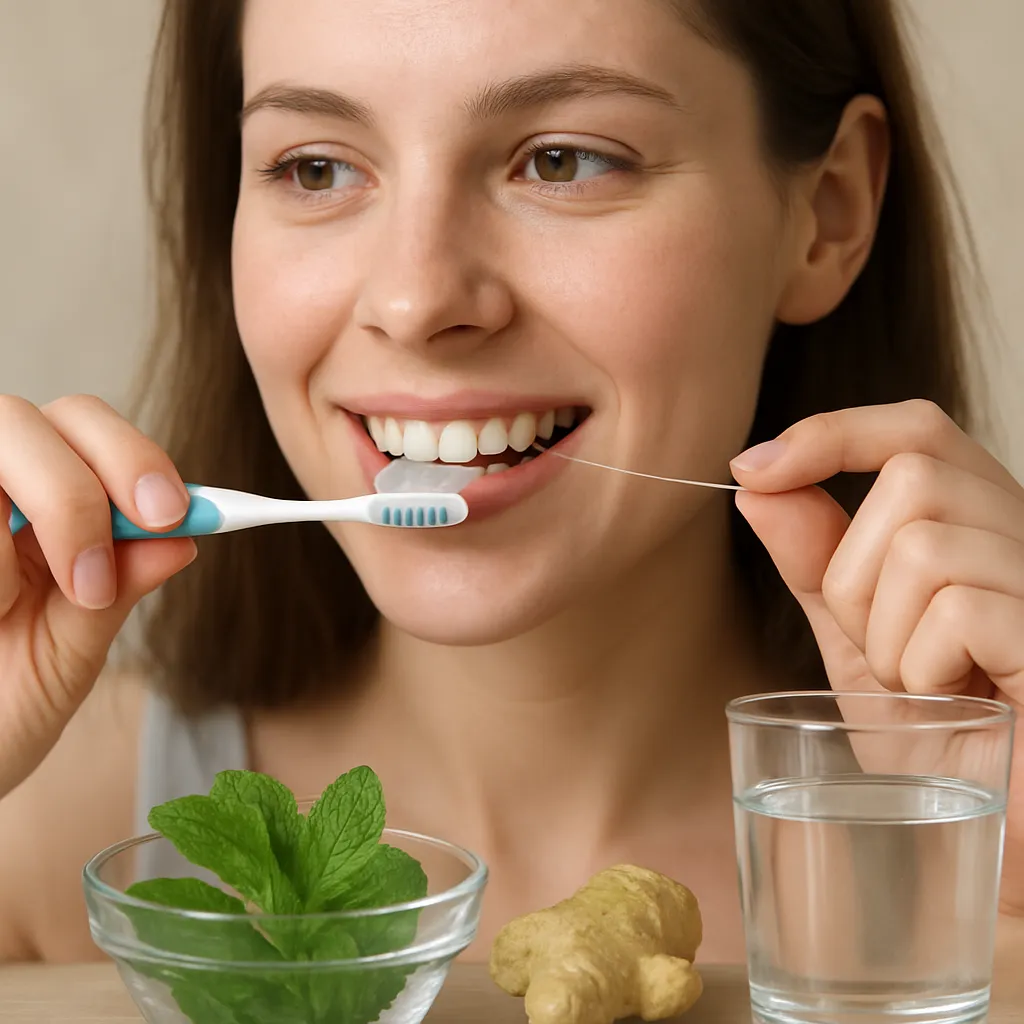
Flossing removes debris between teeth and stimulates the gums. Slide the floss gently up and down, curving it around each tooth. Consistent flossing prevents inflammation and reduces the risk of periodontal pockets.
Use of Antibacterial Mouthwashes
Natural mouthwashes containing tea tree oil, eucalyptus, or peppermint can help control bacterial populations without harsh chemicals. Swish for 30 seconds after brushing or flossing for additional protection.
Interdental Brushes and Water Flossers
For those with tight contacts or braces, interdental brushes or water flossers can reach areas that traditional floss may miss. These tools enhance debris removal and support gum health.
Integrating Probiotics and Supplements
Oral Probiotics
Emerging research suggests that beneficial bacteria—probiotics—can outcompete harmful strains in the mouth. Look for lozenges or powders containing strains like Streptococcus salivarius K12 to support a balanced oral microbiome.
Key Supplements
- Vitamin D: Enhances calcium absorption for strong jawbones.
- Coenzyme Q10: May improve gum attachment and reduce inflammation.
- Omega-3 Fatty Acids: Anti-inflammatory properties that benefit periodontal tissues.
- Zinc: Supports tissue repair and immune function.
When to Seek Professional Advice
Despite diligent natural care, regular dental checkups remain critical. Professional cleanings remove hardened tartar that brushing alone cannot address. Notify your dentist if you experience persistent bleeding, swelling, bad breath, or tooth mobility. Early intervention can prevent irreversible damage and ensure long-term gum health.
By combining evidence-based natural remedies, targeted nutritional strategies, and consistent daily habits, you can effectively prevent gum disease and maintain a vibrant, healthy smile. Embrace these practices as part of your routine to nurture not only your gums but your overall well-being.