Taking your little one to the dentist can be an exciting milestone in their journey toward a healthy smile. A well-structured visit not only promotes prevention but also builds lasting positive habits. Understanding what to expect from a routine checkup helps both parents and children feel more at ease. In this article, we’ll explore key aspects of pediatric dental appointments, from the initial greeting to follow-up care, and offer tips for creating a stress-free environment for your child.
Importance of Early Dental Visits
Early dental care lays the foundation for lifelong oral health. Guidelines from leading dental associations recommend scheduling a child’s first visit by age one or whenever the first tooth appears. These appointments focus on gentle examinations and education rather than treatment, setting the stage for comfortable future visits.
Building Trust with the Dentist
A positive first impression is crucial. Dental offices designed for children often feature colorful decor, friendly staff, and a playful atmosphere. When children see smiling faces, toys, and warm greetings, they learn that the dentist’s chair is a place of care, not fear. Over time, regular exposure to this environment nurtures confidence and reduces anxiety.
Preventing Dental Issues
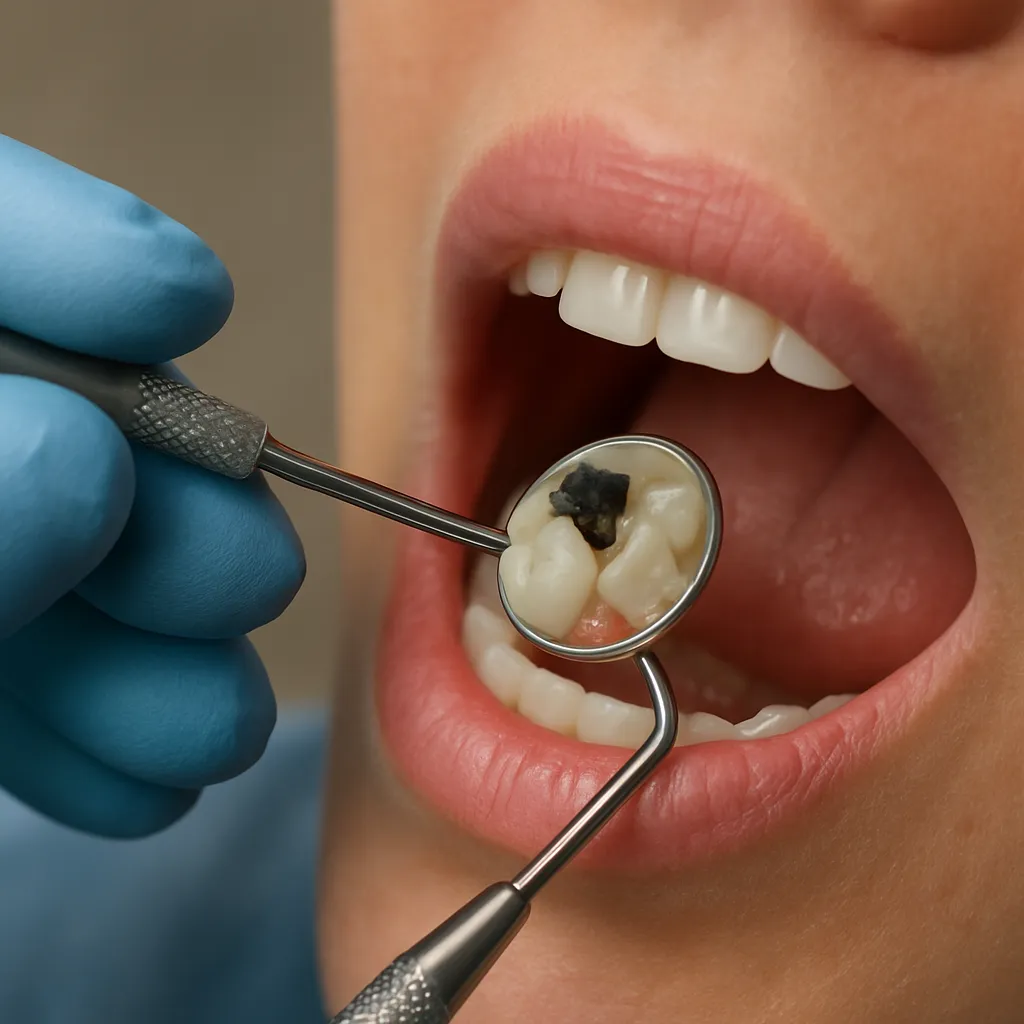
During early checkups, the dentist examines your child’s mouth for signs of tooth decay, malocclusion, and other potential problems. Identifying minor issues early on is far less invasive and more cost-effective than addressing advanced conditions. Areas of focus include proper bite alignment, jaw development, and the eruption pattern of permanent teeth.
What Happens During a Checkup
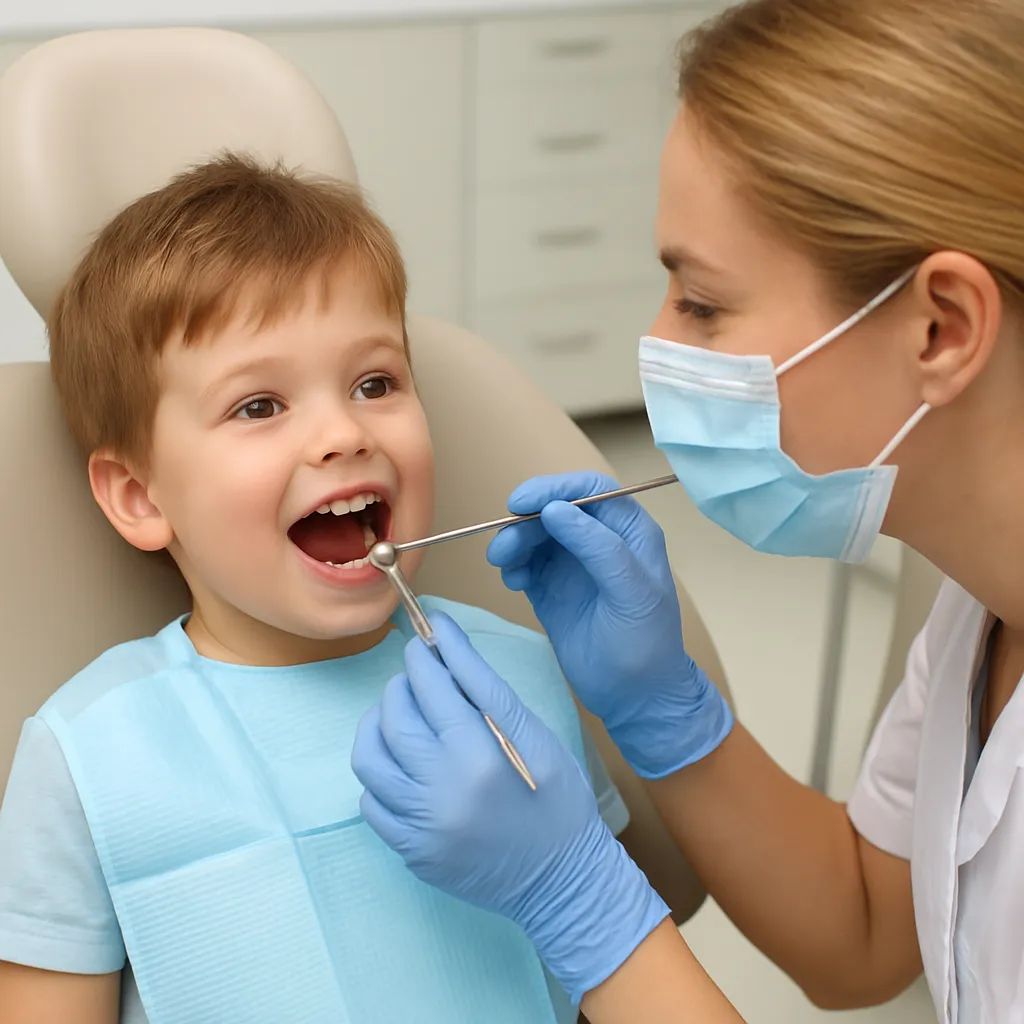
Understanding each step of a pediatric dental exam prepares you and your child for a smooth experience. Most appointments last between 30 and 45 minutes, with time allocated for examination, cleaning, and education.
Initial Examination
- Review of Medical History: The dental team will update information on any medications, allergies, and developmental milestones.
- Oral Inspection: Using bright lights and gentle tools, the dentist inspects the lips, gums, tongue, and teeth for signs of cavities, discoloration, and structural irregularities.
- Growth Assessment: Monitoring jaw and facial growth helps in detecting conditions that may benefit from early orthodontic intervention.
Professional Cleaning
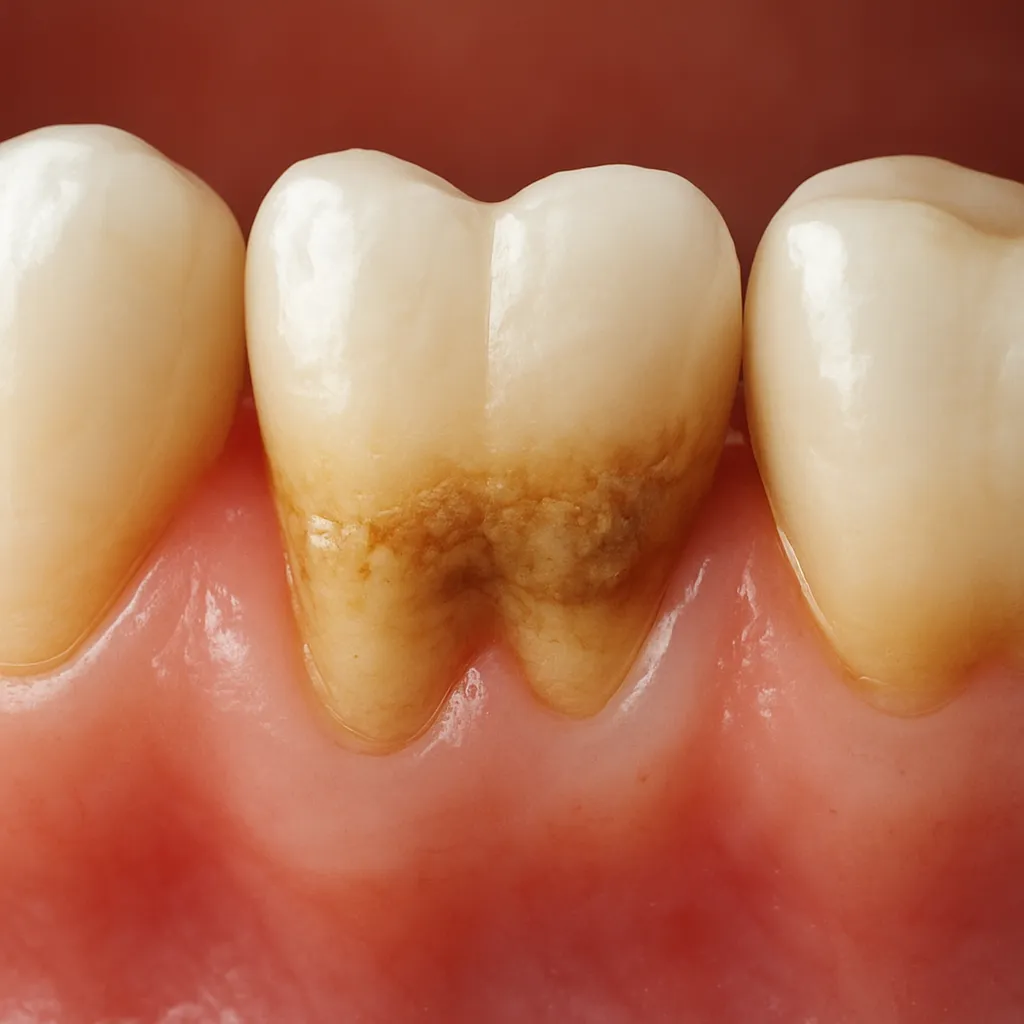
The hygienist uses child-sized instruments to remove plaque and tartar buildup, demonstrating proper brushing techniques. This step is vital for preventing gum disease and establishing effective daily oral care routines. Children often enjoy the tickling sensation of the polishing paste, turning cleaning into a fun experience.
Fluoride Treatment and Sealants
- Fluoride Application: A fluoride varnish or gel strengthens enamel and protects against acid attacks, reducing the risk of cavities.
- Dental Sealants: Thin plastic coatings are applied to the chewing surfaces of back teeth to block food particles and bacteria from creating pits and grooves.
Both procedures are painless and quick, offering long-term benefits in prevention of decay.
Creating a Positive Experience
Making dental visits fun and educational fosters a child’s willingness to return. Simple strategies at home and in the office can transform checkups from intimidating to enjoyable events.
Preparing Your Child
- Role Play: Pretend to be the dentist at home, using a toothbrush to “examine” stuffed animals’ teeth. This playful approach introduces tools like mirrors and suction cups without worry.
- Storytelling: Reading children’s books about dental visits helps normalize the experience. Look for characters who face the dentist bravely and earn praise for their cooperation.
- Open Dialogue: Use age-appropriate language to explain each step, emphasizing that the goal is to keep teeth strong and bright.
Toys, Games, and Distractions
Many pediatric practices offer interactive games, virtual reality headsets, and reward systems. Allowing a child to select a favorite toy or watch a short video during cleaning can significantly reduce perceived discomfort. These distractions help kids focus on fun rather than the dental tools.
Rewards and Follow-ups
After the appointment, praising your child and offering a small reward—like stickers or a healthy treat—reinforces positive behavior. Scheduling the next visit before leaving the office simplifies planning and keeps the momentum going. Regular six-month checkups maintain optimal routine care and catch any emerging issues early.
Tips for Parents to Support Healthy Habits
Home care is a critical component of pediatric dental health. Parental involvement ensures that daily habits complement professional care.
- Brushing Together: Brush your child’s teeth twice daily using a soft-bristled brush and a smear of fluoride toothpaste. Encourage them to hold the brush but guide their movements for thorough cleaning.
- Flossing Fundamentals: Once two teeth touch, introduce flossing. Demonstrate gentle back-and-forth motions to clean between teeth, preventing plaque accumulation.
- Balanced Nutrition: Limit sugary snacks and emphasize fruits, vegetables, lean proteins, and dairy products. Crunchy foods like apples and carrots naturally help scrub tooth surfaces.
- Water Intake: Encourage drinking water, especially after snacks. Fluoridated water contributes to enamel strength and rinses away food particles.
- Parental Example: Model good practices. When children see parents brushing and flossing regularly, they understand that oral care is an essential part of daily life.
When to Seek Specialized Care
While routine checkups address most needs, certain conditions may require referrals to pediatric specialists:
- Orthodontist: Early signs of malocclusion or overcrowding benefit from timely evaluation to guide jaw growth and tooth alignment.
- Endodontist: If a primary tooth experiences deep decay, a pulpotomy or pulpectomy may be necessary to alleviate pain and preserve the tooth until natural exfoliation.
- Oral Surgeon: In cases of severe dental trauma, surgical intervention can repair broken or knocked-out teeth and soft tissue injuries.
Collaborating with a multidisciplinary dental team ensures comprehensive care tailored to each child’s needs.
Embracing Modern Technologies
Advances in pediatric dentistry have introduced painless anesthetic techniques, digital X-rays with reduced radiation, and behavior-management strategies that cater specifically to young patients. Many practices now offer modern equipment such as intraoral cameras that display live images of your child’s mouth on a screen, turning education into an interactive session. These tools enhance accuracy and make children more involved in understanding their dental health.
Maintaining Momentum Between Visits
Consistency is key. Parents can empower children by setting up reward charts for daily brushing, providing educational apps focused on flossing and diet, and celebrating milestones like first cavity-free appointment. Positive reinforcement and ongoing communication with your dental office ensure any concerns are addressed promptly, keeping your child excited about their next checkup.