Discovering a broken filling can be alarming, but understanding the steps to address the issue quickly can save you from further discomfort or damage. This guide will walk you through recognizing the problem, applying short-term fixes at home, and seeking the professional care you need for a lasting restoration.
Recognizing the Signs of a Damaged Filling
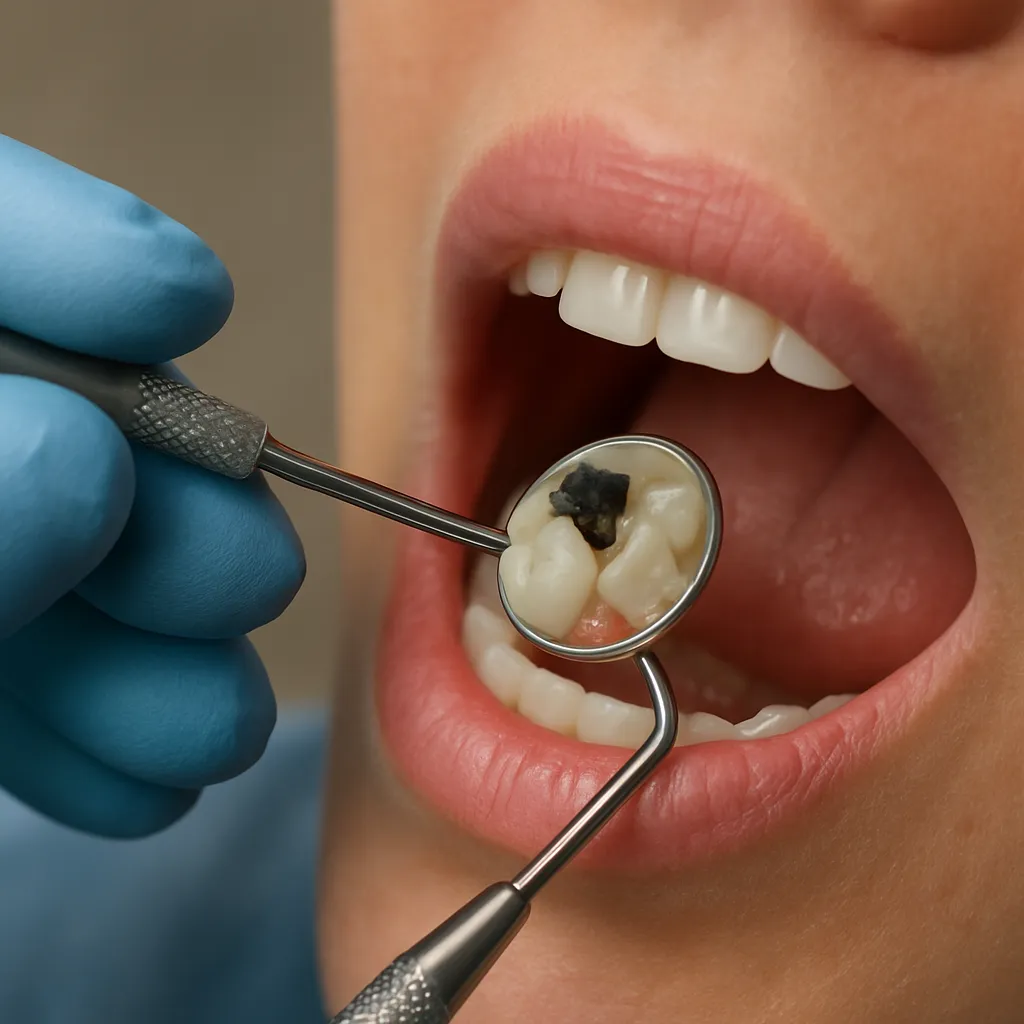
A broken filling does not always produce immediate pain, but subtle clues can indicate a compromised dental restoration. Early detection allows you to prevent more serious complications, such as infection or further tooth decay.
Visual Indicators
- Visible cracks or gaps in the filling material
- Discolored or chipped edges where the filling meets the tooth enamel
- Loose fragments of amalgam or composite resin
Functional and Sensory Cues
- Increased sensitivity to cold, hot, or sweet foods
- Sharp or shooting pain when biting down or chewing
- A rough or jagged feeling on the chewing surface
If you notice any of these warning signs, acting promptly can reduce your risk of infection or the need for more extensive treatment such as a crown or root canal.
Temporary Home Remedies for Immediate Relief
While a home remedy cannot replace professional dental care, it can provide temporary relief and protect the exposed tooth surface until you can visit your dentist.
Pain Management Techniques
- Rinse with warm salt water to cleanse the area and reduce inflammation.
- Apply over-the-counter pain relievers following label instructions.
- Use a cold compress externally to minimize swelling and dull aching.
Protecting the Exposed Tooth
- Purchase dental cement from a pharmacy to fill the gap temporarily.
- Avoid sticky, hard, or extremely hot foods that can worsen the damage.
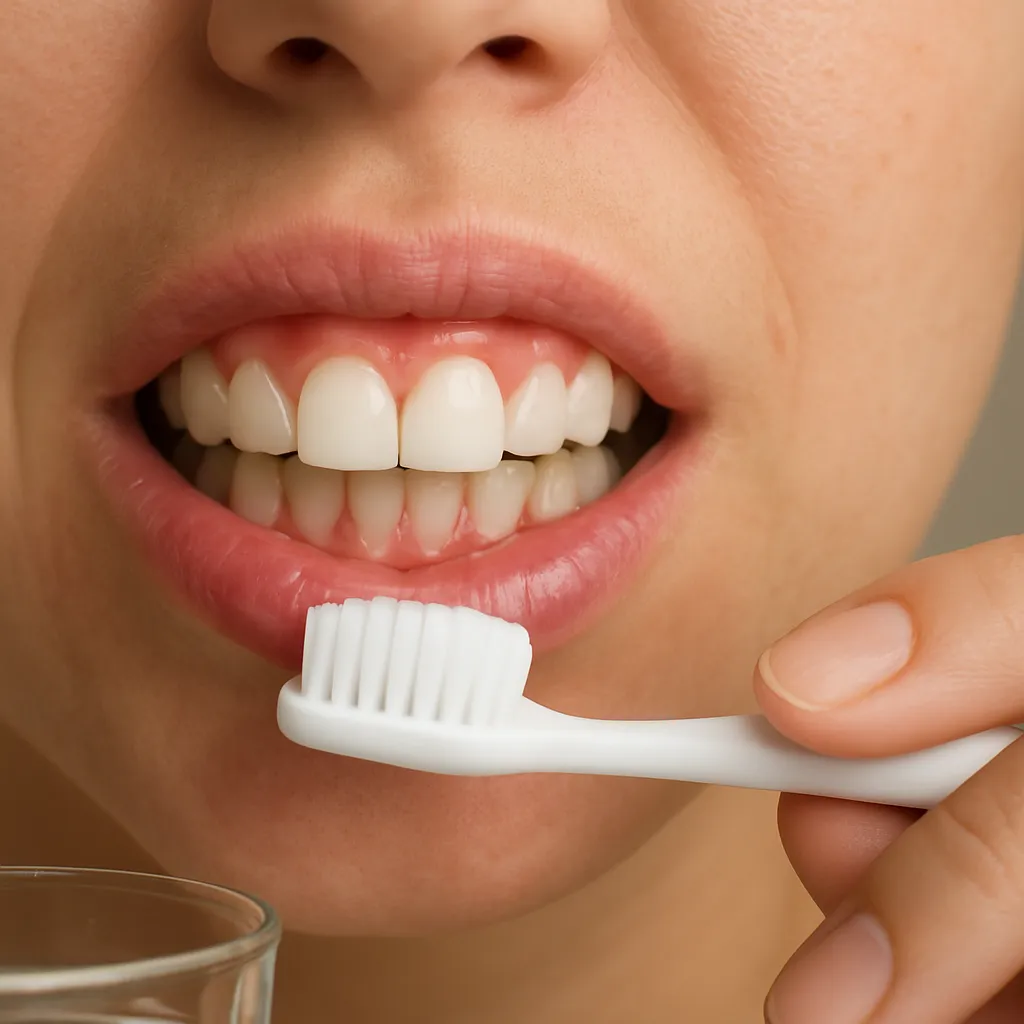
- Maintain excellent dental hygiene by brushing gently and flossing carefully around the damaged area.
Although these steps can reduce discomfort, it is crucial to schedule a dental appointment within 24–48 hours to properly address the broken filling.
Professional Treatment Options
Once you see your dentist, several treatment paths are available depending on the severity of the damage and the location of the filling. Your dentist will evaluate your tooth’s condition and recommend the most appropriate restoration.
Filling Repair or Replacement
If the damage is minor and the underlying tooth is healthy, the dentist may remove the old filling material and place a new one in the same visit. Options include:
- Composite resin: Tooth-colored material that blends seamlessly.
- Amalgam: Resistant and durable for back molars.
- Glass ionomer: Releases fluoride to help prevent decay.
Inlays and Onlays
For larger cavities or damaged areas that are too extensive for a simple filling, an inlay or onlay may be recommended. These restorations are custom-fabricated in a lab and then bonded securely to your tooth using a strong adhesive.
Crowns and Advanced Solutions
When the tooth structure is significantly weakened or if there is existing decay under the filling, your dentist might suggest a full coverage crown. This option provides maximum protection and restores full function. In the worst‐case scenario, if the pulp is infected, a root canal treatment may be necessary before placing a crown.
Preventing Future Filling Breakages
Long-term success hinges on adopting habits and treatments that reduce stress on your restorations and safeguard your dental health.
Maintain Regular Dental Visits
- Schedule cleanings and check-ups every six months.
- Have your fillings examined for wear and tear during each visit.
- Discuss any bite adjustments or nightguard options to mitigate bruxism.
Enhance Your Daily Routine
- Brush twice daily using fluoride toothpaste.
- Floss gently at least once a day to remove debris from between teeth.
- Limit acidic or sugary foods that can undermine the bond between tooth and filling.
Protective Measures
- Wear a custom mouthguard for sports activities.
- Address tooth grinding (bruxism) through stress management or specialized appliances.
- Consider dietary supplements such as calcium and vitamin D for stronger enamel.
By combining attentive home care with routine professional oversight, you can extend the lifespan of your restorations and minimize the chance of discovering another broken filling in the future. Always consult your dentist at the first sign of trouble to ensure prompt, effective treatment.