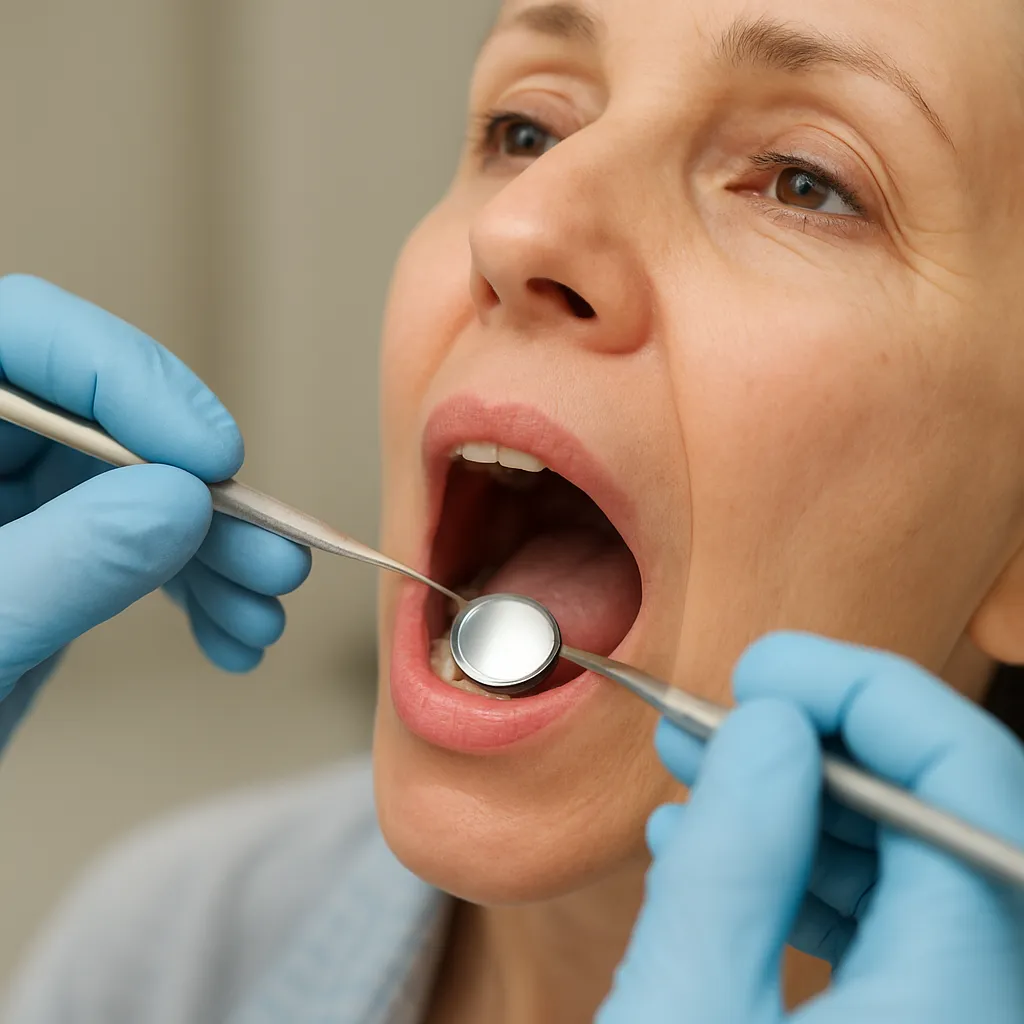
Preparing for a dental implant procedure involves more than just scheduling an appointment. A thorough approach starts weeks before the actual surgery, focusing on overall health, dietary adjustments, and mental readiness. By understanding each step and following precise instructions, patients can reduce complications, minimize infection risks, and support rapid healing. This comprehensive guide outlines essential steps to ensure your journey toward restored smile and improved oral function is as smooth as possible.
Understanding Dental Implants
Before diving into preparations, it’s crucial to grasp what a dental implant truly is. An implant mimics the function of a natural tooth root, anchoring a crown, bridge, or denture securely in the jawbone.
What Is a Dental Implant?
A dental implant consists of three main components: the fixture (titanium post), the abutment, and the prosthetic crown. Over months, the jawbone fuses to the implant through osseointegration, creating a stable foundation. This process distinguishes implants from traditional bridges or dentures and explains the critical role of healthy bone and gums.
Types of Implants
- Endosteal implants: Placed directly into the jawbone, the most common choice for patients with adequate bone density.
- Subperiosteal implants: Positioned on top of the bone but under the gum, beneficial when bone height is insufficient.
- All-on-4 technique: Uses four strategically placed implants to support a full arch of teeth, reducing treatment time and complexity.
Pre-Procedure Preparations
Proper preparation begins during your initial consultation. An accurate assessment determines your candidacy and helps plan a personalized approach.
Comprehensive Consultation & Assessment
- Review medical history: Ensure you disclose chronic conditions, medications, and allergies to gauge surgical risk.
- Dental examination: Your dentist evaluates oral hygiene, examines gum health, and detects potential issues like untreated cavities.
- 3D imaging and X-rays: Crucial for assessing bone quality and quantity, mapping nerve locations, and determining implant positioning.
Medical Clearance and Medication Management
Patients with conditions such as diabetes or cardiovascular disease may require medical clearance. Adjustments to blood-thinning medications or antibiotics might be prescribed to prevent excessive bleeding and minimize the risk of infection. Always follow your dentist’s or physician’s guidance when modifying prescriptions.
Pre-Operative Instructions
- Smoking cessation: Tobacco impairs blood flow, delaying healing and increasing failure rates. Ideally, quit at least two weeks before surgery.
- Adjust diet: Transition to soft, nutrient-rich foods that support bone health—leafy greens, dairy, and lean proteins.
- Oral hygiene protocol: Use an antimicrobial mouthwash, practice gentle brushing, and floss daily to reduce bacterial load.
Day of the Procedure
The day you arrive for your implant surgery, a calm and organized approach ensures optimal efficiency and patient comfort.
Fasting and Arrival Guidelines
- Fasting requirements: If you’ll receive general anesthesia or IV sedation, refrain from eating or drinking for at least six to eight hours pre-surgery.
- Arrival time: Arrive at least 30 minutes early to complete paperwork and pre-operative checks.
- Comfort measures: Wear loose, comfortable clothing. Avoid heavy makeup or jewelry, and tie back long hair to maintain a sterile environment.
Anesthesia and Pain Management
Your dentist may offer local anesthesia, IV sedation, or general anesthesia, depending on the complexity of the case and your anxiety level. Discuss pain management strategies beforehand. Prescribed medications often include:
- Nonsteroidal anti-inflammatory drugs (NSAIDs) to reduce swelling.
- Analgesics for post-op pain control.
- Antibiotics to prevent infection.
Post-Surgery Immediate Care
Right after implant placement, gentle care reduces complications:
- Control bleeding: Bite softly on gauze and replace regularly until bleeding subsides.
- Manage swelling: Apply cold packs in 20-minute intervals for the first 24–48 hours.
- Rest: Keep your head elevated and avoid strenuous activity for at least two days.
Supporting Optimal Healing and Long-Term Success
After your implant surgery, diligent care and regular follow-ups pave the way for a durable, functional restoration.
Oral Hygiene Routine
Maintaining pristine hygiene around the implant site prevents peri-implantitis. Recommended steps include:
- Gentle brushing: Use a soft-bristled toothbrush and low-abrasive toothpaste.
- Interdental cleaning: Floss carefully or use water flossers to clear debris between teeth and implant.
- Mouth rinses: Rinse with a chlorhexidine or saltwater solution as directed to control bacterial growth.
Dietary Recommendations
As the surgical site heals, follow a staged diet plan:
- Days 1–3: Pureed and liquid foods (smoothies, broths, yogurt).
- Days 4–14: Soft solids (mashed potatoes, scrambled eggs, soft fish).
- After two weeks: Gradually reintroduce firmer foods, avoiding sticky or very hard items that could stress the implant.
Follow-Up Visits and Monitoring
Regular check-ups allow your dentist to:
- Monitor bone integration and gum tissue health.
- Adjust abutments or temporary restorations as needed.
- Provide professional cleanings to maintain the implant’s integrity.
Lifestyle Considerations
Several habits support the longevity of your implant:
- Avoid tobacco and limit alcohol consumption.
- Maintain overall health with balanced nutrition and regular exercise.
- Wear protective mouthguards if you play contact sports or grind your teeth at night.