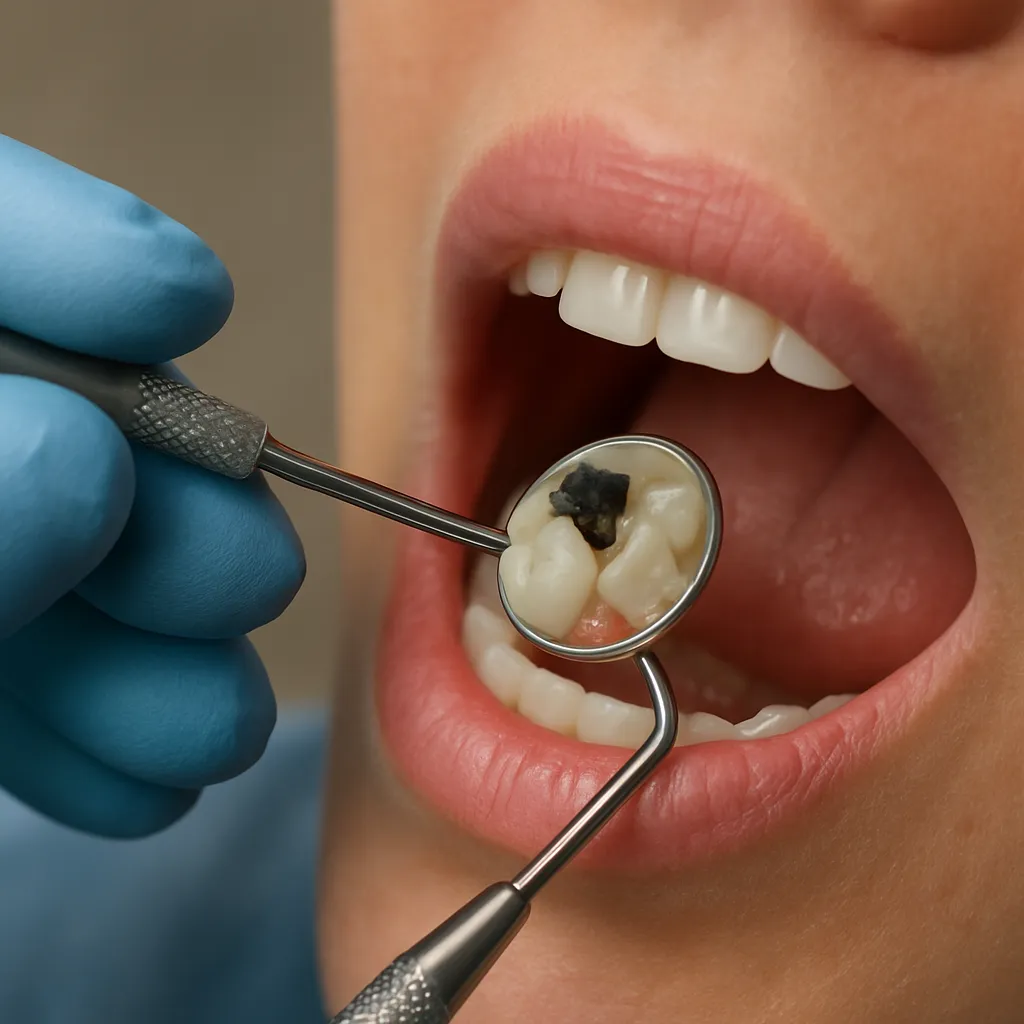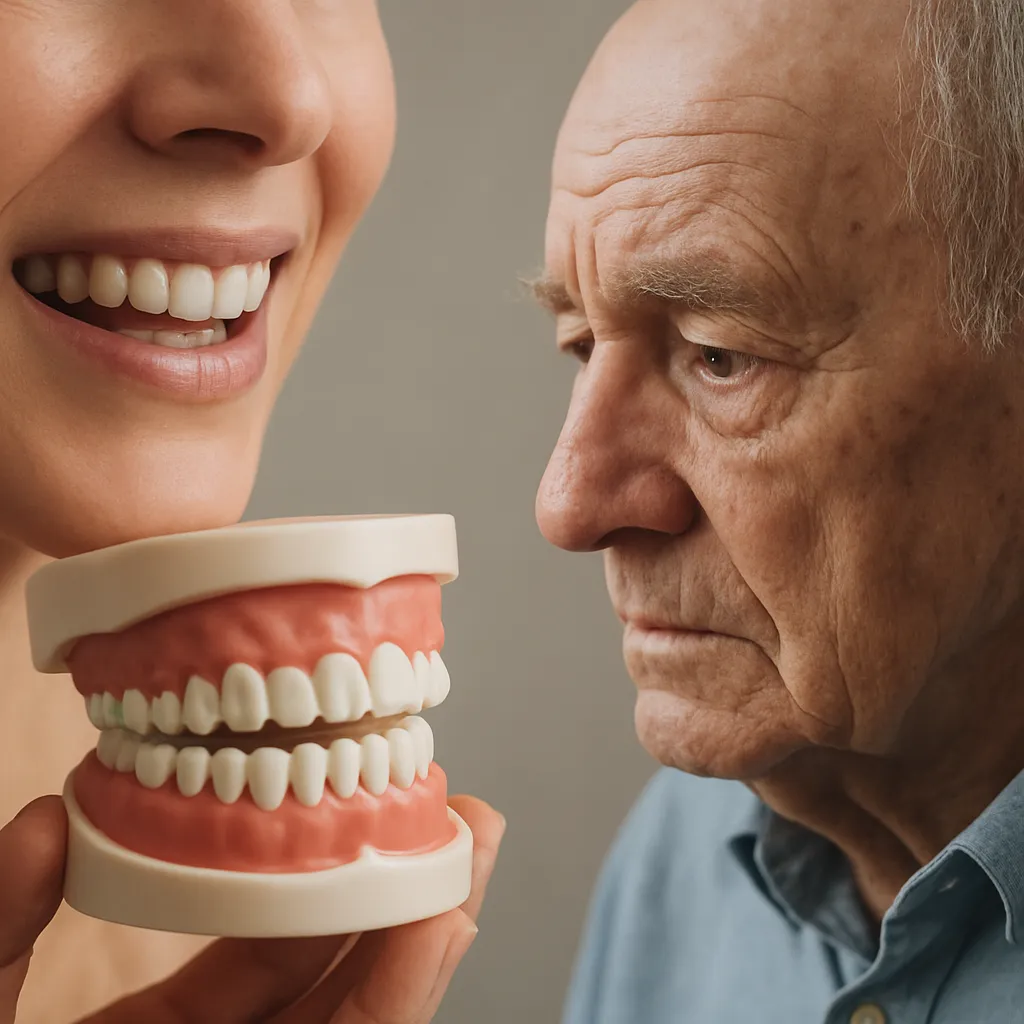
Emerging research highlights a compelling link between **oral health** and the development of **Alzheimer’s disease**, suggesting that the mouth may serve as a gateway to the brain. Dentists are uniquely positioned to identify early warning signs of systemic conditions by observing changes in the oral cavity. This article explores how **periodontal pathogens**, systemic **inflammation**, and microbial invasion may contribute to **neurodegeneration**, and outlines strategies dental professionals can adopt to mitigate risk and support overall **cognitive health**.
Oral Microbiome and Brain Inflammation
The human mouth harbors a complex ecosystem of microorganisms known as the oral microbiome. Under healthy conditions, these bacteria live in balance. However, when dysbiosis occurs—often triggered by poor hygiene, smoking, or systemic disease—pathogenic organisms such as Porphyromonas gingivalis can dominate. Research indicates that bacterial toxins like gingipains can enter the bloodstream, cross the blood–brain barrier, and trigger a chronic inflammatory response in neural tissue.
- Bacterial translocation: Pathogens infiltrate vascular channels, reaching cerebral tissues.
- Pro-inflammatory cytokines: Elevated IL-1β, IL-6, and TNF-α levels aggravate neuronal stress.
- Microglial activation: Immune cells in the brain perpetuate an inflammatory cycle linked to plaque formation.
Such mechanisms may accelerate the deposition of **amyloid-beta** and hyperphosphorylated tau proteins, hallmark features of **Alzheimer’s pathology**. Early intervention in the oral cavity can thus be crucial to reducing this inflammatory cascade.
The Impact of Periodontal Disease on Cognitive Health
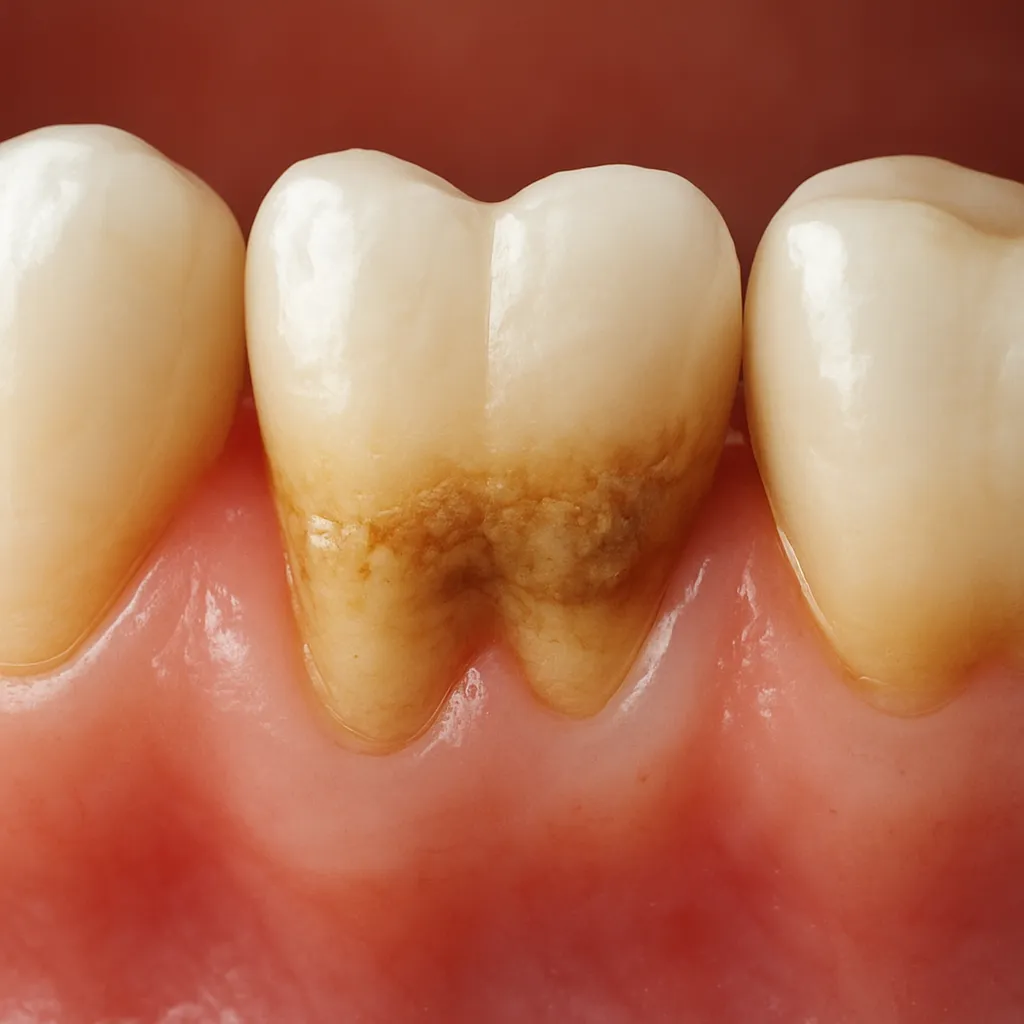
Periodontal disease affects nearly half of adults over 30 and is characterized by destruction of the supporting structures of teeth. Clinical studies reveal that individuals with moderate to severe periodontal pockets exhibit a higher risk of **cognitive decline** and dementia diagnoses. Periodontal pockets serve as reservoirs for **anaerobic bacteria**, which release endotoxins and proteolytic enzymes into circulation.
Mechanisms Linking Periodontitis to Neurodegeneration
- Systemic endotoxemia: Bacterial lipopolysaccharides (LPS) provoke widespread inflammation.
- Oxidative stress: Reactive oxygen species damage neuronal membranes and DNA.
- Vascular impairment: Chronic inflammation contributes to atherosclerosis, limiting cerebral blood flow.
Longitudinal cohort studies suggest that persistent periodontal inflammation may account for up to a 30% increase in risk for developing **Alzheimer’s disease**. This underscores the importance of regular periodontal assessments and timely intervention.
Diagnostic Challenges and Biomarkers
Identifying patients at heightened risk for Alzheimer’s in a dental setting requires a multidisciplinary approach. While cognitive testing falls outside the typical scope of dentistry, dentists can gather valuable data through medical histories and targeted questionnaires. Salivary diagnostics is an emerging field that may revolutionize early detection.
- Salivary biomarkers: Elevated levels of tau protein, beta-amyloid fragments, and specific microRNAs have been detected in patients with mild cognitive impairment.
- Crevicular fluid analysis: Probing for **inflammatory mediators** and bacterial DNA offers insights into systemic burden.
- Imaging collaboration: Referrals for MRI or PET scans can confirm cerebral amyloid deposition when clinical suspicion arises.
Dental clinics equipped with point-of-care testing devices could soon screen for **neurodegenerative biomarkers**, facilitating early interventions and referrals to neurology or geriatric specialists.
Preventive and Therapeutic Strategies in Dental Practice
Proactive dental care plays a pivotal role in minimizing the risk factors associated with Alzheimer’s. By integrating comprehensive oral-systemic protocols, practitioners can significantly impact long-term cognitive outcomes.
- Rigorous plaque control: Customized hygiene regimens to reduce bacterial load and plaque biofilm.
- Professional cleanings: Frequent scaling and root planing sessions to manage periodontal pockets.
- Anti-inflammatory therapies: Use of adjunctive antimicrobial rinses and local delivery of host-modulatory agents.
- Patient education: Emphasizing the connection between gum health and brain function to improve compliance.
- Interdisciplinary referrals: Collaboration with physicians, neurologists, and dietitians for holistic management of risk factors such as diabetes and hypertension.
Future innovations may include vaccines targeting keystone periodontal pathogens or therapeutics that enhance the brain’s **glymphatic clearance** of amyloid aggregates. Incorporating these advances into dental protocols can position clinicians at the forefront of **preventive neurology**.
Clinical Implications for Dental Professionals
Dentists and hygienists serve as frontline defenders in the battle against Alzheimer’s by maintaining oral homeostasis and educating patients about systemic connections. Implementing screening tools for cognitive function and integrating salivary diagnostics can transform routine dental visits into opportunities for early disease detection. By advocating for regular check-ups, promoting healthy lifestyle choices, and coordinating care with medical colleagues, dental teams can contribute to lowering the global burden of dementia.
Continued research into the oral–brain axis will refine our understanding of pathophysiological pathways and expand preventive tactics. Dental professionals who embrace this interdisciplinary paradigm will not only enhance patients’ oral well-being but also play a crucial role in safeguarding cognitive health throughout aging.