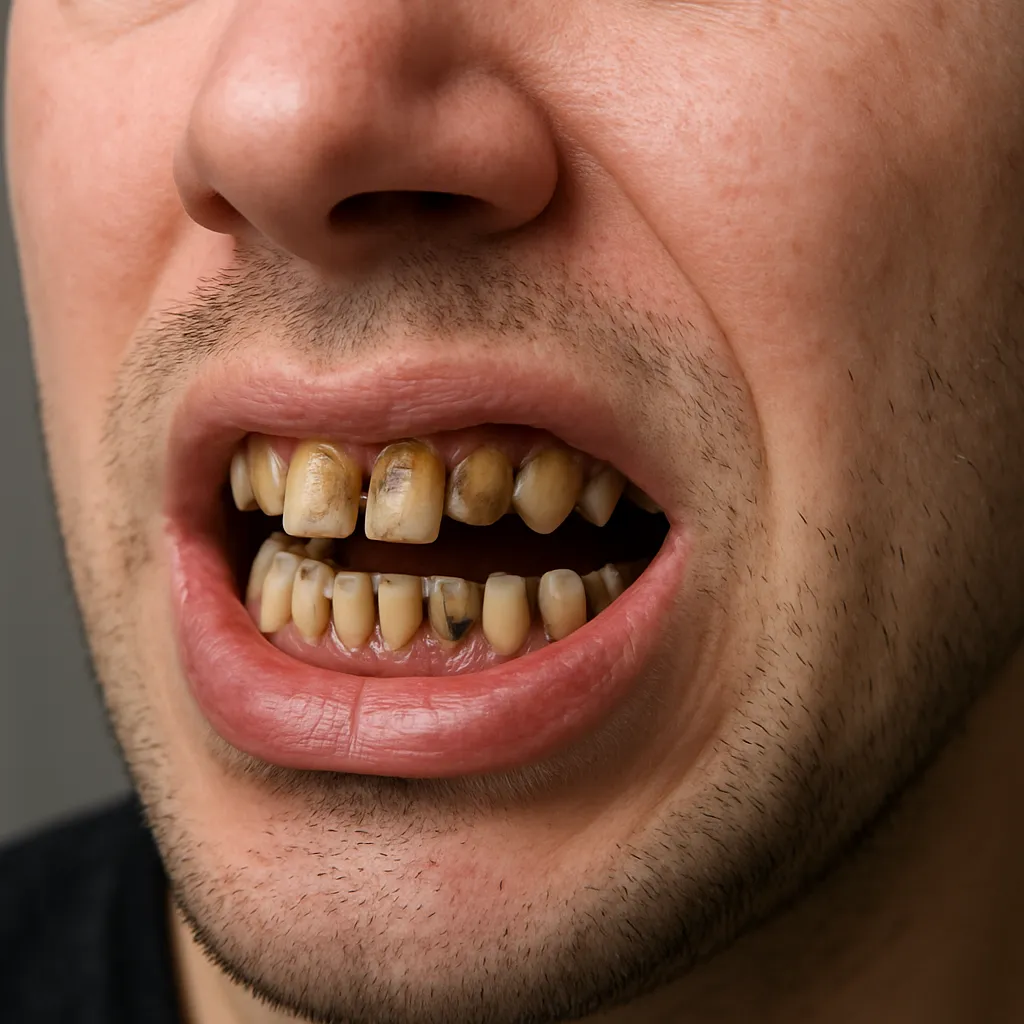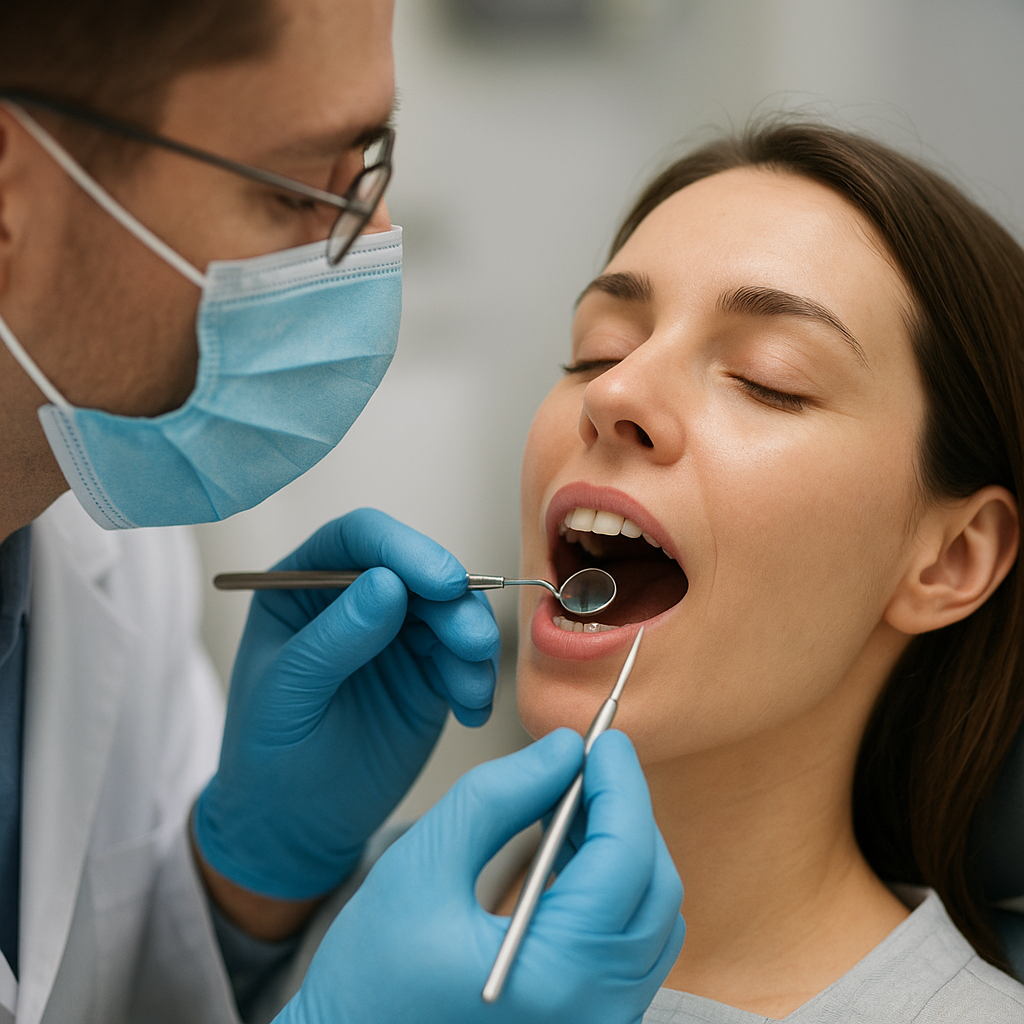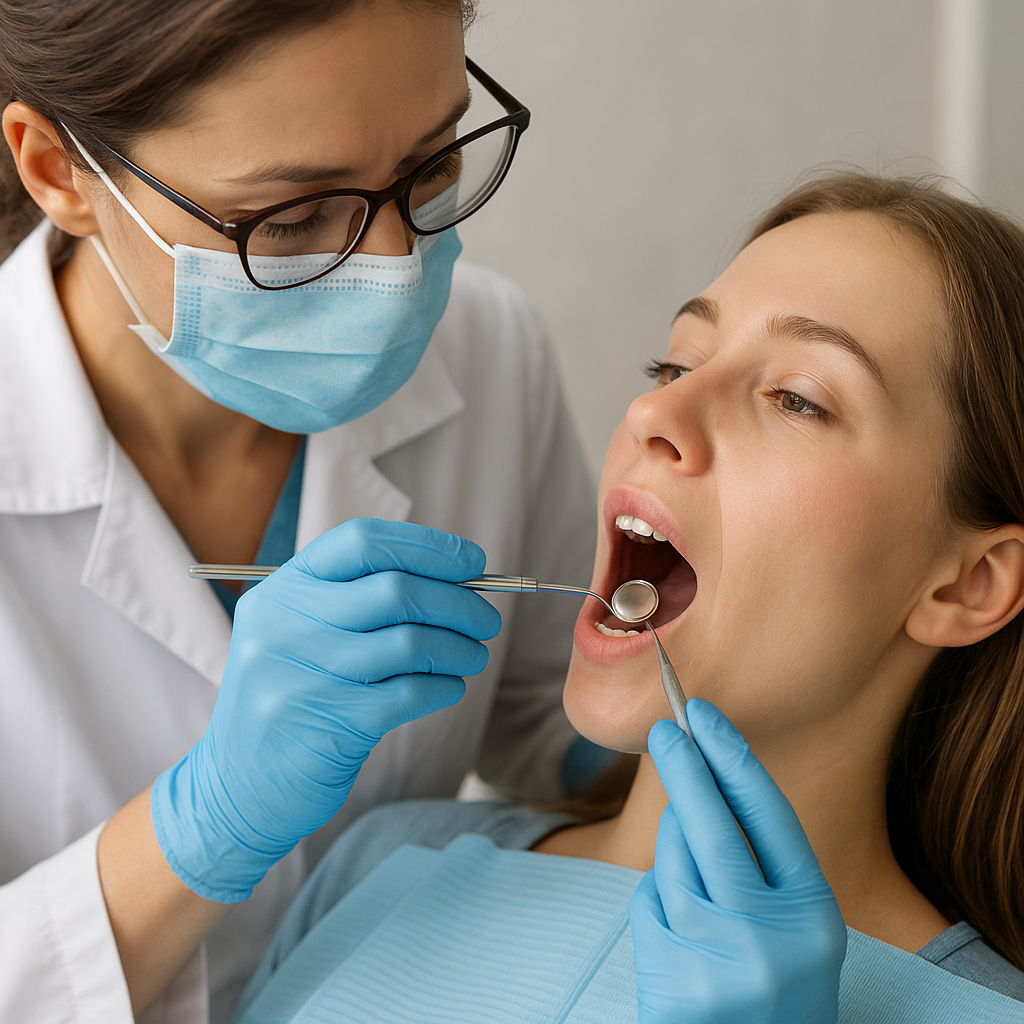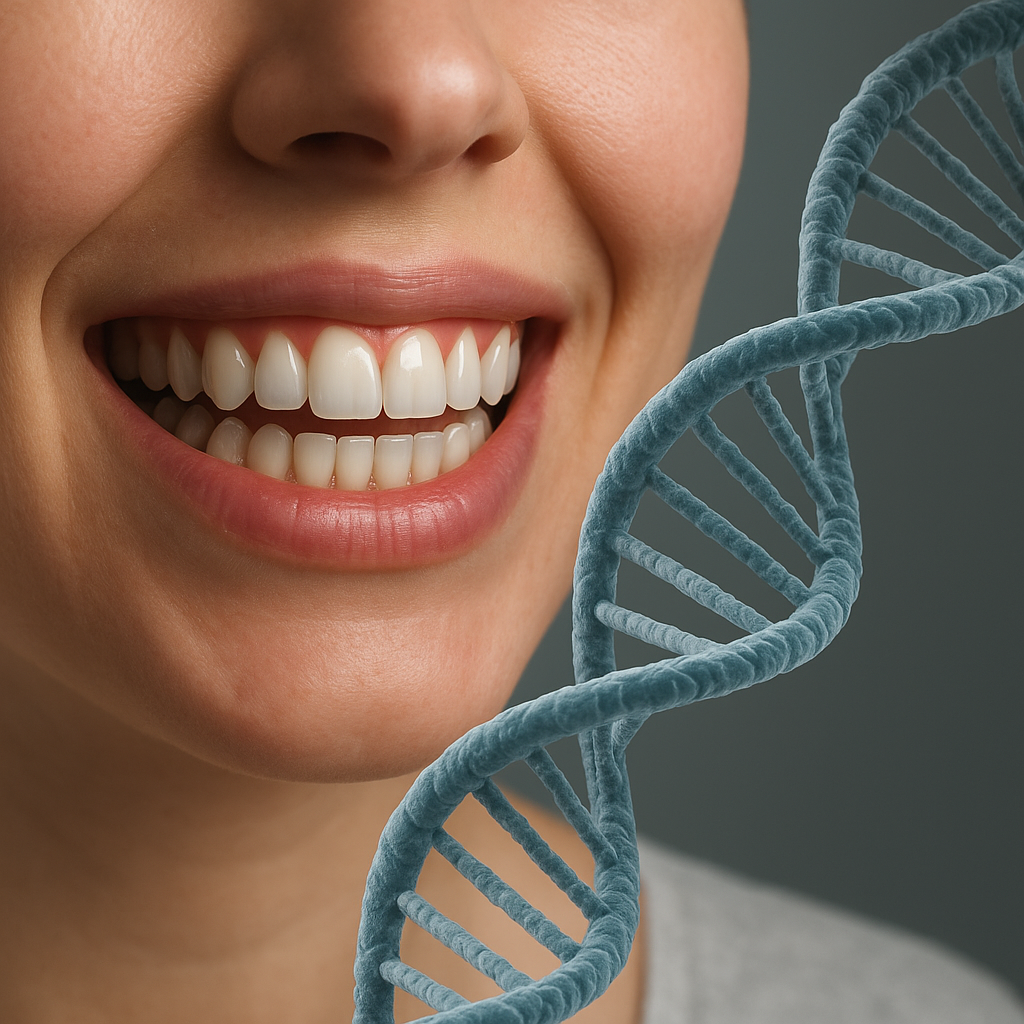
Genetic research has unveiled how our DNA shapes every aspect of oral health, influencing tooth formation, gum resilience, and susceptibility to infections. Dental professionals increasingly rely on genetic insights to tailor preventive measures and treatments. By examining hereditary factors, clinicians can better predict individual risks and recommend personalized care strategies.
Genetic Foundations of Tooth Development
From the earliest stages of embryonic growth, genes orchestrate the complex process of tooth morphogenesis. Specific signaling pathways regulate the proliferation and differentiation of cells that form the enamel, dentin, and pulp structures. Mutations in key developmental genes can disrupt these pathways, leading to congenital anomalies such as hypodontia or enamel hypoplasia.
Key Genes and Signaling Pathways
- MSX1 and PAX9: Critical for tooth number and shape.
- AMELX and ENAM: Encode enamel matrix proteins; defects can cause enamel defects.
- AXIN2: Associated with tooth agenesis and increased oral cancer risk.
Such genetic variations not only determine the number and shape of teeth but also affect mineralization quality. A child with a genetic predisposition to weak enamel may face a lifetime of increased caries risk, even with diligent oral hygiene.
Hereditary Influences on Tooth Eruption
Timing and sequence of eruption are also under genetic control. Delayed or early eruption can influence orthodontic needs and caries risk. Identifying family patterns helps dentists anticipate heredity-related deviations and plan interventions, such as space maintainers or growth monitoring, well before clinical complications arise.
Inherited Risks for Periodontal Disease and Oral Conditions
Gum diseases are multifactorial, but genetics plays a pivotal role in determining host response to bacterial biofilms. Variations in immune-regulation genes can lead to an exaggerated inflammatory response, tipping the balance from healthy gingiva to chronic periodontitis.
Immune Response and Inflammation
- IL1A and IL1B: Polymorphisms linked to elevated cytokine production and tissue breakdown.
- TNF-α: Variants associated with aggressive bone resorption.
- VDR: Vitamin D receptor gene influences bone density and pathogen defense.
Patients carrying these variants often exhibit more severe periodontal pockets and alveolar bone loss. Early genetic screening can pinpoint individuals at higher susceptibility, guiding clinicians toward more frequent maintenance visits and adjunctive therapies.
Genetic Factors in Oral Microbiome Composition
The oral microbiome is shaped not only by diet and hygiene but also by host genetics. Gene variants affecting saliva composition, mucosal receptors, and immune surveillance influence bacterial colonization patterns. Understanding these interactions helps predict periodontal risk and tailor antimicrobial strategies.
Personalized Preventive Strategies Based on Genetic Insights
Armed with genetic information, dentists can implement customized protocols that go beyond one-size-fits-all recommendations. This approach enhances preventive efficacy and optimizes patient outcomes.
Risk Assessment and Early Intervention
- Genetic testing panels identify variants associated with caries, enamel defects, and periodontitis.
- Biomarker analysis informs likelihood of rapid disease progression.
- Customized fluoride regimens and sealant placement for high-risk genotypes.
For example, a patient with AMELX mutations may benefit from increased topical fluoride applications, while someone with IL1B variants could receive more aggressive biofilm control and host modulation therapy.
Emerging Gene-Based Therapies
Innovative research aims to correct or mitigate deleterious mutations directly. Approaches include gene editing to bolster enamel matrix protein expression and RNA-based therapies to modulate inflammatory mediators. Though still in clinical trials, these techniques hold promise for long-term resistance to caries and periodontal breakdown.
Future Directions in Dental Genetics
As whole-genome sequencing becomes more accessible, integration of comprehensive genetic profiles into dental records will become routine. Practitioners will leverage big data to refine risk algorithms, combining genomic, epigenetic, and environmental variables. The goal is to shift from reactive treatment to proactive, personalized prevention.
- Development of polygenic risk scores for caries and periodontal disease.
- Integration of genetic counseling into dental education and practice.
- Validation of salivary biomarkers reflecting host-microbe interactions.
By embracing genetic advances, dental professionals can offer patients a tailored roadmap for maintaining lifelong oral health. Through targeted screening, preventive interventions, and eventual gene-based therapies, the era of precision dentistry is dawning.