Maintaining a bright smile and healthy gums relies on more than just brushing technique and toothpaste selection—it also involves knowing exactly when to swap out your toothbrush. Proper toothbrush replacement is a cornerstone of effective oral hygiene and can significantly reduce the risk of gum disease, tooth decay, and infection. This article explores expert guidelines on replacement intervals, offers practical care tips, and highlights the factors that influence the ideal timing for a new brush.
When to Replace Your Toothbrush
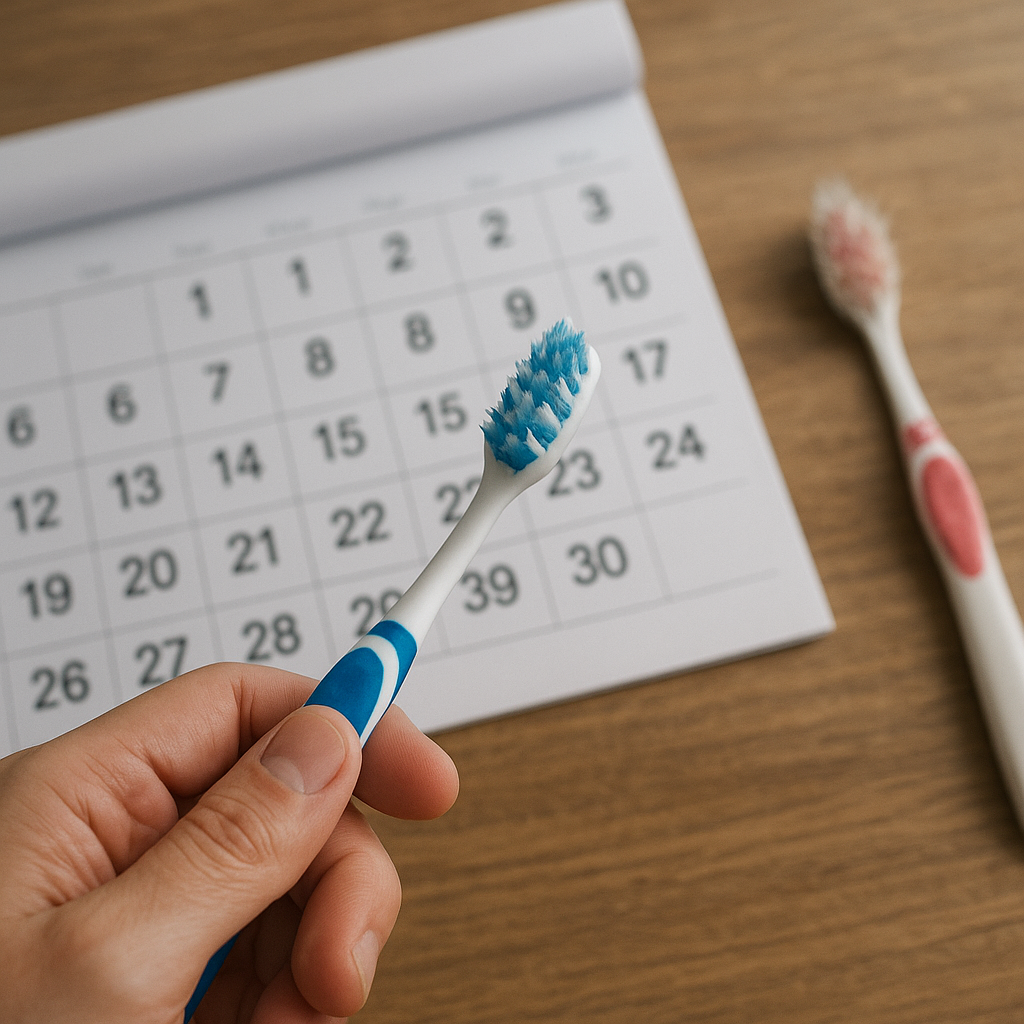
The general recommendation from most dental professionals is to replace a manual or electric toothbrush head every three months. However, this guideline may vary based on individual circumstances. Here are the primary considerations:
- Bristles Wear: Over time, bristles fray and lose their flexibility, becoming less effective at removing plaque and debris.
- Post-Illness Replacement: After a viral or bacterial illness, replacing your brush can prevent lingering bacteria from re-infecting your mouth.
- Manufacturer Instructions: Some electric toothbrush brands recommend specific replacement heads at set intervals for optimal performance.
Although three months is a sound baseline, certain conditions may call for more frequent renewal.
Signs Your Toothbrush Is Worn Out
Recognizing visible and subtle signs of toothbrush deterioration empowers you to act before your oral care routine suffers. Look out for these indicators:
- Frayed Bristles: When bristles no longer stand upright or splay outward, their ability to reach tight spaces diminishes.
- Discoloration: Staining on the bristles can signal built-up residue and bacteria growth.
- Softening: Overused bristles lose their firmness and won’t effectively break up food particles.
- Unpleasant Odor: A persistent smell, even after rinsing, suggests microbial colonies thriving in the brush fibers.
Frequent inspection—especially after the typical three-month period—ensures that your toothbrush remains in top condition for thorough cleaning.
Factors Affecting Replacement Frequency
While the three-month rule offers a useful baseline, personalized factors may necessitate a shorter or longer interval between replacements:
Brushing Intensity
Individuals who brush vigorously or apply excessive pressure can wear down bristles faster. Using a gentler technique and a softer brush may help extend lifespan slightly, although replacement at least every three months still holds true.
Oral Health Status
People with compromised immune systems, periodontal disease, or frequent mouth sores might benefit from replacing their toothbrush every six weeks to minimize infection risk.
Storage Environment
Keeping your toothbrush upright and letting it air-dry in an open area reduces the chance of moisture-laden bacteria growth. Storing brushes in a closed container can trap humidity and accelerate contamination.
Use by Multiple Users
Sharing a brush—even unintentionally among family members—transfers microbes and oral fluids. Assigning individual brushes and clear labeling help maintain safe hygiene practices.
Proper Toothbrush Care and Maintenance
Extending the life and efficacy of your toothbrush goes beyond timing replacements. Incorporate these daily routines:
- Rinse Thoroughly After every use, rinse the bristles under running water to remove toothpaste residue and loosened debris.
- Air-Dry Upright: Store your brush in a holder that permits airflow, preventing moisture accumulation and bacteria growth.
- Avoid Cross-Contamination: Keep brushes at least one inch apart if stored together, so bristles don’t touch.
- Disinfect Occasionally: Soak bristles in an antibacterial mouthwash for a few minutes once a week, then rinse well.
Maintaining these habits will ensure that your toothbrush remains a powerful ally in your oral care arsenal.
Special Considerations: Electric vs. Manual Toothbrushes
Electric toothbrushes deliver consistent motion and often feature built-in timers to assist with proper brushing time. Yet, their heads require periodic replacement too:
- Electric Heads: Replace every three months, or sooner if bristles show wear. Many models include colored bristle indicators that fade when it’s time for a change.
- Manual Brushes: Follow the same replacement cadence, focusing on bristle condition rather than brush age alone.
- Travel Brushes: If you use a compact or battery-powered travel brush frequently, check its bristles more often, as smaller heads may experience accelerated wear.
Whether electric or manual, the key to optimal performance lies in fresh bristles and an unblemished brush head.
Choosing the Right Replacement Timeline for You
Every person’s oral ecosystem is unique. Some individuals may find that their toothbrush shows fraying bristles at the eight-week mark, while others might not notice significant wear until closer to the three-month benchmark. Consult your dentist if you experience persistent gum sensitivity, unexplained bleeding, or chronic bad breath even after consistent brushing. These may signal that your brush isn’t cleaning effectively, indicating the need for earlier replacement.
By paying attention to bristle condition, adjusting for your personal brushing style, and following storage best practices, you can determine the perfect replacement schedule to maintain a healthy mouth and dazzling smile.