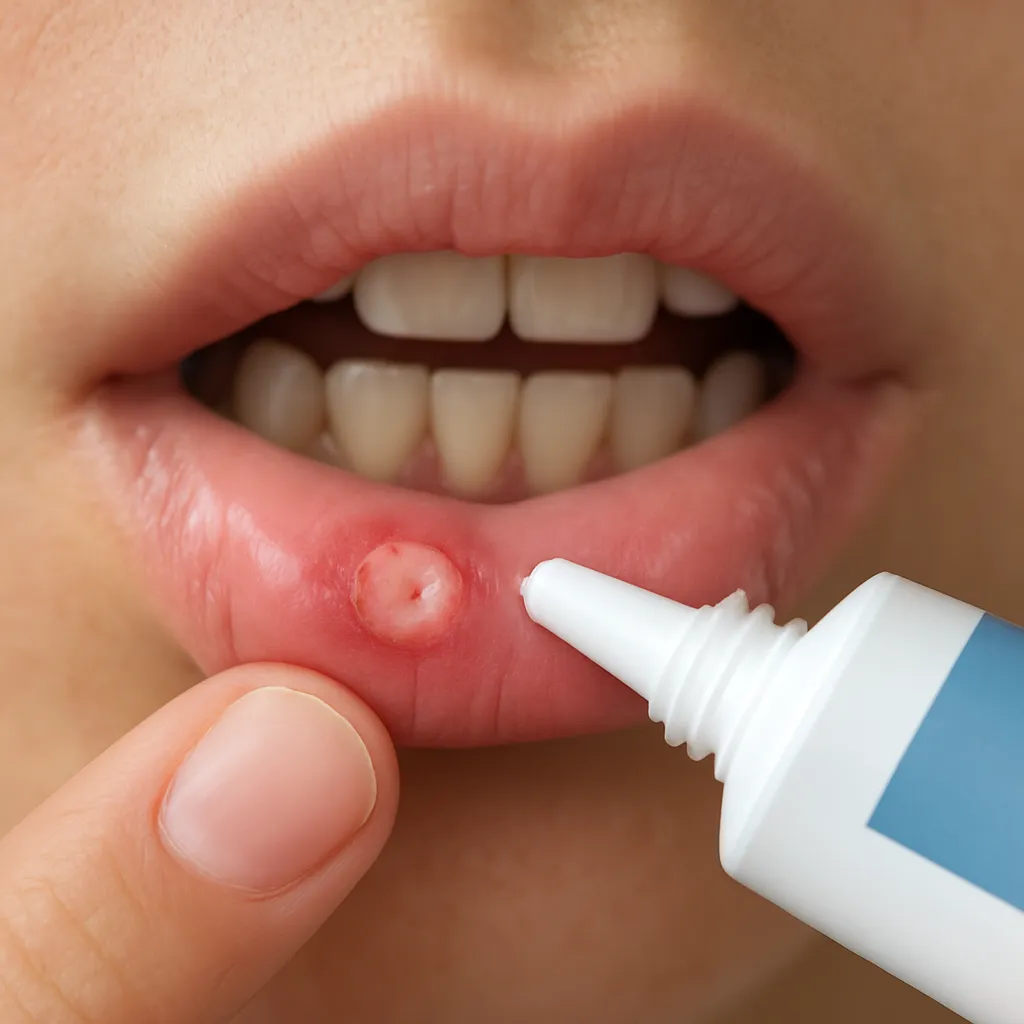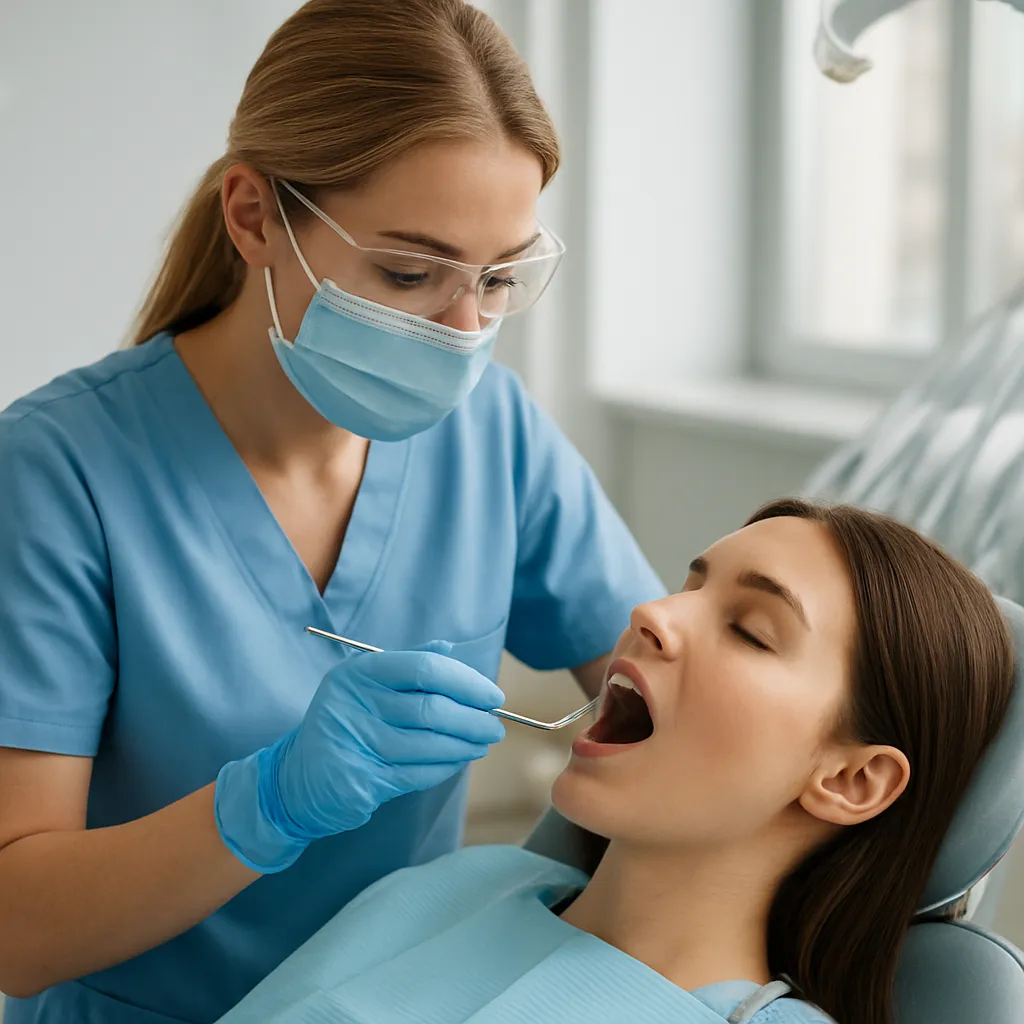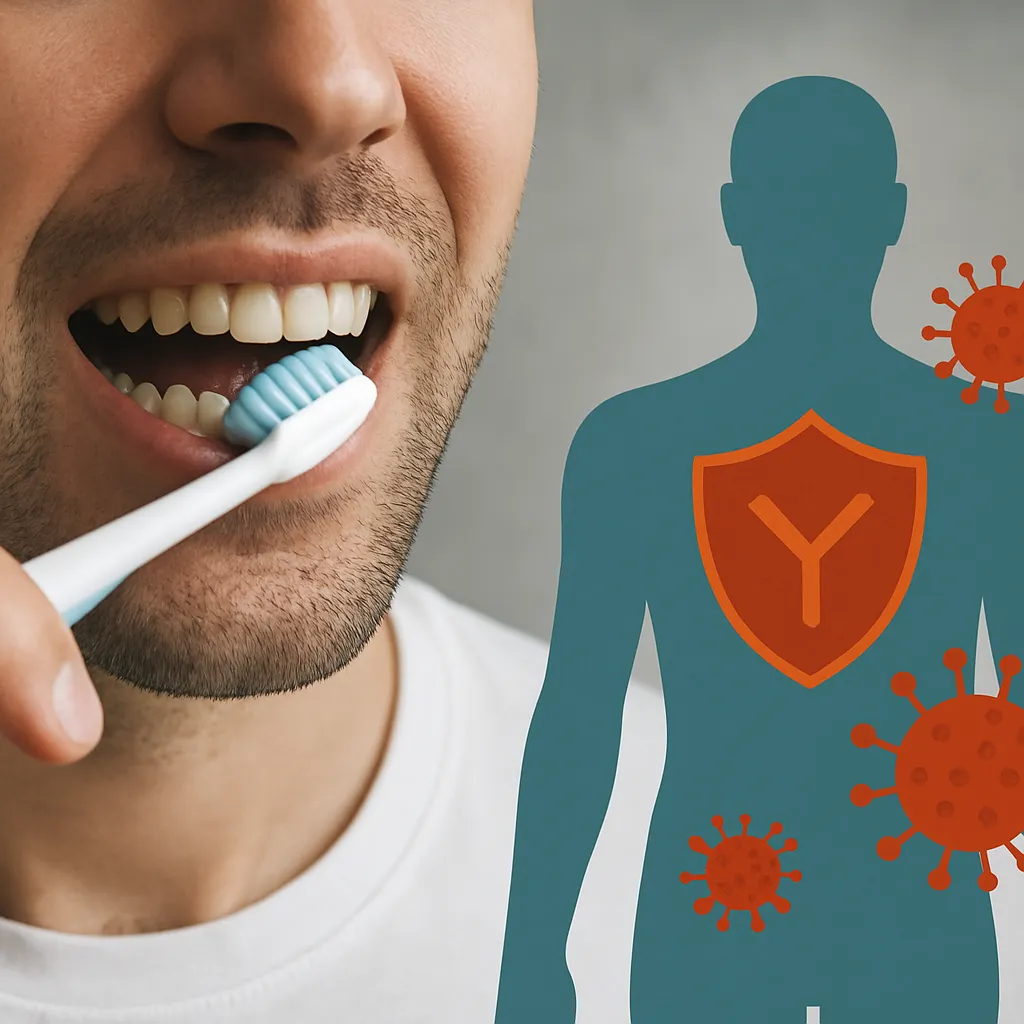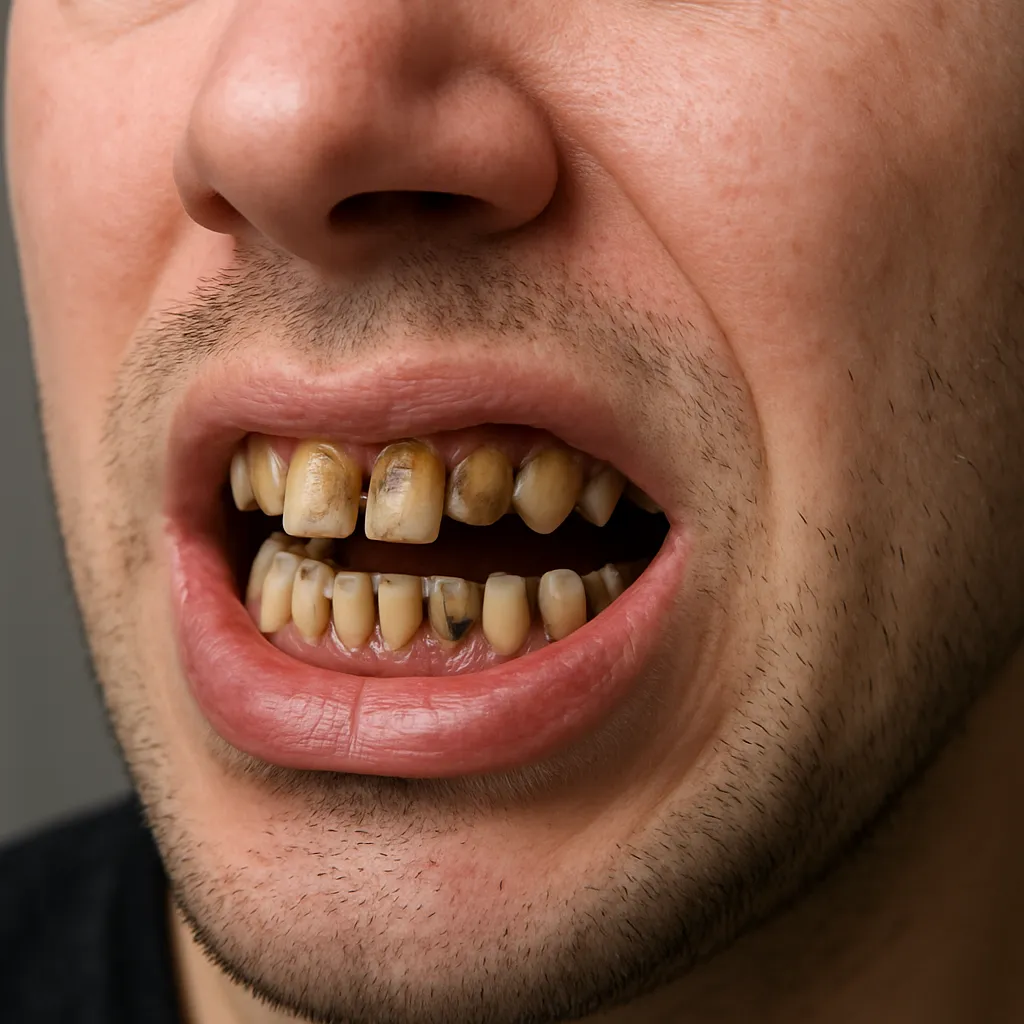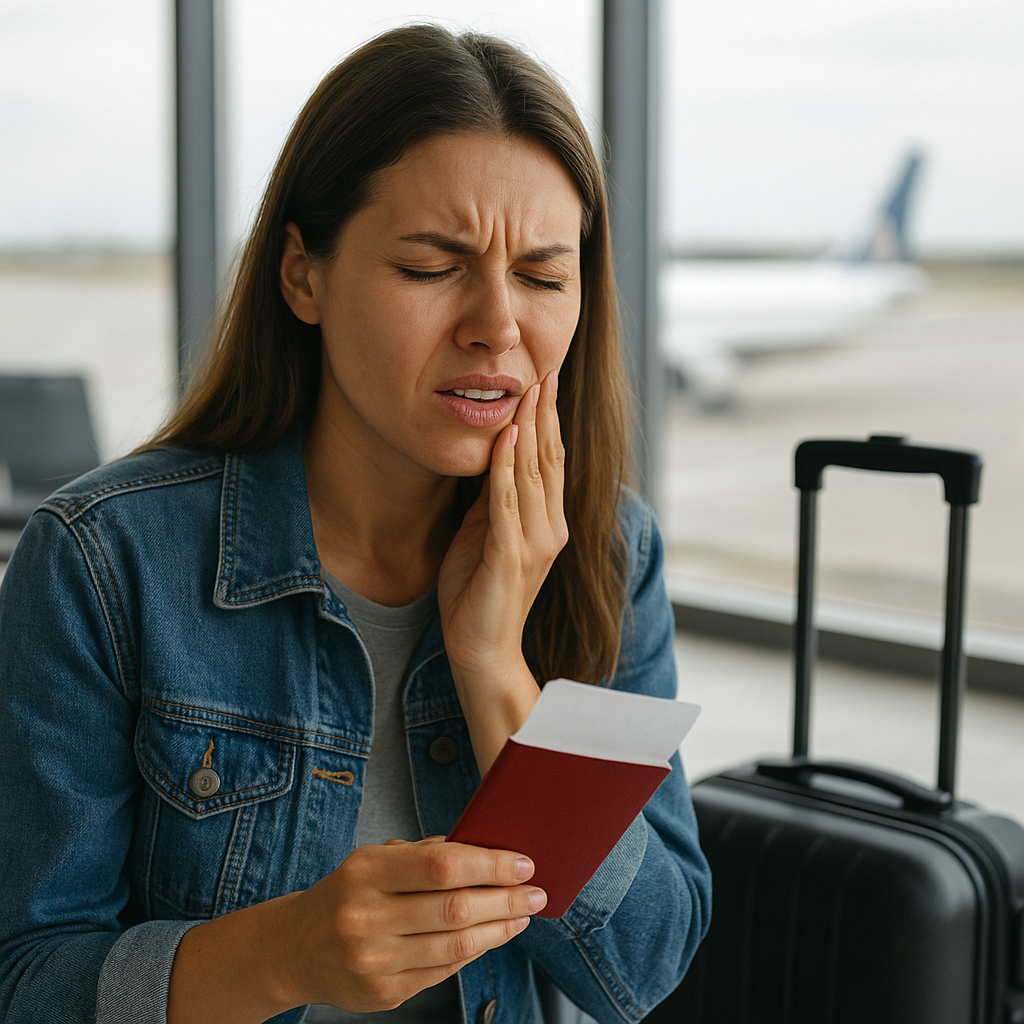
Traveling can be an exciting way to explore new places, but a sudden toothache or broken restoration can turn your adventure upside down. Understanding how to handle dental emergencies while on the move is essential for any traveler. This guide will walk you through common scenarios, proactive steps before departure, immediate at-home care, and strategies to locate professional help wherever you are.
Common Dental Emergencies on the Road
Whether you’re backpacking through rugged terrain or enjoying a luxury cruise, dental issues don’t check your itinerary. Recognizing the signs of a critical situation can help you act fast:
- Severe pain after biting into food – might indicate a fractured tooth or lost filling.
- Sudden swelling around the jaw or face – often a sign of an abscess or infection.
- Loose or avulsed (knocked-out) tooth – demands immediate attention to maximize chances of reimplantation.
- Soft tissue trauma – cuts to the lips, tongue, or cheeks that can bleed profusely.
- Damaged restorations – broken crowns, veneers, or bridges that leave sharp edges or expose sensitive dentin.
Identifying the Level of Urgency
Assess your symptoms quickly. If you experience uncontrolled bleeding, extreme pain, or systemic signs like fever, these fall under urgent care and may require hospital or emergency clinic treatment. For milder cases—such as a small chip or discomfort around a restoration—over-the-counter remedies and a delayed dental visit might suffice.
Preparing for Dental Mishaps Before Departure
Prevention and preparation can dramatically reduce the impact of dental emergencies abroad. Follow these steps to build a reliable safety net:
- Routine dental check-up – Schedule an exam and cleaning at least one month before you leave to address any hidden issues.
- Carry a dental emergency kit – Include temporary filling material, dental wax, sterile gauze, floss, and a small mirror.
- Research local dental providers – Note names, addresses, and contact info for English-speaking professionals in destinations on your route.
- Check your insurance coverage – Confirm whether your policy covers international dental care or consider travel insurance with dental add-ons.
- Learn basic self-care techniques – Find out how to manage bleeding, stabilize a loose tooth, and soothe inflamed gums.
Packing Essential Supplies
A well-stocked dental kit is your first line of defense:
- Temporary filling kits (eugenol-based material)
- Over-the-counter analgesics (ibuprofen or acetaminophen)
- Antiseptic mouthwash or chlorhexidine wipes
- Disposable gloves and sterile gauze pads
- Dental wax for sharp edges
- Small dental mirror and cotton rolls
Immediate At-Home Care and Over-the-Counter Solutions
If a dental issue arises in a location far from professional care, you can still manage symptoms effectively until you reach a clinic. Timely pain management and first aid reduce the risk of complications.
Pain and Swelling Control
- Apply a cold compress to the cheek for 15 minutes on, 15 minutes off to reduce swelling.
- Rinse gently with warm saltwater (½ teaspoon salt in 8 ounces of water) to soothe inflamed gums.
- Take recommended doses of over-the-counter painkillers; avoid aspirin if there’s significant bleeding risk.
- Keep your head elevated when resting to minimize throbbing.
Handling Loose or Knocked-Out Teeth
- If a tooth is merely loose, avoid chewing on that side and bite softly on sterile gauze to control bleeding.
- For an avulsed tooth, hold it by the crown (never the root), rinse briefly in saline or milk, and attempt reimplantation if you can reach a dentist within 60 minutes.
- If reimplantation isn’t possible, store the tooth in cold milk or a tooth preservation kit.
Managing Soft Tissue Injuries
- Clean the wound with saline solution to remove debris.
- Apply gentle pressure with a sterile gauze pad to control bleeding.
- Use a cold compress externally to reduce swelling.
- Avoid rinsing vigorously, which can disrupt clot formation.
Finding Professional Help Abroad
Locating a reliable dentist in an unfamiliar place is daunting, but these tips can streamline the process:
- Use international directories such as the International Association of Dental Traumatology (IADT).
- Contact your embassy or consulate for recommended medical contacts.
- Check local expat forums and social media groups for personal recommendations.
- Look for clinics with multilingual staff and modern equipment.
- Verify licenses and online reviews before committing to treatment.
Communication and Cultural Considerations
Clear communication is key to a successful dental visit abroad. Prepare a list of symptoms, medication names, and past dental history in the local language if possible. Respect cultural norms regarding healthcare, and be aware that some countries might use different treatment protocols.
Preventive Strategies to Avoid Emergencies
“An ounce of prevention is worth a pound of cure.” By adopting simple daily habits and mindful choices, you can lower the risk of a dental crisis:
- Avoid very hard or crunchy foods, especially if you have restorations.
- Maintain thorough oral hygiene with brushing and flossing twice daily.
- Stay hydrated to support salivary flow, which protects against decay.
- Use a mouthguard if you plan to engage in contact sports or adventure activities.
- Schedule a virtual consultation with your regular dentist for personalized travel advice.
Maintaining Oral Health on the Move
Travel often disrupts routines, but a few simple steps can keep your mouth healthy:
- Pack travel-sized toothpaste and a soft-bristle toothbrush.
- Use sugar-free gum or xylitol lozenges after meals when brushing isn’t possible.
- Limit sugary snacks and acidic beverages that can erode enamel.
- Rinse with fluoride mouthwash nightly to strengthen teeth.
The Role of Hydration and Nutrition
Proper hydration and balanced nutrition play a vital part in preserving dental well-being:
- Drink plenty of water to wash away food particles and acids.
- Include calcium-rich foods like yogurt, cheese, and leafy greens.
- Avoid excessive alcohol and caffeinated drinks, which can dehydrate you.
By combining thorough preparation, prompt at-home care, and reliable access to professional services, you can navigate dental emergencies with confidence. Empower yourself with knowledge and the right tools to keep your smile healthy—no matter where your travels take you.