The intricate **connection** between oral health and mental health has gained increasing attention in both dental and psychological research arenas. While dentists traditionally focus on diagnosing and treating conditions affecting the teeth and gums, a growing body of evidence suggests that the state of our mouths can significantly influence mood, cognition, and overall **well-being**. This article explores how poor oral hygiene may contribute to mental health challenges, the biological pathways that link the mouth to the brain, and practical approaches for dental professionals to foster comprehensive care that addresses both physical and psychological dimensions.
Psychosocial Impact of Oral Health
Oral diseases such as caries, gingivitis, and tooth loss extend far beyond physical discomfort. They can erode self-confidence, trigger social withdrawal, and fuel emotional distress. Understanding these psychosocial effects is crucial for dentists striving to provide patient-centered care.
Social Anxiety and Self-Image
Visible dental issues like staining, malocclusion, or missing teeth often prompt feelings of embarrassment. Patients may avoid smiling or engaging in conversations, leading to heightened **stress** and even social phobia. Over time, such avoidance behaviors can exacerbate feelings of isolation, setting a detrimental feedback loop that harms both mental and oral health.
Quality of Life and Mood Disorders
Clinical studies have documented elevated rates of **depression** and anxiety among individuals with chronic periodontal disease. Painful gums and persistent halitosis can undermine daily functioning, reduce participation in leisure activities, and compromise sleep. These disruptions to routine life enhance vulnerability to mood disturbances.
Psychosocial Interventions in the Dental Setting
- Implement brief screening tools for anxiety and depression during dental visits.
- Provide basic counseling or referrals to mental health professionals when psychosocial distress is identified.
- Create a soothing environment, incorporating calming music or guided breathing exercises to alleviate **stress**.
Biological Mechanisms Linking Mouth and Mind
Emerging research highlights multiple pathways by which oral pathogens and related inflammatory processes can affect brain function. Dentists and researchers are increasingly uncovering how microbial and immunological factors bridge the gap between teeth and neurotransmitters.
The Oral Microbiome and Neuroinflammation
The human **microbiome** encompasses trillions of bacteria that colonize the oral cavity. Disruption of this delicate ecosystem—driven by poor hygiene or diet—allows pathogenic species to flourish. These microbes release toxins and trigger local **inflammation**, which can spill into systemic circulation. Circulating cytokines then cross the blood-brain barrier, promoting neuroinflammatory responses linked to cognitive decline and mood disorders.
Periodontal Disease and Immune Activation
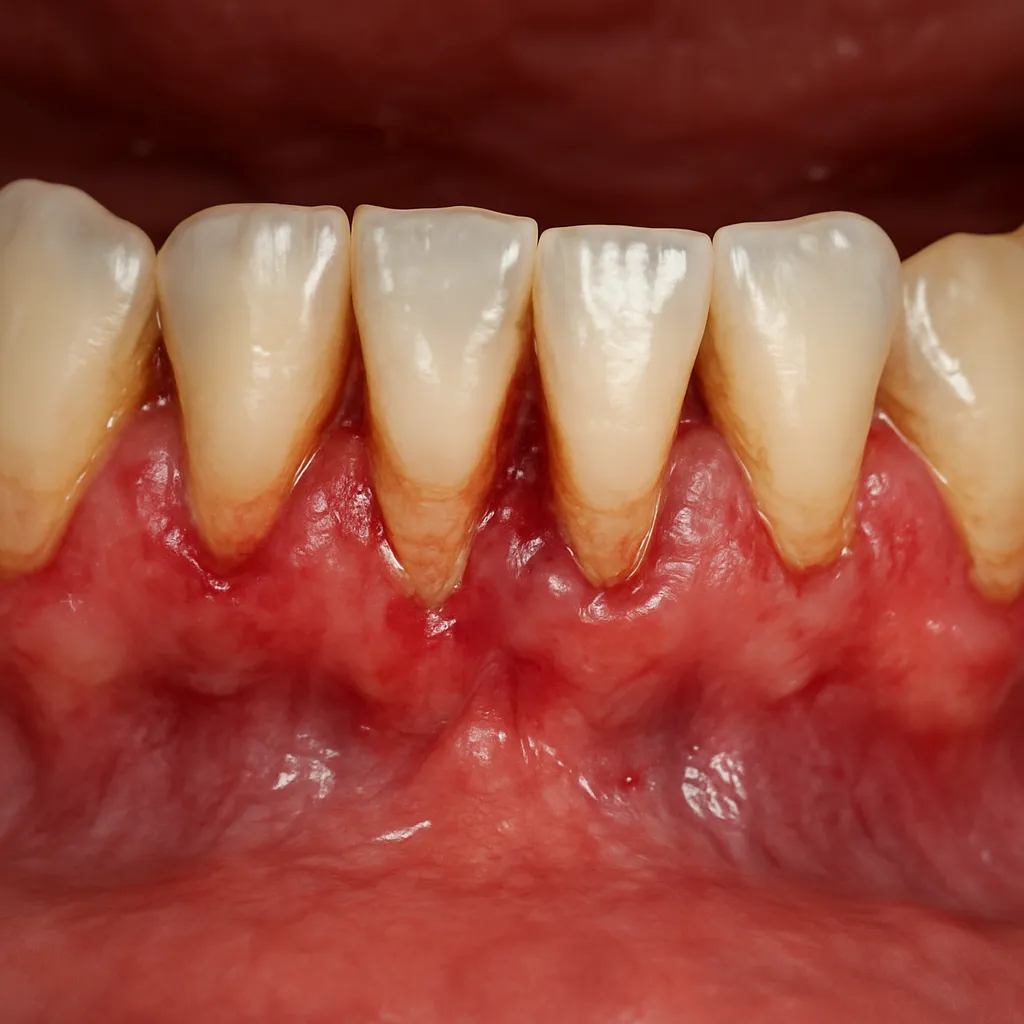
Advanced **periodontal** disease is characterized by chronic infection of the gums and supporting structures of the teeth. Bacterial endotoxins such as lipopolysaccharides (LPS) stimulate the immune system to produce inflammatory mediators (e.g., interleukins and tumor necrosis factor-alpha). Persistent immune activation not only damages oral tissues but may also disturb neurotransmitter metabolism, influencing levels of serotonin and dopamine.
Hypothalamic-Pituitary-Adrenal Axis Dysregulation
Oral pain and inflammation act as chronic stressors that can dysregulate the hypothalamic-pituitary-adrenal (HPA) axis. Elevated cortisol secretion in response to ongoing discomfort may heighten vulnerability to **anxiety** and impair resilience against future stress. Dentists who recognize these connections can better advocate for integrated care approaches.
Clinical Implications for Dentists
Dental practitioners occupy a strategic position to identify and mitigate factors that contribute to mental health challenges. By adopting a holistic mindset, clinicians can foster both dental excellence and psychological support.
Comprehensive Assessment
- Include simple mental health questionnaires alongside oral health surveys to detect early signs of distress.
- Assess patients’ dietary habits, sleep patterns, and **stress** levels, recognizing that these factors influence oral and mental wellness.
- Monitor markers of systemic inflammation (e.g., C-reactive protein) in patients with severe periodontal disease.
Collaborative Care Models
Building referral networks with psychologists, psychiatrists, and primary care providers enriches the multidisciplinary toolbox. When dentists consult with mental health specialists, they convey crucial information about oral inflammation and infection that may exacerbate mood disorders. Joint case conferences can enhance treatment planning and lead to tailored **intervention** strategies.
Patient Education and Motivation
Educating patients about the bidirectional relationship between their oral hygiene and mental state empowers them to adopt healthier habits. Highlight how daily practices—like flossing, brushing, and routine check-ups—can reduce systemic inflammation, improve **immune** function, and boost **resilience** against emotional challenges. Use motivational interviewing techniques to address barriers to compliance and reinforce small successes.
Strategies for Promoting Holistic Well-being
Addressing the intertwined nature of oral and mental health demands creativity, compassion, and evidence-based tactics. The following strategies can help dental teams create an atmosphere that supports overall **wellness**.
Integrative Office Environment
- Design waiting areas with comfortable seating, natural lighting, and stress-reducing décor.
- Offer mindfulness or relaxation audio tracks for patients to listen to during procedures.
- Train staff in trauma-informed care to ensure sensitive handling of anxious or vulnerable individuals.
Behavioral Support Tools
- Provide patients with digital apps or printed guides for managing oral care and tracking mood.
- Introduce goal-setting frameworks that link oral hygiene routines to emotional health milestones.
- Encourage peer support by creating forums or social media groups focused on positive oral health experiences.
Continuing Education and Research Engagement
Stay abreast of scientific advances exploring the mouth-brain axis. Participate in workshops on psychosomatic dentistry, and contribute to clinical studies that evaluate the impact of anti-inflammatory periodontal therapies on mental health outcomes. By championing interdisciplinary research, dentists can refine treatment protocols that optimize both dental and psychological well-being.
Future Directions in Dental-Mental Health Integration
As knowledge of the oral-systemic link expands, future innovations may include personalized microbiome profiling, targeted anti-inflammatory agents, and digital platforms that seamlessly unite dental records with mental health metrics. Dentists will increasingly function as key players in preventive medicine, intervening not only to preserve enamel and gums but also to safeguard cognitive vitality and emotional equilibrium.
Emerging Technologies
- Salivary diagnostics for real-time biomarkers of inflammation and stress hormones.
- Teledentistry platforms that incorporate mental health screening modules.
- Biomaterial scaffolds delivering localized anti-inflammatory agents to periodontal pockets.
Role of Policy and Public Health
Advocating for health policies that integrate dental coverage with mental health services can reduce barriers to holistic care. Public health campaigns highlighting the **synergy** between oral hygiene and mood regulation may foster widespread behavioral change, improving population-level outcomes.